Blog
Blog
How to take care of wavy hair—according to the pros
Salon secrets for frizz-free, defined perfection
Wavy hair: the middle child of hair textures, forever stuck in that awkward phase. Not sleek enough to be straight, not bouncy enough to be curly.
It's a constant struggle—wrestling with humidity-induced frizz one minute, trying to coax some life into limp waves the next. You know the drill: five minutes of post-styling perfection, then it's all downhill into a fluffy, undefined mess.
If you're nodding along wondering how to take care of wavy hair, then sister, we've got your back. We've been backstage at the salons, eavesdropping on the stylists who actually know how to tame those unruly waves. We're talking insider tips and tricks that'll have your hair looking like Blake Lively's beach waves.
So, if you’re one messy bun away from giving up on your waves entirely, read on!
First, get to know your waves
Let's get one thing straight (and we don’t mean your lovely hair): not all waves are created equal. Learning about your specific wave type and hair porosity is key to deciding on a routine that truly works.
Wavy hair types
Just like snowflakes, no two heads of wavy hair are exactly the same. Understanding where your waves fall on the spectrum is the first step to giving them the love they deserve.
2a waves
2b waves
2c waves
Think loose, barely-there bends that are more ‘S’ than spirals. They're generally fine and easy to manage but can fall flat without the right products.
These have a more defined ‘S’ shape and are prone to frizz. They need a bit more TLC to stay smooth and defined.
These are the closest to curls, with tighter, more defined waves. They tend to be thicker and coarser and need extra hydration to prevent dryness and frizz.
Porosity
Your hair is like a sponge. Porosity refers to how easily your hair absorbs and retains moisture.
Low porosity
Medium porosity
High porosity
Your hair is like a tightly woven sponge—it's resistant to absorbing moisture, but once it does, it holds onto it for dear life. Products tend to sit on top of your hair, leading to buildup. Opt for lightweight, water-based products and avoid heavy oils and butters.
You've hit the jackpot! Your hair absorbs and retains moisture well. You have more flexibility with products but focus on maintaining that balance.
Your hair is like a sponge with lots of holes—it absorbs moisture easily but also loses it quickly. This can lead to dryness and frizz. Look for deeply hydrating products with ingredients like shea butter and coconut oil.
Wavy hair woes—can you relate?
Frizz that seems to have a mind of its own, especially when there's a hint of humidity in the air. Dryness that leaves your waves feeling more like straw than silk. That frustrating lack of definition, where your waves just refuse to cooperate and form those picture-perfect spirals. And let's not forget the dreaded product buildup, weighing down your hair and making it look dull and lifeless.
All too familiar, right? These hair struggles can make you feel like you're fighting a losing battle. But getting to grips with these common issues can help you identify the techniques and products needed to conquer them. We’ll cover them in our salon-approved wavy hair routine—coming right up!
How to take care of wavy hair (for beginners)
Transform your locks from unruly to unreal with this wavy hair care routine.
Washing
The first step to happy waves starts in the shower. But don't just grab any old shampoo and conditioner—your waves deserve a little more TLC.
Shampoo selection
Sulfates, parabens, and harsh detergents are a wavy girl's worst enemy. These ingredients strip your hair of its natural oils, leaving it dry, brittle, and prone to frizz. Instead, opt for a gentle, sulfate-free shampoo that's specifically formulated for wavy or curly hair. Look for moisturizing ingredients like aloe vera, coconut oil, or shea butter to keep your waves hydrated and happy.
Conditioning (heads up: don’t skimp on moisture!)
Conditioner is a wavy hair essential. It helps detangle, smooth frizz, and add much-needed moisture to your strands. After shampooing, apply a generous amount of conditioner from mid-length to ends, focusing on the areas that tend to be drier. Leave it on for a few minutes to allow the nourishing ingredients to penetrate your hair shaft, then rinse thoroughly.
For an extra dose of hydration, consider incorporating a deep conditioner into your routine once a week or every other week. Deep conditioners provide more intensive treatment, leaving your waves feeling soft, supple, and manageable.
Frequency—finding that sweet spot
Overwashing can strip your hair of its natural oils, leading to dryness and frizz. On the other hand, going too long between washes can lead to product buildup and greasy roots. Finding the right balance depends on your wave type, porosity, and common issues you experience (as we covered above).
As a general rule of thumb, aim to wash your wavy hair 2-3 times a week. If your hair tends to get oily quickly, you might need to wash it more often. If your hair is on the drier side, you can stretch it to once a week or even longer. Pay attention to your hair's cues and adjust your washing frequency accordingly.
Drying and styling
Now that your hair is squeaky clean and hydrated, it's time for the fun part: styling! But before you reach for your trusty hot tool, let's explore some gentle techniques that will enhance your natural waves without causing damage.
Try these simple heat-styling techniques
– Scrunching: Gently cup and squeeze your hair upwards to encourage wave formation and definition.
– Plopping: Wrap your hair in a microfiber towel or t-shirt to absorb excess moisture and enhance your natural waves.
– Braiding: Braiding your damp hair can create beautiful, heat-free waves overnight.
Consider air drying or diffusing
– Air-drying: This is the holy grail for healthy waves. It's the gentlest way to dry your hair, minimizing heat damage and frizz. However, it can take a while, especially if you have thick or long hair.
– Diffusing: If you're short on time, a diffuser can be your best friend. It helps distribute heat evenly and enhances your natural wave pattern. Low and slow is the key! Use a low heat setting and avoid touching your hair too much while diffusing to prevent frizz.
Use microfiber towels and t-shirts for drying
The rough fibers of a terry cloth towel can cause friction and frizz, leaving your waves looking less than stellar. Instead, opt for a microfiber towel or an old t-shirt to gently squeeze out excess water. The smooth surface will help minimize frizz and keep your waves intact.
Find your product cocktail recipe
Wavy hair often needs a combination of products to achieve the perfect balance of hydration and hold. This is where product cocktailing comes in. Experiment with layering different products, such as leave-in conditioners, curl creams, gels, and mousses, to find the perfect combination for your hair type and desired style. Remember to start with a small amount and gradually add more as needed.
If you must use heat, make sure it’s not too often
We all love the instant gratification of a curling iron or straightener, but frequent heat styling can wreak havoc on your waves, leading to dryness, frizz, and even breakage. When you do use heat, make sure to use a tool that locks in your style for longer and always apply a heat protectant spray beforehand to shield your strands.
Wavy hair care products (TYME’s top picks)
Now that you've got the lowdown on wavy hair care basics, let's talk products. This curated list is your trusty sidekick in the battle against frizz and limpness.
Wavy hair must-haves
Shampoo and conditioner
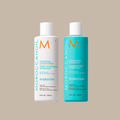
For fine, low porosity hair → Try a lightweight, curl-boosting duo like this Moroccanoil Shampoo and Conditioner. They gently remove product buildup without stripping your hair of essential moisture.
For thick, high porosity hair → Opt for a deeply hydrating combo like the SheaMoisture Manuka Honey & Mafura Oil Intensive Hydration Shampoo and Conditioner. They'll quench your thirsty strands and leave them feeling soft and manageable.
Leave-in conditioner
A leave-in conditioner is a must for all wavy hair types. It provides an extra layer of hydration and helps detangle your waves.
For lightweight hydration → The Bumble and Bumble Don't Blow It (H)air Styler is a great option for fine hair. It adds moisture without weighing your waves down.
For intense moisture → The Moroccanoil All-in-One Leave-in Conditioner is a multi-tasking hero that detangles, conditions, and protects against heat damage.
Wavy hair styling products
For definition and hold → The Ouidad Advanced Climate Control Heat & Humidity Gel is a frizz-fighting champion that defines your waves without crunchiness.
For soft, touchable waves → The Briogeo Curl Charisma Rice Amino + Avocado Leave-In Defining Cream provides lightweight hold and hydration, perfect for enhancing your natural wave pattern.
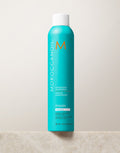
For volume and body → The Moroccanoil Volumizing Mousse adds bounce and lift to your waves without leaving them feeling stiff or sticky.
Wavy hair oils and serums
Oils and serums are the unsung heroes of wavy hair care. They smooth frizz, boost shine, and protect against damage—all essential for keeping those waves looking their best.
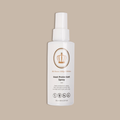
For lightweight shine → The Gisou Honey Infused Hair Oil is a luxurious blend of natural oils that adds shine and nourishment without weighing your hair down.
For frizz control → The John Frieda Frizz Ease Extra Strength Serum is a cult classic that tames even the most unruly frizz.
For damaged ends → The Olaplex No. 7 Bonding Oil repairs and strengthens damaged hair, leaving it feeling soft and healthy.
✨ TYME tip ✨
When shopping for wavy hair care products, look for hydrating ingredients like aloe vera, coconut oil, shea butter, and argan oil. On the flip side, avoid sulfates, parabens, silicones, and drying alcohols. These can strip your hair of moisture and contribute to frizz and damage.
Beyond the basics
You've mastered the washing and styling routine, and your product cocktail is on point, but are you ready to channel your inner beach goddess? Here are a few salon secrets that will take your waves from 'cute' to 'drop-dead gorgeous'.
Regular trims
Think of regular trims as a detox for your waves. Split ends not only disrupt the smooth flow of your wave pattern, creating that dreaded ‘frizz halo’, but they also weaken your hair, making it more prone to breakage. By getting a trim every 6-8 weeks, you're essentially hitting the reset button on your hair's health. This allows your waves to grow stronger and more resilient, resulting in a fuller, healthier look.
Scalp care
Your scalp is the literal foundation of your hair's health. Neglecting it is like trying to build a house on shaky ground—it's just not going to work. A healthy scalp is free of buildup, balanced in oil production, and has good blood circulation, all of which contribute to optimal hair growth and prevent issues like dryness, flakiness, and even hair loss.
Incorporate a gentle scalp scrub or massage into your routine once a week. This will help remove product buildup, stimulate blood flow to the hair follicles, and create a nourishing environment for your waves to thrive.
Pro treatments
Even with a stellar at-home routine, sometimes your waves need a little extra pampering. From deep conditioning masks that penetrate deep into the hair shaft to keratin treatments that smooth and tame frizz, your stylist can recommend the perfect solution for your specific needs.
Remember, beautiful waves don't happen overnight. It's a commitment to consistent care and attention. Incorporate these salon secrets into your routine, and your waves will be so good, they'll have their own Instagram fan page.
Don’t get tide down by bad hair days
How to take care of your waves, straight from the salon pros? Love it. Remember, it’s not about wrestling your hair into submission, it’s about understanding its rhythm and working with it.
Here’s a quick recap:
Decode your wave type and porosity to create a personalized routine.
Ditch the harsh shampoos and embrace the gentle, hydrating kind that won't leave your waves parched.
Put down the hot tools (most of the time!) and discover the magic of air-drying and diffusing.
Concoct the perfect product cocktail for frizz-free, defined waves.
Show your scalp some love—it's the foundation for happy hair.
Treat yourself (and your waves) to a salon visit every now and then.
Armed with these insights, you can now free your locks from the messy bun and rock those gorgeous waves with the confidence of a Pantene commercial hair model!
How to use Gisou’s Honey Infused Hair Oil
…and why we’re totally OBSESSED
Let's be honest, most of us are haircare commitment-phobes. We flit from the latest mask to the buzziest oil, rarely finishing a bottle before the next big thing catches our eye.
But Gisou? Gisou's different. It's the kind of brand that inspires a devotion usually reserved for that one perfect pair of jeans or your go-to coffee order.
Gisou, which translates to ‘golden hair lock’ in Persian, is the brainchild of model and influencer Negin Mirsalehi, who grew up with a beekeeper father and a hairdresser mother.
Inspired by her mother's homemade honey-infused hair concoctions, Mirsalehi set out to share this family secret with the world. The result? An opulent haircare line built on a foundation of six generations of beekeeping expertise, with the Gisou Honey Infused Hair Oil as its crown jewel.
This multi-tasking marvel, powered by Mirsalehi Honey and a blend of nourishing Bee Garden Oils, promises to tackle everything from frizz and dryness to heat damage and lackluster locks. And with its subtle, honey-infused scent, it’s a treat for your senses, not just your strands.
Before we explore how to use the Gisou Honey Infused Hair Oil, let's break down exactly what makes it so special.
What is the Gisou honey infused hair oil?
Gisou's Honey Infused Hair Oil is a global bestseller and award-winning* hair treatment that's earned its place in the spotlight, in and out of salons across the globe.
This clinically proven formula, infused with Mirsalehi Honey and a proprietary blend of Bee Garden Oils, works wonders on all hair types, even those that have been color-treated or chemically processed. It’s designed to intensely hydrate, add instant shine, smooth frizz, and protect your precious strands from heat styling up to 230°C/450°F.
But it's not just about performance—this oil offers a luxurious, sensorial experience with its delicate honey fragrance. It's a reminder of Gisou's rich heritage, rooted in six generations of beekeeping, and the transformative power of nature's ingredients.
*Allure’s 2023 Best of Beauty Finishing Oil
*Cosmopolitan Readers’ Choice Beauty Award 2023 Best Hair Oil
Key ingredients
Mirsalehi Honey
Bee Garden Oils
A true superstar ingredient, this sustainably sourced honey is brimming with vitamins, minerals, amino acids, and antioxidants. It delivers deep hydration, leaving your hair with a glossy, healthy shine that lasts.
Gisou’s complex blend of eight oils, rich in Omegas 3, 6 & 9, works to deeply nourish, strengthen, and provide long-lasting moisture. It's like a superfood smoothie for your hair, promoting overall health and resilience.
🤍 What TYME loves 🤍
We're particularly smitten with the oil’s versatility. It's not just a finishing touch; it can be used as a pre-styling treatment, an overnight mask, or even a scalp treatment.
And let's not forget that subtle, honey-sweet scent—it’s truly addictive! It turns your hair care routine to a spa-like experience, leaving your hair smelling as good as it looks.
But the real magic lies in the results. This oil truly delivers on its promises, leaving your hair feeling softer, smoother, and more manageable from the very first use.
What are the benefits of Gisou honey infused hair oil
We've already touched on the allure of Gisou's Honey Infused Hair Oil, but let's take a deeper look at the clinically proven benefits that make it a true haircare hero.
✓ Instantly hydrates
Say goodbye to parched strands. This oil provides 72 hours of continuous hydration, thanks to honey's humectant properties that draw moisture into the hair shaft and seal it in.
✓ Boosts shine
Experience a dramatic +143% increase in shine upon application. The oil's smoothing action creates a reflective surface that bounces light, leaving your hair looking healthy and radiant.
✓ Smooths frizz and flyaways
Humidity and frizz don't stand a chance. This oil offers 72-hour frizz and humidity control, keeping your hair sleek and manageable even in challenging conditions.
✓ Protects from heat + UV damage
Style without fear! This oil creates a protective barrier on your hair, shielding it from heat damage up to 450°F/230°C. This is great news for girlies who use the TYME 2-in-1 styling irons. Plus, the added Tocopherol (Vitamin E) offers UV protection, keeping your hair safe from the sun's harmful rays.
✓ Nourishes and repairs
The blend of Mirsalehi Honey and Bee Garden Oils, rich in antioxidants including Vitamin E, work synergistically to deeply nourish and repair hair from the core, combating free radical damage and improving its overall health and resilience.
✓ Free from harmful ingredients
Gisou prioritizes clean beauty. This oil is free from parabens, sulfates, phthalates, and a long list of other potentially harmful ingredients. It's also gluten-free and cruelty-free.
Gisou isn’t just about instant gratification; it's about long-term hair health. With consistent use, you can expect to see improved manageability, reduced breakage, and a noticeable boost in overall shine and vitality. What more could you want for your beloved locks?!
How to use Gisou’s Honey Infused Hair Oil
This versatile oil can be used in multiple ways to suit your hair's needs and your styling preferences. Let's explore the different application methods:
After washing
Here’s how to use it as a sort of Gisou honey infused leave-on conditioner to nourish and protect your hair after washing:
– Step 1: Start with damp, towel-dried hair.
– Step 2: Dispense a few small drops of the oil into your palms and rub them together to warm the product.
– Step 3: Apply the oil evenly through the mid-lengths and ends of your hair, avoiding the roots. Comb through gently to ensure even distribution.
– Step 4: Style as usual and enjoy the added shine, smoothness, and frizz control.
As a finishing touch
Adding a touch of polish and shine to your finished style.
– Step 1: On dry hair, dispense a small amount of oil into your palms and rub them together.
– Step 2: Lightly smooth the oil over the surface of your hair, focusing on the ends and any areas prone to frizz.
– Step 3: Avoid applying too much to the roots to prevent a greasy look.
In-between washes
Refresh and revitalize your hair between washes.
– Step 1: Apply a small amount of oil to dry hair, focusing on areas that need a little extra TLC.
– Step 2: Gently massage the oil into your hair, focusing on the mid-lengths and ends.
– Step 3: Comb through and style as usual.
As an overnight treatment
Here’s how to create a Gisou honey infused hair mask with the oil:
– Step 1: Apply 2-3 full droppers of Gisou Honey Infused Hair Oil to dry hair, focusing on the mid-lengths and ends.
– Step 2: Massage the oil into your scalp if desired.
– Step 3: Braid your hair or wrap it in a silk scarf to prevent staining your pillowcase.
– Step 4: Always rinse. In the morning, shampoo and condition as usual to reveal soft, hydrated, and manageable hair.
– Step 5: For optimal results, repeat this treatment 2 times per week.
As a scalp treatment mask
Soothe and nourish with a Gisou honey infused scalp treatment.
– Step 1: Part your hair into sections to expose your scalp
– Step 2: Apply 2-3 full droppers of oil directly to your scalp and massage gently for 5-10 minutes.
– Step 3: Leave on for at least 30 minutes or overnight before shampooing and conditioning as usual. Remember to always rinse when applying it as a mask.
– Step 4: For optimal results, repeat this treatment 2 times per week.
Who should use Gisou’s Honey Infused Hair Oil?
Gisou's Honey Infused Hair Oil isn't just for a select few; it's designed for everyone seeking healthier, more radiant hair. Whether your hair is fine, thick, straight, curly, or somewhere in between, this oil can work its magic. It's particularly beneficial for those battling dryness, frizz, damage, or dullness, but even those with healthy hair will appreciate the added shine, softness, and protection it provides.
And the best part? It's suitable for all hair types, including color-treated and chemically processed hair. So, if you're looking for a luxurious, multi-tasking hair oil that delivers real results, Gisou's flagship oil might just be your new holy grail.
FAQs
Is Gisou Honey Infused Hair Oil suitable for all hair types?
Gisou's Honey Infused Hair Oil is formulated to work wonders on all hair types and textures, from fine and straight to thick and curly. It's also safe for color-treated and chemically processed hair.
How often should I use Gisou Honey Infused Hair Oil?
The frequency of use depends on your hair's needs and your personal preferences. You can use it daily as a leave-in conditioner or finishing touch, or less frequently as an intensive treatment or scalp mask. Experiment and find what works best for you!
How much should I use?
A little goes a long way with this liquid gold! We recommend starting with 1-2 drops for fine hair, 2-3 drops for medium hair, and 3-4 drops for thick hair. You can always add more if needed, but it's best to start small and build up to avoid any greasy residue.
Should I apply it to wet or dry hair?
You can apply it to wet, damp, or dry hair, depending on your desired outcome. For deeper conditioning and moisture lock-in, apply it to damp hair after washing. If you're looking for a finishing touch with added shine and frizz control, apply it to dry hair.
Can I use it on my scalp?
Yup! The oil is gentle and nourishing, making it suitable for scalp application. Massaging it into your scalp can help soothe dryness, promote blood circulation, and potentially stimulate hair growth.
Does the formula contain silicones?
Yes, the formula does include silicones. These help to create a smooth, glossy finish and provide heat protection. However, if you prefer silicone-free hair products, Gisou also offers other options like the Propolis Infused Polishing Primer.
Where can I buy Gisou Honey Infused Hair Oil?
It’s available for purchase on the Gisou website, as well as at select retailers like Sephora and Nordstrom.
Wrapping up how to use Gisou Honey Infused Hair Oil
Gisou's Honey Infused Hair Oil isn't just a coveted hair product—it's a luxe ritual, an embodiment of the power of natural ingredients, and a celebration of family heritage (let’s be honest, the history behind the brand is pretty interesting!).
We've explored its versatility, from taming frizz and adding shine to dry hair to deeply conditioning damp locks overnight. It’s clear to see this oil's earned its accolades and cult-favorite status. Its clinically-proven benefits, coupled with its clean formula, make it suitable for virtually everyone seeking healthier, more radiant hair.
But does it live up to the hype? In our experience, absolutely. The subtle honey scent is divine, and the results are undeniable. Hair feels softer, smoother, and more manageable from the very first use. While the price point might be a splurge, a little goes a long way, and the transformative effects on your hair make it a worthwhile investment.
If you're eager to take your hair care routine to a spa-like experience and unlock your hair's full potential, Gisou's Honey Infused Hair Oil is your golden ticket.
Can I use sunflower oil on my hair every day?
Daily sunflower hair oiling: A recipe for grease or gorgeousness?
Move over, coconut oil—there's a new hair oil in town, and it's got a sunny disposition. Sunflower oil, once relegated to the salad bowl, is now making waves in the haircare industry. From DIY hair masks and scalp treatments to overnight oil soaks, this golden elixir seems to be popping up everywhere.
But among all the hype, there's one question on everyone's lips: Can I really use sunflower oil on my hair every day? Is it the secret to glossy, frizz-free locks, or are we just one step away from an oil slick disaster?
We’re looking at the science behind the shine, exploring the potential pitfalls of overdoing it, and ultimately helping you decide if sunflower oil deserves a permanent spot in your beauty routine.
Is sunflower oil good for hair?
You’re probably wondering, is sunflower oil good for my hair? In short, yes! Sunflower oil isn't just another wellness fad; it's packed with nutrients that can potentially work wonders for your mane. Rich in vitamins, antioxidants, and essential fatty acids, sunflower oil has been used for centuries in various cultures for its nourishing and healing properties, not just in the kitchen but also as a natural beauty remedy.
It's like a multivitamin for your hair, offering deep hydration, protection from damage, and even promoting a healthy scalp environment. Its lightweight texture makes it easily absorbed, leaving your hair feeling soft and manageable without the dreaded greasy residue.
Before you start slathering it on daily, let's explore the specific benefits that have everyone buzzing about this golden oil.
Sunflower oil benefits for hair
So, what's the big deal about sunflower oil? Let's break down the key benefits that make it stand out from the crowded hair oil scene:
✓ Deep hydration with a lightweight feel
Sunflower oil is rich in oleic acid, a fatty acid known for its exceptional moisturizing properties. It penetrates deep into the hair shaft, delivering hydration from within without leaving behind any greasy residue. This makes it a fantastic option for those with fine or easily weighed-down hair who still crave moisture.
✓ Frizz fighter extraordinaire
Sunflower oil acts as a natural smoother, thanks to its high linoleic acid content. This essential fatty acid helps to fill in gaps in the hair cuticle, creating a smoother surface that resists moisture and humidity, the main culprits behind frizz. The result? Sleek, manageable hair with a healthy, glossy shine
✓ Scalp soother + dandruff defender
Beyond its moisturizing prowess, sunflower oil brings balance to your scalp. Packed with Vitamin E and linoleic acid, it possesses anti-inflammatory properties that can calm irritation and itching. Plus, its antifungal compounds can help regulate the scalp's microbiome, keeping dandruff-causing fungi in check.
✓ Damage control + strength boost
Sunflower oil doesn’t just mask damage, it actively combats it. It forms a protective shield on your hair strands, safeguarding them from heat styling, UV rays, and environmental pollutants.
Additionally, its vitamin E content acts as a potent antioxidant, neutralizing free radicals that contribute to hair aging and breakage. The result? Hair that's not only protected from future damage but also fortified against existing woes, leading to stronger, more resilient locks.
✓ Luminous shine
Sunflower oil's emollient nature creates a thin, protective layer on each strand, sealing in moisture and smoothing the hair cuticle. This smoother surface reflects light more evenly, resulting in a natural, healthy shine that rivals any salon treatment.
✓ Hair growth hero
While sunflower oil isn't a miracle hair growth serum, it lays the groundwork for healthier, potentially longer locks. Its Vitamin E content improves blood circulation to the scalp, ensuring hair follicles receive the nourishment they need to thrive. Additionally, its linoleic acid is believed to stimulate hair growth by influencing certain growth factors. While more research is needed, anecdotal evidence suggests sunflower oil can contribute to a fuller, thicker mane over time.
Can I use sunflower oil on my hair every day?
While sunflower oil offers a bounty of benefits for your hair, daily use might not be the best idea for everyone. Its lightweight texture is a major plus, but even the lightest oils can build up over time, potentially leading to greasy roots or weighed-down strands, especially for those with fine or oily hair.
Think of it like watering a plant—too much, and the roots can drown. Similarly, overdoing it with sunflower oil can disrupt your scalp's natural oil balance, leading to the opposite of what you intended.
So, how often should you use it? It depends on your hair type and needs. Generally, 1-2 times a week is a good starting point. If you have dry or damaged hair, you might benefit from more frequent use, while those with oily hair might want to stick to once a week or even less. Pay attention to how your hair responds and adjust accordingly.
As for how much to use, start small. A quarter-sized amount is usually sufficient for most hair types. If you have long or thick hair, you might need a bit more, but remember, it's easier to add more than to remove excess oil.
Sunflower oil hair uses
Now that you're well-versed in the benefits of sunflower oil, let's get practical. This versatile oil can be incorporated into your hair care routine in various ways, depending on your specific needs and goals. Here are a few tried-and-true methods to get you started:
How to use sunflower oil for deep conditioning
Sunflower oil makes a fantastic deep conditioner, especially for dry or damaged hair.
– Step 1: Warm a quarter-sized amount of sunflower oil (adjust depending on your hair length and thickness) by rubbing it between your palms.
– Step 2: Apply the warm oil to damp hair, focusing on the mid-lengths and ends. Gently massage it into your scalp if desired.
– Step 3: Cover your hair with a shower cap or warm towel and leave it on for 30 minutes to an hour.
How to use sunflower oil for a scalp massage
A sunflower oil scalp massage can help soothe irritation, promote blood circulation, and potentially stimulate hair growth.
– Step 1: Warm a small amount of sunflower oil.
– Step 2: Part your hair into sections to expose your scalp.
– Step 3: Use your fingertips to gently massage the oil into your scalp in circular motions for 5-10 minutes.
How to use sunflower oil as a pre-shampoo treatment
Applying sunflower oil before shampooing can help protect your hair from the harshness of cleansing agents and lock in moisture.
– Step 1: Apply a small amount of sunflower oil to dry hair, focusing on the ends and any particularly dry or damaged areas.
– Step 2: Leave it on for 15-30 minutes before shampooing as usual.
How to use sunflower oil for hair growth
While sunflower oil doesn't guarantee hair growth, it can create a healthy scalp environment that supports optimal growth.
– Step 1: Warm a small amount of sunflower oil and mix it with a few drops of rosemary essential oil (known for its hair growth-promoting properties).
– Step 2: Massage the mixture into your scalp for 5-10 minutes.
– Step 3: Leave it on for at least 30 minutes or overnight before shampooing.
How to use sunflower oil for scalp treatment
Sunflower oil can be used directly on the scalp to nourish and soothe dryness or irritation.
– Step 1: Take a small dollop of sunflower oil and massage it directly into your scalp (you can do this on wet or dry hair).
– Step 2: Comb it through the hair from root to end.
– Step 3: Wrap your hair in a warm towel and leave it on for at least 30 minutes, then shampoo and condition as normal.
How to use sunflower oil in a hair mask
You can create a nourishing DIY hair mask with sunflower oil.
– Step 1: Combine 1/2 avocado or banana (or both), honey, coconut or olive oil, and sunflower oil.
– Step 2: Blend the ingredients until smooth.
– Step 3: Apply the mask to damp hair, focusing on the mid-lengths and ends. Leave it on for 30 minutes to an hour, then shampoo and condition as usual.
How to use sunflower oil for frizz control
Sunflower oil can help tame frizz and flyaways for a smoother look.
– Step 1: Apply a pea-sized amount of sunflower oil to your palms.
– Step 2: Rub your hands together and smooth the oil anywhere you see frizz.
How to use sunflower oil as a conditioner booster
Add a boost of moisture to your regular conditioner with sunflower oil.
– Step 1: Add a dime-sized amount of sunflower oil to your existing conditioner.
– Step 2: Apply and rinse as normal. If your hair still feels oily, you may need to double rinse.
With so many uses, from deep conditioning to frizz control and scalp treatments, sunflower oil is truly a haircare multitasker that deserves a spot on your bathroom shelf!
FAQs
Can I leave sunflower oil in my hair overnight?
Yes, you can! Leaving sunflower oil in your hair overnight allows for deeper penetration and maximum hydration. However, if you have fine or oily hair, it's best to stick to shorter treatment times to avoid a greasy buildup.
Can sunflower oil help with hair loss?
While sunflower oil doesn't directly cure hair loss, it can contribute to a healthier scalp environment, which is crucial for hair growth. Its anti-inflammatory and nourishing properties may help improve blood circulation and reduce scalp irritation, potentially supporting hair growth and minimizing hair loss.
Can I use sunflower oil for cooking on my hair?
While sunflower oil is generally safe for topical use, it's not recommended to use cooking oil on your hair. Cooking oil can be more processed and may contain additional ingredients that aren't beneficial for hair. It's best to stick to cosmetic-grade sunflower oil specifically meant for hair care. For hair treatments, look for cold-pressed, unrefined sunflower oil to get the most benefits.
Who shouldn't use sunflower oil?
Sunflower oil is generally safe for most people, but it's always a good idea to do a patch test first, especially if you have sensitive skin. Apply a small amount of sunflower oil to your inner forearm and wait 24 hours to see if any irritation occurs. If you experience redness, itching, or burning, discontinue use and consult with a dermatologist. Additionally, people with severe allergies to sunflower seeds or other nuts and seeds should avoid using sunflower oil.
So, can I use sunflower oil in my hair every day?
While the allure of daily sunflower oil treatments is tempting, it's best to exercise moderation. This golden oil, with its hydrating, strengthening, and scalp-soothing properties, can undoubtedly transform your hair. However, like any good thing, too much can lead to unwanted side effects like greasiness and buildup.
Instead, embrace sunflower oil as a weekly or bi-weekly treat for your tresses, incorporating it into your routine through deep conditioning, scalp massages, or pre-shampoo treatments. By finding the right balance, you'll unlock sunflower oil's full potential, revealing hair that's not only healthy and vibrant but also radiates a natural, sun-kissed glow.
For more tips on incorporating different oils into your haircare routine, don’t miss the LifeTYME blog!
How often should you oil your hair?
Discover the sweet spot for your strands
Craving hair that's so good, it's almost scandalous? Well, hair oiling is the Gossip Girl of hair care routines—it knows everything about getting those luscious locks.
What was once an age-old tradition in South Asian and African cultures is now the talk of the For You Page, thanks to TikTok influencers blowing up its spot.
But here's the tea: hair oiling isn't as simple as slapping on some oil and calling it a day. Too much, and you're channeling a 90s boy band. Too little, and your hair's thirstier than you after a spin class.
So, how often should you oil your hair—when you’re not going for the wet look, that is? Read on, as we’re dishing on the ancient wisdom behind this beauty ritual, decoding its modern-day benefits, and finally revealing the magic number for oiling your hair to perfection.
Get ready to transform your tresses and unlock the ultimate hair glow-up. XOXO.
Highlights
What is hair oiling?
Benefits of hair oiling
Types of hair oils
How often should you oil your hair?
How to oil your hair
FAQs
The takeaway
What is hair oiling?
Hair oiling is essentially a deep conditioning treatment where you massage oil into your scalp and hair. It’s a direct shot of nourishment and hydration, leaving your strands feeling revitalized and looking their absolute best.
This age-old practice has deep roots in various cultures, particularly in South Asia and Africa, where it's been used for centuries to promote hair health and growth. But now, thanks to social media and its ability to turn niche beauty rituals into global trends, hair oiling is everywhere. From your favorite influencer's GRWM routine to your cousin's tried-and-true hair care hack, everyone seems to be on board the hair oiling train.
And for good reason! Hair oiling isn't just about aesthetics; it's about giving your hair the TLC it deserves. It can strengthen your strands, reduce frizz, and even combat dandruff. Basically, it’s the ultimate multi-tasker for your hair care routine, but more on that later.
Now, before you go dousing your head in whatever oil you find in the pantry, let's get a few things straight. Hair oiling isn't a one-size-fits-all situation. The type of oil you use, how often you apply it, and your hair type all play a role in getting those influencer-worthy results. But don't worry, we'll break it all down for you, step by step.
The benefits of hair oiling
Alright, now that you know the what of hair oiling, let's explore the why (all before answering your question: how often should I oil my hair?”). While the specific benefits can vary depending on the type of oil you choose, here are some general perks you can expect from incorporating this ritual into your routine:
Hydration station
Hair oiling is like a tall glass of water for your thirsty strands. It’s a must if you’re frequently using heat products on your hair, since oils help lock in moisture, leaving your locks feeling soft, supple, and oh-so-touchable. Say goodbye to dry, brittle hair and hello to a mane that's hydrated and happy.
Frizz fighter
If your hair tends to resemble a lion's mane on humid days, hair oiling can be your savior. Oils help smooth the hair cuticle, taming frizz and flyaways for a sleek, polished look.
Scalp soother
A healthy scalp is the foundation for healthy hair. Massaging oil into your scalp can help improve blood circulation, nourish hair follicles, and even reduce dandruff and itchiness. It's like a mini-massage for your head, with added hair benefits.
Strength training
Oils can help strengthen your hair, reducing breakage and split ends. This means longer, healthier hair that can withstand all your styling adventures.
The types of hair oils and their benefits
Now that you know the general benefits, let's get specific. Here’s a quick rundown of some popular hair oils and their unique superpowers:
Coconut oil
A true haircare hero, coconut oil deeply penetrates the hair shaft, moisturizing, strengthening, and helping prevent protein loss. It's like a protective shield for your strands, keeping them healthy and resilient.
Who might use it: Those with dry, damaged, or frizzy hair will adore coconut oil's intense hydration. It's also a great choice for anyone looking to add shine and tame unruly curls.
Argan oil
Dubbed ‘liquid gold’, argan oil is rich in antioxidants and fatty acids that nourish and protect hair. It adds a gorgeous shine, smooths frizz, and even helps protect against heat damage.
Who might use it: Argan oil is a versatile option suitable for all hair types. Its lightweight texture makes it a great choice for those with fine or oily hair who want the benefits of oil without the heaviness.
Jojoba oil
Jojoba oil is a bit of a hair chameleon—it closely resembles the natural oils produced by your scalp, helping to balance oil production and moisturize without weighing hair down. It can even help soothe an itchy or irritated scalp.
Who might use it: Those with oily or acne-prone scalps will appreciate jojoba oil's balancing properties. It's also a good choice for those with dry hair who want a lightweight moisturizer.
Castor oil
This thick and rich oil is a powerhouse for promoting hair growth and thickness. It also deeply moisturizes and soothes the scalp, making it a great option for anyone dealing with dryness or flakiness.
Who might use it: If you're looking to boost hair growth or combat thinning hair, castor oil is your go-to. It's also beneficial for those with dry scalps or dandruff.
Olive oil
A kitchen staple that doubles as a haircare gem, olive oil is rich in antioxidants and Vitamin E. It helps soften hair, add shine, and protect against damage.
Who might use it: Olive oil is ideal for those with dry or damaged hair. It’s particularly effective for taming frizz and adding moisture to coarse or thick hair.
Almond oil
Lightweight and easily absorbed, sweet almond oil softens hair, adds shine, and helps detangle knots. It's also rich in Vitamin E, which nourishes and protects the scalp.
Who might use it: Those with fine or delicate hair will love sweet almond oil's gentle touch. It's also great for anyone struggling with tangles or scalp dryness.
Grapeseed oil
Another lightweight option, grapeseed oil is rich in antioxidants and linoleic acid. It helps moisturize hair, reduce frizz, and even protect against heat damage.
Who might use it: Grapeseed oil is suitable for all hair types, especially those prone to frizz or heat styling. Its non-greasy formula makes it a good choice for those with oily scalps.
Remember, this is just a sampling of the amazing oils out there. Don’t be afraid to experiment and find your hair's perfect match!
How often should you oil your hair?
Now, for the million-dollar question: how often should you oil the ends of your hair? The truth is, there's no one-size-fits-all answer when it comes to hair oiling frequency. Think of it like dating: you need to find the right rhythm with your hair, and that depends on a few factors:
Factor 1: Your hair type
– Dry hair: If your hair is constantly parched, aim for oiling 1-2 times a week. This will help lock in moisture and keep those strands hydrated and happy.
– Oily hair: If your scalp is an oil slick by midday, you might want to take it slow. Once a week or even every other week should be sufficient to reap the benefits without feeling greasy.
– Normal hair: Lucky you! You've got the hair care equivalent of a balanced diet. Oiling once a week should keep your hair looking and feeling its best.
Factor 2: The type of oil you’re using
– Heavy oils (like coconut or castor oil): These oils are deeply nourishing but can also be a bit heavy. Use them less frequently, especially if you have fine or oily hair.
– Lightweight oils (like argan or jojoba oil): These oils are easily absorbed and less likely to weigh hair down. You can generally use them more frequently, even if you have oily hair.
Factor 3: Your hair goals
– Combating dryness and frizz: If your main concern is dryness and frizz, oiling 1-2 times a week will help lock in moisture and smooth those unruly strands.
– Promoting hair growth: If you're looking to boost hair growth or thickness, castor oil is your friend. Use it 1-2 times a week, focusing on the scalp.
– General hair health: If you want to maintain overall hair health and add shine, any of the oils mentioned above can be beneficial. Start with once a week and adjust as needed.
Keep in mind that these are just guidelines. Pay attention to your hair’s signals. If it starts feeling greasy or weighed down, you might be overdoing it. On the other hand, if your hair still feels dry and brittle, you might need to oil more frequently.
The key is to find what works best for you and your unique hair type. It might take a bit of experimentation, but trust us, it's worth it—just look at these INSANE hair oiling transformations.
How to oil your hair (step-by-step guide)
Okay, you've got the oil, you're ready to reap the benefits, but now what? Don't worry, oiling your hair is easier than perfecting your winged eyeliner (well, almost). Here's a simple step-by-step guide to get you started:
1. Choose your oil
We've revealed what you need to know about the different hair oils, so pick one that suits your hair type and goals. Remember, lighter oils are great for frequent use, while heavier oils are best for deeper treatments.
2. Warm it up
Gently warm the oil by placing the bottle in a bowl of warm water for a few minutes. Warm oil is easier to apply and helps penetrate the hair shaft better. But don't go overboard – you don't want to fry your scalp!
3. Part and conquer
Divide your hair into sections to ensure even application. Start by applying the oil to your scalp, massaging it in with your fingertips using gentle, circular motions. This helps stimulate blood flow and ensures the oil reaches your hair follicles.
4. Work your way down
Once your scalp is coated, work the remaining oil through the lengths of your hair, focusing on the ends. If you have oily hair, you might want to avoid applying oil directly to your roots.
5. Wrap it up
Cover your hair with a shower cap or warm towel to help the oil penetrate deeper. Leave it on for at least 30 minutes, or even overnight for a more intensive treatment.
6. Wash and go
Shampoo your hair thoroughly to remove the oil. You might need to shampoo twice, especially if you used a heavier oil. Follow up with your usual conditioner.
✨ TYME tip ✨
Don't be afraid to experiment! You can add a few drops of essential oils to your chosen hair oil (which serves as your carrier oil) for added benefits. For example, rosemary oil is believed to stimulate hair growth and improve circulation to the scalp.
Curious about how often to use rosemary oil for hair growth? We recommend starting with 2-3 times a week and adjusting based on your results.
How often should you oil your hair? The takeaway
So, to oil or not to oil? That's not the question. The real question is, how often? As we've seen, there's no one-size-fits-all answer. Your hair type, oil choice, and hair goals all play a role in finding your perfect frequency. But as a general rule of thumb, 1-2 times per week seems to be the optimal frequency.
We recommend listening to your hair, though! If it feels greasy, dial back the oiling. If it's still thirsty, amp up the frequency. With a little experimentation and mindful observation, you'll find the sweet spot that leaves your hair looking and feeling its absolute best.
Which almond oil is best for hair? Discover our list of salon-approved brands
Your strands are about to get the VIP treatment
Ever scrolled through hair transformations on TikTok and wondered, "How is her hair IMPOSSIBLY shiny?!" Well, we're about to spill the tea on a haircare secret that's been trending since, like, forever—almond oil. Yep, that nutty goodness you drizzle on salads can also work miracles for your mane.
Whether you're battling dryness, frizz, or just want to amp up the shine factor, almond oil is here to save the day with its nutrient-dense blend of vitamins, minerals, and essential fatty acids. We're talking serious hydration, smoother strands, and a glow that'll have everyone asking who your stylist is.
Discover everything you need to know about almond oil for hair: the benefits, the best products, and the tips to get you those #hairgoals. Oh, and just a heads up: almond oil sometimes goes by its fancy names like ‘sweet almond oil’ or ‘Prunus Amygdalus Dulcis Oil’ on those ingredient lists. Don't let the jargon fool you; it's all the same hair-loving magic!
Is almond oil good for hair?
In a word, yes! Almond oil isn't just another haircare fad; it's a tried-and-true remedy that has been nourishing hair for centuries. Just like a healthy diet fuels your body from the inside out, almond oil—packed with vitamins, minerals, and fatty acids—acts as a superfood smoothie for your strands, offering a whole host of benefits that'll leave your hair looking and feeling its absolute best.
Benefits of almond oil for hair
Almond oil is a natural elixir which boasts an impressive array of benefits that'll leave your locks looking and feeling salon-worthy. Here’s what it can provide:
✓ Deep hydration and frizz control
Almond oil's high concentration of oleic and linoleic acids acts as a moisture magnet, penetrating deep into the hair shaft to deliver long-lasting hydration. It also smooths down the hair cuticle, preventing moisture loss and taming those unruly flyaways, even in the most humid conditions.
✓ Damage repair and stronger strands
Split ends and breakage? Not on almond oil's watch. Vitamin E swoops in as an antioxidant superhero, neutralizing free radicals that wreak havoc on your hair. Meanwhile, fatty acids penetrate deep, rebuilding and reinforcing the hair shaft like a tiny construction crew. The result? Hair that's stronger, more elastic, and less likely to snap under pressure.
✓ Scalp TLC and growth boost
A happy scalp equals happy hair. Almond oil's anti-inflammatory and antioxidant powers soothe irritation and combat dandruff. A balanced scalp creates the perfect environment for hair follicles to thrive, potentially leading to thicker, faster-growing hair.
✓ Heat shield and shine booster
Heat styling addict? Almond oil's got you covered. It forms a lightweight barrier, protecting your hair from the scorching heat of styling tools. Plus, it adds a natural, healthy shine without the greasy feel.
✓ Benefits for EVERY hair type
Fine, thick, straight, curly—almond oil doesn't discriminate. Its lightweight formula won't weigh down fine hair, while its nourishing properties are a godsend for thicker, coarser locks. Curly girls rejoice! It helps define curls and tame frizz, so you can embrace your natural texture.
✓ Natural haircare solution
Ditch the chemical cocktails and go au naturel. Almond oil is a pure, affordable alternative to pricey hair products. Use it as a pre-shampoo mask, a leave-in conditioner, or a styling aid. It's like having a multi-tasking hair guru in a bottle.
Which almond oil is best for hair?
We've scoured the web and consulted our stylists to bring you a list of the best almond oil for hair based on the highest-rated options, ingredients, and quality. Check them out below.
US Organic Sweet Almond Kernel Oil
Sky Organics
✔ With 9,145 five-star ratings on Amazon, this almond oil must be doing something right!
✖ Some users missed the pictured pipette, which made application a bit of a mess.
✔ USDA-certified, 100% vegan, and lightweight for easy absorption. Leaves hair soft and moisturized.
Handcraft Blends Almond Oil for Hair
Mielle Mint Almond Oil
✔ Therapeutic-grade formula with a light, non-irritating texture. Works wonders on dry scalps and leaves hair incredibly soft.
✖ Can take a bit longer to absorb, so not ideal if you're in a rush.
✔ Works wonders on dry scalps and leaves hair impeccably soft.
✖ Some customers reported that the mint scent overpowering the almond scent.
Viva Naturals Almond Oil for Hair
Bajaj Almond Drops
✔ All-natural and pure, this almond oil absorbs quickly without leaving any greasy residue, making it ideal for both hair and skin.
✖ Its natural, odorless profile might not be everyone's cup of tea; some prefer a slightly sweeter scent.
✔ This lightweight, non-sticky formula is specifically designed to nourish the scalp and help prevent hair loss.
✖ The scent can be a bit overpowering for some, so maybe skip this one if you like a more subtle smell.
Bumble and Bumble Hairdresser’s Invisible Oil
Bread Beauty Supply Hair Oil Everyday Gloss
✔ Conditions, softens, and adds shine, plus, it contains UV filters to protect against sun damage—bonus!
✖ It's a blend of oils and other ingredients, not pure almond oil. This might be a plus for some who want additional benefits, but purists might prefer a single-ingredient option.
✔ Designed for all hair types and textures, this oil promises to smooth, add shine, and tame frizz.
✖ It's a blend, not pure almond oil. This could be a pro or a con depending on your preferences.
How to use almond oil in hair
Ready to unlock the magic of almond oil for your hair? It's surprisingly simple to incorporate into your routine. Here are a few tried-and-true methods to get you started:
Smooth on as a moisturizing hair oil
– Step 1: Start with a small amount of almond oil, about a dime-sized dollop for shoulder-length hair.
– Step 2: Warm the oil between your palms to enhance absorption.
– Step 3: Apply it to damp or dry hair, focusing on the mid-lengths and ends. Avoid the roots, especially if you have fine hair or an oily scalp.
– Step 4: Comb through gently to distribute the oil evenly.
– Step 5: Style as usual or leave it in for a deep conditioning treatment.
✨ TYME tip ✨
Fine-haired folks and those with oily scalps, tread lightly! Start with a pea-sized amount and focus on the ends to avoid that dreaded greasy look.
Apply it to the scalp to treat dryness
– Step 1: Part your hair into sections to expose your scalp.
– Step 2: Use your fingertips to gently massage a few drops of almond oil into your scalp.
– Step 3: Leave it on for at least 30 minutes or overnight for a deeper treatment.
– Step 4: Shampoo and condition as usual.
Use for a therapeutic scalp massage
– Step 1: Warm a generous amount of almond oil.
– Step 2: Use your fingertips to massage the oil into your scalp in circular motions.
– Step 3: Continue for 5-10 minutes, focusing on areas of tension.
– Step 4: Leave the oil on for at least 30 minutes or overnight.
– Step 5: Shampoo and condition as usual.
Combine with olive oil to treat severely brittle hair
– Step 1: Mix equal parts almond oil and olive oil.
– Step 2: Apply the mixture generously to your hair, focusing on the ends.
– Step 3: Cover your hair with a shower cap and leave it on for at least an hour or overnight.
– Step 4: Shampoo and condition as usual.
Who should use almond oil for hair?
Who should use almond oil
Who shouldn’t use almond oil
Almond oil's versatility makes it a fantastic addition to almost anyone's haircare routine. It's particularly beneficial for those struggling with:
– Dry, brittle hair: Almond oil's deep hydration properties can revive parched strands and restore their natural luster.
– Frizzy hair: Its smoothing action tames flyaways and leaves hair looking sleek and polished.
– Damaged hair: The nourishing properties of almond oil can help repair split ends and breakage, promoting stronger, healthier hair.
– Dandruff or an itchy scalp: Almond oil's anti-inflammatory properties can soothe and calm irritated scalps.
Remember that almond oil is derived from nuts. Individuals with nut allergies should avoid almond oil to prevent potential allergic reactions.
If you're unsure, it's always best to consult with a healthcare professional before incorporating almond oil into your haircare routine.
FAQs
Coconut oil or almond oil – which is best for hair?
Both coconut oil and almond oil offer unique benefits for hair. Coconut oil is known for its deep penetrating abilities, making it excellent for thicker, coarser hair types. It can also help reduce protein loss, which is essential for maintaining hair strength.
Almond oil, on the other hand, is lighter and more versatile, suitable for all hair types, including fine hair. It's particularly beneficial for adding shine and managing frizz. Ultimately, the best choice depends on your individual hair needs and preferences. Experiment with both to see which one your hair loves most!
Is almond oil suitable for sensitive scalps?
While almond oil is generally gentle and safe for most people, those with sensitive scalps should proceed with caution. It's always recommended to do a patch test on a small area of your scalp before applying it all over. If you experience any irritation, redness, or discomfort, discontinue use and consult with a dermatologist.
Can I use almond oil on color-treated hair?
Absolutely! Almond oil is a great option for color-treated hair. Its nourishing properties can help replenish moisture and prevent dryness often associated with coloring processes. Plus, it adds shine without stripping away color, keeping your locks vibrant and healthy.
How often should I use almond oil on my hair?
The frequency of use depends on your hair type and needs. For dry or damaged hair, you can use almond oil 2-3 times a week as a deep conditioning treatment or leave-in conditioner. For those with normal or oily hair, once a week or every other week might be sufficient. Remember, a little goes a long way!
Can you use almond oil for hair growth?
While almond oil itself doesn't directly stimulate hair growth, it can create a healthy scalp environment that supports optimal hair growth. By nourishing the scalp, reducing inflammation, and improving blood circulation, almond oil can indirectly contribute to healthier, thicker hair.
So, which almond oil is best for your hair?
The takeaway? Nature knows best. Choose any almond oil from our stylist-picked selection and use it correctly to transform your locks from lackluster to luscious. This multitasking elixir, packed with vitamin E and fatty acids, tames frizz, adds shine, and leaves your hair feeling silky and manageable. Bonus: your skin will love it too!
Ditch the chemicals, embrace a natural solution, and experience the almond oil difference. Softer, smoother, stronger hair is just a few drops away.
Everything you need to know about Allurium Hair Growth Serum
Real results or just hype? Here’s the truth
DISCLAIMER: While Allurium Hair Growth Serum has rebranded as Rennora Beauty, it’s still widely recognized by its original name, Allurium.
If you’ve ever felt like your hair growth journey is one endless loop of “didn’t work” and “meh results,” you’re not alone. You may have seen Allurium Hair Growth Serum—the latest buzz in the beauty world that’s got everyone (and their curls) talking. Promising noticeable results in as little as two weeks, especially for women with type 3 and type 4 hair, this serum claims to be the real deal. But before we jump on the hype train, let’s get real: Does it truly deliver?
We know the struggle of navigating a sea of products, all claiming to be the magic fix. And when it’s a brand that speaks directly to women of color, we want it to be true so badly. So, we decided to put Allurium Hair Growth Serum to the test. Spoiler alert: This review is all about keeping it 100—no fluff, no exaggerated claims, just the straight-up facts.
We’re diving deep into what’s inside this serum, the reviews, and whether that two-week growth miracle is just wishful thinking or a legit possibility. Could Allurium be your hair’s new BFF? Or is it another bottle destined to collect dust on your bathroom shelf? Let’s do this together.
What’s inside Allurium Hair Growth Serum? Let’s break it down
When we talk about hair growth serums, it’s the ingredients which are the real MVPs—and Allurium Hair Growth Serum is packed with a mix of ancient organic herbs, essential oils, and natural vitamins specifically designed to cater to women of color. With claims of stimulating follicles, rejuvenating the scalp, and promoting new hair growth, this serum boasts an impressive lineup of components that sound like a haircare dream.
We’re seeing a lot of tried-and-true staples like peppermint oil and coconut oil, combined with less mainstream but equally intriguing ingredients like stinging nettle and castor oil. But the big question remains—can this serum really deliver on its promises, or is it just another product lost in a sea of bold claims? We’re going to put our science hats on and look at it from a hair pro’s POV.
Ingredient list:
Coconut oil, Hemp, seed oil, Carrot Oil, Alma, Chebe, Castor Oil, Tea Tree, Bhringrai, Stinging Nettle, Peppermint, Mustard Seed, Sesame Oil, Basil, Argon Aloe, Garlic Seed, Onion Seed, Almond Oil, Pygeum, Biotin, Chili Oil, Olive Oil, Ginkgo Biloba, Black Tea, Neem, Aritha, Calendula, Chamomile, Dandelion, Ginseng, Fenugreek, Ginger Root Oil, Horsetail, Rosemary, Sage, Tyme, and Tulsi
Breaking down the ingredients—what’s in the bottle?
So, what exactly makes up the Allurium Hair Growth Serum, and do these ingredients actually stand a chance? Here’s a closer look at some of the key players and what they’re *supposed* to bring to the table:
1. Peppermint oil
Peppermint oil is a superstar in the world of hair growth for a reason. A 2014 study found that peppermint oil improved hair thickness, length, and overall follicle count in mice—yes, you read that right, mice. The oil works by increasing blood circulation to the scalp, stimulating dormant hair follicles into a growth phase. It’s invigorating and provides a refreshing, cooling sensation that can help soothe an itchy scalp. But keep in mind, while peppermint oil has promising results in animal studies, human results can be a *tad* different.
2. Coconut oil
If you’ve ever Googled “hair care tips,” you’ve probably seen coconut oil listed about a million times—and for good reason. Coconut oil’s unique ability to penetrate the hair shaft makes it an excellent moisturizer that can reduce protein loss and prevent damage. It’s a go-to for adding shine, combating dryness, and keeping hair hydrated. While it’s great for improving hair quality and reducing breakage, it’s important to note that it’s not necessarily a miracle growth elixir.
3. Castor oil
Another fan favorite in the hair growth community, castor oil is known for its thick, sticky consistency that can coat hair strands, making them look fuller and shinier. Rich in ricinoleic acid and omega-6 fatty acids, castor oil is believed to help increase blood flow to the scalp, promoting healthier, stronger hair. Plus, its antimicrobial properties might help keep dandruff and other scalp issues at bay. Again, while it’s great for hair health, scientific evidence supporting its impact on hair growth specifically is still pretty slim.
4. Stinging nettle
Stinging nettle might not sound glamorous, but this herb is packed with vitamins and minerals like iron, magnesium, and vitamin C. It’s been used traditionally to combat hair loss by blocking DHT (dihydrotestosterone), a hormone that’s often linked to hair thinning. Some studies suggest that stinging nettle can reduce scalp inflammation and stimulate the follicles, but more research is needed to confirm these effects.
5. Rosemary oil
Rosemary oil is a rising star for its potential to prevent hair loss and encourage growth. Studies have shown that it can be as effective as minoxidil (a common hair growth treatment) in promoting hair regrowth, particularly in cases of androgenic alopecia—a fancy term for hair loss linked to genetics and hormones. It’s also celebrated for its ability to boost cellular regeneration and improve blood circulation, keeping hair follicles healthy and active.
6. Chebe powder
An ingredient that’s been a staple in the hair care rituals of Chadian women for centuries, Chebe powder is used to strengthen and condition hair, reducing breakage and retaining length. While it’s gaining popularity in Western markets, most of the evidence supporting Chebe’s effectiveness is anecdotal, passed down through generations rather than backed by clinical studies.
7. Biotin
Ah, Biotin, also known as vitamin B7. It’s a popular supplement for hair growth and it is everywhere right now—even TikTok. It plays an important role in the health of your hair, skin, and nails, and a deficiency in biotin can lead to thinning hair. While it’s commonly found in many hair growth products, the effectiveness of biotin supplements in individuals who are not deficient is still debated among experts. So don’t get your hopes up with this one.
These ingredients sound fantastic on paper, and some have solid research backing their benefits. But does that mean they’ll work magic in Allurium’s serum? Not necessarily. Individual results can vary, and while some users may experience noticeable changes in as little as two weeks, others may need more time—or may not see the dramatic results the brand touts. It’s all about finding what works best for your unique hair needs and being patient with the process.
Does Allurium Hair Growth Serum live up to its promises?
With a promise of rapid results, Allurium Hair Growth Serum positions itself as a game-changer for women of color seeking to rejuvenate their hair. The brand claims that with its unique blend of herbs and vitamins, users could see noticeable changes in just two weeks. Sounds enticing, right? But before you get too excited, let’s dive into whether this serum truly lives up to the hype or if it's just another pretty bottle with big promises.
Brand promises vs. real-world results
Allurium promises to stimulate hair follicles and encourage new growth from troubled areas, specifically targeting women of color. The unique blend of ancient herbs and natural vitamins is touted as the secret behind this rapid transformation. For many, the appeal is undeniable—after all, who wouldn’t want to see their hair thriving after struggling with countless other products?
However, as with any beauty product, individual results vary a LOT. While some users may indeed be the “lucky ones” who see quick improvements, others might find their progress slower or less dramatic. Factors like hair type, scalp health, consistency of use, and even genetics play significant roles in how well a product works. So, if you’re setting your heart on two-week hair growth, it’s important to manage those expectations—because that’s what we had to do.
What are customers saying?
Customer reviews all differ. Some users on Instagram rave about newfound hair thickness, growth in stubborn areas, and overall improvement in hair health. These glowing reviews highlight positive experiences, with users celebrating their “before and after” transformations that echo the brand’s promises. For these individuals, Allurium seems to be a game-changer, and the investment feels worth it.
On the flip side, not all feedback is rosy. Customer feedback on Amazon reveals a rather bleak picture. With an average rating of 2.8 out of 5 stars, the reviews are a mixed bag—more like a cautionary tale for those eager to try it.
Some users have managed to find a silver lining, reporting improved hair thickness and health, which aligns with the brand’s promises. However, these positive reviews are far from the majority. The recurring theme in many reviews is disappointment, with several customers seeing little to no change despite consistent use.
One particularly recent review sums up the discontent: "This Allurium Hair Growth product is a waste of time. Do NOT buy. Water in a bottle. Just taking people’s money. I bought two bottles, and they sent me four bottles. Two extra bottles that I did not ask for. I wanted to try it before I purchased more. It has a slight light, almost no fragrance at all—water in a bottle. Used it for a time, and no growth. Lies, all lies. Very disappointed."
Ouch.
The bottom line—manage your expectations
Alright, let’s get real. Allurium Hair Growth Serum comes packed with some potentially great ingredients, but the truth is, it might not be the magic potion we all dream of. Our experience and the feedback from other users paint a picture that’s a tad less sparkling than the product’s claims. That two-week miracle you’ve heard about? It might just be more marketing hype than reality.
The hair care world is flooded with fads and trends, and finding what works for you can feel like searching for a needle in a haystack. So, if you’re tempted to give Allurium a go, our advice is to dive in with open eyes. Stick with it, use it as directed, and remember that hair growth is often a slow and steady process.
In the end, your hair journey is uniquely yours. While Allurium might not be the instant fix you hoped for, it could still be a step in the right direction. So, keep your expectations in check, and embrace the process. Who knows? With a bit of patience and a *dash* of luck, you might just find that this serum delivers some pretty sweet results. Here’s to hoping for the best and finding what truly works for you. Fingers crossed!
Can you bring hot tools on a plane? The ultimate travel guide
Girls’ vacay booked? Don’t forget to pack everything for a good hair day!
We may be on the brink of autumn (cue the dramatic sigh), but don’t let that stop you from dreaming about those epic winter getaways just around the corner. Think sunny beach days, cocktails by the pool, and seriously bomb vacation selfies. But let’s be serious—none of those plans are complete without hair that’s on point.
You’ve got your travel playlist ready and your outfits are packed, but there’s one little detail that might have you scratching your head—can you bring hot tools on a plane? Whether it’s a trusty hair iron or a trusty curling wand, these tools are essential for keeping your holiday hair looking flawless.
Navigating airport security with your favorite styling gadgets can feel like trying to solve a Rubik's cube blindfolded. But don’t stress. We’ve got you covered with the ultimate guide to bringing your hair tools on your next flight. From TSA rules to packing tips, we’re here to make sure you arrive at your destination with fabulous hair and zero hassle. Let’s get you ready to go wherever your next adventure takes you.
TSA guidelines for hair irons—what you need to know
When it comes to packing your hair iron for a flight, understanding TSA guidelines is your first step towards a smooth journey—because nobody wants to be caught hot-tool-red-handed in airport security. The Transportation Security Administration (TSA) has specific rules that help keep everything in check while ensuring that your hot tools can travel with you.
Here’s the lowdown.
1. Hot tools are generally allowed
Good news! Most hair tools, including hair irons, are allowed in both your carry-on and checked baggage. This means you can take your flat iron or curling wand with you, so long as you follow a few basic guidelines. The TSA is all about safety, so their main concern is making sure that items don’t pose a risk to passengers or crew—and we’re pretty sure the only crime you’ll be committing is with your picture-perfect holiday blowout.
2. Power source matters
If your hair iron is battery-operated, you’ll need to make sure the batteries are removable or properly protected. For devices with built-in batteries, there are usually specific guidelines about how they should be stored and carried. It’s always a smart move to double-check your device’s manual or the manufacturer’s website to guarantee compliance with these rules.
3. Cool it down
This may sound obvious with a capital O, but you’d be shocked to know people actually pack their hot tools….HOT. Before you even think about packing your hair iron, let it cool down completely. Packing a hot iron is not just a fire hazard; it can also damage your other belongings. TSA agents will thank you for this small act of consideration, and you’ll avoid any unnecessary delays during security checks.
4. Safety first, always
While hair irons are generally allowed, they must be safely packed. This means avoiding any risk of accidental burns or fires. If your iron has a protective cover, use it. If not, consider investing in a heat-resistant travel case. This way, your iron stays safe, and your other items stay intact.
To be safe, check your airline policies
Just a heads-up—while TSA guidelines are pretty standard, each airline can have its own quirks and rules. To avoid any last-minute surprises, it’s a smart move to give your airline a quick call or check their website before you pack. That way, you’ll know exactly what’s allowed and can breeze through security without a hitch, just damn fine hair.
Are hair tools allowed in a carry-on?
While we’re on the topic of flat irons and keeping your hair game strong while traveling, let’s make sure your entire styling arsenal is up to snuff. Whether you’re a fan of bouncy curls, sleek straight locks, or voluminous waves, knowing what’s allowed in your carry-on is crucial. Here's how to handle the most popular styling tools for a smooth airport experience.
Curling irons and curling wands
If curls are your go-to style, you’ll be glad to know that curling irons and curling wands are typically welcome in your carry-on. These tools are NEEDED for adding those perfect waves and curls that make your hair pop. Just like with your flat iron, make sure your curling iron is completely cool before packing. Many come with a heat-resistant case or cover—use it! If your curling wand doesn’t have a protective cover, think about wrapping it in a heat-resistant pouch to keep everything safe and sound.
Hair dryers
For those who rely on their trusty hair dryer for a quick style or a polished finish, you’re in luck. Most small, travel-sized hair dryers can be packed in your carry-on without any issues. They’re perfect for a quick dry and style, and they’re generally compact enough to avoid packing hassles. If you’re bringing a larger hair dryer, just double-check with your airline about size restrictions and packing guidelines. Remember, a little advance planning can save you from having to check your bag at the last minute. Oh, and most hotels provide their own hairdryer anyway, so triple-check and save yourself some extra hand luggage space.
Hair straighteners
Straighteners are another must-have for many of us. If you’re aiming for that ultra-sleek look or just need to smooth out a few flyaways, your hair straightener can always travel with you. Again, make sure it’s completely cool before packing. If your straightener doesn’t come with a built-in safety cover, it’s worth investing in a travel-friendly heat-resistant case. This will not only protect your other belongings but also ensure your straightener stays in top condition, which saves you money in the long run.
Hot rollers
Hot rollers are trending so much right now and for good reason. For those times when you want big, bouncy curls without the hassle of traditional curling irons, they’re your new go-to. These can also be packed in your carry-on, but they might take up a bit more space. To keep things neat, consider using a hard case or a well-padded travel bag. And, as with other heated tools, double-check that they are cool and properly stored to avoid any issues. AKA: melted chocolate or worse, a burnt carry-on bag.
Other styling tools and gadgets
Got a few more styling gadgets you can't live without? From volumizing brushes to compact steamers, many of these tools can also travel with you. Just be sure to check their specific requirements—some might have removable batteries or other components that need special handling. When in doubt, consult the TSA guidelines or the manufacturer’s instructions to guarantee that you’re following the latest rules (they’re always changing!).
Tips for packing your styling tools
Heat protection: Always wait until your tools are completely cool before packing them. This prevents damage to both the tools and your other belongings.
Travel cases: Invest in heat-resistant travel cases or pouches. They’re a small investment that can save you from big headaches and ensure your tools stay in great shape.
Airline rules: Since each airline might have its own set of rules, give them a quick check before you travel. A little due diligence goes a long way in avoiding any surprises at the airport.
With this checklist, you’re all set to keep your hair looking amazing no matter where your travels take you. You’ll breeze through airport security like a seasoned pro, and your hair will be runway-ready in no time. So, pack your favorite styling tools and get ready to strut your stuff on your next adventure—because no matter where you are in the world, good hair days are a necessity (especially on a girls' trip!).
Hot tools on a plane? Check ✓
And there you have it—your foolproof guide to traveling with your hair tools. From navigating TSA regulations to packing your flat iron, curling wand, and all your must-have styling gadgets, you’re now ready to keep your hair looking good wherever you are.
With these tips in hand, you can confidently pack your favorite tools and breeze through airport security without a hitch. Whether you're jetting off to a tropical paradise, exploring a bustling city, or cozying up in a snowy retreat, you’ll be set to rock those killer hair looks all trip long. TYME tip? Liaise with the girlies on what tools they’re packing to free up more space for snacks. The more=the better.
So, pack smart and enjoy your trip. Here’s to good travels and even better hair days—bon voyage!
Debunking Spooky Hair Myths
It’s October, which means it's time to talk about the spooky side of hair care, hair products and more. More specifically, we’re here to debunk all the crazy rumors going around about our hair. We don't even know where half of these come from, but we’ve all heard them.
So we sat down with our hair experts and heard what they had to say about these spooky hair myths!
Myth 1: Coloring your hair will damage it.
We can’t tell you how many times we’ve heard someone say they won’t color their hair because it will ruin the integrity of their locks. Hear us when we say this: If you are going to a trained stylist and using high quality products, your hair will not be damaged.
We’ve all seen and heard the horror stories but those stories come from people who have used cheap products, done the coloring themselves or have cut corners in the process.
The truth is that professional hair color that experienced stylists use contain conditioning agents that help to reinforce the moisture in your hair rather than stripping it. It is incredibly normal for clients to get their hair colored every 6-8 weeks and it is actually recommended for people who want to maintain their color.
Myth 2: Plucking A Gray Hair Causes More Gray Hair
We know you’ve all heard this old wives tale! We can assure you that it is in fact a myth. Plucking a single hair on your head will only allow one more hair to grow back to replace it. When you pluck a gray hair it comes from a single follicle on your scalp. Therefore, only a single hair will grow back in its place and will have no effect on the surrounding hair.
So yes, you can pluck these grays, but we’d recommend you don’t. While plucking won’t affect the color of your hair it can damage the hair follicles enough that hair might actually stop growing in those areas. So in our opinion, coloring your grays to cover them is the safest and healthiest option.
Myth 3: You Can Heal Split Ends
This one is a little disappointing and we wish it weren’t true but once split ends happen, there is no fixing it. Any products that promise to heal split ends are lying! Products like hair masks might say they heal split ends, but in reality they can only help moisturize your ends and prevent future split ends. Truly the only way to get rid of split ends is to cut them off. This is why we suggest regular hair trim appointments. This will keep your hair healthy and your ends fresh.
Myth 4: Washing Your Hair Too Frequently Strips Its Natural Oils
This is only true if you are using cheap products that do not have quality ingredients. Keeping your scalp clean is actually very important for your hair growth and overall health. If your scalp is not kept clean, dead skin cells have the chance to build up, which can lead to hair shedding. We usually recommend washing your hair one or two times per week, but if you are unsure, you can always ask a trusted stylist.
Myth 5: Towel Dry or Air Dry is Better Than a Blow Dryer
This is also one of those myths we’ve heard 100 times! Blow drying your hair with the proper technique is so much better for your hair than air drying. Air drying can actually cause your hair more damage in the long run. Our hair is weakest when it is wet, so more damage is most likely to happen while it is air drying. We also recommend never sleeping on wet hair. This creates an environment perfect for bacteria and fungal growth.
For the perfect blow dry technique, keep the blow dryer continuously moving, never staying on one spot for too long. We recommend a medium heat setting and keeping the blow dryer about 6 inches away from your hair at all times.
At TYME, we believe hair education is so important when it comes to making decisions on what products to use, how to properly care for your hair and more. We hope we alleviated some of the fear that can come with decision making and hope everyone has a safe and healthy spooky season! 🎃
🖤TYME
Can you straighten wet hair without damaging it?
Simple answer: NO! Here’s why.
Remember those teenage mornings when we’d wake up with barely enough time to make it to class, yet still reach for the flat iron to get that silky, straight-out-of-an-ad look? We’ve all been there—frantically running a straightener over damp hair, desperate for that glossy finish, only to end up with frizzed-out, fried strands (and not to mention the smoke emitting from the hot tool). Well, girlie, those days are behind us. We’re in our self-care era now, and we’re not about to damage our hair for anyone or anything.
But let’s be real—the temptation to speed things up with a quick straightening session while your hair is still wet can be all too real. Here’s the truth: that sizzling sound and rising steam are not your friends. Straightening wet hair might seem like a shortcut, but it’s a fast track to damaged, brittle locks that’ll have you crying over split ends.
So, what’s the real deal? Why is straightening wet hair a no-go, and what’s the healthier route to achieving those perfect, straight tresses? Let’s break it down, bust some myths, and find the best ways to keep your hair looking STUNning without sacrificing its health. Because nothing, and we mean NOTHING comes before hair care these days.
Why you should think twice before using a flat iron on wet hair
Okay, babes, let’s talk about why straightening wet hair is basically a hair care horror story waiting to happen. We’ve all been there—time crunch, damp hair, and that flat iron is calling your name like it’s the answer to all your problems. But here’s the tea: using a flat iron on wet hair is like turning your strands into a hot mess express.
Here’s why. When your hair is wet, it’s at its most vulnerable. The outer layer of your hair, called the cuticle, is wide open, soaking up all that water like a sponge. Now, imagine pressing a scorching hot flat iron onto those water-filled strands. What happens? The water inside your hair literally boils, creating steam and causing your hair to sizzle. Sounds scary, right? That’s because IT IS!
This boiling effect doesn’t just dry your hair—it actually weakens it. The heat causes the water inside your hair to evaporate super quickly, leading to bubbles forming within the hair shaft. These bubbles might be tiny, but they cause significant structural damage, leaving your hair more prone to breakage, split ends, and that dreaded frizz.
Think about it like this—straightening wet hair is like throwing your favorite silk dress into a fire. Sure, it might seem fine at first glance (or not), but the damage is done, and there’s no going back. And girl, we’re not about that life.
But hey, we get it. Sometimes, life happens, and we need quick fixes. But trust us, straightening wet hair isn’t the answer. Instead, let’s explore some better, healthier ways to get those sleek, straight locks without sacrificing your hair’s health. Because, let’s face it—we’re all about thriving, not just surviving.
The long-term damage—It’s more than just split ends
Now, let’s get into the nitty-gritty of what happens when you repeatedly straighten your hair while it’s wet. Spoiler: it’s not pretty, babes. We’re talking more than just a few split ends or a bad hair day, this kind of heat abuse can lead to long-term damage that’s tough to reverse.
When you apply intense heat to wet hair, you’re not just frying the outer layer. The damage goes deep, affecting the very structure of your hair. Remember those bubbles we mentioned? Over time, they weaken the entire hair shaft, making it more brittle and prone to breaking. And that means more than just a few stray hairs on your brush—it can lead to significant thinning and loss of volume. You know, the kind of damage that has you wondering where your once-luscious locks went.
And let’s talk about texture for a sec. Repeated heat damage can strip your hair of its natural oils, leaving it dry, dull, and lifeless. That silky, shiny hair you’re aiming for? It’s a lot harder to achieve when your hair is parched and frazzled. Plus, if you’ve got any natural curl or wave to your hair, heat damage can mess with that too, leaving you with a weird, uneven texture that’s hard to style. In other words, bye-bye curls, forever.
Oh, and the damage doesn’t stop there, either. Your hair cuticles, the protective outer layer of your strands—get roughed up every time you expose them to high heat, especially when they’re wet. This can lead to raised cuticles that don’t lie flat, meaning your hair won’t reflect light as well. Translation? Say goodbye to that natural shine and hello to dull, frizzy hair that no amount of serum can fix.
Nobody’s got time for hair that’s constantly breaking, thinning, and losing its shine. We’re all about that long-term glow-up, and that means treating our hair with the care and respect it deserves. So, before you reach for that flat iron while your hair’s still damp, remember this—your future self (and your future hair) will beg for you to skip the sizzle.
Myth-busting—Is it EVER safe to straighten wet hair?
It’s now TYME for some myth-busting because we know what you’re thinking—"But what about those wet-to-dry straighteners that claim to be safe for wet hair?" You’ve probably seen them in stores, promising to dry and straighten your hair all at once. It sounds like a dream, right? Well, let’s break it down.
First off, the idea behind wet-to-dry straighteners is that they’re designed with vents that supposedly allow steam to escape, reducing the risk of damage. But here’s the truth: while these straighteners might be *slightly* less damaging than your regular flat iron, they’re still not the best option. Why? Because even with the vents, you’re still applying intense heat to wet hair, and that means you’re still boiling the moisture inside your strands.
Plus, those “protective” vents? They don’t always work as perfectly as advertised, just ask the 20-dollar price tag. If your hair is too wet, or if you’re not using the tool exactly right, you could still end up with frizz, breakage, and long-term damage. And let’s be honest—who’s got time to perfectly master a tool that’s already risky?
Another myth that needs busting? The idea that certain hair types can handle the heat better. Whether your hair is thick, fine, curly, or straight, the basic structure is the same. Sure, thicker hair might not show damage as quickly as finer hair, but that doesn’t mean it’s not happening beneath the surface. Every hair type is vulnerable to the same boiling, bubbling process we talked about earlier.
Let’s put this one to rest. No matter what your hair type or what kind of fancy straightener you’re using, straightening wet hair is never a good idea. It’s a shortcut that comes with a hefty price tag in the form of damaged hair, and we’re not about that life.
Don’t worry, babe—we’ve got safer, smarter ways to get that sleek, straight look you’re after, without sacrificing your hair’s health. Keep reading, and we’ll show you how.
How to safely achieve sleek, straight hair without the risk
Now that we’ve established why wet-to-straight isn’t the move, let’s talk about how you can still get that silky, straight hair without sacrificing your locks to the heat gods. Because, girl, you deserve to have it all—gorgeous, healthy hair that shines like a dream. Here’s your step-by-step guide to straightening your hair safely:
1. Always start with dry hair
Patience, babes, this is key. We’ve all been tempted to rush the process, especially when you’re trying to get ready in the morning, but starting with dry hair is the golden rule. If you’re really in a time crunch, here’s how to speed up the drying process without sacrificing hair health:
– Quick blow-dry with care: Before reaching for your flat iron, grab your blow dryer. But don’t just blast your hair with heat—use a medium heat setting and a wide-tooth comb to gently detangle as you dry. This preps your hair by smoothing it out, making it easier and quicker to straighten.
– Heat protectant spray is a NEED: This step is non-negotiable, girlie! A good heat protectant spray is your hair’s best friend. It forms a protective barrier around each strand, minimizing damage from high temperatures. Make sure to spritz it evenly across your hair, focusing on the ends where damage tends to be the most visible.
– Let your hair air-dry (if you have time): For those days when you’re not in a rush, air-drying is the healthiest option. You can apply a leave-in conditioner or a smoothing cream to help reduce frizz as your hair dries. Trust me, your hair will thank you for this extra bit of TLC.
2. Choose the right tools
Next up, let’s talk about your tools. Not all flat irons are created equal, and if you’re serious about keeping your hair healthy, it’s worth investing in a high-quality straightener with adjustable heat settings. Look for one with ceramic or tourmaline plates, which distribute heat more evenly and reduce the risk of hot spots that can fry your hair. And remember, lower is better when it comes to temperature. Cranking up the heat might seem like it’ll get the job done faster, but it’s also more likely to damage your hair in the long run. Aim for the lowest temperature that still gives you the results you want.
3. Work in sections
I know it’s tempting to grab a big chunk of hair and just go for it, but working in smaller sections is the secret to achieving that sleek, salon-worthy finish. It might take a little more time, but by working on small sections of hair at a time, you’re less likely to need multiple passes with the iron, which means less heat exposure. Plus, this method gives you a smoother, more polished finish—no random wavy bits hiding in the back of your head.
Always, always remember post-straightening care
After all that careful straightening, you want your hair to stay looking good for as long as possible. Post-straightening care is all about locking in the style while keeping your hair healthy. Here’s what you need to do:
Seal the deal with serum: A lightweight serum or hair oil is your post-straightening BFF. Apply a small amount to your palms, rub them together, and gently run them over your hair, focusing on the ends. This not only adds shine but also helps to tame any stray frizz and seal in moisture.
Avoid touching your hair: I know it’s tempting to run your fingers through your newly straightened hair, but try to resist. The oils from your hands can weigh down your hair and cause it to lose its sleekness faster. Keep your hands off, and your style will last longer.
Sleep smart: Before bed, consider wrapping your hair in a silk or satin scarf, or sleeping on a silk pillowcase. This reduces friction, keeping your hair smooth and reducing the chance of waking up with kinks or frizz.
Deep condition regularly: Straightening, even with the best precautions, can dry out your hair over time. Incorporate a deep conditioning treatment into your routine at least once a week. Look for masks that are rich in moisture and proteins to help repair and strengthen your strands.
Achieving that super-straight look doesn’t have to come at the cost of your hair’s health. With the right techniques, a touch of patience, and consistent post-straightening care, you too can get that shiny mane without frying away your ends.