Blog
Blog
A glam girl’s guide to styling the ‘baroque bob’
Locking in the look without stiffness
It’s glamorous without feeling try-hard. Sculpted without going stiff. The baroque bob lives in that sweet spot between old-Hollywood romance and modern, wearable polish.You’ve probably already clocked it on your screen. RAYE has been wearing a version that’s all drama and softness—proof that the look can feel powerful yet effortlessly cool at the same time. Zendaya has leaned into the style too, pairing sculpted waves with high-fashion energy, while Lily Collins keeps it timelessly romantic with rounded volume and glossy bends.That’s the appeal of the baroque bob: it adapts. It can feel bold or understated, polished or playful, depending on how you style it. And while the cut plays a role, the real magic happens with heat styling. The right tools and techniques are what give the bob its signature lift, softness, and movement—turning a classic length into something elevated and confidence-boosting.Ahead, you’ll learn how to recreate that baroque finish using heat styling tools—so you can get that sculpted-but-touchable look at home.
What defines a baroque bob
At its core, the baroque bob is all about shape and softness. It’s not blunt. It’s not beachy. And it’s definitely not flat.The silhouette is rounded and full, with visible lift at the crown and gentle bends through the lengths. Instead of sharp lines or tight curls, the hair falls in smooth, sculpted waves that hold their structure while still moving naturally. Think volume you can see, but not volume that looks teased or overworked.Another key detail is balance. The baroque bob has presence without heaviness. The roots feel lifted, the mid-lengths feel cushioned, and the ends are softly curved—not flipped, not poker-straight. Everything looks intentional, but nothing looks stiff.Texture matters here too. The finish should be glossy and smooth, with just enough grip to keep the shape in place. That’s why heat styling is essential. Air-dried texture tends to skew casual, while over-manipulated curls can look dated. Heat tools—used with control—create that in-between effect that makes the baroque bob feel elevated.In short, this style isn’t about chasing volume everywhere. It’s about placing it exactly where it counts.
Prep is everything
A baroque bob lives or dies on what you do before heat ever touches your hair. This style works best on hair that has some natural grip. Ultra-slick, freshly washed hair can make it harder for volume to hold, while overly heavy conditioning can weigh the shape down. If you’re starting from clean hair, keep products lightweight and focused at the roots rather than the lengths.Moisture is always important, yes, but it needs to be applied in moderation for this style. The goal is hair that feels smooth and flexible rather than coated. Think softness with structure, not slip for the sake of slip. That balance allows heat tools to create lift at the crown and gentle bends through the lengths without collapsing as the hair cools.Density plays a role too. The baroque bob looks its best when the silhouette feels full and even from root to end. If finer sections tend to fall flat or look sparse once styled, strategic fullness can help the shape hold and look more intentional—especially around the crown and sides, where volume is most visible.Once your hair feels prepped—not weighed down, not overly dry—you’re in the perfect position to start styling. From here, heat tools can do what they do best: sculpt, lift, and polish without forcing the hair into submission.
Choosing the right heat tools for a baroque finish
The baroque bob isn’t created with one hero tool. It’s about how different heat tools work together to build shape, lift, and softness.It starts at the roots. A blow dryer paired with a round brush is what gives the style its signature crown volume. This step isn’t about getting hair pin-straight—it’s about lifting upward and slightly back to create that rounded silhouette that defines the look. Flat roots will instantly flatten the entire style, no matter how well the rest is done.For the lengths, controlled heat is key. A curling iron creates soft bends that look sculpted rather than curled, while a flat iron can be used to add subtle movement through the mid-lengths without disrupting the ends. The goal isn’t uniform waves—it’s variation. Slight changes in direction and placement keep the bob from looking set or overly styled.Temperature matters more than tension. High heat with a light hand gives shine and shape without forcing the hair into stiff curls. Too much pressure or repeated passes can make the finish look rigid, which works against the baroque effect.What you’re aiming for is polish with flexibility. Heat tools should enhance the hair’s natural movement, not overpower it. When used intentionally, they create lift where it counts, softness where it shows, and a finish that looks refined—but still touchable.
How to style the baroque bob with heat
Step 1: Build lift at the roots
Start by creating volume where it matters most—the crown. Use a blow dryer with a round brush, lifting sections upward and slightly back as you dry. This sets the foundation for the entire style. The goal isn’t sleekness; it’s height and roundness that give the bob its signature shape. Once the roots are lifted, everything else falls into place more naturally.
Step 2: Smooth the lengths without flattening them
As you move through the mid-lengths, keep the brush moving to maintain softness. Focus on smoothing the hair while preserving body, rather than pulling it straight. Over-directing the hair downward can collapse volume, so think in terms of shaping rather than stretching. The hair should feel controlled, but never pinned flat.
Step 3: Create soft bends, not curls
Once dry, add movement using a curling iron or flat iron (we’d recommend the TYME Iron Pro, obviously). Work in medium sections, rotating the tool just enough to form a bend rather than a full curl. Alternate directions slightly as you go—this keeps the style from looking set and helps the bob move naturally. Leave the ends softer and less defined to avoid a dated finish.
Step 4: Let the style cool before touching
This step is often skipped—and it makes a difference. Letting the hair cool allows the shape to set without stiffness. Avoid running your fingers through it too soon. Once cooled, gently loosen the bends with your hands to soften the look while keeping the structure intact.
Step 5: Refine, don’t overwork
Finish by lightly adjusting the shape. If needed, revisit a section or two to enhance balance or lift, but resist the urge to restyle everything. The baroque bob looks best when it feels deliberate, not overdone. Movement, softness, and polish should all coexist without one overpowering the others.
Getting the volume right
Too much volume everywhere can make the shape feel heavy or unbalanced. Too little in the wrong spots, and the style falls flat fast.The crown is where volume matters most. Lift here creates the rounded silhouette that defines the baroque look and gives the bob presence from every angle. When the roots are elevated, the rest of the hair naturally falls into a softer, more intentional shape. The sides, on the other hand, should stay light and airy. Full, but never bulky. This balance keeps the style polished rather than overpowering.Over-styling is one of the quickest ways to lose volume. Repeated heat passes, aggressive brushing, or too much product can cause the hair to collapse—especially on finer textures. Instead of chasing more lift, focus on preserving what you’ve already built.If certain areas need extra fullness, subtle enhancement works best. Targeted volume at the crown or around the face can help the shape hold without disrupting movement. The key is restraint. When volume looks placed—not forced—the baroque bob feels effortlessly elevated.
Making the look last
A baroque bob should hold its shape without looking set. That means locking in the style while keeping movement intact.Setting products should be used sparingly and strategically. The goal is support, not stiffness. A light hairspray mist focused at the roots and through the mid-lengths helps maintain lift without freezing the hair in place. Heavy application, especially at the ends, can weigh the style down and dull the finish.When it comes to touch-ups, less is more. Overworking the hair can undo the softness that makes the look work. If a section drops, a quick pass of heat to reintroduce shape is usually enough. Avoid re-curling the entire head—it’s rarely necessary.On day two, the baroque bob often looks even better. Natural movement adds character, and a simple refresh at the crown can bring the shape back to life. A bit of lift where it counts, a soft bend through the lengths, and you’re back in business.Movement isn’t a flaw here—it’s the whole point. The best baroque bobs feel lived-in and confidently undone.
Elevating the baroque bob with hair enhancements
The baroque bob relies on balance: soft volume, rounded shape, and even density from root to end. When fullness is missing in key areas, the style can lose its impact, no matter how well it’s styled.That’s where lightweight toppers or discreet volume pieces come in. Used intentionally, they don’t change the look—they support it. A small amount of added fullness at the crown helps maintain lift throughout the day, while extra density through the sides keeps the silhouette smooth and proportional. The result is a bob that holds its shape longer and looks more polished from every angle.The key is integration. Enhancements should blend seamlessly into the hair so the movement stays natural and the finish remains light. When done right, they’re invisible—but the confidence boost isn’t. Styling becomes easier, volume lasts longer, and the baroque shape feels more consistent from front to back.Remember, enhancements are a styling tool rather than a shortcut. They work with your heat styling—not instead of it—to create a fuller, more intentional finish that still feels like your hair.
Confidence is the final step
Once the structure of your baroque bob is there, let it do its thing. Hair that moves naturally tends to look better as the day goes on, catching the light in a way that feels relaxed and modern. That’s what makes this look so easy to wear. It works just as well dressed up as it does on more low-key days.At TYME, the idea is simple: hair should help you feel like yourself, just a little more confident. The baroque bob fits right into that mindset—polished but flexible, styled without feeling stiff, and easy to make your own.
The return of the classic girl hair blowout
The pin-up blowout is back
Somewhere between “clean girl” makeup, slick buns, and our renewed obsession with all things 90s and early 2000s, big, bouncy hair quietly made its way back into the spotlight.And not just any big hair.We’re talking soft volume. Polished ends. That smooth, swooshy movement that looks expensive without looking stiff. The kind of hair that feels very Rachel Green, very pin-up, very main character walking into the room.Welcome to the return of the classic girl blowout.If you’ve found yourself Googling what is a hair blowout lately, you’re not alone. This old-school technique is having a very modern moment, and the reason is simple. It works. It makes hair look healthier, fuller, and more put together, with minimal effort once you know the method.The roller-set blowout, in particular, is back in a big way. Think velcro rollers, volume at the roots, and that soft, airy finish that lasts all day. It’s the kind of style that turns everyday outfits into something polished, and Zoom calls into glam moments.This guide is your classic girl hair blowout tutorial, TYME-style. We’re breaking down how to recreate this timeless look at home, using modern tools and smart techniques that make old-school glam feel fresh again.Because some hairstyles never really go out of style. They just wait for their comeback.
So… what is a hair blowout, really?
The term gets thrown around a lot, but if you’ve ever wondered what a hair blowout is, you’re joining a cult collection of TikTok girlies.A blowout is NOT just drying your hair.It’s a styling technique that uses heat, tension, and the direction of airflow to shape the hair as it dries, creating smoothness at the roots, volume through the lengths, and a polished, bouncy finish at the ends.The goal isn’t pin-straight hair or tight curls. It’s structure and movement. Hair that looks full, shiny, and intentionally styled.A proper blowout gives you:
Lift at the crown.
Soft body through the mid-lengths.
Rounded, smooth ends.
A finish that moves when you walk.
And while the classic girl blowout is the star of the moment, there are actually a few different ways this look shows up today:
The OG velcro roller blowoutBig, bouncy, and full of volume. This is the pin-up, 90s supermodel style that lasts all day and photographs beautifully.
The brush blowoutCreated with a round brush and heat, focusing on smoothness and shape, with softer volume.
The hot tool blowoutUsing a flat iron or styling iron to mimic blow-dried bends and polish after drying.
The heatless blowoutAchieved with overnight rollers or curlers for softer waves and volume without heat.
Each version creates a slightly different finish, but they all aim for the same result. Hair that feels clean, polished, and elevated.What makes the classic girl version special is the way it balances glamour and wearability. It’s refined, but not rigid. Feminine, but not overdone. Perfect for everyday life, but elevated enough to feel special.And when you add rollers into the mix, you take that shape and lock it in, which is why the roller-set blowout has become such a favorite again.
Why the roller-set blowout hits different
There’s a reason this technique has survived every hair trend cycle.Rollers don’t only style the hair. They set it.When hair cools in a rounded shape, the cuticle closes in that position. That’s what gives a roller-set blowout its signature bounce, softness, and staying power. It’s the same principle pin-up girls used decades ago, and it still works beautifully today.This is why your curls or bends often fall faster when you skip the roller step. Heat creates the shape, but cooling locks it in.With a roller-set blowout, you get:
Longer-lasting volume at the roots.
More defined, but softer movement.
A smoother finish with less frizz.
Hair that holds its shape without feeling stiff.
This technique also makes your blowout hair tutorial results look more polished, even when styled at home.And in a world obsessed with clean girl hair, this matters. Rollers give you that fresh, glossy, put-together look without relying on heavy product or constant touch-ups.
Prepping your hair for classic girl volume
A great blowout doesn’t start with the dryer. It starts in the shower.The roller-set blowout relies on smoothness and body, so your hair needs to feel hydrated, light, and responsive before any heat is applied. Heavy buildup or dryness will make the style fall flat or frizz too quickly.This is where your care routine matters. TYME’s hair care range is designed to hydrate and volumize without weighing the hair down. You can explore the full collection here:Your prep focus should be:
Clean, balanced hair that isn’t overly coated.
Lightweight moisture for softness and shine.
Enough root lift to support volume.
After washing, apply a heat protectant and a light volumizing product through the roots and mid-lengths. Avoid heavy oils on the crown. They collapse the shape before it even sets.Rough-dry your hair to about 80 percent before styling. The hair should be warm, not dripping, when you start shaping it. This makes the blowout smoother, faster, and longer-lasting.Good prep turns a nice blowout into a seriously GREAT one.
The tools that make this blowout possible
A roller-set blowout might feel nostalgic, but the way we create it now is smarter, faster, and far more hair-friendly.You don’t need a full salon setup. You need reliable heat, smooth glide, and tools that shape the hair while protecting its condition.There are a lot of options out there, but three truly stand out for achieving that classic girl finish.
1. The OG velcro rollers
These are the original blowout heroes, and honestly, they still do it best.Velcro rollers add lift at the roots, curve through the lengths, and that signature bounce at the ends. The key is using them on warm hair. Heat creates the shape, cooling locks it in.How to use them:Dry one section at a time with your dryer or styling tool, roll the hair up while it’s still warm, and let it cool completely before removing. This gives you longer-lasting volume, smoother ends, and that pin-up softness we’re all chasing.
2. The TYME Iron Pro
For shaping and polishing, the TYME Iron Pro is the ultimate hair GOD (we’re not biased, promise).It smooths the hair, adds bend, and refines the silhouette before you set it with rollers. The even heat distribution and controlled temperature make it ideal for creating that glossy, rounded finish without flattening the hair.How to use it:Glide the iron through each section, adding a gentle curve at the mid-lengths and ends, then roll the section up while warm to set the shape.This step alone elevates any classic girl hair blowout tutorial from good to truly salon-worthy.
3. Heatless rollers
For softer, more relaxed volume, heatless options are having a moment.These are perfect for overnight styling or low-heat days when you still want that clean girl hair polish without using hot tools.How to use them:Wrap slightly damp or pre-dried hair around the rollers, secure, and let the hair set naturally. The result is smoother texture and gentle movement with minimal effort.Each of these tools creates a slightly different finish, but together they give you flexibility, control, and longevity.
How to do the roller-set blowout at home
This is where the classic girl magic really happens.A good blowout hair tutorial is considered, not rushed. The shape is built gradually, then locked in with rollers.Start with clean, prepped, mostly dry hair. Section your hair horizontally, working from the nape upward. Smaller sections give you smoother results and better hold.Begin by blow-drying or smoothing each section with your styling tool, focusing on lifting at the roots and rounding the ends.While the hair is still warm, roll the section up with a velcro roller, keeping the tension smooth and even. Secure and move on to the next section.Repeat until your whole head is set.Let the rollers cool completely. This is non-negotiable. Cooling is what gives you longevity and bounce.Once cool, gently remove the rollers and lightly brush through the hair to blend the shape. Avoid over-brushing. You want movement, not fluff.A few technique notes:
Larger rollers give softer volume.
Smaller rollers create more curl and lift.
Roll away from the face for a more open, polished look.
Keep the roots lifted as you roll to avoid flatness.
This method creates the smooth, bouncy, pin-up inspired finish that defines the classic girl blowout.
Common mistakes that flatten the look
The classic girl blowout is soft and undeniably bouncy. But a few small missteps can make it fall flat or look heavy instead of totally GLAM. Here’s what to avoid:
Using rollers on cold hair. The shape won’t hold without heat. And to be honest? It would be seriously pointless.
Choosing rollers that are too small. This creates curls instead of that smooth blowout bend.
Overloading the hair with product. It weighs down volume and dulls shine.
Rushing the cooling time. Warm hair won’t set properly.
Brushing too aggressively once the rollers are out. This breaks the shape and creates frizz.
Quick save list
Heat + cool = hold.
Bigger rollers = softer bounce.
Light product always.
Patience pays off.
The glow-up that never fades
The return of the classic girl blowout isn’t random. It’s a response to our love for polished beauty, soft glamour, and hair that feels put together without looking forced.The roller-set technique brings volume and structure in a way few styles can. It answers the question of what is a hair blowout with something tangible. Hair that moves, frames the face, and holds its shape beautifully.So, if you’ve been craving glossy, bouncy hair with a hint of pin-up energy, this is your sign.
Wolf cut flat iron styling that actually works
TikTok’s favorite cut, styled your way.
Some haircuts behave. The wolf cut does not.And that’s exactly why we love it.Somewhere between a shag, a mullet, and a full-blown main-character moment, this layered, choppy, slightly chaotic cut has taken over TikTok, red carpets, and group chats. From Billie Eilish to the internet’s ongoing obsession with the Miley Cyrus mullet haircut, the message is clear. Perfect hair is out. Personality hair is in.The wolf cut thrives on movement. On texture. On that cool-girl energy. It’s messy in the right places, full in the crown, lighter at the ends, and designed to look lived-in rather than locked down.Which is why styling it can feel… confusing.Because the instinct is to smooth. To straighten. To tame. And that’s where a lot of wolf cuts lose their magic.Wolf cut flat iron styling isn’t about flattening your layers. It’s about shaping them. It’s about adding bends, flicks, and soft structure that brings the cut to life without making it look stiff or overdone.This guide is your no-rules, real-girl approach to styling a wolf cut with a flat iron. From short and choppy to the long wolf cut, we’re breaking down how to work with the shape, not against it, so your hair keeps its edge, its volume, and its attitude.Because the wolf cut isn’t meant to behave. And neither are you.
What actually makes the wolf cut… a wolf cut (and why everyone wants one)
The wolf cut didn’t come out of nowhere. It’s the result of fashion, music, and social media all craving something less polished and more expressive.Think of it as the love child of a 70s shag and a 90s mullet, with a modern, TikTok-ready finish.The shape is built on contrast. Volume at the top. Movement through the mid-lengths. Light, piecey ends. Layers that don’t try to blend into perfection, but instead create texture, edge, and personality.This is why the Miley Cyrus mullet haircut feels like such a close cousin. Both styles challenge the idea that hair has to be sleek to be stylish. They celebrate structure, attitude, and individuality.So why has this cut exploded?Because it photographs beautifully. It moves when you walk. It frames the face in a flattering, effortless way. And most importantly, it feels current.On TikTok, the wolf cut has become the answer to boring hair. It suits straight, wavy, and curly textures. It adapts easily from short to the long wolf cut. And it allows people to keep length while gaining shape and volume.Popularity-wise, it hits every trend box:
Low commitment with high impact.
Edgy, but wearable.
Gender-fluid and fashion-forward.
Easy to personalize.
In a world of filters and perfection, the wolf cut brings back something refreshing. Hair that has movement, texture, and character.And that’s exactly why styling it correctly matters. This cut is meant to look alive.
Why a flat iron works better than you think for this cut
When people hear “flat iron,” they think sleek. Straight. Smooth. Controlled. The epitome of clean-girl chic. And yes, it can do all of that. But for the wolf cut, the flat iron is less about straightening and more about shaping.This cut relies on bends, angles, and movement. A flat iron gives you precision that curling irons and blow dryers often can’t. You decide where the hair curves, where it flicks, and where it stays relaxed.That control is everything for wolf cut flat iron styling.A flat iron lets you:
Add soft bends without creating tight curls.
Enhance layered texture instead of hiding it.
Create volume at the crown without stiffness.
Refine the shape while keeping the edge.
For a long wolf cut, this is especially helpful. Longer layers can fall flat if they’re only blow-dried. A flat iron gives the mid-lengths and ends that subtle movement that keeps the cut from looking heavy.It’s also one of the easiest ways to refresh the look on day two or three. A few strategic bends and flicks can bring the whole shape back to life in minutes.
Prepping your hair for textured styling
Texture looks good only when the hair underneath it is healthy.The wolf cut has a lot of layers, which means your ends and mid-lengths are already more exposed. Dryness and damage show faster here, especially when heat is involved.Before any wolf cut flat iron styling, your prep should focus on three things: hydration, protection, and light volume.Start with a routine that keeps your hair soft without weighing it down. This is where TYME’s hair care lineup earns its place. You can explore our full range here.Your prep goals:
Hair that feels nourished, not coated.
Slip that allows the iron to glide easily.
Enough body at the roots to support the shape.
Always apply a heat protectant before styling. Layered cuts respond quickly to heat, and protection helps preserve both texture and shine.Another tip that makes a real difference? Dry your hair with some lift at the crown before you start. The wolf cut loves volume on top. A flat iron can enhance it, but it can’t create it from nothing.Strong prep means better texture, longer-lasting shape, and less stress on your hair.
The tool that gets the shape right
The wolf cut doesn’t need multiple tools fighting for attention. It needs one that can smooth, bend, flick, and shape with intention.That’s why a high-quality flat iron matters for wolf cut flat iron styling.Multi-use tools give you the flexibility this cut demands. You want to move from sleek roots to textured lengths without switching devices or overheating sections.TYME’s irons are designed exactly for this kind of styling. With the right iron, you get:
Even heat for consistent results.
Smooth glide that protects layered ends.
The ability to create soft bends and sharper angles.
Faster styling with fewer passes.
This keeps your layers looking defined instead of frazzled, and your texture looking intentional instead of accidental.
How to style the wolf cut with a flat iron
This cut is meant to move. The goal is shape, texture, and attitude, not glass-smooth perfection.Before you begin, make sure your hair is completely dry and prepped with heat protection. Work in sections so you’re styling with intention, not rushing.Start at the back and move forward.Set your iron to a medium heat. The wolf cut responds best when the hair is shaped, not pressed.
1. Create lift at the crown
Take a small section at the roots and slightly angle the iron upward as you glide through. This adds volume without teasing or stiffness.Avoid clamping too tightly. Light tension keeps the hair soft and full.
2. Add bends through the mid-lengths
This is where the texture lives.As you glide the iron down, rotate your wrist gently to create a loose bend. Alternate directions on each section. This keeps the movement natural and stops the layers from clumping together.For straight hair, this step is essential. It gives the wolf cut its signature shape and energy.
3. Define the ends
At the tips, flick the iron outward or inward, depending on the look you want. Sharp ends give edge. Rounded ends feel softer. Mix both for a lived-in finish.For a long wolf cut, focus on keeping the ends light and piecey so the length never feels heavy.
4. Frame the face
The front layers deserve extra attention. Style these away from the face to open up your features and enhance the cut’s shape.This is where the influence of our girl Miley seriously shows. The face-framing layers add attitude and dimension. Just like her.
5. Let it cool
Once styled, give your hair a minute to cool before touching it. Cooling sets the bends and helps the texture last longer.
6. Finish with restraint
Use minimal product. This cut looks best when the hair moves. Heavy creams and oils will collapse the shape and dull the texture.A light mist or a small amount of styling product is enough to hold without stiffness.Quick styling reminders:
Smaller sections equal better texture.
Keep the iron moving.
Alternate bend directions.
Avoid flattening the roots.
Texture beats perfection.
Mistakes that ruin the wolf cut’s texture
The wolf cut is supposed to look cool, not careful. But a few small missteps can make it feel flat, heavy, or overly styled.Here’s what to avoid:
Over-smoothing the hair. When every strand is perfectly straight, the layers disappear and the cut loses its edge.
Using too much heat. High temperatures flatten volume and dry out the ends fast.
Creating uniform bends. The texture should feel irregular and natural, not patterned.
Styling sections that are too large. This leads to uneven shape and repeated passes.
Loading on product. Heavy styling products weigh down the layers and make the hair look greasy instead of textured.
TL;DR wolf cut rules
Texture over sleekness.
Movement over perfection.
Light product always.
Moderate heat.
Shape the hair, don’t press it.
Let your hair run a little wild
The wolf cut didn’t become a TikTok obsession by accident. It’s bold, layered, expressive, and full of personality. And when styled the right way, it feels current, confident, and completely wearable.Wolf cut flat iron styling gives you the control to shape your layers while keeping all the movement and edge that make this cut so iconic. From short and choppy to the long wolf cut, this technique lets your hair look intentional without losing its attitude.This is hair that doesn’t sit still. It frames your face, moves when you walk, and tells its own story. And honestly? That’s the kind of hair that gets noticed.So grab your iron, lean into the texture, and let your layers do their thing.Your wolf era has officially begun.
The old money blonde blowout every It-girl is recreating
THIS is the hair trend that whispers luxury
Scroll for five minutes and you’ll spot the pattern. Old money bobs. Old money blowouts. Old money blonde. Even old money makeup. Somewhere between Sofia Richie’s wedding era and our collective obsession with “quiet luxury,” we all decided we want our beauty to look… inherited.Not flashy. Not try-hard. Just expensive.And right now, nothing fits that fantasy better than the old money blonde blowout.This is the hair that looks like it belongs in a neutral-toned townhouse with fresh flowers on the table and a cashmere throw casually draped over the sofa. It’s soft, glossy, perfectly balanced between warm and cool, and styled in a way that moves without ever looking messy.Unlike high-glam curls or beachy texture, this look is about restraint. It’s about healthy-looking old money blonde hair that feels natural, blended, and timeless, paired with a blowout that adds shape and volume without screaming “I spent two hours on this.”And let’s be honest. In a world of loud trends, this one feels refreshing.The old money aesthetic isn’t going anywhere, and neither is this hair. It flatters almost everyone, grows out beautifully, and makes even the simplest outfit look more polished.So, if your current blonde feels a little too obvious, a little too harsh, or a little too high-maintenance, this might be your sign to soften, elevate, and lean into the luxury.Welcome to the era of the old money blonde blowout.
What actually makes a blonde look “old money”?
Not all blonde reads rich. And that’s the truth no one tells you at the salon.The reason old money blonde hair color feels so elevated is because it avoids extremes. It’s neither icy nor overly golden. It lives in that creamy, neutral, softly sunlit space that looks natural on the hair and flattering on the skin.This shade is built with dimension, not contrast. Instead of bold, obvious streaks, you’ll see:
Subtle ribbons of light and shade.
Seamless blends from root to ends.
A mix of warm and cool tones that balance each other.
Soft brightness around the face rather than harsh blocks of blonde.
This is where old money blonde highlights come in. They’re fine, diffused, and strategically placed to create movement and depth, rather than a striped effect.The goal is hair that looks like it’s always been this way. Healthy. Polished. Effortless.Another reason this look works on so many people is its flexibility. Old money blonde hair adapts beautifully to different base colors, textures, and lengths. It grows out gracefully and avoids that sharp regrowth line that can make blonde feel high-maintenance.And when the color is this soft and dimensional, the styling becomes more about enhancing what’s already there, not masking anything.That’s why the blowout is such an important part of the look. It lets the color shine, the tones blend, and the hair move in a way that feels timeless rather than trendy.
Why the blowout makes this blonde look so expensive
Color sets the tone, but the blowout is what sells the fantasy.The old money blonde blowout works because it adds structure without stiffness and volume without drama. It’s polished, but never overstyled. The hair moves, the ends curve softly, and the overall shape feels intentional rather than fussy.This isn’t a beach wave moment. And it’s definitely not a high-glam curl.This blowout is about:
Smooth roots with natural lift.
Soft bends through the mid-lengths.
Gently rounded ends that frame the face.
A finish that feels airy, not heavy.
When old money blonde hair is styled this way, the color looks richer, the shine appears deeper, and the dimension becomes more visible. The hair reflects light in a way that instantly reads healthy and well cared for.There’s also something very wearable about this style. It works with tailoring, denim, dresses, blazers, and everything in between. It elevates your look without stealing focus.And that’s the magic. This blowout doesn’t compete with you. It supports you.The result is hair that looks like it belongs in every setting, from coffee meetings to evening plans, without ever feeling overdone.
The foundation of a luxe blowout starts before the heat
The *biggest* mistake people make with the old money blonde blowout is thinking the magic happens during styling. It doesn’t. It happens in the preparation.Hair that’s properly prepped behaves differently. It dries smoother. It holds volume longer. It shines more. And it needs less heat to look polished.Blonde hair, especially, responds best to a lightweight, moisture-forward routine. You want softness without weight and hydration without collapse.Before you reach for any hot tool, make sure your hair feels:
Clean, but not squeaky.
Conditioned, but not coated.
Smooth, but not slippery.
Heavy products flatten this style and make it look too “done.” Under-prepped hair, on the other hand, frizzes and loses shape quickly.A refined blowout relies on balance. Think movement over stiffness, and polish over perfection.Another quiet luxury tip? Direction matters. Blow-drying your hair in the direction it naturally falls, while smoothing the cuticle downward, creates that sleek, expensive finish before you even start styling.And always, always protect your color and your strands from heat. Blonde hair shows damage faster, and once shine is gone, the look instantly loses its richness.Strong foundations create dreamy results. That’s the real secret behind hair that looks inherited, not engineered.
The tool that makes the difference
A blowout like this lives and dies by the finish. And the finish depends on your tool.The old money blonde blowout is not about tight curls or sharp bends. It’s about control, smoothness, and soft shape. You need a tool that styles efficiently, evenly, and gently, especially on lightened hair.That’s where the TYME Iron Pro Cashmere earns its place.This multi-use iron allows you to smooth, shape, and softly bend the hair without switching tools or overheating sections. The plates glide, the temperature stays consistent, and the results feel polished instead of pressed.This matters for old money blonde hair, because repeated passes and uneven heat dull the color and flatten the dimension that makes this shade look so rich.With the right tool, you get:
Fewer passes per section.
Better shine and smoothness.
Soft volume that lasts.
A finish that feels natural, not forced.
The goal is hair that looks styled, but not styled within an inch of its life.
You can shop the tool here.
How to create the old money blonde blowout at home
This look is all about restraint. The shape is soft. The movement is controlled. The finish feels effortless, even though the technique is intentional.Start with completely DRY hair. Slightly damp hair and heat tools never mix well, especially on blonde.Section your hair horizontally, working from the nape upward. Smaller sections give you smoother results and reduce the need for repeated passes.Set your TYME Iron Pro to a medium heat range. Blonde hair responds quickly, and this style does not need extreme temperatures.Begin at the roots. Glide the iron down the strand, turning your wrist slightly inward as you reach the mid-lengths. This creates lift at the root and a gentle curve through the body of the hair.At the ends, add a soft bend rather than a curl. Think rounded, not twisted. The movement should feel fluid and subtle.A few key technique notes:
Keep the iron moving. Pausing creates dents and unnecessary heat exposure.
Use light tension. Let the tool do the work.
Work with the natural fall of your hair, not against it.
Alternate the direction of bends for a more natural finish.
For the front sections, style away from the face to open the features and enhance that polished, It-girl shape.Once all sections are styled, allow the hair to cool before touching it. Cooling sets the shape and keeps the volume soft and long-lasting.This is how old money blonde hair becomes the kind of hair that looks good from every angle, in every light.
Mistakes that quietly ruin the old money blonde blowout
The old money blonde blowout looks undemanding, but it’s surprisingly easy to tip it into “too much.” The difference between rich and try-hard lives in the details.
Here are the most common slip-ups
Over-curling the hair. This style needs bends, not ringlets. Too much curl makes the look feel dated and overly styled.
Using too much product. Heavy creams and oils weigh the hair down and kill the airy movement that makes this blowout feel luxurious.
Turning the heat too high. Blonde hair does not need extreme temperatures, and excess heat dulls shine fast.
Working in sections that are too large. This leads to uneven smoothness and repeated passes.
Making the style too perfect. This look needs softness. A little movement keeps it modern.
Forcing volume at the roots. The lift should feel natural, not stiff or sprayed into place.
TL;DR, keep it chic—always
Soft bends over tight curls.
Light product, not layers of it.
Moderate heat always.
Smaller sections, smoother results.
Effortless beats overdone.
Here’s where rich hair energy really begins
The old money blonde blowout captures everything we’re craving right now. Hair that looks polished without being rigid. Volume that feels soft, not forced. Color that appears rich, natural, and beautifully lived-in.This style lets old money blonde hair and its subtle dimension do the talking. The shine, the shape, the movement, it all works together to create a look that feels confident, current, and quietly powerful.With the right technique and the right tool, this blowout becomes an everyday signature, not just a salon moment. It elevates your wardrobe, photographs beautifully, and wears well from morning to night.If you’ve been looking for a blonde refresh that feels grown, luxurious, and wearable, this is your sign. Margot Robbie—eat your heart out.
How to style platinum blonde hair with a flat iron
Because blonde hair is pretty, but healthy blonde is prettier
There’s a certain confidence that comes with platinum blonde hair. It’s bold. It’s icy. It’s main-character energy on a random Tuesday. It’s also, if we’re being honest, a little high-maintenance and very easy to accidentally ruin with one bad styling session.Because platinum is not just “light blonde.” It’s hair that’s been pushed to its absolute limit. Which means your strands are more delicate, more porous, and way more sensitive to heat than your pre-bleach self ever had to think about. One too-hot pass with a straightener and suddenly your glossy, editorial blonde is giving dry, dull, and slightly crispy. Not the vibe.And yet, we still love our flat irons. We love the sleekness. We love the soft bends. We love the way a good tool can turn a bad hair day into a power move in under ten minutes. The key is learning how to work with your blonde, not against it.That’s where a smart platinum blonde flat iron routine comes in.Because styling platinum at home is not about cranking up the heat and hoping for the best. It’s about understanding how blonde hair behaves, choosing tools that respect it, and building a routine that protects your color, your shine, and your ends. You can have smooth, glossy, cool-girl hair without sacrificing the health of it. Promise.This guide is your no-stress, real-girl approach to flat ironing platinum hair. From prep to finish, from shine to hold, we’re breaking down how to style blonde safely, beautifully, and with TYME on your side. So grab your iron, babes. Your blonde era deserves better than heat damage, and today, we’re making sure she gets it.
Why platinum blonde hair needs extra care with heat
Let’s get something straight, shall we? Platinum hair looks effortless. Maintaining it is *anything* but.When you go platinum, your hair has already been through a lot. Lightening lifts pigment, yes, but it also strips out a big portion of the hair’s natural moisture and strength. That’s why blonde hair can feel dry faster, snap easier, and lose its shine quicker than darker shades.And heat? Heat is not neutral here.A platinum blonde flat iron routine has to be smarter, softer, and more intentional, because:
Blonde hair absorbs heat faster than pigmented hair.
The cuticle layer stays more open after bleaching.
Porosity means moisture escapes easily.
Damage shows up quicker, even when it’s subtle.
That “slightly rough” feeling at the ends? That’s not just dryness. That’s heat fatigue.The goal is never to stop styling. It’s to style in a way that your hair still feels like hair, not a costume.
The power move starts before you even touch the iron
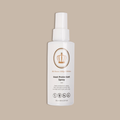
If you want glossy blonde, prep is the main event. Full stop.The difference between “wow, your hair looks expensive” and “why does my blonde feel tired today” almost always comes down to what you did before the heat touched it.Hair that goes straight from towel-dry to flat iron rarely behaves. It falls flat. It frizzes. It loses shine by lunchtime. Hair that’s prepped properly moves, reflects light, and holds its shape without feeling stiff or overdone.And platinum hair? She needs this step more than anyone.Start with gentle detangling. Blonde strands are more fragile and more prone to snapping, especially at the mid-lengths and ends. Ripping a brush through knots creates micro-breakage you won’t notice right away, but you will see it later when your ends start thinning and your layers stop looking full.This is why the TYME Detangling Brush is such a quiet hero. It glides through delicate hair without tugging, helps distribute natural oils from root to tip, and makes your hair feel smoother before you even plug anything in. It turns brushing from damage control into an actual care step.Then comes heat protection. This part is not optional. Ever.A few spritzes of the Lauren Ashtyn Collection Heat Protectant Moisture Hydrate Spray creates a lightweight shield around each strand, helping your hair retain moisture and resist the stress of heat styling. It also adds softness and slip, which means your flat iron glides more easily and you need fewer passes. Fewer passes equal less damage. Always.This step is insurance for your blonde.Your prep routine should give your hair:
A moisture buffer before heat hits.
Protection against excessive temperature exposure.
Better slip for smoother styling.
Extra softness and shine without weight.
Improved longevity for your finished look.
Oh, and if your hair ever smells “toasty” after styling, that’s your blonde waving a red flag. That scent is heat damage happening in real time. It usually means protection was skipped, rushed, or not applied evenly.The glow starts before the iron does. Treat prep like the power move it is, and your platinum blonde flat iron results will always look smoother, healthier, and more high-gloss.
Choosing the right flat iron for blonde hair
Blonde hair tells on bad tools. Quickly.Uneven plates and inconsistent heat force you to go over the same section again and again, and repeated passes are one of the biggest causes of blonde damage.When searching for the best flat iron for blonde hair, look for:
Smooth, high-quality plates that glide, not drag.
Adjustable temperature settings.
Even heat distribution.
A tool that styles efficiently, not aggressively.
The Tyme Iron Pro was made with this exact balance in mind. Titanium plates distribute heat evenly, the temperature range keeps blonde hair out of the danger zone, and the shape allows both sleek straight styles and soft, modern bends with one tool.
How to style platinum blonde hair with a flat iron (without frying it)
This is where most damage happens, and also where most shine is created. The way you use your iron matters just as much as the iron itself.First, temperature. More heat does not equal better results, especially for blonde hair.Set your iron between 300 to 350°F for fine to medium platinum. Thicker hair can go slightly higher, but blonde does not need extreme heat to respond. High temperatures break down the structure of lightened hair faster, which is why platinum that’s styled too hot often looks dry, even when it’s freshly conditioned.Work in clean, even sections. Small to medium sections allow the heat to pass through evenly, which gives you smoother results with fewer passes.Rushing with large chunks usually leads to:
Patchy smoothness that looks good in some spots and fuzzy in others.
Frizz sitting right at the mid-lengths.
Going over the same pieces again and again.
And that repeated exposure is where blonde hair quietly suffers.When you glide the iron, move slowly and steadily from root to ends. Let the plates do the work. Pressure should feel controlled, not crushing. If you hear sizzling, see steam, or feel resistance, stop and reassess. Your hair is telling you something.Now, about shape.Straight does not have to mean flat. For a polished, modern finish, slightly angle the iron and create a gentle bend at the ends. This adds movement and keeps the style from looking stiff.For soft waves, rotate your wrist as you move down the strand, keeping the motion fluid and relaxed. The less tension you use, the more natural the result looks. Over-twisting creates tight bends that can make blonde hair look dry and overworked.A TYME tip many stylists swear by: allow each section to cool before touching it. Cooling sets the shape and boosts shine. Brushing or styling while hot can stretch the hair and reduce longevity.These techniques help maintain structure without stressing the hair shaft, which is key for how to straighten blonde hair while preserving that luminous, high-gloss finish every platinum girlie wants.
Locking in the look without losing softness
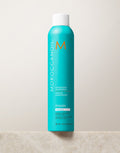
Platinum hair loves hold, but HATES heaviness.After styling, let the hair cool before touching it. Cooling sets the shape and adds longevity.Then mist lightly with Moroccan Oil Medium Hairspray to:
Control flyaways.
Add subtle shine.
Keep movement natural.
Protect against humidity.
Overloading blonde hair with product dulls the color and makes it look flat. Less product, better finish.
Common blonde mistakes we’ve all made
No judgment, babes. Platinum hair is a learning curve, and every single one of us has a few heat regrets.And it usually starts with impatience.The first pass doesn’t feel hot enough, so the temperature goes up. The hair looks smooth for the day, but a week later the ends feel drier. A month later, they start snapping. Heat damage rarely shows up immediately. It builds quietly, then suddenly your blonde feels tired all the time.Then there’s styling hair that’s not fully dry. Even slightly damp hair and heat tools are a dangerous mix. The moisture inside the strand heats and expands, weakening the hair from the inside.Running late and skipping heat protectant is another classic. We tell ourselves it’s “just this once,” but platinum hair remembers.Repeated passes? Also guilty. Going over the same section again and again stresses the cuticle and leads to dullness and breakage.And brushing aggressively while the hair is still hot stretches fragile blonde strands when they’re at their weakest.
TL;DR blonde edition
Don’t crank the heat higher than needed.
Never flat iron damp hair.
Always, ALWAYS use heat protectant.
Avoid multiple passes on the same section.
Let hair cool before brushing or styling.
These habits may feel small, but together they quietly weaken blonde hair over time.
Keeping your blonde healthy between heat days
Your hair does not need heat every day to look good. Platinum hair, especially, thrives when it gets regular breaks.Constant heat styling, even with the best tools, slowly depletes moisture and weakens the hair’s internal structure. Giving your blonde recovery days helps it stay soft, resilient, and shiny long-term.On non–flat iron days, lean into low-stress styles. Air-dried texture can look effortlessly cool with the right cut. Loose braids, relaxed waves, claw-clip twists, and soft updos keep your hair styled without adding extra heat exposure.Hydration should be a priority, not an afterthought. Blonde hair loses moisture faster, so conditioning treatments and nourishing products help maintain elasticity and reduce breakage.Regular trims matter more for platinum hair than most people realize. Removing dry, fragile ends prevents splits from traveling upward and keeps the hair looking fuller and healthier overall.And your ends? Treat them like silk, not denim. Be gentle when brushing, avoid rough towel-drying, and protect them from friction caused by tight elastics or aggressive styling.A well-cared-for blonde:
Holds styles better.
Reflects more light.
Feels softer to the touch.
Breaks less over time.
And honestly? It feels better. Your hair looks better. Your confidence shows it.
Your blonde era deserves better
Going platinum is a choice. A bold one. It takes time, money, and a whole lot of trust in the process. So it makes sense that your at-home styling should match that same level of care.A platinum blonde flat iron routine should feel intentional, not stressful. It’s about knowing when to go lighter with the heat, when to slow down, and when to let your hair breathe. It’s about working with your blonde, not pushing it past its limits.You don’t need to sacrifice shine for style, or health for polish. With smart prep, controlled heat, and tools that respect fragile hair, your blonde can stay soft, bright, and full of life.Your hair has already done the hard work to get this light. Now it’s your turn to protect it, enjoy it, and let it be the main character it was always meant to be.
Shop the TYME Iron Pro today
How to section hair for flat ironing like a pro
Section now, thank yourself later
Most of us have attempted the “wing it” approach to flat ironing—grab a random chunk of hair, clamp, pull, repeat, hope for the best. And honestly, it can work… if your hair is fine, short, or extremely obedient. But if your hair is thick, textured, curly, coarse, or just has a mind of its own, that A-to-B, clamp-and-pray technique usually leads to uneven sections, missed pieces, puffy roots, and a style that never quite reaches its sleek potential.Flat ironing seems like the simplest heat tool to master, especially compared to curling wands or round-brush blowouts, but the secret isn’t in the iron—it’s allll in the prep. Learning how to section your hair properly can transform the entire process. It speeds things up, reduces heat exposure, and helps every strand get evenly smoothed so your finished look lasts hours longer.A little strategy upfront makes a massive difference. With the right sectioning method, your flat iron glides more easily, your arms get less fatigued, and your hair looks like you actually intended the result—not like you ran out of time halfway through. Trust us on this one: invest a few extra minutes in prep, and your straightening routine becomes faster, cleaner, and noticeably sleeker.
Gather your supplies
Before you start parting your hair with the confidence of a seasoned stylist, it helps to have everything laid out in front of you. Flat ironing becomes infinitely smoother (and quicker) when you’re not pausing to hunt for clips or brushing knots out mid-pass.
You will need:
A heat protectant spray or cream
A flat iron (ceramic or titanium—whichever you love)
A fine-tooth comb for smoothing and guiding sections
A paddle brush or detangling brush
Sectioning clips (four to six is ideal)
A hair tie or scrunchie for separating larger areas
A mirror with enough light to see your roots clearly
With your tools ready, you’re already halfway to a sleeker, more efficient straightening routine.
How to section hair for flat ironing
Sectioning isn’t just a neatness thing; it’s the secret to getting every strand smooth with the least amount of heat. Think of it as creating a roadmap for your flat iron so it doesn’t have to guess where it’s going. A little intentionality here sets you up for sleeker finishes and far less arm fatigue.
Start with clean, fully dry hair
Flat ironing works best on hair that’s clean, dry, and free of heavy product. If you straighten on oily or damp hair, the iron ends up fighting buildup instead of smoothing strands—which means more heat, more passes, and more potential damage. Wash and condition as normal, then make sure your hair is thoroughly dry. Blow-drying with a paddle brush beforehand will already begin flattening the cuticle, giving you a smoother foundation before the flat iron even comes out.
Apply your heat protectant intentionally
Heat protectant isn’t something you mist in the general direction of your head; you want even distribution from roots to ends. Work section by section with your hands or a comb, making sure the product coats the hair without soaking it. This helps the flat iron glide, shields your strands from unnecessary heat stress, and keeps your final result shiny instead of crunchy.
Detangle to set yourself up for smooth passes
Combing through the hair before you start sectioning might feel like an obvious step, but it makes all the difference. Detangled hair allows the flat iron to move without catching or dragging. A paddle brush works for most hair types; for tighter curls or coarser textures, a wide-tooth comb is kinder and prevents breakage.
Create your base sectioning: top up, bottom down
Start by dividing your hair horizontally from ear to ear. Clip the top half out of the way so the lower section is free. Working from the bottom up ensures you don’t miss pieces and helps you manage volume more easily. If your hair is thick or curly, you may want to divide this lower half into two smaller sections so the iron can reach the roots more effectively.
Work in small, manageable slices
Within each main section, take thin slices of hair—roughly the width of your flat iron plate. The key is consistency: too much hair in a slice prevents the heat from reaching every strand, leaving the underside wavy or frizzy. Too little hair slows you down unnecessarily. Aim for a slice that feels light in your fingers but still substantial enough to hold steady with your comb.
Use the chase method for smoother results
For a sleek, glassy finish, lead each section with a fine-tooth comb. This “chase method” aligns the hair before the iron passes over it, creating straighter, shinier results in a single pass. Gently clamp the flat iron behind the comb and move both together from root to tip in one fluid motion.
Repeat the process as you move upward
Once the bottom layer is complete, release another portion of hair from the top section and continue upward. The goal is to maintain the same slice width and pass technique throughout your entire routine so the final finish looks cohesive, not like multiple textures competing against each other.
Polish the front and hairline last
These areas show the most, so take your time. Smaller slices often help here—especially along the hairline, where strands are finer and more prone to bending in odd directions. A light wrist flick at the ends will help keep the style soft and natural rather than pin-straight.
Finishing touches
Once everything is straightened, let your hair cool for a moment before adding any finishing serum or spray. This helps the style set and prevents flattening the movement you just created. A quick comb-through at the end ensures all sections blend seamlessly.
Mastering your sectioning routine isn’t complicated—it just requires intention. Once you get the hang of it, flat ironing becomes faster and more predictable, giving you a polished finish that lasts long after you put the iron down.
Common sectioning mistakes
Even the best flat iron can only do so much if your sections are working against you. One of the most common mistakes is taking sections that are simply too thick. When the iron can’t reach every strand evenly, you end up with straight ends but puffy roots—or the opposite. The fix is simple: lighten your grip and take slices your flat iron plate can comfortably cover.Another easy-to-miss mistake is not getting close enough to the root. When you start too far down, the top of the hair never fully smooths, which makes the whole style look less sleek. Gently guiding the comb right up to the root (without burning yourself!) helps the iron follow cleanly.People also tend to forget the underlayers—the sections closest to the neck that make a huge difference to overall polish. And lastly, going too fast or using too much product creates drag and buildup, making sectioning harder over time. Slow down, lighten the product load, and let each pass actually do its work. Small adjustments make a big difference.
How sectioning differs for different hair types
Not all hair behaves the same, which means your sectioning strategy shouldn’t either. If your hair is thick or dense, smaller, more controlled slices are essential. Working in compact sections ensures the heat reaches every strand instead of just the surface layer. You’ll likely need slightly higher heat—not extreme, just enough to avoid repeated passes—and a methodical bottom-up approach keeps everything smooth and manageable.
Curly or textured hair
For curly or textured hair, tension is everything. A fine-tooth comb paired with the flat iron (the chase method) stretches the curl pattern and aligns the strands before the heat sets them in place. This prevents puffiness at the roots and leaves a smoother finish. Your sections should be narrower to ensure the iron fully engages the curl from root to end.
Fine or delicate hair
Meanwhile, fine or delicate hair benefits from fewer, slightly larger sections and lower heat. Because fine hair straightens easily, your main goal is avoiding overexposure. Quick, controlled passes keep the hair sleek without flattening it to the point of losing movement.
Work with your hair type, not against it.
Now you’re ready to straighten with intention
Mastering how to section your hair isn’t about adding extra steps; it’s about making every step that follows easier, faster, and more effective. Once you learn to prep intentionally and work in clean, consistent sections, flat ironing becomes less of a chore and more of a controlled, confident routine. The results speak for themselves: smoother strands, fewer passes, less heat exposure, and a finish that actually lasts.And of course, technique shines brightest when paired with a tool designed to support it. If you’re looking to elevate your styling even further, TYME offers some of the most thoughtfully engineered tools in the game. The TYME Iron Pro in particular is a standout for anyone who wants versatility—a single tool that can straighten, curl, wave, and smooth with minimal effort. Its unique shape and precision plates work beautifully with good sectioning, helping you glide from root to tip with less tension and more control.
How to clean a flat iron with ceramic plates safely
The secret to sleeker styling? A cleaner iron
There’s a universal truth in the beauty world: we’ll spend hours perfecting a blowout, researching the best heat protectant, or debating ceramic vs. titanium—yet somehow forget that our flat irons need actual cleaning. It’s like owning a luxury car and never washing the windshield.The ceramic plates on a flat iron are designed to glide, smooth, and shine, but when they’re coated in product residue, old heat protectant, or whatever your hair endured this week, they can’t perform the way they’re meant to. Worse, a dirty flat iron can literally press oils and bacteria back into your freshly washed hair. Not exactly the sleek finish you were going for…Consider cleaning your flat iron as protecting your investment—the better you care for it, the longer it lasts and the better your styling results. And honestly? Your hair deserves more than being sealed under a layer of yesterday’s dry shampoo.
What are ceramic flat irons?
Ceramic flat irons are styling tools built with plates coated in (or fully made from) ceramic, a material known for heating evenly and distributing warmth gently across the hair. Unlike older metal plates that create hot spots, ceramic plates maintain a consistent temperature, which helps reduce snagging, overheating, and unnecessary damage. They’re especially popular among people who style frequently or who want a smoother finish without cranking the heat all the way up.One of the biggest advantages of ceramic is how it interacts with the hair’s cuticle. The material emits negative ions, which help seal the cuticle, reduce frizz, and create that soft, glossy look ceramic irons are known for. They also glide more easily down the hair shaft, making styling quicker and more predictable—a major bonus if you’re trying to straighten your hair before work or touch up curls before a night out.
Titanium vs ceramic flat iron
Titanium and ceramic are two of the most common materials used in flat iron plates—and while they look similar, they behave very differently. Titanium plates heat up fast and get very hot, which makes them ideal for coarse, curly, or resistant hair that needs higher temperatures to smooth. They’re powerful, lightweight, and great for experienced stylists or anyone who wants salon-speed results.Ceramic plates, on the other hand, heat more gently and evenly, making them better for fine, delicate, or damaged hair—or simply for people who prefer a controlled, predictable finish. If titanium is the high-performance sports car, ceramic is the reliable luxury sedan: smooth, steady, and far less likely to fry your ends.
Why flat irons get dirty faster than you think
Even if you’re not drowning your hair in product, flat irons collect buildup far more quickly than most people realize. Every time you straighten your strands, you’re transferring heat protectant, natural oils, microscopic dust, and whatever your hair picked up during the day directly onto the ceramic plates. Then, the next time you turn the iron on, all that residue reheats and hardens like a thin varnish. Over time, this coating makes the plates less efficient, which means you instinctively start increasing the temperature or adding more passes—both of which stress your hair unnecessarily.Understanding why the buildup happens makes cleaning feel less like a chore and more like a preventative ritual. Your straightener shouldn’t be storing a catalog of past hairstyles. Keeping the plates fresh helps your tool perform the way it was engineered to and keeps your hair looking its absolute best with every pass.
How to clean a flat iron with ceramic plates
Keeping your ceramic flat iron clean isn’t just a nice-to-do—it directly impacts how your hair looks, feels, and responds to styling. Clean plates glide effortlessly. Dirty plates drag, snag, and essentially bake old product deeper into your strands. The good news? Cleaning a ceramic flat iron isn’t complicated, it just requires the right approach and a little consistency.
Let the tool cool (but not completely)
The perfect time to clean a ceramic flat iron is when it’s warm—not hot, not cold, but that in-between stage where residue softens without risking burned fingers. Turn your flat iron off, unplug it, and give it a few minutes to cool until it’s comfortable to touch. Ceramic plates respond better to this gentle heat, which helps loosen buildup without requiring intense scrubbing.
Use the right cleaning cloth
A microfiber cloth works best because it won’t scratch the plate coating. Cotton is fine in a pinch, but avoid paper towels altogether — they shred, leave lint behind, and can dull the smooth ceramic finish over time. A soft cloth allows you to get into corners and edges where residue often hides, especially around the hinge and along the outer rim of the plates.
Choose a safe cleaning solution
Ceramic plates don’t mix well with harsh chemicals. Avoid acetone, abrasive cleaners, bleach, or anything designed for kitchen appliances. Instead, lightly dampen your cloth with either warm water or a small amount of rubbing alcohol. Alcohol is particularly effective because it evaporates quickly and breaks down stubborn residue without harming the ceramic coating. If your flat iron has a high-gloss finish around the plates, keep solutions away from the outer casing to avoid streaking.
Gently wipe the plates
With the plates still warm, glide your cloth slowly from base to tip, applying light pressure. You’re not trying to “scrub” as much as you’re melting and lifting residue. If you notice product buildup along the edges, pinch the cloth and run it carefully down the ridge. Avoid using anything sharp—no fingernails, no metal tools, no scraping—as these can scratch the ceramic and affect how evenly the iron heats.If you come across stubborn spots, hold the warm, damp cloth against the residue for a few seconds before wiping again. The heat and moisture combination helps soften the product so it releases more easily.
Clean the exterior too
While the plates are the main focus, the rest of the flat iron deserves attention. Grip surfaces, buttons, and the outer casing naturally collect oils from your hands and any styling products that mist into the air. A quick wipe-down keeps the tool cleaner overall and prevents buildup from migrating back onto the plates in future uses.
Give it time to dry
Even though alcohol evaporates quickly, give your flat iron a few minutes to fully air dry before plugging it back in. Ceramic plates don’t like moisture trapped against them, and styling with damp plates can affect performance. Once dry, lock your flat iron (if your model has that feature) and store it somewhere cool, dry, and safe from tangled cords or dropped tools.
Make cleaning a regular habit
You don’t need to deep-clean your flat iron every day, but a quick wipe after every few uses keeps buildup from accumulating. If you use heat protectants, oils, or smoothing creams regularly, you may notice residue faster and will benefit from more frequent maintenance. The cleaner your plates, the fewer passes you’ll need—which is ultimately kinder to your hair.A clean ceramic flat iron doesn’t just look better; it performs better, styles more smoothly, and protects your hair from unnecessary damage. Consider it the simplest upgrade you can make to every future styling session.
Great hair starts with great tools
Great hair days don’t just happen—they’re a result of the tools and habits that support them. Keeping your ceramic flat iron clean is one of those simple, often overlooked steps that completely change the way your hair responds to heat. Clean plates glide more easily, require fewer passes, and leave your strands smoother and shinier. It’s the kind of maintenance that pays you back every time you switch on your tool.And once you get into the rhythm of caring for your flat iron properly, it becomes much easier to appreciate the difference a well-designed tool makes. If you’re ready to upgrade your styling routine with a titanium flat iron that works smarter, not harder, explore the TYME Iron Pro. Its unique design, dual-styling capability, and salon-worthy finish make it a standout choice for anyone who wants polished, modern hair without complicated steps. Just remember to keep it clean, of course!
Cordless straightener travel tips for on-the-go styling
Stay polished from check-in to touchdown
There’s a very specific type of chaos that happens the night before a trip: the “do I really need this?” suitcase negotiation. You want to look cute in every airport bathroom mirror, but you also want to avoid remortgaging your house to pay for an overweight bag. And then there’s the international adapter situation—because nothing says vacation panic like realizing your straighteners are basically just an ornament when you’re away.Enter cordless straighteners: the tiny, mighty travel heroes saving us from frizz, fried ends, and questionable hotel hairdryers. They slip into your carry-on, don’t require plug-in drama, and let you touch up your hair literally anywhere—taxis, terminals, beachside toilets, you name it.If you’re trying to pack lighter without sacrificing your usual level of put-together-ness, going cord-free is the smartest move you can make. Your future jet-lagged self will thank you!
Meet the flat iron that doesn’t need a wall
A cordless straightener is exactly what it sounds like: a flat iron that works without needing to be plugged into a wall. Instead of relying on a constant power source, these tools run on rechargeable batteries (usually lithium-ion), giving you the freedom to style your hair wherever you are.Most cordless models heat up just as quickly as traditional straighteners and come with the same technology you’d expect from full-size irons: ceramic or titanium plates, smart heat sensors, multiple temperature settings, and even travel-friendly safety locks. The big difference? Portability.Cordless straighteners are designed for movement—whether that’s touching up your bangs in the back of an Uber, smoothing frizz before a beach dinner, or fixing a rogue curl while you’re waiting for your gate to open. They’re compact, flight-friendly (when turned off and packed properly), and incredibly convenient for people whose schedules or suitcases don’t leave room for bulky tools.In short, a cordless straightener is your on-the-go styling solution: the same sleek results you get at home, just wrapped in a smaller, more flexible, travel-ready package.
The case for ditching the cord forever
Traveling with hair tools used to mean adapters, outlet roulette, and hoping your straightener wouldn’t blow a fuse in a foreign bathroom. Cordless travel hair straighteners eliminate all of that—and bring a whole new level of ease to your routine.
Here are the biggest perks:
True portability: Style your hair anywhere—airports, taxis, hotel lobbies, you name it.
No adapters needed: Cordless means no worrying about international plug shapes or voltage compatibility.
Light and compact: Perfect for carry-ons, weekend bags, or even daily handbags.
Fast heat-up times: Modern cordless straighteners reach temperature quickly, so you can touch up on tight schedules.
Versatility: Smooth, curl, wave—the plates work just like full-size irons.
Safe to travel with: Most models include heat-resistant caps, plate locks, or auto shut-off for peace of mind.
Ideal for quick fixes: Great for humidity frizz, post-nap dents, or last-minute outfit changes.
Cordless straighteners give you styling freedom you didn’t realize you were missing. If you’re a frequent traveler—or just someone who thrives on convenience—they’re the perfect upgrade for your hair routine.
The best cordless straighteners to have on your radar
With so many cordless tools hitting the market, knowing where to start can feel overwhelming. The good news is, a few standouts consistently deliver salon-level results in a travel-friendly package. No matter if you're loyal to luxury tech, prefer effortless and intuitive tools, or want a compact option that won’t crowd your carry-on, these cordless straighteners are the ones worth knowing about before your next trip.
Dyson Corrale™ Cord-Free Hair Straighteners
The Dyson Corrale™ is the cordless straightener for people who want maximum performance with minimal effort. Its signature flexing copper plates gather hair evenly, meaning fewer passes and less heat damage; a major win when you’re styling on the go. It reaches high heat quickly, recharges fast, and offers up to 30 minutes of cord-free use, which is more than enough for touch-ups or full styling if you're quick. As with everything Dyson, it looks and feels like a premium gadget, making it especially appealing for travelers who expect their tech to work hard and look chic doing it.
BaByliss 9000 Cordless Straightener
The BaByliss 9000 is a fan favorite for a reason: it’s lightweight, sleek, and delivers powerful performance without the bulk. Unlike many travel tools, it doesn’t compromise on heat—its Micro Heating Matrix ensures consistent temperature across the plates, giving smooth, shiny results in just a few passes. It heats up in seconds and locks into a compact shape for travel, making it one of the most practical cordless options out there. If you want a tool that feels effortless, fast, and reliable, the BaByliss 9000 is the kind of straightener you’ll reach for even when you're not traveling.
GHD Unplugged Cordless Hair Straightener
GHD’s Unplugged is all about convenience without sacrificing their signature “good hair day” finish. Designed to be truly portable, it’s small enough to slip into a handbag and powerful enough to deliver that smooth, glossy GHD finish on the fly. It charges via USB-C, which is a lifesaver when traveling, and maintains a consistent 365°F—the brand’s optimal styling temperature—throughout use. If you’re a longtime GHD loyalist, this cordless version will feel instantly familiar. Think of it as your everyday straightener, just in a travel-sized body that finally keeps up with your jet-setter schedule.
Jose Eber HST Cordless Hair Straightener
The Jose Eber HST cordless straightener is an underrated gem: compact, efficient, and ideal for quick styling on the go. It features ceramic plates that glide smoothly and evenly, making it perfect for touch-ups or taming post-flight frizz. With multiple heat settings and a surprisingly long battery life for its size, it’s a great option for travelers who want something practical and budget-friendly without sacrificing performance. The brand is known for user-friendly tools, and this one is no exception. If you want a fuss-free straightener that won’t weigh down your luggage, this is a foolproof choice.
6 cordless straightener travel tips
Travel styling doesn’t need to feel like a high-stakes operation. With a cordless straightener in your bag, you’ve already won half the battle—the rest is just knowing how to use it smartly. From battery hacks to packing strategies to the styling tricks that save time (and sanity) in tiny hotel bathrooms, these tips will help you get the most out of your cord-free tool wherever you’re headed.
1. Charge before you fly
Airports are chaotic, and reliable outlets are rare. Fully charge your straightener the night before and—if your device allows it—top it up with a USB-C cable at the airport. Just remember: most airlines require lithium batteries to stay in carry-on luggage, not checked bags.
2. Pack heat-safe and space-smart
Use a heat-resistant travel pouch so you can pack your straightener even if it’s still warm. Bonus: the pouch doubles as a styling mat in cramped hotel bathrooms, keeping your tool off questionable surfaces. Choose a slim case to save suitcase space for, you know, actual outfits.
3. Know your runtime (and use it strategically)
Cordless straighteners don’t offer endless battery life, so plan your styling in “sessions.” Straighten the top layer, smooth flyaways, or define curls—quick, intentional touch-ups instead of long, full styling routines. Perfect for early flights or last-minute dinner plans.
4. Master the art of the airport touch-up
Cordless tools shine in transitional moments: pre-boarding bathroom mirror, post-nap smoothing, or humid-airport-frizz emergencies. A quick pass over your bangs or front pieces can instantly elevate your whole look without hogging the hotel outlet your travel buddy desperately needs.
5. Go easy on the products
Heavy serums and sprays can drain battery efficiency faster because your plates have to work harder. Travel light with your products too—a mini heat protectant mist is plenty. Let your straightener do the heavy lifting.
6. Let it cool before re-packing
Even cordless tools need a cooling moment before being sealed away. Most travel pouches are heat-safe, but letting your plates cool slightly helps protect the battery and prolongs the life of your tool.
Ready for takeoff (and touch-ups)
Whether you’re a frequent flyer or a once-a-year vacationer, a cordless straightener is one of the easiest upgrades you can make to your travel routine. No adapters, no outlet scavenger hunts, no styling compromises—just smooth, glossy hair whenever and wherever you need it. With the right tool in your carry-on and a few smart tricks up your sleeve, good hair days become just as dependable as your departure time (well… almost).If you’re ready to venture deeper into styling tips, product guides, and everything you need for your best hair yet, explore more on the LifeTYME blog.
Flat iron volume hacks for fine hair
Because fine hair deserves drama too
Fine hair has a reputation it really needs to retire. Yes, it can fall flat. Yes, it sometimes loses volume before lunch. But it also styles faster than most hair types, responds beautifully to heat, and can hold shape incredibly well—when you stop trying to force it into someone else’s routine.The flat iron gets blamed a lot in the fine-hair world. Too sleek. Too flat. Too “why does my hair look glued to my head.” But that’s not the tool—that’s the technique. Used with intention, a flat iron is one of the most underrated ways to create lift, movement, and long-lasting body in fine hair without piling on product or frying your ends.Volume isn’t about cranking the heat or teasing your roots into submission. It’s about where you bend, how you release, and knowing when to leave things slightly imperfect. If your hair looks polished but lifeless, or your roots refuse to stay lifted past noon, these flat iron volume hacks for fine hair are about to change the way you style—completely.
Why fine hair struggles to hold volume
Fine hair isn’t fragile, it’s lightweight. Each strand has a smaller diameter, which means it heats quickly, cools quickly, and relaxes fast. That’s not a flaw, it’s just physics.When fine hair is freshly washed, overly conditioned, or styled too smoothly, there’s nothing for volume to anchor to. The hair sits close to the scalp because it hasn’t been given any reason to stay lifted.Flat irons can make this worse when they’re used like they would be on thicker hair. Long, slow passes. Heavy pressure. Straight-down motion from root to end. That technique presses the hair flat, seals the cuticle too perfectly, and removes all the texture that helps volume last. It looks sleek for a moment, then collapses as soon as you move.Volume-friendly flat iron styling works differently. It creates lift at the root without flattening it. It adds bend through the mid-lengths instead of polishing them straight. And it leaves a little bit of imperfection behind so the hair doesn’t immediately fall back into place.That’s the shift—stop trying to make fine hair perfectly smooth, and start giving it structure it can actually hold.
Prep is where volume actually starts
Volume doesn’t begin when the iron heats up. It starts before you even plug it in.Fine hair needs a base that’s light but not slippery. That balance is everything. Too clean and the hair won’t hold. Too coated and it collapses under its own weight.Start with a lightweight heat protectant that shields without smoothing the hair flat. You want protection, but you also want grip. Apply it evenly and avoid saturating the roots. Let the hair fully dry before styling. Flat irons and damp hair never mix well, especially for volume.If your hair feels overly soft, a small amount of dry texture at the roots can help. This isn’t about making hair dirty. It’s about giving it something to work with.
The root lift trick that changes everything
One of the simplest flat iron volume hacks for fine hair happens right at the scalp.Instead of clamping and pulling straight down, place the flat iron at the root and gently angle it upward before moving through the section. You’re not curling. You’re nudging the hair away from the head. That subtle lift creates space at the root that doesn’t disappear once the hair cools.Work in smaller sections around the crown and hairline. These areas frame the face and control how full the style looks overall. A little lift here does more than volume anywhere else.Let the hair cool before touching it. Cooling is what locks the shape in place.
Bend, don’t flatten, the mid-lengths
Fine hair falls flat fastest when it’s styled straight through the mid-lengths. This is where volume quietly disappears.Instead of smoothing these sections flat, introduce slight bends. Clamp the iron, rotate your wrist just a quarter turn, and glide slowly. Alternate directions as you move around the head. The goal isn’t waves. It’s movement.These micro-bends create structure that keeps hair from collapsing into one flat sheet. They also make styles look fuller without adding bulk or heaviness.Leave the ends slightly straighter. That contrast keeps the style modern and prevents it from looking overdone.
Why smaller sections equal bigger hair
It sounds backwards, but smaller sections create more volume on fine hair.Large sections heat unevenly and require more passes, which over-smooths the hair. Smaller sections heat quickly, respond faster, and hold shape longer with less manipulation.This also gives you more control over where volume sits. You can build lift at the crown, softness around the face, and movement through the lengths without flattening everything else in the process.Take your time here. Rushing is what leads to dropped styles later.
The cool-down rule fine hair can’t skip
Heat shapes the hair. Cooling sets it.Fine hair needs that setting time more than any other texture. Touching, brushing, or flipping hair before it cools pulls volume right back out.Once a section is styled, let it fall naturally and move on. If you want extra lift, gently clip sections at the root and let them cool that way. You don’t need to do your whole head. Even a few strategic clips at the crown make a noticeable difference.This step feels optional. It isn’t.
Flat iron styles that give fine hair instant fullness
Certain styles work especially well for fine hair because they rely on shape rather than density.Soft bends through the mid-lengths add width without weight. Slightly flipped ends lift the perimeter of the haircut, making hair look fuller instantly. Loose, irregular waves break up flatness and create movement that lasts longer than perfectly uniform curls.Even sleek styles benefit from internal structure. A straight look with subtle root lift and bent mid-lengths will always outlast hair that’s been ironed flat from scalp to ends.The goal is never perfection, it’s dimension.
Finishing without killing the volume
This is where most good volume quietly dies. Not during styling—but right at the end, when heavy hands and heavier products step in.Fine hair needs a light touch to stay lifted. The goal is movement that feels natural, not hair that’s been shellacked into place. Keep any finishing products focused on the mid-lengths and ends, where definition actually matters. The roots should stay airy, flexible, and free to move.STEP AWAY from brushes at this stage. Fingers are your best tool here—they separate without flattening and let the shape stay intentional instead of overworked. If something needs adjusting, lift and release rather than smoothing down.When it comes to hold, less really is more. A soft mist from a distance gives support without stiffness. Let it fall, let it dry, then assess. Layering too much too fast turns bounce into buildup, and fine hair never wins that fight.The best volume doesn’t feel crunchy or forced. It feels touchable, effortless, and like you didn’t have to babysit it all day. Volume lasts longer when hair still feels like hair, so use that as your MANTRA, girl.
Why flat irons work when you stop fighting fine hair
Flat iron volume hacks for fine hair aren’t about forcing hair to do something it doesn’t want to do. They’re about understanding how fine hair behaves and working with it instead of against it.When you stop over-smoothing, stop overloading product, and start styling with intention, volume becomes easier. Faster. More predictable.So, the tea? The flat iron isn’t flattening your hair. The technique is.Once you shift that, *everything* changes. We promise.