Blog
Blog
How to blend flat-iron curls for the softest finish ever
Because unblended curls aren’t cute, girlie
There’s a moment every flat-iron user knows far too well. You finish curling your hair, flip the ends with confidence, run your fingers through a few pieces… and suddenly the curls separate into stiff little spirals that look nothing like the soft, blended waves you had in mind. Some are too tight. Some fall flat. Some take on a strange direction no one requested. It’s the kind of result that makes you question everything.Here’s the honest truth most tutorials skip. Curling is the easy part (cry). Blending is the magic. Blending is the reason some people walk out of their bathroom looking like they have a professional blowout, while the rest of us are stuck with curls that sit awkwardly apart like they need assigned seating. When flat iron curls aren’t blended properly, they lose movement, lose shape and lose that effortless, modern finish everyone is after right now.And the world has officially entered its texture era. Soft waves. Airy bends. Light bounce. That perfectly undone, lived-in look. It’s everywhere—from red carpets to quiet luxury hair on TikTok—and every version of it comes down to one thing: blending.This is where the TYME Iron Pro shines. Its plate design and glide create curls that naturally fall into shape, which makes blending smoother and quicker. With the right technique, your curls won’t just look curled—they’ll look cohesive and impossibly soft.Now, if you’re ready to master how to blend curls made with a flat iron and finally get the fluid, cool-girl waves that move as one, you’re in the right place. Let’s get your curl routine upgraded.
Why blending matters more than curling
There is a reason two people can use the exact same flat iron and walk away with completely different results. One gets smooth, cohesive waves. The other gets stiff little spirals that refuse to connect with anything. The tool isn’t the issue. The curling isn’t the issue. The missing step is blending.Flat iron curls come with their own personality:
A sharper bend at the twist
A sleeker, glossier finish
Ends that naturally taper
A more structured curl pattern
Gorgeous, but only when they flow.When curls sit in separate pieces, the whole style loses its impact. It can look overly done, overly curled or overly sectioned.Blending is what changes everything. It:
Softens the curl pattern
Connects each section so waves move as one
Adds that loose, sweeping finish
Removes the harsh, separated look
Creates that modern, airy movement everyone wants
This is the step that takes curls from styled to effortless.From placed to natural.From okay to expensive.Once you understand how to blend curls made with a flat iron, the entire look transforms. Your curls stop fighting each other and start working together. They fall into shape, move with your hair and give a finish that feels intentional without ever looking overworked.
Prep is the secret to effortless blending
Most people focus on the curling technique and skip straight past the prep, but prep is the quiet powerhouse behind every soft, blended wave. If the hair isn’t primed properly, curls cling together, hold odd bends or fall flat before you even make it to the blending stage.Great blending starts long before the flat iron touches your hair.
Start with clean, lightweight moisture
Heavy products lock the hair together. Lightweight formulas keep movement alive.
Choose hydrating but airy leave-ins
Avoid anything overly oily
Keep products mid-length to ends for even slip
This creates a smooth canvas that responds beautifully to blending.
Protect the hair without weighing it down
A dense heat protectant can sabotage your blend before you even begin. Go for a micro-fine mist that shields the hair without creating stickiness.
Lightweight protectants are perfect here
Aim for full coverage without saturation
Keep roots minimal to avoid clumping
The goal is protection with zero heaviness.
Even texture equals even curls
Before curling, smooth the hair so every section behaves consistently. Uneven texture causes uneven curls, and uneven curls refuse to blend.Try this quick reset:
Brush through from roots to ends
Detangle fully
Add a touch of smoothing serum only if needed
Flat iron curls sit best when the hair has slip, shine, and balance.This prep routine sets the tone for everything that comes next. Once the hair is hydrated, even and lightweight, blending stops being a struggle and starts feeling like a natural part of the process.
Why the TYME Iron Pro levels up your curl blend
Not all flat irons create curls the same way. Some leave dents. Some snag. Some create tight, uncooperative spirals that refuse to blend no matter how many times you rake your fingers through them. The TYME Iron Pro was designed differently, and that difference shows up instantly when it is time to blend.Here is why TYME girlies have an easier time achieving that PERF-ect finish.
The angled plates do half the shaping for you
The unique plate design creates a smoother, more natural twist. Instead of a harsh bend, you get a soft curve that blends into the next section without effort.
The glide is unbelievably smooth
No grip. No drag. No awkward tugging.A clean glide equals curling that feels fluid and blending that feels easy.
The temperature stays consistent
Flat iron curls only blend well when each section has the same heat exposure. The TYME Iron Pro maintains even heat from root to ends, which means the curls behave consistently.
The built-in curve creates better movement
You are not fighting the tool to make the curl fall correctly. The shape of the iron encourages movement, and movement is what makes blending possible.
Better curls from the start
You can blend flat iron curls from any tool, but starting with curls that already have the right structure makes everything easier.
Explore TYME Irons here
Once your tool is working with you and not against you, everything after this point becomes significantly easier.
The curling technique that makes everything easier
Before blending even enters the conversation, the curl needs the right foundation. Flat iron curls behave differently than wand curls, so the technique has to support softness and movement from the start. If the curl is too tight, too bent or too heavy at the ends, blending becomes ten times harder.These are the modern rules for creating curls that practically blend themselves.
Work in vertical sections
Vertical sections encourage movement rather than stacking curls on top of each other. They create waves that fall into one another instead of sitting like rings around the head.
Vertical for softness
Horizontal for tighter, structured curls
Diagonal for glam volume
For a blended finish, vertical always wins.
Alternate the direction of each curl
This is the secret behind waves that look natural rather than uniform. Alternating directions creates texture, depth and dimension, which makes blending quick and effortless.
One curl away from the face
Next, curl toward the face
Repeat around the head
This prevents the curls from grouping into one big twist.
Keep the ends slightly relaxed
Flat iron curls look most expensive when the ends have a gentle, effortless finish. Letting the ends glide out creates a modern taper that blends beautifully.
Release the last inch or two
No tight ends
No crunchy spirals
This is the move that adds softness.
Glide smoothly from roots to ends
The curl should be created by the rotation of your wrist and the motion of the tool, not by clamping too tightly. A smooth glide prevents harsh bends and makes blending almost automatic.
Light tension
Consistent motion
No stopping halfway down
Allow the curls to cool before touching
Warm curls are fragile and will distort as soon as you run your hands through them. Cool curls hold their shape while still softening beautifully during blending.
Curl
Cool
Then blend
This single step fixes half of blending problems.Now that your curl pattern is set up for success, we can move on to the techniques that give flat iron curls that soft, expensive finish.
The blending techniques that make flat-iron curls look expensive
This is the part that separates a simple curl from a FULL moment. Blending is where the shape softens, the movement appears and the hair starts to look intentional instead of overly curled. Think of this as the finishing touch that turns technique into taste.Here are the techniques that actually work in real life.
The under-finger rake
This is the quickest way to loosen flat-iron curls without turning them into frizz.
Slide your fingers underneath the hair
Gently rake from mid-lengths, not roots
Let the curls fall naturally as you lift your hand away
It keeps the definition but breaks up the stiffness, creating that soft, touchable finish that feels effortless.
The root lift shake
If your hair tends to collapse at the top or sit too flat, this move brings instant life back.
Place your fingertips at the roots
Shake lightly
Let the lengths cascade back into shape
This creates movement without disturbing the curl pattern. Perfect for that airy, bouncy finish.
The soft brush-out
This is how stylists turn flat-iron curls into those sweeping, almost blowout-like waves.Choose your tool:
Wide-tooth comb for loose, beachy texture
Paddle brush for smooth, brushed-out volume
Mixed-bristle brush for glossy, glam waves
Brush through with long strokes and gentle pressure. No quick, rough brushing—that is what causes puffiness.
The mid-length massage
This trick blends the body of the curl while keeping the ends polished.
Place your fingers at the center of the curl
Massage in small circular motions
Release and let the curl settle
It gives the waves a little more airiness without unravelling them completely.
The twist-and-drop
Ideal when your curls feel a bit too defined at the ends.
Twist a section loosely
Drop it while running your fingers through the release
Let gravity soften the shape
This technique turns freshly curled ends into a relaxed, editorial texture.
The small-section sweep
For curls that look too piecey or sectioned.
Take thin pieces randomly throughout the hair
Sweep them across the larger waves
Smooth lightly with your fingers
This adds movement and depth without changing the curl pattern.
Avoid these common mistakes
A few tiny shifts can make or break your blend.
Blending while the curls are still warm
Using heavy oils before brushing
Brushing too aggressively through the ends
Working in overly large sections
Over-touching curls until they lose shape
The last word on soft, blended curls
Flat-iron curls can either look chic or chaotic, and blending is the line between the two. No one has time for poodle curls, crunchy spirals or curls that sit like separate little characters. When you blend properly, you unlock the version of your hair that *actually* matches your mood boards.With smart prep, the right flat iron and a few intentional blending moves, your curls will always fall into that smooth, modern wave pattern that feels expensive and lived-in at the same time. It is the finish that looks good from the back, the front, in photos, in daylight and in that accidental reflection you catch walking past a window.Once you get your blend right, flat-iron curls stop being a gamble and start becoming your signature. Are you ready? Because we certainly are.
Shop the Tyme Iron Pro today
Your winter survival guide to the best heat protectant for wigs and extensions
Dry air, hot tools, icy wind—your wigs need a winter shield ASAP
If there were ever a season designed to sabotage a perfect wig install, it’s winter. The dry air? Rude. The icy wind? Chaotic. The indoor heating? Straight-up villain behavior. One minute your hair is giving smooth, silky, main—character energy… and the next it feels like a crunchy Christmas wreath that’s seen better days. And girlie, if you’re rocking extensions too? The struggle gets SO personal.Here’s the thing no one really tells you when you enter your wig and extension era: winter doesn’t just make your skin thirsty. It does the same to your hair—especially hair that didn’t grow from your scalp. Human hair wigs, synthetic wigs, clip-ins, toppers, sew-ins… they all lose moisture faster in cold weather. Add your TYME Iron or favorite hot tool into the mix and, bam, you’ve basically created the perfect storm for dullness, dryness, tangles, and that dreaded mid-length frizz.Which is exactly why finding the best heat protectant for wigs and extensions in 2026 isn’t just a nice-to-have. It’s the winter survival kit your hair deserves.Heat protectant isn’t simply a spray you mist before styling anymore. In 2026, formulations are smarter, lighter, and engineered with the kind of hydration tech wigs and extensions actually respond to. And let’s be honest, your human hair wig doesn’t need the same protection as your synthetic baby. Your 26-inch install doesn’t vibe with the same formula as your everyday clip-ins. Your winter hair routine needs strategy—AKA products that act like a warm cashmere coat for your strands.So, we’re breaking down everything you need to know. From the new-gen heat protectant ingredients to the wig-friendly formulas editors swear by, to the winter rules your stylist wishes you’d follow, and the number one product that’s changing the game for every wig babe right now.
Why heat protectant hits different for wigs in winter
Winter is basically the season of “let me test your patience, girlie,” especially when it comes to wigs and extensions. Your hair is already living its best life in a world where it doesn’t get the natural oils your scalp gives your bio hair. Then winter walks in like, “What if I made everything extra dry and unpredictable?” Cute.
The winter hair chaos is real
Here’s what your wig or extensions deal with the moment temps drop:
Cold outdoor air that pulls moisture right out of your strands
Dry indoor heating that makes hair brittle and static-prone
Constant temperature changes—outside freezing, inside Sahara
Holiday-season heat styling, which means even more damage risk
And because wigs and extensions don’t receive natural oils, they feel all of this way more intensely.
What actually happens to your hair
When moisture drops, flexibility drops. That’s when you start noticing:
Stiff mid-lengths
Random frizz that wasn’t invited
Static that has you looking like you rubbed a balloon on your hair
Tangling—especially with longer extensions
Winter is the toxic ex of every wig install: unpredictable, draining, and *always* showing up at the worst time.
Enter your winter MVP: heat protectant
This is where a heat protectant for wigs becomes more than a quick spritz before curling. It turns into a barrier—the glossy, invisible winter coat your hair needs.
A good protectant will:
Lock in moisture
Reduce breakage from heat styling
Add softness and slip (aka fewer tangles)
Defend against your hot tools and the dry winter air
And let’s speak truths, babe…
You’re using your hot tools more in winter.Holiday parties, date nights, office events, and every “my hair is flat from my scarf, let me fix this” moment.If you’re reaching for your TYME Iron, your hair needs to be protected—especially if you’re aiming to use the best heat protectant for wigs and extensions to survive winter without going dull or brittle.Winter is out here fighting your hair. And your heat protectant? She’s the friend who always throws the first punch back.
The non-negotiables for heat protectants
Heat protectants have had their glow-up, and in 2026 the bar is sky-high—especially for wigs and extensions. The formulas hitting shelves now are smarter, lighter, and built to survive winter dryness, static, and the “I’m styling my hair every 48 hours” era we’re all in.Here’s what actually matters when choosing a winter-proof heat protectant for wigs.
The ingredients that matter this year
A good 2026 formula should deliver a full vibe shift for your strands. Look for:
Real hydration power from humectants and vitamin blends
High-temp protection for human hair installs
Static control, because winter is obsessed with making hair float
Softer movement so wigs and extensions don’t stiffen up
Shine boosters that revive dull winter hair instantly
A light, clean finish that won’t weigh down long installs
These are the textures and finishes stylists are reaching for when winter air starts stealing moisture. It’s not about coating your hair. It’s about creating a flexible shield that moves with it.
Human hair wigs vs synthetic wigs
Both deserve attention, but they need different things to thrive.
Human hair wigs
Human hair responds beautifully to nutrient-rich formulas, especially in the colder months. What works best:
Hydration that lingers
Formulas with vitamins, polymers, or light botanical oils
Protection up to 400–450°F
A mist that spreads evenly without making hair limp
This is the zone where premium products really shine.
Synthetic wigs
Synthetic fibers live by different rules. They melt under high temps and hate heavy ingredients. They need:
Lower temperature styling
Lightweight, fast-drying protectants
Zero greasiness
Anti-static support (their winter enemy #1)
If human hair is the high-maintenance princess, synthetic is the minimalist girlie: simple, gentle, clean (but melts under pressure!).
What makes 2026 formulas better than ever
This year’s best products are engineered for wig wearers who style often. Expect:
Ultra-fine mists that fully coat long lengths
Anti-breakage support designed for repeated hot tool use
Winter-friendly moisture retention tech
Static-neutralizing complexes for scarf season
Silky finishes that don’t dull or crust on synthetic fibers
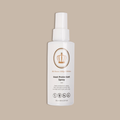
The editor’s #1 pick—The Lauren Ashtyn Moisture Hydrate Heat Protectant Spray
There are great heat protectants… and then there’s the one the wig and extension girlies keep in their handbags, bathroom drawers, glove compartments, and every travel case they own. The Lauren Ashtyn Moisture Hydrate Heat Protectant Spray has officially entered the chat and honestly? The hype is fully deserved.This spray wasn’t just made for polished blowouts or soft curls. It was created specifically for wigs, extensions, and toppers. Finally, a formula that understands the assignment.
Why it takes the top spot in 2026
The moment winter rolls around, this spray becomes non-negotiable. It hits every concern wig wearers battle this season:
Protects up to 450°F, perfect for TYME Irons and other hot tools
Lightweight finish that doesn’t leave wigs stringy or product-heavy
Moisture-boosting formula that keeps strands soft even on icy days
Shine enhancement without greasiness
Multivitamin blend for restoring life to dry, dull, older installs
Extension-safe, meaning no slipping, no build-up, no weird residues
While other sprays focus on natural hair first, this one was born to serve the wig and extension community. It’s basically the blueprint.
How it behaves on human hair wigs
Human hair wigs LOVE this spray—especially in winter. The formula wraps each strand in hydration, giving the hair that “fresh install” bounce while defending it from high heat.Expect:
Softer movement
Less breakage
Better curl longevity
Fewer winter tangles
This is the kind of product that revives a human hair wig that’s starting to feel tired.
How it behaves on synthetic wigs
Synthetic wigs are picky. One wrong move and the fibers clump, stiffen, or look shiny in a bad way. This spray avoids all of that by being:
Lightweight
Non-oily
Evenly dispersing
Static-taming
It gives synthetic fibers a smoother finish while helping them withstand low-temp styling without melting or frizzing up from winter dryness.
How to use it for the best results
Start with towel-dried hair
Spray it through the mid-lengths and ends (avoid roots on extensions)
Comb through to distribute
Blow dry or style with your favorite hot tool
The mist is ultra-fine, so a little goes a long way—but it covers every strand without leaving heavy patches.
The 2026 hot list—other heat protectants that wigs love
Our GOAT product might be the Lauren Ashtyn Moisture Hydrate Spray, but a good wig babe always keeps her options open. These are the formulas earning a place on editor desks, glam squads, and “must-pack” lists this winter.
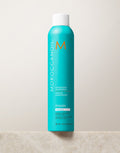
Moroccan Oil Perfect Defense
A classic for a reason. This weightless, argan-infused mist keeps strands smooth, shiny, and soft without leaving any oily residue. Wig girlies love it for calming winter static and bringing life back to dry mid-lengths. Perfect for sleek blowouts and soft curls.
Shop now
Bumble and Bumble Thermal Protection Mist
Light, airy, and always dependable. This mist protects while adding a subtle, healthy glow to wigs and extensions. It’s a favorite for fibers that frizz up the second cold air hits. The fresh scent is just icing on the cake.
Shop now
Kerastase Premiere Anti-Frizz Heat Protecting Serum
A full-on frizz fighter. This serum locks in moisture and shields wigs from humidity, icy wind, and winter dryness. If your hair tends to puff, fluff, or expand on contact with the outdoors, this serum keeps everything smooth and polished.
Shop now
Blockade Heat Defense Serum
Smooths, protects, and adds a soft, salon-level shine. It gives long wigs and extensions the slip they need to avoid knotting in winter coats and scarves. A great pick for girlies who heat style often.
Shop now
Why these picks made the list
These formulas all deliver the winter essentials:
Lightweight, wig-safe protection
Even coverage on long lengths
Anti-frizz support
No heavy oils that stiffen fibers
Shine without grease
They won’t replace your hero product, but they give you a lineup of winter-ready options depending on your hair’s styling routine.
Ready for your winter wig protection?
Winter might not be the friendliest season for wigs and extensions, but the right routine flips the whole script. With smart styling, the right tools, and a heat shield that *actually* delivers, your hair can stay glossy and protected from the holiday party rush straight through the icy months.The secret is choosing products built for the job (especially the ones engineered for wigs and extensions) because they make heat styling safer, add moisture back into every strand, and keep your look consistent no matter how chaotic the weather gets. So step into the season with confidence. Your wigs can stay silky. Your extensions can stay polished. And your heat tools? They can get to WORK, without doing the damage. AW25 doesn’t stand a chance.
Does tea tree shampoo help with dandruff?
A natural fix or just a tingly trend?
Tea tree shampoo has become a go-to for anyone dealing with flakes, itch, or irritation. It promises a natural cure, a refreshing tingle, and a cleaner scalp without harsh medicated ingredients. With shelves full of “clarifying,” “purifying,” and “anti-dandruff” tea tree formulas, it’s easy to assume it’s the simple fix we’ve been waiting for.
But scalp issues aren’t all the same. Dandruff can come from oily buildup, an overgrowth of yeast on the scalp, inflammation, or even the wrong products (not just dryness). That’s where the confusion starts. Some people swear that tea tree instantly relieves itch and flakes, while others don’t notice a difference at all.
So does tea tree shampoo help with dandruff, or are we just enjoying a tingly sensation that feels like it’s working? The truth is a little more nuanced, and answers depend on what’s actually causing your flakes in the first place.
If you’re dealing with oily roots, constant itching, snowy shoulders, or stubborn buildup, below we’re breaking down how tea tree works, who it helps, and when you might need something stronger than a refreshing shampoo.
Let’s start at the root: what causes dandruff?
When flakes start showing up on your shoulders, it’s easy to blame dryness—but that’s not usually the real cause. Most dandruff is linked to an overgrowth of yeast on the scalp called Malassezia, a microorganism that naturally lives on our skin. When it feeds on excess oil, it can irritate the scalp, disrupt its balance, and lead to itching, flaking, and inflammation. So while dandruff looks dry, it often comes from too much oil, not a lack of moisture.
Another common culprit is product buildup. Heavy oils, thick conditioners applied to the scalp, and styling products that aren’t washed out properly can trap excess oil and yeast close to the skin. This creates a perfect environment for flakes to form.
Then there are cases triggered by sensitive scalps, allergies, or inflammation. These can mimic dandruff, but they aren’t caused by the same fungal overgrowth and may require a different approach (like calming ingredients instead of clarifying).
The key misconception to clear up? Dry scalp ≠ dandruff. Dry scalp creates small, powder-like flakes without itch or redness, while dandruff tends to come with yellowish flakes, irritation, and oiliness. Because the causes differ, simply adding moisture won’t fix genuine dandruff, and ignoring the underlying imbalance just allows the issue to keep coming back.
Tea tree oil 101
Tea tree oil comes from the leaves of the Melaleuca alternifolia plant, a native Australian tree long used in traditional medicine for its cleansing and soothing properties. It’s gained popularity in modern haircare because it naturally targets many of the scalp issues associated with dandruff without needing harsh, medicated ingredients.
The big reason you’ll see it in cleansers and scalp formulas is its antimicrobial and antifungal powers. In simple terms, tea tree oil helps reduce the yeast linked to dandruff while also preventing buildup from oils and products that can make flakes worse. Instead of just washing away surface debris, it supports a cleaner, more balanced environment for the scalp. These tea tree benefits for hair are why so many “purifying” and “refreshing” shampoos highlight it as a star ingredient.
Another advantage is its ability to relieve itch and inflammation. Many people experience instant relief because tea tree creates a cooling effect on the skin, helping calm irritation—even before major improvements in flakes are visible. That’s one reason tea tree shampoos feel like they’re “working” right away, even if you need regular use to see a reduction in flaking.
One important note: tea tree oil is strong in its pure form and can easily irritate or burn the scalp if applied directly. That’s why it’s diluted in shampoo, conditioners, and scalp treatments—it delivers its benefits without overwhelming the skin. If using it at home, it should always be mixed into another product first to avoid irritation.
So… does tea tree shampoo help with dandruff?
The short answer: yes, tea tree shampoo can help reduce dandruff—but only when the flakes are caused by the most common triggers. If your scalp issues come from fungal overgrowth, excess oil, mild buildup, or irritation, tea tree shampoo can make a noticeable difference. It works by reducing the yeast that fuels dandruff, cleansing excess oils, and calming the itchiness that often comes with flakes.
However, results don’t happen overnight. Tea tree shampoo needs consistent use over several washes to rebalance the scalp. You may feel instant relief from itching because of its cooling sensation, but that doesn’t mean the dandruff has already cleared. This is where tea tree gets confused with a “miracle fix”—that refreshing tingle can create a placebo effect, making it feel like the product is working before it actually has time to do its job.
So does tea tree shampoo help with dandruff in every case? Not quite. If your flakes come from scalp psoriasis, eczema, contact dermatitis, or very stubborn fungal infections, tea tree alone usually isn’t enough. Those conditions may require medicated anti-dandruff shampoos with ingredients like ketoconazole, selenium sulfide, or zinc pyrithione. In these situations, tea tree shampoo can be a great maintenance option, but not the main treatment.
Pay attention to the concentration, too. Tea tree formulas in the 2–5% range tend to be the most effective. Anything too diluted may feel nice without offering real results, while heavily concentrated pure oils can irritate or burn the scalp.
Who should use tea tree shampoo?
Not everyone with flakes needs tea tree shampoo. It’s effective for certain scalp issues, and too harsh for others. Here’s how to tell if it’s the right choice for you:
Tea tree shampoo is ideal if you have:
Oily scalp or roots that get greasy fast
Mild to moderate dandruff linked to oil and buildup
Itching that gets worse after sweating
“Gym hair” or flakes that show up after workouts
Product buildup from heavy conditioners or styling products
Flakes that improve when you clarify your scalp
Tea tree shampoo may NOT be right if you have:
Powdery, dry flakes with tightness (likely dry scalp, not dandruff)
Inflamed eczema or painful irritation
Sensitive skin that reacts easily to fragrances or strong ingredients
Scalp conditions that need medicated treatments (psoriasis, severe fungal issues)
Before you commit:
Always patch test if you’re sensitive
Remember: tea tree doesn’t cure dandruff permanently—it helps manage it with consistent use
Tea tree shampoo supports scalp balance, but your results depend on what’s actually causing the flakes.
How to use tea tree shampoo correctly
Using tea tree shampoo the right way matters just as much as choosing the right formula. Done correctly, it can reduce flakes and itch; used incorrectly, it may not do much at all. Here’s how to get real results from your routine:
Wash the right way
Apply tea tree shampoo directly to the scalp (not just the hair).
Massage gently with fingertips or a scalp brush.
Leave it on for 2–3 minutes before rinsing—this gives the ingredient time to work.
Rinse thoroughly to prevent buildup.
How often to use it
Oily or flaky scalps: use tea tree shampoo 3–4 times a week.
Balanced or slightly dry scalps: 1–2 times a week is enough.
Rotate with a gentle, non-stripping shampoo to avoid irritation.
Condition strategically
Use a lightweight conditioner only on mid-lengths and ends, not on the scalp.
Avoid heavy butters, thick oils, or waxy leaves as they can trap yeast and make dandruff worse.
Pair it with the right extras
Use a scalp exfoliating brush or scrub once a week to prevent product buildup.
Skip heavy oil masks on the scalp (they feed the fungus that causes dandruff). If you need some moisture for your ends, try a lightweight moisture repair spray instead.
If flakes persist, pair tea tree shampoo with a scalp serum or leave-in treatment containing tea tree extract for added benefits.
When to skin the add-ons
✗ Avoid mixing pure tea tree oil directly into shampoo unless you know the concentration—it’s easy to overdo and irritate the scalp.
✗ Never apply pure oils directly to the scalp during an active dandruff flare.
✗ Used correctly, tea tree shampoo can support a healthier, cleaner scalp—but consistency and technique are key.
When tea tree isn’t enough
Tea tree can calm the scalp and manage mild dandruff, but some conditions need a stronger, medically proven treatment. If your flakes persist after multiple weeks of consistent use, or if you’re dealing with thick yellow flakes, bleeding from scratching, or large patches of redness, it’s time to step up to a medicated formula.
Medicated shampoos to consider:
Zinc pyrithione: reduces yeast and soothes inflammation.
Ketoconazole: targets more stubborn fungal overgrowth.
Selenium sulfide: slows excess skin shedding and helps with itching.
These shampoos are designed to actively treat dandruff at the source, while tea tree shampoo works best as a supportive cleanse. The two can work together:
Use a medicated shampoo as your treatment,
and tea tree shampoo as maintenance once flakes improve.
When tea tree isn’t enough, it doesn’t mean it failed—it means your scalp needs extra help to reach a healthy baseline.
A refreshing ally, not a cure-all
Tea tree shampoo can absolutely help with dandruff when flakes are caused by oil buildup, fungal overgrowth, or irritation. It’s not a cure, and it won’t fix every scalp issue, but used correctly and consistently, it supports a cleaner, calmer, less itchy scalp.
Remember to patch test, pay attention to what triggers your flakes, and swap to medicated options when necessary. Want more scalp truth from real stylists? Visit the LifeTYME blog for salon-backed haircare tips.
“How to” mullet haircut guide (cut, styles + maintenance)
Business in the front, party in the… wait—what year is it?!
It wasn’t too long ago that the mullet was the haircut people joked about—the punchline, the “what were we thinking?” moment of 80s style. Fast-forward to today, and suddenly the once-cringeworthy cut has become one of the most requested looks in salons. What happened? The mullet didn’t just come back… it evolved. The modern mullet haircut is softer, shaggier, more intentional, and surprisingly wearable for different hair textures and personality types.
Let’s rewind, shall we? Think back to David Bowie’s androgynous glam-rock shape, Billy Ray Cyrus’s country version, and 80s teen idols who wore the look like a badge of rebellion. Today’s mullet revival has its own icons: Miley Cyrus, Zendaya, K-Pop stars like TXT’s Yeonjun, and even TikTok creators who turned it into a genderless, edgy staple.
Maybe you’re thinking about getting one and want to know exactly what you’re signing up for. Or maybe you already have a mullet and you’re trying to figure out how to style it without looking like you time-traveled from a 1987 concert tour. Either way, you’re in the right place.
Below, we break down how to mullet haircut options, how to cut and style them, and how to keep yours looking chic (not ironic).
The mullet: a haircut that breaks the rules
A mullet is built on contrast: shorter at the front and sides, longer in the back. It doesn’t follow traditional haircut rules, and that’s exactly the point. Instead of creating symmetry or a clean blend from root to ends, the shape leans into uneven lengths to create personality and movement.
Where other cuts aim for balance, a mullet creates interest through imbalance. The shorter layers around the face can look like a bob, a shag, or a cropped cut, while the longer back adds length, texture, or softness depending on how it’s styled.
Today’s mullet isn’t stuck in the past. Modern versions use softer transitions and light layering, which makes them easier to wear for different hair textures and densities. It’s a haircut that adapts to the person wearing it and shows up differently depending on how it’s styled each day.
5 modern mullet haircuts for women
Whether you want something dramatic or something you can downplay when needed, there’s a version designed to fit how you live with your hair—not just how it looks the day you cut it.
1) The soft wolf cut
Source: Butchers Salon
This is the mullet that went viral, and for good reason. The soft wolf cut uses face-framing layers and feathered volume to give texture without exposing hard lines. It’s shorter around the crown and sides, but the transition into length is more gradual than a classic mullet. The result feels undone without looking messy. Best for wavy and curly hair that benefits from weight removal at the top. On straight hair, it may need a little styling help—texture sprays, matte pomades, or subtle waves go a long way in making the layers visible without crunch or stiff hold.
2) The shag mullet (shullet)
Source: Pinterest
The “shullet” blends shag-like layers with the classic mullet silhouette, giving movement at the crown and a soft, lengthier back. It frames the face with airy, wispy finishes and feels more editorial than retro. If you want a haircut that can shift from casual to high-fashion styling, this version has range.
This cut works well for people who love bangs, whether blunt, wispy, curved, or micro. It brings attention to the eyes while keeping the back loose and free. It’s versatile with heat-styling but especially flattering when air-dried with a curl cream or wave spray that enhances natural bends.
3) The curly mullet
Source: Hermosa Hair
Designed specifically for texture, the curly mullet is all about sculpting shape without weighing curls down. Shorter layers on the top and sides open up the face, while the longer back keeps curl pattern intact and adds bounce. The cut helps curls fall into shape naturally without stacking too much volume at the crown.
This style thrives on moisture and definition products rather than heavy oils or thick creams. A lightweight gel or curl foam can hold shape without flattening or hardening the curl. The more natural body the hair has, the more interesting and dynamic the overall silhouette becomes.
4) The micro mullet
Source: Byrdie
A micro mullet takes the length down dramatically, keeping only a short tail at the nape. Instead of relying on length for drama, it uses shape and texture. The front can resemble a pixie, while the back adds a subtle flick or soft drop of length. It’s an expressive cut that works especially well for those who like statement bangs, chopped edges, or undone texture. Since there’s less length to balance mistakes, it’s a cut that benefits from a professional stylist rather than a DIY attempt. Styling is simple: matte waxes or texture pastes accentuate the layers and make the shape more intentional.
5) The long mullet
Source: Latest Hairstyles
The long mullet keeps significant length in the back and mid-lengths while introducing strategic layering around the crown, face, and sides. It gives movement without sacrificing length, making it a good choice for anyone who wants mullet energy without fully committing to a shorter crop. This cut is ideal for wavy or straight hair that needs help creating shape. Because the bulk of hair remains long, styling options stay flexible—half-up looks, braids, beach waves, or blow-dried volume all work with minimal effort. Maintenance is lighter too; trims focus on the shorter layers rather than the full length.
When choosing between these styles, the biggest factor is how much shaping you want in the front and how much length you’re willing to keep in the back. The modern mullet is anything but one-size-fits-all, and these variations allow the haircut to adapt to personality, lifestyle, and hair type.
How to cut a mullet (DIY… but seriously, consider a salon)
A mullet relies on deliberate imbalance, which means shaping it isn’t as simple as chopping the back or shortening the front. If you’re determined to try a DIY version, the goal should be creating structure, not just removing length. The cut lives or dies by how cleanly the layers transition from short to long, so approach the process with patience and a plan.
Here’s a simplified way to attempt a mullet at home:
Start with damp hair so curls, waves, and straight pieces fall in their natural direction.
Section the hair into two main areas: front/crown and back. Clip the back out of the way—this is where length will stay intact.
Cut the front and sides first, using small vertical snips rather than straight, horizontal cuts. This keeps the transitions soft instead of boxy.
Shape the crown area, removing weight in small increments. Always cut less than you think you need to; heavy-handed cutting is the fastest path to a choppy bowl shape.
Release the back, and only trim it if needed for split ends or uneven tails.
Blend lightly at the connection point, where the short top meets the longer tail. Point-cutting or shear-over-comb techniques help avoid a harsh line.
The biggest mistake DIYers make is treating the mullet like a short haircut in the front and long hair in the back, without paying attention to how those two worlds meet. The magic isn’t in the tail; it’s in the shaping around the face and crown. That’s also where it’s easiest to mess up.
If you want something more structured (like a micro mullet or shag mullet), visiting a salon is worth it. A stylist understands how your texture, density, and face shape affect the cut, and they can tailor the mullet so it works with your features instead of fighting them. A professional can also set the foundation so you can maintain it yourself with minor trims later on.
How to style a mullet (5 ways)
A mullet can look effortless, undone, polished, grungy, or glam depending on how it’s styled. That versatility is its real appeal—but the styling needs to support the shape, or else it can flatten out, puff up, or look more accidental than intentional. The right products and techniques depend on your texture and how defined you want the cut to appear.
Here’s how to style a mullet so it feels current, not costume.
For natural volume + texture
Mullets thrive when the layers around the crown and face have lift. If your hair has natural movement (waves or curls), embrace it rather than blow it flat.
How to style it:
Apply a lightweight curl cream, foam, or gel to damp hair.
Scrunch or twist sections to define shape.
Air-dry or diffuse for more lift.
Break up any crunchy cast with a pea-sized drop of hair oil rubbed between fingertips, focusing only on the ends.
Pro tip: Avoid heavy butters or thick oils—they weigh down the shorter pieces and can hide the haircut’s structure.
For sleek + intentional definition
A mullet doesn’t have to be messy. You can go sleek or edgy by smoothing the top while keeping movement in the back.
How to style it:
Blow-dry the crown with a round brush or styling comb.
Apply a small amount of smoothing cream or serum to tame frizz.
For the tail, add wave spray or texturizing mist to encourage separation and movement.
Finish: Use a flexible-hold hairspray to keep sleek areas in place without freezing the tail.
For maximum texture (“model off-duty” look)
This is the lived-in, tousled mullet that looks like it styled itself—spoiler: it didn’t.
Products you’ll need:
Matte clay, texture paste, or dry shampoo powder (for grit)
Sea salt spray or texture mist (for movement)
How to style it:
On dry hair, spray the mid-lengths and back with texture spray or sea salt mist.
Use fingertips (never a brush) to lift and separate the crown area.
Add a pea-sized amount of paste to short layers, scrunching toward the roots to highlight the cut.
Avoid: heavy waxes—they clump and make everything look greasy.
For curly mullets
Curly mullets rely on bounce and definition. Moisture is key, but so is shape.
How to style it:
Apply leave-in conditioner + lightweight mousse or curl foam.
Diffuse on low heat, lifting the crown.
If curls shrink too tight around the forehead, stretch them gently while drying.
Best finisher: a tiny amount of serum on the ends—not at the roots.
For straight fine hair
The biggest challenge is volume. Without lift, the cut can look flat in the front and stringy in the back.
How to style it:
Start with volumizing mousse at the roots.
Blow-dry lifting sections upward with a round brush.
Once dry, use a tool like the TYME Iron Pro to bend the shorter layers forward and flick the longer tail slightly outward. This creates movement without losing root lift.
Finish with texturizing spray in the back to give separation.
Skip: oils and heavy creams; they collapse the shape.
Maintaining your mullet
A mullet thrives on movement and structure, which means maintenance isn’t just about trimming the back. To keep the shape intentional instead of accidental, focus on the face-framing layers, crown, and tail balance. Here’s how to keep it looking chic:
Get mini trims every 6–8 weeks. You don’t need a full cut; just reshape the shorter areas and remove bulky weight around the crown.
Avoid cutting the tail at home. That length is the foundation of the haircut. If it shortens unevenly, the whole silhouette collapses.
Refresh layers, not length. A mullet looks best when the short pieces are defined, not when the back gets shorter.
Use clarifying shampoo monthly. Product build-up can flatten layers and make texture harder to style.
Hydrate ends regularly. Light serums or leave-ins keep the tail soft without weighing it down.
Revive definition between washes. Use a texture mist, curl foam, or sea salt spray to bring movement back without starting from scratch.
Protect your hair while sleeping. A silk or satin pillowcase reduces frizz and keeps layers from matting.
Your “how to” mullet haircut guide, wrapped up
A mullet can be soft, sharp, minimal, or expressive depending on how it’s cut and styled—which is why it’s made one of the biggest comebacks in hair. With the right shape, a little styling awareness, and consistent maintenance, mullets feel modern rather than retro, expressive rather than ironic.
Want salon advice before taking the plunge (or fixing a DIY)? Visit the LifeTYME blog for haircut breakdowns and product recommendations from salon pros.
Can I mix castor oil with glycerin for hair health?
A moisture trick that’s powerful (but not foolproof)
If you’ve ever wandered down a rabbit hole of DIY hair treatments, you’ve probably seen people mixing oils, serums, pantry staples, and maybe even a little wishful thinking. Lately, one question keeps popping up: can I mix castor oil with glycerin for hair, and will it make your ends stronger, softer, and magically healthy?
The short answer: it can be a game-changer for your hair—but only when you mix it correctly. Castor oil is thick and protective, ideal for sealing moisture into dry strands. Glycerin, on the other hand, attracts moisture like a magnet. Together, they act like a hydration team… as long as you don’t go overboard or slap them straight on your scalp without dilution.
So before you jump into a DIY potion that could either hydrate your hair or turn it into a sticky, heavy situation, let’s break down how to use this combo the right way.
First of all, what is castor oil?
Castor oil comes from the seeds of the Ricinus communis plant, and it’s known for being thick, glossy, and almost sticky; think of it as the heavyweight moisturizer of hair oils. It’s rich in ricinoleic acid, a fatty acid that helps nourish the scalp and protect the hair shaft. Because of its dense texture, it doesn’t just sit prettily on top of the strand—it actively seals in moisture and makes hair feel more resilient over time.
Benefits of castor oil for hair:
Strengthens the hair shaft, reducing breakage and split ends
Helps retain moisture, especially in naturally dry textures
Adds shine and smoothness without needing to use a lot
Supports scalp health, which can indirectly help reduce shedding
Ideal for thick, curly, coily, or protective-style routines where long-lasting moisture matters
Castor oil isn’t a miracle growth potion, but it can help hair break less, stay moisturized longer, and look healthier overall—making it a go-to for people with textured or stressed hair.
And glycerin?
Glycerin is a humectant, which means its main job is to attract water. It can draw moisture from the air or from water-based products and pull it into your hair, helping it feel hydrated and soft. Unlike oils, glycerin isn’t meant to seal anything in. Instead, it brings in hydration, making it the perfect partner for thicker oils that lock moisture down.
You’ll often find glycerin in leave-ins, curl creams, hydrating serums, and conditioners, but it can also be used in DIY mixes—as long as it’s diluted.
Benefits of glycerin for hair:
Softens dry or brittle strands by pulling moisture in
Improves curl definition when used with water-based products
Helps manage frizz and roughness (in the right climate)
Boosts hydration in low-porosity hair that struggles to absorb moisture
Lightweight, making it suitable for many hair types
The key thing to remember: glycerin is a moisture magnet, not a moisturizer by itself. It needs water in the mix to work properly, which is why pairing it with the right ingredients is everything.
So…Can I mix castor oil with glycerin for hair?
Yes, you can mix these two ingredients, but think of them like a powerful duo that needs a little supervision. Castor oil is an occlusive, which means it sits on top of the hair shaft, sealing in whatever moisture you’ve already given it. Glycerin is a humectant, meaning it pulls water toward the hair. When you put them together, you’re essentially attracting moisture and then locking it in—hello, hydration team!
But remember, you need to get the balance of ingredients right. If you’re wondering, “Can I mix castor oil with glycerin for hair and just slather it on?” the answer is no. Glycerin should always be diluted with water or a water-based product (like conditioner or aloe juice). Without dilution, it can make strands tacky. And too much castor oil can weigh them down like wet yarn.
This duo is most effective for dry hair, curly and coily textures, and anyone wearing protective styles, since these hair types crave long-lasting moisture. If your hair is fine or tends to get greasy quickly, tread lightly—this mixture can be too heavy. And if you live in a high-humidity climate, glycerin may pull excess moisture from the air and make hair frizzier instead of softer. So yes, the mix works… but only with the right ratios and conditions.
How to mix castor oil and glycerin (the right way)
If you’re at the “okay, but how exactly can I mix castor oil with glycerin for hair without ruining it?” stage, this is your roadmap. The key is simple: light on the castor oil, generous with the moisture.
A good starting ratio is:
1 part castor oil
2–3 parts glycerin mixed into a water-based product (like aloe juice, distilled water, or your favourite leave-in conditioner)
Glycerin should never be used straight with oil alone; it needs water in the mix to actually hydrate your hair rather than just sit on top feeling sticky. Think of castor oil as the topcoat and glycerin as the hydration helper underneath.
Here’s a step-by-step way to do it:
In a small bottle, add your water or leave-in conditioner.
Mix in your glycerin and shake until it’s fully blended.
Add a smaller amount of castor oil and shake again until the texture looks even.
Apply to damp hair, focusing on mid-lengths and ends rather than the scalp.
Style as usual, and adjust the ratio over time if your hair feels too heavy or too light.
Best ways to use this duo on your hair type
How you use this mix matters just as much as how you make it. Hair types respond differently to thick oils and humectants, so here’s how to get the best results without weighing down your style or accidentally creating frizz.
For curly/coily hair
Curls and coils thrive on moisture, but they lose it quickly. This combo works best as the final step after a water-based leave-in, sealing in hydration and keeping curls softer for longer. Smooth a small amount through damp hair after your cream or leave-in, then style as usual. Consider it as the “seal and protect” layer for curls that love to drink moisture fast.
For locs & braids
Locs and braided styles need moisture without buildup. Use a lightly diluted spray version of the mix: more water and glycerin, very little castor oil. Mist your scalp and length every few days to prevent dryness, reduce frizz around the roots, and keep tensioned areas comfortable.
For straight or fine hair
The castor oil in this duo can be too heavy for fine strands, so treat it like a weekly mask—not a daily helper. Apply only from mid-lengths to ends before shampooing, leave on for 20–30 minutes, then wash out. This keeps hair soft without weighing it down or flattening volume.
For protective styles
Layers of thick products can trap buildup under protective styles. Opt for a water-heavy spray mix and skip direct oiling. Mist scalp and exposed hair lightly 2–3 times a week for hydration and comfort without residue.
Mistakes to avoid with this mix
Even the best ingredients can backfire if they’re used incorrectly. Here’s what to avoid when experimenting with this duo:
✗ Overloading with castor oil. It’s incredibly thick, and too much can leave hair feeling greasy, flat, or glued together.
✗ Using glycerin in humid weather. When the air is sticky, glycerin can pull in too much moisture, turning your hair into a frizzy puffball instead of a sleek hydration moment.
✗ Applying directly to the scalp without dilution. A concentrated mix can be tacky and clog pores. Always dilute glycerin with water or a conditioner first.
✗ Using the mixture every single day. Build-up can sneak up quickly, especially in low-porosity hair. Stick to occasional use and clarify when needed.
Quick DIY recipes to try
Ready to try the mix yourself? Here are a few easy recipes tailored to common hair needs.
Anti-breakage mask
1 tsp castor oil
1 tbsp glycerin
2 tbsp conditioner
Apply to damp hair for 20–30 minutes and rinse thoroughly.
Protective style scalp spray
1 part castor oil
3 parts glycerin
5 parts aloe juice or distilled water
Shake and lightly mist scalp 2–3 times weekly.
Frizz-control curl cream add-in
Add 2–3 drops of castor oil and a pea-sized amount of glycerin to your curl cream
Mix in palms before applying to ends only.
Optional: Boost any recipe with rosemary or lavender essential oil for scalp comfort and scent.
Back to the question: can I mix castor oil with glycerin for hair?
When mixed correctly, castor oil and glycerin can be a powerful moisture team. They work best for dry, curly, coily, brittle, or protective-style hair, where hydration needs to last all week (not just until midday). The combo isn’t for everyone, but with the right ratios, it can reduce breakage, soften strands, and keep curls feeling cushioned.
Just remember: dilute, don’t overuse, and patch test if you’re prone to scalp sensitivity. The payoff is smoother, stronger, more hydrated hair. Not sure what your hair needs before you try a DIY? Head to the LifeTYME blog for ingredient breakdowns and salon-approved routines
Can I mix castor oil with vitamin E for hair growth?
How to use this combo without going greasy-girl mode
Hair oiling has officially become the internet’s favorite hobby. One second you’re searching for a dry-ends fix, and the next you’re in the bathroom mixing castor oil and vitamin E like you’re crafting a secret recipe. And honestly, it makes sense. These two ingredients get hyped nonstop for strengthening, softening, and maybe even helping with growth.
But then comes the part no one on TikTok warns you about. You follow a DIY recipe, slather it o,n and suddenly your hair looks like it skipped “healthy shine” and sprinted straight into “greasy for three business days.” If you’ve been there, you’re not alone.
So let’s answer the question that keeps resurfacing in hair group chats. Can I mix castor oil with vitamin E for hair growth, and can it actually help without turning your roots into an oil slick?
Castor oil is famously thick and dramatic. Vitamin E is smoother and more lightweight. Together, they can support scalp health and softness, but only if you understand how much to use and when your hair actually needs it. The blend can be great, but overdoing it can weigh your strands down fast.
This breakdown will walk you through what each oil does, how they behave when mixed, and how to apply them in a way that helps your hair instead of making it look like you haven’t washed it since Monday. No myths, no “miracle claims,” just clear guidance on a combo that a lot of people use without really knowing how.
If you’re trying to figure out if this pairing is worth the mess or just another overhyped DIY trick, you’re in the right place.
Why castor oil has such a loyal fanbase
Castor oil didn’t become a hair-care favorite by accident. It’s been around forever because it delivers real results when hair needs extra reinforcement. Thick, glossy, and packed with fatty acids, it behaves differently from most oils, which is why it shows up in so many “strengthening” hacks.
Here’s what gives castor oil its reputation:
It cushions fragile strands. The density of castor oil forms a protective layer, helping reduce breakage during brushing and heat styling.
It slows down moisture loss. A well-sealed cuticle holds onto hydration better, which keeps hair feeling fuller and less brittle.
It supports length retention. Fewer snapped ends means the length you grow actually sticks around instead of breaking off.
It’s especially helpful for dry, rough or damaged hair. Heat styling, color treatments and friction can weaken hair over time, and castor oil can help offset some of that stress.
But there’s a catch. Castor oil is very intense. On fine hair or oily scalps, too much can feel sticky, heavy or waxy fast. That’s actually one of the biggest reasons people started mixing it with lighter oils like vitamin E. It gives the benefits of castor oil without the overwhelming buildup.
And now that you know why castor oil has such a devoted crowd, it’s time to look at the ingredient that helps balance it out.
What vitamin E actually brings to the mix
Vitamin E is the calm, steady counterpart to castor oil’s intensity. It’s lighter, smoother and way easier to spread, which is why so many girlies add it to heavier oils to balance the texture. But beyond making things feel less thick, vitamin E has legit benefits on its own.
Here’s what makes it worth adding to your routine.
It supports a healthier scalp environment. Vitamin E is known for its antioxidant properties, which can help protect the scalp from stressors that make hair feel dull or fragile.
It boosts softness and slip. When hair feels rough, tangled or dry at the ends, vitamin E coats the surface in a way that helps everything feel smoother.
It adds shine without the weight. Unlike thicker oils, vitamin E gives a glossy finish that doesn’t immediately collapse your roots.
It pairs well with other oils. It blends easily, spreads well and helps dilute heavier ingredients so they’re easier to work with.
Where castor oil grips onto the strand, vitamin E glides. That contrast is exactly why this duo became such a popular DIY pairing. One brings strength. The other brings smoothness. Mix them together and you get something that feels a lot easier to apply and wash out.
Do castor oil and vitamin E work better together?
Now that both oils have had their moment, it’s time to answer the question everyone keeps googling. Can mixing them actually support growth, or is it more of a “sounds scientific, looks messy” kind of trend?
The short answer is this. Mixing castor oil with vitamin E doesn’t magically make hair grow faster, but it can help create better conditions for growth if you’re using it correctly.
Think of it this way:
Castor oil helps support stronger strands so they’re less likely to snap during brushing, detangling or heat styling.
Vitamin E helps keep the scalp calmer and more protected, which is important because a stressed scalp rarely gives you its best hair.
Together, they can make your routine feel more balanced, since vitamin E keeps castor oil from being so thick and overwhelming.
Where this combo shines is in routines focused on length retention. If your hair breaks easily, splits early, or feels rough from frequent styling, this blend can help your strands stay intact long enough to actually reach the length you’re growing.
Where this combo doesn’t shine is on hair that’s already fine, oily or easily weighed down. The mixture can sit on top of the scalp, attract buildup and make roots feel flat.
So the real magic isn’t in the blend itself. It’s in knowing when it fits your hair and when it doesn’t.
How to actually use this mix without turning your hair heavy
A castor oil and vitamin E blend can feel amazing, but only if you handle it with a little strategy. This isn’t one of those slap-it-on-and-pray situations. The mix is rich, concentrated and easy to overdo, so the key is learning how to work with it, not against it.
Here’s the routine that makes the most sense.
Start small
This combo goes a long way, especially castor oil. A pea-size amount for short hair or a nickel-size amount for long hair is usually enough. More doesn’t equal better with this mix. It just equals greasy.
Focus on the ends
The mid-lengths and ends benefit the most from extra nourishment. They’re the oldest parts of your hair, which means they’re the most fragile. This area absorbs the oils without overwhelming your roots.
Avoid the scalp unless you’re doing a targeted treatment
If your scalp runs dry or flaky, a tiny amount of this blend massaged in can feel soothing. If your scalp is naturally oily, skip this entirely. The weight of castor oil can settle around follicles and make your roots feel coated.
Use it before wash day, not after
This mix is richer than typical finishing oils. It works best as a pre-wash treatment you rinse out after 20–40 minutes. Leaving it in overnight is fine if your hair is thick or coarse, but anything fine or wavy can end up limp by morning.
Warm it up between your palms
The heat helps both oils spread more evenly, so you don’t get patches of residue. This makes all the difference for the application.
Apply on damp hair if you want softer slip
A slightly damp canvas helps the oils move and melt through the strands with less drag. It also prevents that “one greasy clump” look that dry hair can get from heavy oils.
This technique keeps the mix nourishing without creating weight your style can’t bounce back from.
So… is this DIY mix worth it?
Castor oil and vitamin E make a great team for some hair types, but they're not a universal miracle. The blend can help your strands feel stronger, smoother and more protected, especially if you deal with dryness, breakage or ends that always seem one flat-iron session away from giving up. Used in small amounts, it can support healthier-looking hair and give you that soft, glossy finish everyone chases.
But the mix comes with rules. Too much product can flatten your roots, cling to your scalp and make wash day way harder than it needs to be. Fine or oily hair will always get overloaded faster, while thicker or textured hair can usually handle a richer treatment.
The real takeaway is simple. This combo works when it fits your hair’s needs and your routine. It’s not a growth potion and it won’t magically add inches overnight, but it can help you hang onto the length you already grow by keeping strands protected and less prone to snapping.
If you decide to test it out, start with small amounts, focus on the ends and treat it like a pre-wash moment instead of an everyday finishing oil. With the right method, it can be a solid addition to your routine instead of another DIY that ends with a greasy ponytail.
Get the balance right and you’ll see why so many girlies swear this mix earned a place in their weekly lineup.
Is coconut oil or olive oil better for your hair? Here’s the verdict
The oil debate your hair group chat can’t stop having
Somewhere between hairTok tutorials and your friend insisting her “holy grail” oil changed her life, you’ve probably found yourself staring at two kitchen staples like they’re fighting for custody of your ends.
Coconut oil on the left looking thick, shiny and tropical. Olive oil on the right looking luxurious, golden and suspiciously like it belongs in a salad. And you’re stuck wondering which one is actually going to rescue your hair and which one is about to play you.
The internet loves a dramatic take, so you’ll see one corner claiming coconut oil fixes everything and another swearing olive oil can revive even the driest strands. But the real question people keep Googling at unhinged hours is this—is coconut oil or olive oil better for your hair?
Here’s the twist. Both oils can be incredible, but not for the same reasons and definitely not for the same hair types. Coconut oil behaves like that friend who goes all in and shows up early. It dives deep, fills the gaps in your hair and locks everything down. Olive oil is the friend who brings snacks and emotional support. It softens, smooths and makes your hair feel like you actually drink enough water.
And because your hair doesn’t care about online debates, only about what actually works for it, we’re about to break down the differences in a way that finally makes sense. No myths. No chaos. No overhyped promises.
What coconut oil actually does for your hair
Coconut oil has lived many lives. It’s been a cooking staple, a body moisturizer, a makeup remover and, somewhere along the line, it became the internet’s favorite hair-care shortcut. But coconut oil’s popularity isn’t just hype. There’s real science behind why some hair types thrive with it while others immediately regret the decision.
The biggest thing that sets coconut oil apart is the structure of its fatty acids. They’re smaller than those in most oils, which means they can move past the outer cuticle and reach the inner layers of the strand. That’s where protein loss happens, and that’s why coconut oil is often credited with helping hair feel stronger, smoother and less prone to breakage. When hair feels weak or stretchy after coloring or heat styling, coconut oil can help create that sense of structure again.
This is exactly why so many people use it as a pre-wash treatment. It helps protect the hair before you shampoo it, reducing the amount of protein you lose in the wash process. When used intentionally, it can leave straight, wavy and even some low-porosity textures feeling supported rather than coated.
But coconut oil doesn’t behave the same way for everyone. Because it’s so effective at sealing in protein, it can overwhelm hair that actually needs moisture more than reinforcement. Curls and coils, especially high-porosity ones, often want hydration that can move freely. When coconut oil steps in, it can leave those textures feeling stiff, matte, or oddly crunchy even though the hair isn’t technically dry.
So, is coconut oil good for your hair? It absolutely can be, but it depends on what your strands are missing. If your hair feels fragile, breaks easily, or has been through chemical or heat damage, coconut oil can offer the support it needs. If your hair depends on moisture to stay soft and flexible, olive oil will likely be the better option.
What olive oil actually does for your hair
If coconut oil is the overachiever jumping straight into the hair shaft, olive oil is the friend who brings calm, softness, and instant reassurance. It’s been used for centuries across Mediterranean cultures as a hair and scalp staple, and it still earns its place because of how beautifully it coats and conditions the strand.
Olive oil is rich in monounsaturated fats and antioxidants, which makes it incredibly nourishing on the outer layer of the hair. Instead of trying to penetrate deeply, it focuses on smoothing the cuticle and locking in moisture. This is why it’s a go-to for dry, frizzy or high-porosity hair. A small amount can transform rough ends into something that feels softer and looks glossier without weighing everything down.
There’s also a soothing side to olive oil that doesn’t get talked about enough. Its texture allows it to glide across the scalp without causing heaviness, and it can help reduce that tight, uncomfortable feeling you get when your hair is dehydrated or exposed to heat styling regularly. The result is hair that feels more flexible and hydrated, especially for curl patterns that rely on moisture to keep their shape.
Olive oil also plays well with conditioners, masks, and styling creams, which makes it incredibly easy to integrate into a routine. Instead of competing with other ingredients, it enhances slip, adds shine and leaves hair feeling noticeably softer after rinsing.
Okay, is olive oil or coconut oil better for your hair? Olive oil tends to be the winner for girlies who deal with dryness, frizz or curls that crave moisture. It doesn’t strengthen the way coconut oil does, but it excels at making hair feel touchable, hydrated and protected.
Now that both oils have had their moment, it’s time to put them side by side and explore the real differences that determine which one your hair will love most.
Coconut oil vs olive oil—the real differences
Now that each oil has pled its case, it’s clear they aren’t trying to do the same job at all. Coconut oil is the strength-builder. Olive oil is the softener. When you break them down side by side, the contrast is obvious.
Here’s how they actually differ.
How they work on the strand
Coconut oil dives into the hair shaft thanks to its small fatty acids. This helps reduce protein loss and reinforces fragile strands from within.
Olive oil stays on the surface, smoothing the cuticle and sealing in moisture to create softness and shine.
What they help with most
Coconut oil supports hair that feels weak, brittle, color-treated or heat-damaged. It gives the strand stability and structure.
Olive oil revives hair that feels dry, frizzy or dehydrated by adding slip and hydration through coating, not penetration.
How they behave on different hair types
Coconut oil tends to work best on straight, wavy or low-porosity hair that benefits from extra protein support.
Olive oil shines on curls, coils and high-porosity textures that drink moisture quickly and need help retaining it.
What can go wrong if you pick the wrong oil
Coconut oil can make curls or high-porosity hair feel stiff or waxy if they need hydration instead of protein support.
Olive oil can weigh down finer hair types or leave them flat if too much is applied.
Both oils have value, but they each serve completely different hair needs. That’s why the internet debate never ends—everyone is arguing from a different hair type. The cheat sheet below finally puts the confusion to rest.
Feature
Coconut Oil
Olive Oil
Fatty Acid Type
Medium-chain (penetrating)
Monounsaturated (coating)
Best For
Weak, fragile, low-porosity, straight or wavy hair
Dry, frizzy, high-porosity, curly or coily hair
Main Benefit
Supports strength and reduces protein loss
Softens hair and locks in moisture
Texture Result
Structured, reinforced, smoother
Softer, shinier, more flexible
Possible Downside
Can feel stiff or heavy on curls
Can feel greasy if overused
Ideal Use
Pre-wash or strengthening treatment
Moisturizing mask or glossing treatment
The TLDR your wash day needed
If your group chat is divided, here’s the quick version that finally settles the coconut vs olive oil chaos.
Pick coconut oil if:
Your hair feels weak or breaks easily
You heat style often
Your strands are straight, wavy or low-porosity
You need strength more than moisture
You want protection before shampooing
Pick olive oil if:
Your hair feels dry, rough or frizzy
You have curls or coils that crave hydration
Your hair absorbs moisture fast
You want instant softness and shine
You prefer an oil that plays well with conditioners and masks
Avoid coconut oil when:
Your hair gets stiff or crunchy easily
Your curls feel brittle after using it
You need moisture, not protein support
Avoid overusing olive oil when:
Your hair is fine or easily weighed down
You notice flat roots or greasy lengths
You’re pairing it with heavy styling products
The real answer?
Coconut oil is the strength-builder.
Olive oil is the hydrator.
Your hair decides which one wins.
Which oil should actually live in your bathroom?
After all the dramatic TikTok opinions, internet debates and pantry-raiding experiments, it turns out the showdown between coconut oil and olive oil was never about crowning one ultimate winner. It’s about matching the right oil to the right hair, the same way you match your heat tools, your leave-ins, and your wash-day mood.
Coconut oil is the friend who stabilizes everything. If your hair snaps under the slightest tension or looks stressed after a blowout, it steps in and gives your strands the structure they’re craving. Olive oil is the friend who brings softness back when your curls feel tired, your ends feel brittle, and your hair just wants to relax for a second.
The real trick is listening to what your hair is asking for. Some girlies need reinforcement. Others need hydration. And some switch depending on the season, the weather, or how often they style with heat.
You don’t need every oil the internet recommends. You just need the one that aligns with your texture, your porosity, and your routine. Pair that with a good wash schedule and the TYME tools you already love (wink wink), and suddenly your hair stops feeling unpredictable and starts feeling like it's finally working with you.
That’s the real verdict. The right oil isn’t the trendiest one, it’s the one your hair feels happiest with.
Does dandruff shampoo cause hair loss or is it scalp drama?
The actual science behind your shower panic
There’s nothing quite like stepping into the shower feeling calm and collected… only to watch a few extra strands slip down the drain and immediately spiral into full detective mode. Suddenly you’re thinking about everything you touched that day, every product you used, every time you scratched your scalp and yes, whether your dandruff shampoo is secretly plotting against you. Cue the frantic search for does dandruff shampoo cause hair loss before your hair is even dry.
You’re not alone. The internet loves a dramatic haircare theory, and dandruff shampoo somehow ended up on the list of “Products We Distrust Even Though We Buy Them Constantly”. One week it’s saving your itchy scalp. The next week, you’re convinced it’s the villain in your shedding story. It’s confusing. And honestly, a little unfair to a product that’s trying its best.
Dandruff shampoos aren’t designed to take your hair with them. They’re designed to calm flakes, remove buildup, and make your scalp feel like a functioning member of society again. But they can trigger irritation for some girlies, and irritation can look a lot like shedding if you don’t know what’s actually happening beneath all those flakes.
So yes, the drama around dandruff shampoo exists. But it’s not the kind of drama the internet makes it out to be. We’re breaking down what these shampoos really do, which ingredients might stir up trouble, why shedding sometimes spikes when your scalp is stressed and how to use these formulas safely without losing sleep.
Let’s unpack the panic, the science, and the scalp truths that actually matter.
What is dandruff and where does it come from
Before we even get into the will-it-make-my-hair-fall-out panic spiral, we need to talk about what dandruff actually is. Because for something that fits on the shoulder of your black tee, it causes an unbelievable amount of chaos.
Dandruff happens when your scalp gets overwhelmed. Sometimes it’s irritated. Sometimes it’s producing oil like it’s its full-time job. Sometimes the yeast that naturally lives on your scalp decides to host a rave. The trigger changes, but the outcome doesn’t. Skin cells shed too quickly, stick together and fall off as tiny white flakes that refuse to mind their business.
And here’s where the plot thickens. There are a few different “flake personalities,” and they’re not all caused by the same thing.
Oily dandruffCaused by excess sebum and an overgrowth of Malassezia yeast. Flakes are usually larger, a little yellow and stick to the scalp.
Dry scalp flakingLooks similar, but is caused by dehydration. The flakes are lighter and smaller, and the scalp feels tight instead of greasy.
Product buildup flakesWhen dry shampoo, styling products or heavy conditioners sit on the scalp too long and mimic dandruff.
Sensitive scalp flakingShows up when your scalp reacts to fragrances, harsh surfactants or strong formulas, usually with redness or itchiness.
Knowing which type you’re dealing with makes choosing an anti-dandruff shampoo so much easier. And if your skin leans reactive, switching to an anti-dandruff shampoo for a sensitive scalp can instantly calm that burning, itchy feeling.
The main thing you need to know? Flakes do not equal hair loss. Dandruff doesn’t magically detach your strands. The scratching, the inflammation, and the scalp irritation that comes with it are what can appear to cause shedding.
Now that we’ve cleared that up, let’s talk about why dandruff shampoo gets blamed for every fallen strand in the shower.
Why dandruff shampoo gets blamed for hair loss
If you’ve ever spotted extra strands in the drain and immediately assumed your shampoo turned on you, welcome to the club. The internet loves the idea that medicated shampoos automatically lead to shedding, but the reality is far less dramatic.
Most people reach for dandruff shampoo during a full-on scalp meltdown. Flakes, itchiness, and irritation mean your hair is already in a more fragile state. So when you finally wash with something stronger, the strands that were already on their way out simply fall during that wash. It feels sudden, but the timeline was already set.
Another piece of the puzzle is how these shampoos work. Medicated formulas are deeper cleansers by design. They lift buildup, break down excess oil, and clear the scalp more effectively than a regular wash. When that happens, the loose hairs that were clinging on thanks to sticky sebum and product residue finally slide off. It looks like a lot, but it’s usually just overdue shedding.
Some formulas also include stronger active ingredients, like ketoconazole in nizoral anti-dandruff shampoo, which can feel slightly drying for more sensitive scalps. A reactive scalp can feel irritated before it improves, which makes people blame the shampoo instead of the inflammation beneath the flakes.
Here’s the calm, dermatology-backed truth. Actual hair loss caused by dandruff shampoo is extremely rare. Most shedding linked to these products is temporary and related to irritation, not damage at the follicle level.
With that cleared up, it’s time to look at the ingredients that stir up the most confusion and how they interact with your scalp.
What’s actually inside dandruff shampoo and why people worry about it
The ingredient list on a dandruff shampoo can feel like a full chemistry exam, so it makes sense that certain actives get blamed for irritation or shedding. The truth is that these ingredients aren’t designed to damage your scalp. They’re designed to fix whatever is causing the flakes in the first place. The problems start when the formula doesn’t match your scalp type, or when it’s used too often.
Here’s the breakdown of the most-talked-about ingredients and how they behave on a living, breathing, sometimes-dramatic scalp.
Ketoconazole
Found in formulas like nizoral anti-dandruff shampoo, this antifungal ingredient works by reducing yeast on the scalp. It’s strong, effective, and often the fastest way to calm a flare-up. The catch is that it can feel drying if your scalp is already sensitive. Dryness leads to irritation, and irritation can lead to temporary shedding. Not because the ingredient harms follicles, but because inflamed skin doesn’t hold onto hair as tightly.
Pyrithione zinc
This one is soothing for most people and tends to be a gentler option. It targets yeast, calms inflammation, and reduces flaking without stripping the scalp. It’s usually the first recommendation for anyone asking if anti-dandruff shampoo causes hair loss because it rarely causes sensitivity.
Salicylic acid
Think of this one as the exfoliator. It breaks down scalp buildup and helps lift stubborn flakes that stick to the hair. It doesn’t affect follicles directly, though it can feel a little strong on a dry scalp. When paired with a hydrating conditioner on the lengths, it usually plays very nicely.
Selenium sulfide
A powerful antifungal that tackles flakes fast. It’s effective, but definitely not a daily-wash ingredient. Overuse can lead to dryness and an unbalanced scalp. Used properly, it’s safe and very results-driven.
Coal tar
This ingredient slows down skin cell turnover for intense dandruff or psoriasis. It’s not trendy, and it’s not bougie, but it works. The biggest complaint is scent and texture, not hair loss. It’s usually recommended for short-term use.
This is what dermatologists repeat constantly. These ingredients are meant to improve your scalp environment so your hair can stay anchored and supported—and when used correctly, they lower the chances of shedding instead of increasing them.
Shedding only becomes noticeable when the scalp is irritated. And irritation usually happens because the wrong formula was used too frequently, not because the ingredient itself harms follicles.
Ingredient cheat sheet for girlies who want receipts
Ingredient
What it does
Who it helps most
Possible downside
Ketoconazole
Reduces yeast and inflammation
Oily dandruff, seborrheic dermatitis
Can feel drying on sensitive scalps
Pyrithione zinc
Calms irritation and flakes
Most scalp types
Very minimal irritation risk
Salicylic acid
Exfoliates buildup and stubborn flakes
Product-heavy or flaky scalps
Can be drying without conditioning
Selenium sulfide
Strong antifungal support
Severe dandruff flare ups
Not ideal for daily use
Coal tar
Slows cell turnover for severe scalp issues
Psoriasis, chronic flakes
Strong scent and short-term use only
Myths about dandruff shampoo and the hair loss they’re blamed for
Dandruff shampoos have entered their villain era online, mostly because people connect any moment of shedding with the product they used that day. Scalp science doesn’t work that way, so let’s clear up the rumors that refuse to die.
Myth one: medicated shampoo weakens your follicles
Follicles sit beneath the skin, protected by layers that shampoo doesn’t reach. Active ingredients work on the surface to calm yeast, oil and irritation. They don’t slip down into the root and sabotage growth. If your scalp is calm, follicles stay firmly anchored.
Myth two: stronger formulas equal more shedding
If you’re using a powerful active like ketoconazole, it can feel like a lot. But the shedding that shows up during treatment usually comes from inflammation decreasing, not increasing. Once the scalp is less inflamed, the loose hairs that were stuck under the buildup simply fall as part of the normal cycle.
Myth three: flake shampoo must be causing damage if hair texture changes
Some people feel like their strands feel rougher or drier after using medicated formulas. That’s usually because antifungal ingredients can remove a little more oil than daily shampoos. The fix is easy. Use conditioner through the lengths and apply lightweight oils or creams after cleansing. Texture returns to normal once the scalp settles.
Myth four: dandruff shampoos are too harsh for long-term use
This depends entirely on the formula. Some ingredients are meant for short bursts. Others can be used two or three times a week with no issues. The problem comes from daily scrubbing with the wrong product, not from medicated washes in general. This is why girlies with sensitive skin reach for an anti-dandruff shampoo for a sensitive scalp and keep harsher actives for flare days only.
Myth five: any shedding equals permanent hair loss
Temporary shedding is common with scalp irritation, stress, illness, and seasonal changes. Permanent loss involves follicle damage, and dandruff shampoos don’t cause that. If shedding slows once the scalp feels calm, you’re dealing with temporary fallout, not long-term thinning.
This brings us to the part everyone actually wants to know. If dandruff shampoo isn’t the direct cause of hair loss, what is? And how do you keep flakes under control without triggering extra shedding?
The final answer
After all the panic Googling and shower sleuthing, now it’s time for the truth your scalp has been waiting for. Does dandruff shampoo cause hair loss? No. At least, not in the permanent, life-ruining way the internet makes it sound.
Medicated formulas don’t damage follicles. They don’t cut off growth. They don’t trigger irreversible thinning. What they can do is reveal shedding that was already happening or irritate a sensitive scalp if the formula doesn’t match your skin. That shedding is temporary, and it stops once the scalp calms down.
The real issue behind most hair loss panic is inflammation, buildup, stress, hormones or a scalp that’s begging for balance. The right dandruff shampoo actually supports hair growth by clearing yeast, reducing flaking, and giving follicles a healthier environment.
If you choose a formula that suits your scalp type, rotate stronger actives with gentler washes and keep the lengths hydrated, you’re in the clear. Your hair won’t fall out because you used something designed to help it.
Now the next time you see a few strands after a medicated wash, skip the spiral. Your shampoo isn’t betraying you. It’s doing exactly what it was meant to do—reset your scalp so your hair can thrive.
Is a wolf cut a mullet? Here’s why everyone is confused
The haircut mix up your FYP can’t stop arguing about
If your FYP has been violently oscillating between wolf cuts, shag cuts, butterfly cuts and straight-up mullets, congratulations babe…you’re officially in the algorithm’s chokehold. One minute you’re watching a girl hack her hair with kitchen scissors and somehow look incredible, the next you’re doom-scrolling through celebrity inspo trying to figure out is a wolf cut a mullet? Or if TikTok is just messing with us again.
The confusion is real, and honestly, justified. Both cuts are layered. Both are chaotic in a hot way. Both have that lived-in, rockstar-meets-soft-girl energy. And both look like they crawled out of a Pinterest board curated by a girl who journals on the floor, listens to alt pop and uses a claw clip as a personality trait.
So yes, it makes total sense that your brain is screaming for answers.
Here’s the fun part, though. The wolf cut and the mullet aren’t the same thing… but they definitely share DNA. Think sisters, not twins. Maybe cousins with matching boots. The wolf cut leans fluffy and effortless, while the mullet is very much business up front, rebellion in the back. One whispers. The other screams.
And because the internet loves *chaos*, these two styles have become the most dramatic haircut identity crisis of the year. But girl, we’re clearing it up today. We’re breaking down the shapes, the layers and the reasons these styles keep getting mixed up. Plus, we’ll talk about which one actually suits your hair type and how TYME tools can help you style whichever personality you pick.
Ready to break down the trend your FYP won’t shut up about?
What actually is a wolf cut
The wolf cut didn’t quietly enter the chat. It pounced into the trend cycle like it had something to prove, pushed by K-pop icons, TikTok tutorial girlies and that one friend who insists she can “totally layer her own hair” and somehow pulls it off. It’s the very modern child of a shag and a mullet raised in a world obsessed with texture, movement, and chaotic-hot energy.
A wolf cut usually has:
A fluffy crown that brings instant volume
Soft, choppy layers around the face
Longer, tapered ends that keep everything piecey
A lived-in shape that looks good even when you forgot it existed
Texture everywhere without committing to harsh contrast
It’s the kind of haircut that looks like it was born backstage at a festival and adopted by the entire internet within a week.
What makes it such a moment is how universal it is. The wolf cut works on almost every hair texture:
Straight hair gets movement
Wavy hair gets personality
Curly hair gets shape without losing bounce
And girlies with long hair turn into walking editorials with a long wolf cut
Styling is optional, but fun. Most girlies use a spritz of hairspray and call it a day. If you want more definition or that soft, flicky movement, grab your TYME iron and add a bend here or there for an instant shag effect.
Soft, messy, a little wild, and extremely photogenic—it’s no wonder the wolf cut is EVERYWHERE on your feed right now.
Now, what is a mullet?
Before the wolf cut claimed the TikTok throne, the mullet had already lived a full trilogy arc. It started as a 70s rockstar signature, became an 80s cultural moment, survived the meme era, and then strutted right back into relevance the moment Miley chopped hers into the Miley Cyrus mullet haircut heard around the world. That reboot was the plot twist no one expected, and suddenly… the mullet was cool again.
The modern mullet is sharp and deliberate. It features:
Short front and sides that keep everything structured
Longer length in the back for that unmistakable silhouette
A punchy contrast that sets it apart immediately
Stronger, more defined layers compared to the wolf cut
Instant attitude baked right into the shape
If the wolf cut feels soft and wild, the mullet feels bold and in control.
Today’s versions are surprisingly wearable. Celebs and runway girlies proved that the mullet can lean edgy, pretty or completely punk depending on how you style it. It’s not limited to straight hair either. Curly mullets are having a major comeback because the shape encourages bounce and volume without fighting the texture.
Styling is where this cut really shines. The front loves lift. The sides crave texture. The back wants movement. A TYME iron can create soft bends, choppy ends or sleek edges depending on your mood. The mullet rewards girlies who like a little drama in their routine—and believe us, it packs a punch.
It’s graphic, expressive, and absolutely refuses to blend in. Which brings us to the million-dollar question… Is a wolf cut a mullet? Time to settle it once and for all.
Is a wolf cut a mullet?
Short answer? Not exactly. Long answer? They’re definitely related, but they aren’t the same haircut. Think of them as cousins who got invited to the same trend party but showed up with completely different personalities.
People mix them up because both styles love layers and texture. Both lean a little wild. Both look like they belong on a girl who owns platform boots and doesn’t scare easily. But once you zoom in, the differences get loud.
Here’s where the overlap happens:
They share shag DNA
Both look intentionally messy rather than polished
They’re built around layers instead of one smooth shape
They feel nostalgic but modern at the same time
And here’s where the split becomes obvious:
A mullet has a sharp contrast between short front pieces and long back length
A wolf cut has softer transitions and more volume up top
A mullet reads bolder and more graphic
A wolf cut stays fluffy and rounded
A mullet is built to stand out
A wolf cut is built to flow
The wolf cut is more approachable. The mullet is more dramatic. The wolf cut says chaotic cute. The mullet says try me. If you, too, have been seeing them mixed into one giant trend smoothie, you’re not imagining it. They come from similar styling roots, but the finished shapes couldn’t be more different.
And now that we’ve answered the big question, let’s get into the fun part—how to *actually* tell them apart when you see them on real hair.
How to tell the difference instantly
Once you know what to look for, the wolf cut and the mullet stop blending together and start acting like two totally different characters. Your eyes adjust fast, girl.
Here’s the cheat sheet your Instagram never gave you.
Shape
Wolf cut: Rounded silhouette with volume at the crown.
Mullet: Stronger outline with that unmistakable short-to-long drop.
Layer placement
Wolf cut: Layers start higher and blend softly through the mid-lengths.
Mullet: Layers are sharper through the front and sides with a clear break into longer lengths.
Overall look
Wolf cut: Fluffy, effortless, a little undone.
Mullet: Edgy, intentional, high-impact.
Movement
Wolf cut: Airy movement through the whole shape.
Mullet: Most of the movement lives in the back.
Face-framing
Wolf cut: Soft, curtain-like tendrils that melt into the rest of the hair.
Mullet: Punchy pieces that sit boldly around the face.
Styling energy
Wolf cut: Works with your texture, needs minimal effort.
Mullet: Thrives on styling moments and sculpted detail.
If you’re looking at someone and thinking cute chaos with tons of fluff, it’s a wolf cut. If you’re seeing attitude, angles and a noticeably longer back, that’s a mullet. Sounds easy, right?
Which cut actually suits your hair type
Now that the wolf cut and mullet finally feel like two separate people in your mental friend group, it’s time to figure out which one actually belongs on your head. Because as cute as a trend looks on TikTok, the real magic happens when it works with your texture instead of fighting it.
Fine or low-density hair usually leans toward the wolf cut. All that lift at the crown and those soft, feathery layers help your hair look fuller without exposing the ends. It creates shape without demanding heavy styling, which is a dream if your hair tends to fall flat the moment you step outside.
Thicker hair has the range for both cuts, but the mullet really thrives here. That strong front section looks richer with some density behind it, and the longer back keeps its shape instead of collapsing. The extra weight gives the style that cool, sculpted outline that makes mullets feel intentional rather than ironic.
Wavy hair? You’re basically the wolf cut’s soulmate. Your texture naturally falls into that fluffy, undone movement the style is known for, so the whole look comes together with minimal effort. Curly hair can also rock a mullet, but it becomes a bigger statement—more editorial, more “I’m here, take the picture.”
Straight hair has options. A wolf cut will instantly give you movement, while a mullet becomes incredibly chic with a few styled details. This is where your TYME iron comes in handy. A couple of bends around the face or a soft flick through the ends can shift the mood of the cut in seconds.
TL;DR? If you want easy, effortless, and slightly chaotic-cute energy, the wolf cut is your girl. If you like drama, structure, and a look that says you understand fashion references, the mullet is waiting for you.
The great wolf cut versus mullet mystery solved
At the end of the day, the wolf cut and the mullet aren’t fighting for the same identity. They’re two iconic looks living their best lives in the same trend cycle, which is probably why your social feed keeps getting them confused. One brings the soft, fluffy look. The other brings the sharp, unapologetic drama. Both deserve their own spotlight.
And now that you can actually answer the question is a wolf cut a mullet?, you’re ahead of half the internet.
You get the layers, the personality, the vibe shift. You also know which cut fits your hair, your routine and the version of yourself you feel like tapping into this season.
The best part? No matter which style steals your heart, TYME tools make both looks ridiculously easy to pull off. A little bend here, a flick there and suddenly your haircut looks like you walked out of a salon that only styles cool people.
So go play. Go try the cut your algorithm keeps hinting at.