Blog
Blog
Side part hair is the 2025 trend you didn’t see coming
Forget what you once knew—the side part’s had a makeover (thank GOD)
There’s a funny little law of the universe that says the more we cringe at old trends, the faster they come back to haunt us—but hear us out: the side part has officially entered its redemption era. And no, this isn’t about resurrecting your middle school MySpace profile pic or pairing it with raccoon eyeliner and Tonight Will Be the Night I Fall for You on loop. This time around, side part hair is less “emo poetry” and more Hailey Bieber at the Met Gala. Translation? It’s back—and she’s looking hot.
Let’s get one thing straight, first. 2025’s side part doesn’t care about your zodiac sign, your face shape, or the great Gen Z vs. Millennial debate. This version of the side part has left its awkward adolescence behind and grown into something softer, chicer, and weirdly empowering. It's like your older sister who studied abroad, got a decent haircut, and now somehow radiates French-girl energy. Same DNA, wildly different feel.
Gone are the crunchy bangs and hard parts glued down with half a can of hairspray. Today’s hair parted to the side is all about movement—light flicks, airy volume, and a breezy “I didn’t try this hard” finish (even if you absolutely did). No matter if you’re working with side-parted long hair, blunt bobs, or a layered lob, this trend is no longer a throwback—it’s a full-on reinvention.
So why now? Blame it on fashion’s Y2K obsession, a collective need for change, or the fact that we all secretly love a little drama (just on our heads, please). Either way, the side part has officially rebranded, and we’ve got the receipts.
Let’s break down the looks, tools, and hot girl inspo making it the part to wear right now.
A comeback story—the side part’s pop culture glow-up
You know a trend is really back when it goes from “we used to mock this” to “Hailey Bieber wore it and now it’s gospel.” That’s exactly what happened with side part hair. Once the poster child for Tumblr angst and emo girl chic, the humble side part is suddenly being escorted down red carpets and making front-row appearances at Fashion Week. And honestly? She’s *thriving*.
If you need a timestamp for its resurrection, look no further than the 2025 Met Gala. Hailey arrived with her hair parted deep to one side, styled into soft waves with just the right amount of French effortlessness. The vibe? Modern screen siren with a side of don’t talk to me unless you’ve read Dazed cover to cover. And it wasn’t just Hailey—Zendaya, Anya Taylor-Joy, and even Bella Hadid have been playing with side fringe moments lately. It’s giving RANGE.
TikTok, of course, took note. The very app that once buried the side part (RIP, 2021) is now hyping its return. Creators are ditching their clean-girl center parts in droves, trading them for off-center, face-framing styles with a bit of drama and a lot more texture. #SidePartHair has reentered the chat—and it’s trending with billions of views to prove it.
What makes the 2025 revival different? It's not a hard part. It's not flat. It doesn’t scream that you peaked in high school. Today’s long hair parted on the side is bouncy, touchable, and versatile. Think elevated, not outdated. Less “scene kid,” more seen on the front row at Prada.
Fashion is cyclical, but this comeback feels more like a rebrand—one we’re totally here for.
How the side part got her groove back
Once upon a time (read: 2010), side part hair meant one thing: drama. And not the good kind. We’re talking extreme deep parts that started somewhere behind your ear, side-swept bangs plastered to your forehead, and enough heat styling to fry an egg. It was the look of Hot Topic hallways, Facebook profile selfies, and begging your mom for Manic Panic dye at 13. Iconic? Yes. Subtle? Absolutely not.
BUT, fashion never really says goodbye. It just waits until we’re emotionally ready. And right now? We’re ready for the side part, minus the eyeliner tears and moodiness.
Today’s side swept fringe is more Sienna Miller at Glastonbury than Pete Wentz on TRL. It’s curtainy. Flowy. It flirts with your cheekbone without swallowing your face. And the hair parted to the side trend is getting a seriously luxe upgrade: paired with glossy waves, undone texture, or even a slick, clean girl bun that sits just so off-center. No static, no crunch—just ✨vibe✨.
What makes it feel fresh is how effortless it looks, even when it’s not. Side parts are being worn softly now, not as a statement, but as a detail. It’s about where the part sits, how it moves with your hair, and how it flatters your bone structure. Honestly, it’s giving grown woman aura. She's booked, busy, and no longer burning her bangs with a flat iron in the school bathroom.
So if your last memory of a side part is tied to 3am text messages and Vans slip-ons, don’t stress. This is the glow-up version. The main character edit. The proof that even your old hairstyles can grow up with you, and come back stronger.
Side part, many ways: your ultimate inspo menu
So, you’re sold on side part hair—but now you’re staring into the mirror, brush in hand, asking yourself, “How do I make this look good on me?”
The beauty of today’s side part revival? It’s a choose-your-own-look moment. There's no one-size-fits-all. You can tailor it to your mood, your hair type, your agenda. If you want soft glam or chaotic good vibes, there’s a side part with your name on it. Here’s your starter pack.
1. The power blowout
Image high volume, flipped ends, and the kind of bounce that turns heads in slow motion. This look is for girlies with side part long hair who want that "just walked out of a luxury salon" energy. Except you did it at home, probably with a TYME Iron. Bonus points if you finish with a high-gloss serum.
2. The effortless wave
If your vibe leans more “clean girl who reads poetry” than “Wall Street glamazon,” go for a loose, natural wave paired with an off-center part. It looks soft and casual, but still intentional. Works beautifully with layers, curtain bangs, or a side swept fringe that frames the face without stealing the show.
3. The polished tuck
Want something more elevated? Try a super sleek side part with one side tucked behind the ear, add a statement earring, and boom—instant editorial. It’s giving "dinner with someone powerful" or "I’m the talent, not the assistant."
4. The messy, textural part
This one’s for the cool girls who thrive in lived-in hair. Let your natural texture run wild, part it where it feels right (not where your hair wants to lie), and spritz with dry texturizer for that undone, IDGAF energy. It works especially well with long hair parted on the side and layered cuts.
5. The side part pony or bun
Low, sleek, and dramatic—aka the model-off-duty special. A deep part with a tight bun or ponytail instantly elongates the face and gives structure. Perfect for those no-hair-wash days that somehow still look editorial.
Whatever your style, the modern hair parted to the side is about energy. You're not trying to recreate a look from Pinterest, you're setting the look you want to walk into a room with. And the best part? You can switch it up whenever the mood hits.
Styling tips with TYME—your side part's new BFF
Now that you're inspired to rock the side part, it's time to bring those looks to life. If you're aiming for voluminous waves or sleek, polished strands, our versatile styling tools have got you covered.
1. For bouncy curls and effortless waves
The TYME 1.25" Curling Iron is perfect for creating medium-sized ringlet curls that can be brushed into soft, beachy waves. Its design allows for smooth styling, giving your side part that extra oomph and movement.
2. For loose curls and added volume
If you're looking to enhance volume with loose curls, the TYME 2" Curling Iron is your go-to. It effortlessly creates flawless, voluminous curls that complement a side part beautifully, adding that bold, head-turning finish.
3. For straight, clean styles
The TYME Iron Pro is a 2-in-1 tool that straightens and curls, making it ideal for achieving a sleek side part or adding subtle waves. Its unique design provides versatility, allowing you to switch up your style easily.
4. For setting your style
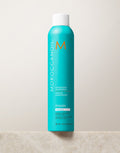
To keep your side part in place all day, finish with the Moroccanoil® Luminous Hairspray Medium Hold. It offers the perfect balance of hold and flexibility, ensuring your hairstyle stays put without feeling stiff.
With these tools and products, achieving the perfect side part hairstyle is not only possible but also fun and effortless. Remember, the key is to choose the right tool that matches your desired look and hair type.
Okay, you're officially a side part girlie now
You didn’t need our permission to rock side part hair, but now that you have the receipts, the references, and the roadmap? You're unstoppable.
The 2025 side part isn’t here to play it safe. She’s soft but powerful. Chic but lowkey. Effortless but calculated (because yes, we do part our hair with intention, thank you very much). And whether you're sweeping it across freshly blown-out layers or pinning it sleek for a night out, it’s giving grown, glam, and on-POINT.
This isn’t about ditching your middle part forever—it’s about options. Moods. Movement. Your hair, your rules. Because sometimes, a simple shift in your part is all it takes to flip the vibe (and your day) entirely.
So try it deep. Try it subtle. Try it messy or polished or somewhere in between. Just try it your way—and let it serve.
We’re calling it now: this is your side part era, girl.
Birkin bangs are the French girl fringe you need right now
If you can’t get the bag, get the bangs
Let’s be real, girlie. Some of us have been on the Hermès waitlist longer than we’ve been in committed relationships.
The Birkin bag? Still an elusive fantasy. The Birkin bangs? That’s a yes from us. Inspired by none other than Jane Birkin herself—OG French It-girl, muse to musicians and fashion houses, and the namesake of two cultural icons—this soft, wispy fringe is the beauty equivalent of throwing on a perfectly oversized button-down and calling it “undone chic.”
And unlike the bag (which, let’s be honest, requires connections, commitment, and a small fortune), the bangs are actually attainable—and universally flattering. They’re face-framing without being fussy, effortlessly feminine without trying too hard, and just messy enough to look like you didn’t spend an hour perfecting them in front of your bathroom mirror (even if you did).
We’re unpacking everything you need to know about Birkin bangs: what they are, how to style them, who they work for, and why they’re trending (again). Spoiler, they’re not just for French girls or Pinterest boards. This is your permission slip to take the plunge.
So, if you’ve ever saved a screenshot of a fringe and thought maybe I could pull it off, this one’s for you.
What actually are Birkin bangs?
Let’s clear something up first, shall we? Birkin bangs are not just regular bangs with a French passport. They’re the fringe equivalent of a perfectly undone croissant—flaky, soft, delicate, and so much chicer than they have any right to be.
Named after style icon Jane Birkin (you know, the woman so stylish Hermès literally named their most iconic bag after her?), these bangs are soft, wispy, and a little unpolished—in the best way. Think long, eyelash-grazing strands that part slightly in the middle, with just enough texture to feel romantic, not rigid.
They’re not blunt. They’re not curtain bangs (though we love her too). They’re somewhere in between—longer than baby bangs, lighter than full fringe, and totally, unmistakably French. The look says “I just woke up like this,” but in reality, you probably did a little zhuzhing. And that’s okay.
Why are Birkin bangs everywhere again? Because the cool girl fringe is having a serious comeback. Blame TikTok, the return of '70s beauty trends, or our collective obsession with all things French-girl. Either way, the vibe is effortless beauty with just a hint of rebellion. It’s not about perfection—it’s about personality.
And yes, you can pull them off. Even without Jane’s cheekbones or a baguette under your arm.
Who should try Birkin bangs (and how to make them work for you)
Don’t be fooled by the Parisian Pinterest boards—Birkin bangs aren’t just for model-off-duty types or girls with naturally symmetrical jawlines. This fringe style is surprisingly universal and adaptable, no matter your face shape, hair texture, or how many times you've said you’re “growing out your bangs.”
Birkin bangs tend to sit somewhere between soft and undone, which makes them flattering for just about anyone. For round faces, having the ends slightly longer at the sides can balance out fullness. For longer or oval shapes, they add dimension and draw focus to the eyes. Even square or heart-shaped faces benefit from the effortless curtain these bangs create.
They also play well with different hair textures. Straight or wavy strands? Perfect. Thicker hair? Ask your stylist to thin them out slightly so they lay soft. Coily or curly? It’s all about embracing your natural pattern with a fringe that’s a little looser in shape, paired with good product and diffusing if needed.
And the best part—Birkin bangs don’t have to be high maintenance. They grow out gracefully, blend into layers like a dream, and can be styled with a flick of a brush and a spritz of texture spray. This is not the type of fringe that traps you in a styling commitment. It’s low-key chic with high-impact results.
They say the bag is exclusive, but the bangs? Completely democratic.
How to style Birkin bangs like a French girl (minus the effort)
Birkin bangs might look like they air-dried on the way to a vintage bookstore in Paris, but in reality? They take a little finessing. The trick? Making it look like you didn’t try.
Start by blow-drying them forward and slightly side-to-side with a round brush—this stops the dreaded center split and gives that subtle swoosh. If your hair is extra fine, a tiny hit of dry shampoo at the root adds volume without the grease. Got thicker strands? A quick pass with a flat iron at the ends will soften the shape without making them poker-straight.
You want movement, not stiffness, so avoid overloading them with product. Instead, go for lightweight texture sprays or a dab of hair oil on the ends to create that piece-y, I-woke-up-like-this energy. Think soft, fluttery, and undone—not crunchy or curled.
Birkin bangs also play well with second-day hair (honestly, they look better lived-in). If you need a touch-up, mist them with water, re-blow dry just the fringe, and boom—fresh French vibes in under five minutes.
Best of all, they pair with literally everything: messy buns, polished ponytails, tousled waves, you name it. They're the ultimate fringe that does the most with the least.
What to ask your stylist (so you don’t walk out with the wrong bangs)
You know that thing when you show up to the salon with a photo of that fringe—soft, breezy, face-framing perfection—and somehow end up leaving with a blunt cut straight from your fifth-grade class photo? Yeah… we’re not doing that this time.
Birkin bangs aren’t just any bangs. They’re the gold standard of French girl cool. To get them right, communication with your stylist is important. This isn’t a ‘surprise me’ situation. You want to walk in with a vision and the confidence to ask for exactly what you want.
What that sounds like: wispy, undone fringe that skims the brows and gently tapers off at the sides. The overall shape should feel grown-in and effortless, not like you’re trying too hard. The texture is everything here. You’re looking for something that moves when you do, with a little bend and separation, not a stiff sheet of hair across your forehead.
Top tip: Ask for your bangs to be cut dry, or at least finished dry. Why? Because hair shrinks when it dries, and what looks like the perfect length wet might end up giving a choppy micro fringe once styled. No shade to micro bangs, but if you’re here for Jane Birkin bangs, that’s not the assignment.
Also, mention if you have any cowlicks or hairline quirks. Your stylist should be able to work around those to make the bangs sit how you want, because if they’re constantly splitting down the middle (and not in the good, intentional way), you’ll be in a constant battle with your mirror.
Finally? Don’t skip the front layers. A little soft shaping around your face helps the bangs blend beautifully with the rest of your cut, creating that romantic, French-girl softness that makes Birkin bangs so *iconic*.
Can anyone pull off Birkin bangs?
Yes, girl. And no, this isn’t just a fluffy reassurance. Birkin bangs work for more face shapes and hair textures than people give them credit for. The secret? It’s all in the details.
What makes Birkin bangs so wearable is their softness. They’re not blunt, they’re not too heavy, and they don’t scream attention. They frame the face in the most effortless, barely-there kind of way. Think face-framing, brow-skimming, and whisper-light ends that blend into your lengths rather than cutting across your forehead like a hairline highlighter.
The cut can be adapted for different face shapes. If your features are more angular, a wispy fringe softens everything beautifully. If you have a rounder face, you can tweak the length to hit just below the brow and taper into subtle side pieces for a bit of contouring. And for oval or heart-shaped faces, that barely-there separation in the center adds just the right balance.
Hair type? Don’t stress it. While straight and wavy hair makes styling a little easier, birkin bangs are not off-limits if you’ve got curls or texture. You just need the right products to keep them light, defined, and not too poofy. A small round brush, a low-heat dryer, and a dab of frizz-taming serum will do wonders.
Basically, this fringe isn’t asking for perfection. It thrives on a little chaos. A touch of texture, a bit of bend, maybe a little curtain movement if you feel like switching it up. It’s French-girl energy with built-in forgiveness.
Vive la fringe
Why are we so obsessed with everything French? Honestly, where do we even start? The fashion? Impeccable. The beauty? Effortless. The food? Iconic. The pastries? Life-changing. The bags? Still waiting for our Birkin call-up, thanks. And now—the bangs.
Birkin bangs tap into everything we romanticize about French girl style. They’re soft, chic, and feel like they belong in a black-and-white film where everyone’s sipping espresso and being mysterious in oversized sunglasses. They don’t try too hard, yet somehow manage to look cooler than anything else in the room.
If you can’t get the bag, get the bangs. Honestly? They might be the easier flex, and they don’t come with a waitlist.
So if you’ve been toying with the idea of a fringe moment, take this as your sign. This isn’t about a full fringe commitment or a dramatic hair makeover. It’s about channeling that French-girl energy with a snip that says stylish, not stressful.
Bangs, a baguette, and a bold lip? Oui, girl. You’re ready.
Your lazy girl guide to heatless curls overnight
All the bounce, none of the breakage
Back in the day, we were out here roasting our ends into submission for that 2010s barrel curl realness. 400 degrees, no heat protectant, a wing and a prayer—it was the wild west of hot tools. And for what? Crispy ends and curl patterns that fell by lunchtime.
Fast forward to now: the vibe has shifted. We’re no longer burning our hair for the sake of "effort." We’re choosing soft beauty over glamazon intensity, and prioritizing healthy, hydrated strands that look and feel like hair. Think: air-dried waves, undone texture, minimal effort, max payoff. Gen Z declared heat styling optional, and honestly? They kind of ate with that.
Enter: heatless curls overnight. The TikTok-famous hacks that are all over your FYP (yes, including the robe belt method) are giving salon-level bounce, without a single scorched strand. Whether you're using a sock, a silk curling rod, or a humble braid and scrunchie, this is the hair glow-up that works while you sleep.
Because if there’s one thing we’re into in 2025? It’s beauty sleep that does MORE. No heat. No damage. Just soft, shiny, woke-up-like-this hair that makes you want to check your reflection in your phone camera before coffee.
So… what are heatless curls, really?
No, sleeping in a messy bun does not count.
Let’s clear something up right away: heatless curls overnight are not just “I twisted my hair into a topknot and hoped for the best.” This trend has evolved way beyond lazy hacks and crossed over into legit technique territory.
At its core, the method is about setting your hair shape (without heat) while it dries. You start with damp (not soaking) hair, style it into a shape using your method of choice, and let time (aka sleep) do its thing. When you wake up, boom: your hair has formed waves or curls depending on what technique you used. It's hair science, but cute.
The magic lies in the method. It’s not just for girls with perfectly cooperative strands, either. These techniques work on straight, wavy, curly, coily—you name it. The trick is knowing which one to use for your hair type (don’t worry, we’ll get to that).
TikTok is partly to thank for the overnight curl renaissance. We’re talking:
– Unicorn heatless curls that look ridiculous going in but give fairytale ends by morning
– Sock curls, which sound chaotic but are a fan fave for a reason
– Robe belt curls (yep, your bathrobe is now a styling tool)
– Even the “leggings” method, because why not get curls and comfy vibes at the same time?
The point is, it’s easier than ever to get good hair without heat damage—and in a way that fits your 8-hours-and-done energy.
Coming up: the prep that makes all the difference.
Prep is everything before you wrap
A little effort = a lot less frizz.
Before you start twirling your hair around a sock or robe belt like a DIY influencer, hit pause. Because if you want those heatless curls overnight to look good (and last past your first sip of coffee), prep matters. A lot.
First rule: damp, not dripping.
Wet hair is too fragile and won’t hold its shape well—it’ll also still be wet when you wake up. Damp hair, on the other hand, is the sweet spot. It’s pliable enough to set, but dry enough to avoid the dreaded morning flat-spot situation.
Next up: your product cocktail.
You don’t need 20 things. Just one or two that do the most.
– A lightweight leave-in conditioner to keep strands smooth and moisturized overnight– A curl cream if you want extra definition or hold– A frizz serum to seal the deal (especially if your hair tends to puff up the second it dries)
Try not to go heavy here. You want the hair to be soft and set, not weighed down and greasy by morning. Product girlies can layer in a Leave-In Hydrating Mist or your fave anti-frizz serum (extension-safe if you’re rocking those clip-ins, ofc).
And one final thing: protect your masterpiece.
Silk or satin scrunchies are your besties for tying hair off without creasing or tugging. Sleeping on a silk pillowcase? Even better. It’ll keep your curls intact and help with frizz control while saving your skin. Multitasking queen behavior.
Now that you’re primed and prepped, it’s time to wrap, twist, and roll. Let’s get into the curl methods that are making waves (literally).
6 heatless curl methods that work
From sock buns to TikTok-famous rods, pick your vibe and snooze in style.
We used to roast our ends on 10-dollar flat irons for the love of a curl. But these days? We're trading heat damage for soft, healthy volume that sets while we sleep. If you've ever found yourself doom-scrolling at midnight, wondering if those TikTok heatless curls overnight methods deliver, this is your sign to try them. Because yes, they can look salon-level, if you use the right one for your hair type, curl goal, and sleep style.
Let’s break down six viral techniques worth wrapping your strands around.
1. Sock curls—Shockingly good for something that lives in your laundry drawer
This is the lazy girl’s go-to for a reason. Start with damp, not wet, hair. Part your hair, take a clean sock, and wrap each section around it like a mini donut. Twist, secure, and go to bed. No curling iron, no excuses.
✨ Best for: Medium to long hair that holds a wave🛏 Sleep comfort: High — like barely-there high💡 Top tip: Mist with a lightweight leave-in spray first for smoother, longer-lasting curls
2. Robe belt curls—The viral TikTok method that still delivers
Honestly? This one looks bizarre while you’re doing it, but the results? Full on Disney-princess energy. Clip the robe belt to the top of your head, wrap hair around each side away from your face, and secure with scrunchies.
✨ Best for: Most hair types, soft glam curls🛏 Sleep comfort: Medium — comfy enough for most💡 Top tip: Use a silk robe tie if you can—it’ll glide off your hair for a frizz-free finish
3. Braids + scrunchies—the OG, no-fuss classic
If you’ve ever gone to bed with braids and woken up with waves, you’ve already done this method. Just elevate it with satin scrunchies and a touch of curl cream. The more braids you do, the tighter the wave.
✨ Best for: Everyone, from newbies to pros🛏 Sleep comfort: The comfiest of them all💡 Top tip: Want a more natural, tousled finish? Do two loose braids with a deep side part
4. Heatless curling headband—plush, pricey, and worth every cent
This is for the girlies who want results without the DIY. These satin-wrapped rods come ready to wrap, and the curls? To DIE for. You wrap sections away from the face and secure them with soft scrunchies.
✨ Best for: Smooth, uniform curls with a little bounce🛏 Sleep comfort: Surprisingly high for how extra it looks💡 Top tip: Don’t wrap wet hair—damp is key, or you’ll wake up with frizz, not finesse
5. Flexi rods or perm rods—defined curls, zero heat
Want spiral curls without the salon bill? Flexi rods are foam sticks that you twist sections of hair around, then bend to secure. They're kind of retro, but so effective.
✨ Best for: Tighter curls or natural hair queens🛏 Sleep comfort: Debatable — you might feel ‘em💡 Top tip: Try smaller rods near your face for definition and larger ones in the back for volume
6. The legging braid—chaotic, creative, and weirdly genius
No robe tie? No curling rod? Just use leggings, babe. Split hair in two, braid each section using the leg as one of your braid strands, and tie it off. It looks hilarious, but it works like magic.
✨ Best for: Thicker strands that need a bit more support🛏 Sleep comfort: Medium, depending on how cool you are with wearing pants on your head💡 Top tip: Tie the waistband at the top of your head to keep things symmetrical (and stop it slipping in your sleep)
Every method has its moment, and your perfect match might depend on what kind of curl you’re after, or how peacefully you want to sleep. Once you’ve wrapped up, don’t rush the reveal. Dry curls are happy curls.
This is your soft, shiny sign to ditch the heat for good
You’ve wrapped, you’ve slept, and now it’s time for the reveal.
No yanking, brushing, or rushing. This is the sacred part of the process—the big reveal. Gently unravel your curls, starting from the bottom and working your way up. Your hair should be bone dry; if it’s even the slightest bit damp, pause and let it air-dry a little longer. Trust: unraveling too soon is how you turn goddess curls into a puffball.
Instead of brushing (please don’t), use your fingers to separate the curls and fluff for volume. Want even more movement? Flip your head over and give your roots a shake. Finish with a tiny drop of lightweight oil or a soft-hold styling cream through the ends for definition.
There’s something wildly satisfying about waking up, undoing a few scrunchies, and walking out the door looking like you spent hours styling your hair. Except... you didn’t. You just slept.
So yes, girlie. Heatless overnight curls really are that girl. They’re low-effort, high-reward, and they don’t turn your ends to hay.
Pretty, healthy, trending hair—while you sleep? We call that a serious WIN.
The long bob with bangs is back and cooler than ever
It’s giving chic, it’s giving undone, it’s giving *everything*
Be honest now, every girlie wants that old money bob. The one that makes you look like you summer in Nice and speak fluent sarcasm. And with bangs? Chef’s kiss. It’s sultry, it’s soft, it’s structured, and it’s basically the haircut equivalent of a perfectly tailored blazer.
Sure, it’s trending on Kendall Jenner, and yes, it looks elite on every French girl on your feed. But don’t be fooled by the jawlines. The magic of the long bob with bangs is that it genuinely works on everyone. Thick hair, fine hair, natural texture, waves, or curls—there’s a version of this cut that will flatter your face, fit your vibe, and make you feel *expensive*.
Pairing a long bob with a fringe is like adding flaky salt to chocolate. Unexpected but totally game-changing. The correct bang can balance features, frame your face, and turn a simple cut into something iconic.
Thinking of making the chop? You’re in the right place. This is your ultimate guide to the coolest, most wearable haircut of the moment—and why it might just be your best hair move yet.
Why the long bob with bangs is everywhere right now
Let’s not sugarcoat it. The long bob with bangs is the moment. Scroll through literally any red carpet, runway, or “get ready with me” TikTok and there it is: the cool-girl cut that’s chic without trying too hard.
From Jenna Ortega’s choppy fringe and razor-sharp lob to Zendaya’s soft French bob moment (yep, she did that), celebs are trading in extra-long lengths for something that feels fresher, lighter, and way more 2025.
Lucy Hale’s blunt fringe makes her look like she walked straight out of a Sofia Coppola film. Hailey Bieber wears her lob with soft curtain bangs and that signature glazed finish. And Cate Blanchett? She’s the poster girl for elevated edge, turning a side-parted lob into pure architectural art. It’s sleek. It’s sculptural. It’s genius.
But don’t be fooled into thinking this is a “celebs only” kind of cut. The reason it’s blowing up? It genuinely works for so many face shapes and hair types. Unlike ultra-short bobs that can feel high-maintenance or hard to style, the long bob with bangs gives you options—if you’re going polished and parted or full fringe and French-girl messy.
It’s modern. It’s wearable. And paired with bangs? It’s an easy way to look like you just get good hair.
Next up? We’ll walk you through the types of bangs that will work for you, because choosing your fringe soulmate is kind of a big deal.
The best types of bangs to pair with your long bob
Think of your long bob with bangs as a blank canvas—now it’s time to pick the fringe that’ll complete this masterpiece. No matter if you’re craving vintage cool, French nonchalance, or just want to finally do something with your hair, there’s a bang out there calling your name. Let’s see which styles work (and why).
Curtain bangs
Floaty, face-framing, and endlessly photogenic—curtain bangs are the low-effort, high-reward queen of fringes. They’re cut slightly longer on the sides and parted down the middle, making them super versatile and forgiving. You can blow them out for a voluminous Bardot moment or tuck them away when you want a clean slate. They grow out like a dream, blend with layers, and work beautifully with both straight and wavy bobs. This one’s for the girlies who want soft drama, not maintenance chaos.
Blunt bangs
Sharp, strong, and unapologetically editorial. A blunt bang makes a long bob feel instantly high fashion, just like Anna Wintour, but with a 2025 twist. These bangs are cut straight across and typically hit at or just above the brows, which gives your face a bold focal point. They’re best paired with sleek lobs and a little confidence (read: they’re not shy). If you’re a regular with your heat tools and love a polished look, blunt bangs are your best friend. Just know: trims are a non-negotiable.
Wispy bangs
Feathery, soft, and a little undone, wispy bangs are the chill cousin of blunt bangs. They’re cut with softness and texture, so they don’t overwhelm your features or box you in. If your vibe is low-key, but you still want to say something, this fringe whispers rather than shouts. These pair gorgeously with choppy or tousled bobs and give that cool-girl “woke up like this” feel without actually waking up like that.
Side-swept bangs
Old-school meets modern. Side bangs are the OG—it-girl style that keeps coming back because they’re just that flattering. Sweeping across the forehead and blending into your longer layers, they help elongate the face and soften sharper features. They’re especially gorgeous on longer bobs that hit at the collarbone or just below the chin. If you're testing the bang waters or easing back into shorter styles, side-swept is your no-drama option.
Micro bangs
Tiny fringe, major energy. Micro bangs (aka baby bangs) sit well above the brows—sometimes just a couple of inches long—and they bring a whole mood. Think: ultra-modern, high-fashion, a little punk. They can make your eyes pop, your cheekbones stand out, and your long bob feel totally fresh. Micro bangs are best for those who love a bold beauty moment and aren’t afraid to play with proportion. Styling tip: a sleek bob makes them feel futuristic, while a textured lob adds a grungier vibe.
So… which one is right for you?
It all comes down to your style, your maintenance tolerance, and what kind of statement you want to make. Some bangs say subtle cool, others scream main character. Whatever your pick, there’s a version of the long bob with bangs that’s tailored to you. And yes, we’ll help you choose the perfect one in the next section.
How to wear a long bob with bangs for your face shape
Girl, you don’t need a “model face” to rock a long bob with bangs. This isn’t a haircut reserved for symmetrical jawlines and perfect cheekbones (though shoutout to Kendall Jenner and Hailey Bieber for serving inspo). The truth? This style is wildly adaptable, and when you tweak the details to match your face shape, it turns from cute to jaw-dropping.
Round face
If you have softer features and fuller cheeks, the key is elongation. A long bob that hits below the chin (especially one with slight layering or waves) helps balance out the roundness. For bangs, skip heavy, straight-across styles and go for curtain or side-swept bangs to create more vertical movement. These draw the eye downward and give the illusion of more structure.
Oval face
First of all: congrats, girl. You’ve got the most versatile face shape, and every bang style and bob length will work for you. So this is your moment to experiment. Blunt bangs? Go for it. Micro bangs? You’ll eat. A long, French-inspired bob with soft, wispy fringe? Obsessed. Play around and have fun—your face is the blueprint.
Square face
Strong jawlines are TEA. To soften that angular beauty, look for a bob with a soft texture, gentle curves, or even a subtle wave. The trick with bangs here is to avoid anything too stiff or boxy. Opt for longer, layered bangs like feathered or curtain styles that blend into the bob—these help break up sharp lines and make everything look effortless.
Heart-shaped face
With a wider forehead and narrower chin, it’s all about balancing top and bottom. A long bob that adds body and shape near the jawline is key, and for bangs? Try side-swept or rounded bangs that hug the face and narrow the forehead just slightly. They’ll draw attention to your eyes and cheekbones in the best way.
Long face
The mission here is to add width and balance out length. Go for a long bob that’s collarbone-skimming or slightly shorter—it helps visually “cut” the face and create more symmetry. Bangs are practically made for you: blunt, eye-skimming fringe will instantly shorten the face and bring your features into focus. Bonus points if you add volume or texture to the ends.
TL;DR? You don’t need a specific face shape—you just need the right fringe and cut to match yours. It’s not about following rules, it’s about finding the version of the long bob with bangs that makes you feel like you, but BETTER.
Maintaining your long bob with bangs
Top tips for keeping it fresh
So, you've taken the plunge and embraced the long bob with bangs—congrats! But as with any new style, maintenance is important to keeping it looking salon-fresh. Here's how to keep your lob and fringe on point:
Regular trims are non-negotiable
To maintain the shape and prevent split ends, schedule trims every 6-8 weeks. This keeps your bob's length in check and your bangs from becoming a curtain you didn't ask for.
Pick your styling tools
Invest in quality tools that make styling a breeze. The TYME Iron Pro is the bomb—it heats up in just 55 seconds and allows you to create both sleek straight styles and voluminous curls. Its titanium plates also guarantee even heat distribution, reducing the risk of damage.
Embrace dry shampoo
Between washes, a good dry shampoo can revive your roots and add volume. It's especially handy for bangs, which can get oily faster than the rest of your hair.
Protect your hair while you sleep
Consider using a silk or satin pillowcase to reduce friction, which can cause frizz and breakage. Alternatively, wrap your hair in a silk scarf before bed to keep your style intact.
Hydrate and nourish
Use a lightweight leave-in conditioner or hair oil to keep your locks hydrated, especially the ends. This helps maintain the shine and softness of your bob.
Train your bangs
If you're new to bangs, know that they might need a little training to fall just right. Use a round brush and blow-dryer to guide them into place, and be patient—they'll get the memo.
Remember, maintenance doesn't have to be a chore—with the right tools and routine, it's just another part of your self-care ritual.
The long bob with bangs? We’ll never be over it
You know that feeling when your hair just gets you? That’s the long bob with bangs. She's easygoing but knows how to make an entrance. A little French, a little ‘90s, and somehow still totally now. And the best part? You don’t need a supermodel jawline or a glam squad on standby to pull it off.
This cut does what a great outfit does—it lifts you. It frames your face, balances your features, and gives effortless style with just the right amount of edge. It can be slick and blunt one day, soft and tousled the next. Add bangs, and suddenly your hair is saying things your ex wishes you would.
So yes, we’re in our cool cut era here. But not just because it’s trending. Because it’s versatile, flattering, and unapologetically modern. Take it sleek with the TYME Iron Pro, or let the natural texture live a little.
Either way? It's giving IT girl energy.
Best affordable curling irons—10 top picks that don’t break the bank
Good hair days shouldn’t cost half your paycheck
Finding the best curling iron for your hair can feel like playing a game of beauty roulette, especially when most of the “top picks” start at Dyson Airwrap prices.
But the truth is, you don’t need to spend a fortune to get great results. There are plenty of high-performing, budget-friendly curling irons that can give you bouncy waves, glossy curls, or that lived-in bend without frying your ends—or your credit card.
Below, we’re breaking down ten of the best affordable curling irons on the market right now, including cult favourites among some under-the-radar gems.
Whether you’ve got fine hair, coils, or stubborn strands that won’t hold a curl, we’ve included a range of tools to match different textures, curl types, and styling needs.
What to look for in an affordable curling iron
A lower price tag doesn’t have to mean lacklustre curls. The trick to finding the best affordable curling iron is knowing what to look for, because not all budget tools are made in the same way. Here’s what’s important when choosing a curling iron that delivers results without draining your wallet.
Barrel material
The barrel is the heart of the curling iron—it’s what determines how your hair reacts to heat.
– Ceramic barrels are ideal for most hair types, especially fine or damaged strands. They distribute heat evenly and reduce hot spots, which helps prevent breakage and frizz.
– Titanium barrels heat up faster and hold high temperatures longer, making them perfect for thick, coarse, or hard-to-curl hair.
– Tourmaline is often layered over ceramic or titanium to boost smoothness and shine. It emits negative ions that help reduce frizz and static.
If you’re shopping on a budget, ceramic is usually the safest and most widely available option, but many affordable tools now include tourmaline or titanium elements, too.
Barrel size
Barrel size directly affects the type of curl you’ll get:
– ¾" to 1" barrels create tighter curls or classic ringlets.
– 1.25" to 2" barrels are best for loose waves or big, voluminous curls.
– Wands without clamps tend to create more relaxed, beachy textures.
Choose your size based on the look you’re going for while also considering your hair length. Shorter hair benefits from smaller barrels, while longer lengths can handle larger sizes.
Heat settings
One of the most important features in any curling iron—affordable or not—is adjustable heat. Look for a tool with multiple temperature settings, ideally starting around 250°F and going up to 400°F or more.
Fine or damaged hair? Stay in the lower range. Thick, coarse, or natural textures? You’ll likely need higher temps to hold the shape. Some tools even come with a digital display or preset settings for different hair types—super helpful if you’re not sure where to start.
Safety features
Even the most budget-friendly tools should have basic safety features. Here are the major ones to look for.
– Auto shut-off (ideally after 30–60 minutes)
– Cool tips for safer handling
– Swivel cords to avoid tangling mid-curl
These features don’t just make the tool easier to use, they give you peace of mind.
Hair type considerations
Different textures need different tools.
– Fine or fragile hair needs low, steady heat and gentler materials like ceramic or tourmaline.
– Thick or coarse hair benefits from titanium barrels and higher temperatures to lock in curls.
– Curly or textured hair often holds curl well, but benefits from irons with smooth barrels and strong heat control to prevent frizz.
Don’t just pick based on influencer hype; choose based on your hair’s actual needs.
Affordability ≠ compromise
Just because a curling iron is under $100 doesn’t mean it’s low quality. But going for the cheapest option doesn’t always mean you’re getting the best value, either. In some cases, spending a little more upfront can get you a tool that performs better, lasts longer, and ends up saving you money in the long run.
Top 10 affordable curling irons reviewed
We’ve scoured reviews, trawled through forums, and tapped into real salon experience to bring you ten of the best affordable curling irons on the market. Each one is reviewed not just by price, but by its characteristics—barrel material, heat range, size, and safety features—so you can choose the right tool for your hair, not just the cheapest one.
TYME Curling Iron (1.25”)
Sleek, bouncy curls, with a side of smart design
While it’s one of the pricier options on this list, the TYME 1.25" offers great value for what it delivers. The ceramic barrel heats up fast and evenly, with four temperature settings to suit different hair types. The 1.25" size is versatile—ideal for relaxed curls or soft waves that don’t feel too “done.” Add in features like auto shut-off and dual voltage, and it’s a smart pick for regular stylers, especially when it’s on sale.
– Price: $150 (regularly $250)
– Barrel material: PTC ceramic
– Barrel size: 1.25 inches
– Heat settings: 300°F, 350°F, 375°F, 400°F
– Safety features: 30-minute auto shut-off, 360° swivel cord, dual voltage
– Ideal hair type: Suitable for most hair types; great for loose curls, waves, and polished volume
Conair Double Ceramic 1-Inch Curling Iron
Budget-friendly styling with even heat distribution
The Conair Double Ceramic 1-Inch Curling Iron is a budget-friendly go-to for consistent, everyday curls. The double ceramic barrel distributes heat evenly, helping to prevent hot spots and reduce damage. With 30 heat settings (plus a Turbo Heat® boost), it works across hair types, even those that don’t curl easily. It’s light on features, but with a cool tip, auto shut-off, and reliable performance, it’s a solid pick for the price.
– Price: $21.99
– Barrel material: Double ceramic
– Barrel size: 1 inch
– Heat settings: 30 adjustable settings, up to 375°F, with a Turbo Heat® boost of up to 27°F
– Safety features: Cool tip, auto-off function, dual voltage
– Ideal hair type: Suitable for all hair types; particularly beneficial for fine to medium hair
Hot Tools Pro Artist 24K Gold Curling Iron
Salon-level performance without the salon price
With its 24K gold-plated barrel and salon-level heat, this tool is a favourite for thick or hard-to-curl hair. The heat stays even, the glide is smooth, and the temp dial gives you decent control without overcomplicating things. It’s not the most travel-friendly option, but if you're after pro performance at a mid-range price, it holds its own.
– Price: Approximately $54.99
– Barrel material: 24K gold-plated
– Barrel size: 1 inch
– Heat settings: Variable dial up to 430°F
– Safety features: Cool tip, foldaway safety stand, 8-ft swivel cord, auto shut-off (in newer models)
– Ideal hair type: Medium to thick hair; great for achieving defined curls and lasting hold
Big Ionic Long Barrel Curling Iron
Extended barrel for effortless styling
What sets this one apart is the extra-long barrel, ideal for styling long layers without the awkward mid-wrap re-do. The mineral-infused ceramic helps reduce frizz and boost shine, and the digital heat control keeps things consistent. It’s a pricier pick, but the added length and smooth results make it a strong contender for frequent stylers.
– Price: Approximately $149
– Barrel material: NanoIonic™ Mineral-infused ceramic
– Barrel size: 1.25 inches
– Heat settings: Up to 430°F with digital temperature control
– Safety features: 1-hour auto shut-off, cool tip, 9-ft swivel cord
– Ideal hair type: Suitable for all hair types; particularly beneficial for long hair
Remington Pro Pearl Ceramic Conical Curling Wand
Smooth, frizz-defying waves with pearl-infused ceramic
This wand’s tapered design makes it great for creating loose, natural waves that aren’t too uniform. The pearl-infused ceramic helps cut down on frizz, and the 10 heat settings (up to 410°F) give you decent control. It heats up quickly, comes with a glove, and works well for casual waves, without demanding salon-level effort.
– Price: Approximately $28.99
– Barrel material: Ceramic infused with crushed pearls
– Barrel size: 1" to 1½" tapered
– Heat settings: 10 digital settings, up to 410°F
– Safety features: 60-minute auto shut-off, temperature lock, heat-resistant glove included
– Ideal hair type: Suitable for most hair types; particularly effective for medium to long hair seeking loose waves
Bed Head Wave Artist Deep Waver
The no-fuss tool for effortless beachy texture
More of a waver than a curler, this tool is all about big, textured beach waves. It’s quick, easy to use, and perfect for people who don’t want to fuss with wrapping hair around a barrel. It lacks precise controls, but makes up for it with speed and a unique, crimped-but-cool finish.
– Price: $27.99
– Barrel material: Tourmaline ceramic
– Barrel size: Deep waver plate (not a traditional barrel)
– Heat settings: Up to 400°F; no digital control
– Safety features: Auto shut-off, instant heat recovery
– Ideal hair type: Medium to thick hair; best for creating deep waves and volume
Conair InfinitiPRO Ceramic Hot Brush
Affordable frizz control with a smooth finish
This hot brush is ideal for those seeking a straightforward tool to smooth and shape their hair. The nano tourmaline ceramic barrel helps reduce frizz and adds shine, while the 1-inch size is versatile enough for creating volume or gentle waves. With five heat settings up to 395°F, it caters to various hair types. It's lightweight and heats up quickly, making it a convenient option for daily styling.
– Price: $40.99
– Barrel material: Nano tourmaline ceramic
– Barrel size: 1 inch
– Heat settings: 5 LED settings, up to 395°F
– Safety features: Auto shut-off, cool tip, swivel cord
– Ideal hair type: Fine to medium hair; great for smoothing and adding volume
BaBylissPRO Spring Curling Iron
High heat, sleek results
With 50 heat settings and a max temp of 450°F, this one’s built for thick, coarse hair that needs serious heat to hold a curl. The titanium barrel distributes that heat evenly, and the Turbo Heat function helps with tough spots. It’s compact and straightforward, with pro-level heat power in a sub-$100 tool.
– Price: $69.99
– Barrel material: Nano titanium with Sol-Gel technology
– Barrel size: 1 inch
– Heat settings: 50 settings, up to 450°F, plus Turbo Heat boost
– Safety features: Cool tip, 8-foot swivel cord, auto shut-off (varies by model)
– Ideal hair type: Thick, coarse, or hard-to-curl hair
Revlon Perfect Heat Ceramic Curling Iron
Beginner-friendly, wallet-approved
This is a no-frills curling iron that’s perfect for beginners or anyone who wants something easy. It’s lightweight, heats quickly, and the triple ceramic coating helps minimise damage. You get 30 heat settings, a simple clamp design, and surprisingly smooth results for the price.
– Price: $16.99
– Barrel material: Triple ceramic coating
– Barrel size: 1 inch
– Heat settings: 30 heat settings, up to 400°F
– Safety features: Auto shut-off, cool tip, heat-resistant stand
– Ideal hair type: Fine to medium hair; great for everyday curls or waves
TYME’S 2 Curling Iron
Designed for volume, built for speed
This second TYME entry brings something different to the table: a rare 2-inch barrel for big, soft curls and lots of volume. It’s great for medium to long hair and heats evenly with four simple settings. It’s more expensive than some on the list, but the size, quality, and current discount make it a strong pick for those chasing that fuller, bouncier look.
– Price: $150 (often discounted from $250)
– Barrel material: PTC ceramic
– Barrel size: 2”
– Heat settings: 300°F, 350°F, 375°F, 400°F
– Safety features: 30-minute auto shut-off, 360° swivel cord, dual voltage
– Ideal hair type: Medium to long hair; best for adding volume and loose curls
The best affordable curling irons, side-by-side comparison
Product
Price
Barrel Material
Barrel Size
Heat Settings
Safety Features
Best For
TYME 1.25” Curling Iron
$150 (reg. $250)
PTC ceramic
1.25 in
300–400°F (4 settings)
Auto shut-off, swivel cord, dual voltage
Most hair types; ideal for soft curls & waves
Conair Double Ceramic 1”
$21.99
Double ceramic
1 in
30 settings, up to 375°F + Turbo Heat
Cool tip, auto-off, dual voltage
Fine to medium hair
Hot Tools Pro Artist 24K
$45–$60
24K gold-plated
1 in
Dial up to 430°F
Cool tip, stand, swivel cord, auto-off
Medium to thick hair
Bio Ionic Long Barrel
$149
Mineral ceramic
1.25 in (extra long)
Digital up to 430°F
Auto shut-off, cool tip, swivel cord
All types; great for long hair
Remington Pearl Wand
$25–$30
Ceramic + pearl
1–1.5 in tapered
10 digital settings, up to 410°F
Auto shut-off, lock, glove included
Most types; best for loose waves
Bed Head Wave Artist
$30
Tourmaline ceramic
Waver plate
Up to 400°F
Auto shut-off, heat recovery
Medium to thick hair
InfinitiPRO by Conair
$22–$30
Nano tourmaline ceramic
1 in
5 LED settings, up to 400°F
Auto shut-off, cool tip, heat shield
Fine to medium hair
BaBylissPRO Spring Iron
$60
Nano titanium
1 in
50 settings, up to 450°F + Turbo
Cool tip, swivel cord, auto-off
Thick, coarse, hard-to-curl hair
Revlon Perfect Heat
$20
Triple ceramic
1 in
30 settings, up to 400°F
Auto shut-off, cool tip, heat stand
Fine to medium hair
TYME 2” Curling Iron
$150 (reg. $250)
PTC ceramic
2 in
300–400°F (4 settings)
Auto shut-off, swivel cord, dual voltage
Medium to long hair; adds volume
Happy curling!
Choosing the best curling iron isn’t just about finding the lowest price; rather matching the right tool to your hair type, texture, and lifestyle. So, if you’re looking for beachy waves, bouncy curls, or frizz control, there’s a budget-friendly option out there that gets the job done without compromising on results.
Keratin vs. biotin — what’s best for stronger, healthier hair?
Not all hair heroes wear capes (some come in pills or protein packs)
Keratin. Biotin. If you’ve spent any time scrolling through haircare TikTok, reading supplement labels, or deciphering salon menus, you’ve definitely seen these two buzzy ingredients pop up. They’re often treated like interchangeable magic bullets for fixing everything from split ends to hair loss, but they’re not even in the same category.
Biotin is a vitamin. Keratin is a protein. One works from the inside out, the other smooths things over on the surface. And while they both promise longer, stronger, shinier hair, they take very different routes to get there.
So, which one do you need? That depends on what your hair is going through—and what your goals are. If you’re battling frizz, recovering from a bleach phase, or trying to grow your hair out post-summer shedding, this guide will help you figure out where to focus your energy (and your budget).
Spoiler: more isn’t always better. And you probably don’t need both.
What is biotin, really?
Biotin is one of those ingredients that seems to appear on every “hair growth” label ever, but what actually is it? Scientifically speaking, biotin is a water-soluble B-vitamin (vitamin B7, if we’re being precise) that plays a key role in converting the food you eat into energy. It's essential for metabolism, but it's also linked to the health of your hair, skin, and nails—hence its popularity in the beauty world.
What makes biotin especially interesting for hair is its connection to keratin production. Your body uses biotin as part of the process to build keratin naturally, which explains why biotin often gets lumped into the “stronger, longer hair” conversation. But that doesn’t mean more = better.
You’ll find biotin in lots of foods—eggs, nuts, seeds, salmon, leafy greens—and it’s also in just about every multivitamin and hair supplement gummy on the market. Most people who eat a varied diet get plenty of biotin without even trying.
Still, it’s become a go-to for those hoping to reverse thinning or boost growth. And while biotin deficiencies are rare, they can happen, and they often show up as brittle nails, dry skin, or hair that’s shedding more than usual.
But here’s the myth-busting bit: biotin is not a magic pill. Taking more than your body needs won’t suddenly make your hair grow twice as fast. In fact, over-supplementing biotin can mess with lab tests (like thyroid or hormone panels), and there’s little evidence it helps if you’re not deficient in the first place.
So yes, biotin plays an important supporting role in healthy hair growth. However, if you’re already getting enough from your diet, piling on more might be expensive hype rather than actual help.
What is keratin?
If biotin works behind the scenes, keratin is the front-of-house showstopper. It’s a fibrous structural protein: a literal building block of your hair, skin, and nails. In fact, your hair is made up of about 90% keratin, which is why so many products and treatments are designed to “restore” or “boost” it.
When hair looks dull, frizzy, or damaged, what’s often happening is the keratin layer has been compromised—thanks to heat styling, chemical treatments, sun exposure, or, let’s be honest, life. That’s where keratin-infused products and keratin treatments come in: they aim to smooth and strengthen the hair shaft by replenishing that lost protein.
You’ll find keratin in everything from deep conditioners and serums to professional salon treatments that promise weeks of frizz-free shine. But it’s important to note: not all keratin is created equal. Those in-salon keratin treatments (the kind that usually involve flat ironing and a bit of downtime) are more intense—and not without controversy, especially around the use of formaldehyde. On the other hand, keratin-based shampoos, masks, and leave-ins can offer gentler, daily repair without the commitment.
Unlike biotin, which works internally, keratin is more about external support. It smooths the hair’s cuticle, fills in gaps along the shaft, and helps reduce breakage and split ends. It’s especially useful if you’ve got damaged, colour-treated, or textured hair that’s prone to frizz or snapping.
So if you’re dreaming of shinier, more manageable hair (not necessarily more hair), keratin could be your go-to. Just know it’s a styling and repair solution, not a growth booster.
Keratin vs. biotin: What’s the actual difference
They’re often mentioned in the same breath, but keratin and biotin are completely different players in the hair game.
First off, biotin is a vitamin (B7), while keratin is a protein your body naturally produces. Biotin helps your body create keratin—it’s part of the internal production line. Keratin, on the other hand, is the end product: it’s what your hair, skin, and nails are actually made of.
Biotin works from the inside out, supporting overall hair growth and scalp health as part of your nutritional intake. You’ll often find it in supplements and gummies, especially those marketed for longer, thicker hair.
Keratin works on the outside, mostly through topical products or treatments. It’s applied directly to the hair to smooth, repair, and strengthen strands that have been damaged by heat, colour, or weather.
In simpler terms, Biotin is the support crew, helping your body build healthy hair. Keratin is the structure, holding everything together and making your hair look polished and strong.
Another key difference? Biotin is slow and subtle; you might see results in a few months, if at all. Keratin often delivers immediate payoff, especially in treatment form, by smoothing frizz and adding shine.
Still not sure? Think of it like this.
→ Biotin is the builder. Keratin is the brick.
What’s best for hair growth?
If your main goal is longer, fuller hair, here’s the short answer. Biotin is more closely linked to growth, but that doesn’t mean keratin has no role to play.
Let’s break it down.
Biotin supports the natural hair growth cycle by helping your body metabolise amino acids and produce keratin. If you’re low on biotin, you might notice thinning, shedding, or brittle strands. In these cases, adding biotin through food or supplements can help stimulate growth and strengthen new hair as it comes in.
However, if you already get enough biotin in your diet (which most people do), taking more probably won’t give you Rapunzel results overnight. You won’t grow inches of new hair in a week, but you might see fewer strands in your brush and stronger regrowth over time.
Keratin, on the other hand, doesn’t grow hair—it protects what you’ve already got. If your hair breaks before it gets long, adding keratin topically can help you hang onto length. It coats and reinforces each strand, reducing damage from heat styling, brushing, and chemical processing. That means less snapping, fewer split ends, and more retained growth.
So, if your hair is shedding or thinning? Try biotin. Breaking or fraying at the ends? Keratin could help.
And if it’s both? You might benefit from a combo approach… just don’t expect miracles from a bottle.
Can you take or use both?
Yes, but that doesn’t mean you need to.
Since biotin and keratin serve totally different functions, it’s safe (and sometimes helpful) to use them together, especially if you’re addressing multiple concerns like shedding and frizz. In fact, many hair supplements and products already combine the two: biotin to support hair growth internally, keratin to reinforce and smooth on the outside.
But the catch is that more isn’t always better.
If your diet already includes enough biotin-rich foods (like eggs, almonds, leafy greens, and salmon), supplementing with high-dose biotin probably won’t give you any extra benefits, and in rare cases, it can interfere with lab test results, especially hormone or thyroid panels. So, if you’re considering daily supplements, it’s worth checking in with your doctor first.
As for keratin? While it can work wonders for frizz and breakage, too much keratin, especially from intense salon treatments, can make hair feel stiff or brittle over time. If your strands are healthy and strong to begin with, layering on more protein than your hair needs might tip things out of balance.
The best approach? Be intentional.
If you’re using a keratin-rich hair mask, you probably don’t need a daily keratin shampoo, too. If you’re getting biotin from your meals, you can skip the supplements. Start small, listen to your hair, and build from there.
How to choose what’s right for you
So, keratin or biotin? The answer depends less on what’s trending and more on what your hair is asking for.
Start by thinking about your hair goals. Are you trying to grow it out? Recover from bleach damage? Tame humidity frizz? Address postpartum shedding? Your answers will help narrow things down fast.
Here’s a quick cheat sheet.
You want to grow your hair or reduce shedding?
→ Focus on biotin, particularly if you suspect a nutritional gap or you're seeing slower regrowth. Add it through supplements (if needed) or food first.
Does your hair feel dry, look frizzy, or break easily when you brush it?
→ Reach for keratin. Look for leave-in treatments, masks, or shampoos with keratin listed as a key ingredient.
Do you use a lot of heat tools or colour regularly?
→ Keratin will help smooth the cuticle and prevent breakage from styling stress.
You’re not sure what your hair needs, but it just feels... off?
→ Try adjusting your diet first. Foods rich in biotin, protein, and healthy fats can support both keratin production and overall hair health without overloading your routine.
Also, consider how you want to work it into your day.
→ Biotin = supplements or nutrition (low maintenance, but takes time).
→ Keratin = topical or treatment-based (hands-on, but fast results).
Bottom line: You don’t have to do it all. Pick one approach, stay consistent, and give it time. Hair responds best to steady, not scattered.
Biotin vs. keratin, let’s recap.
At the end of the day, keratin and biotin are teammates, not twins. Biotin works from the inside, supporting healthy hair growth and keratin production over time. Keratin, on the other hand, works on the surface, smoothing and strengthening strands you already have.
Neither is a miracle cure, but both can seriously support your hair goals if you know what you're using them for. Want stronger regrowth after shedding? Biotin might help. Need to tame frizz or repair heat damage? Keratin’s your go-to.
What matters most is choosing based on your needs, not just what’s trending. Overloading your routine with supplements and treatments you don’t need won’t do your hair any favours—and might even backfire.
If you’re after more advice on all things hair health, the LifeTYME blog is packed with expert tips, tutorials, and product know-how to help you take better care of your hair, whether you’re growing it out, smoothing it down, or just figuring out what it actually needs.
This ‘90s blowout tutorial is your go-to guide for big, bouncy hair
How to get the hair everyone’s recreating right now
If your For You Page has recently been overtaken by bouncy layers, velcro rollers, and girls twirling around in slow motion to "Crush" by Jennifer Paige, you’re not imagining things. The ‘90s blowout is back. And this time, it’s TikTok-official.
At the heart of the revival? Kelsey Anderson, the Bachelor breakout whose hair has launched a thousand hot tools. If you need a reminder of the look, picture soft waves, flippy ends, and volume you could spot from a departure lounge. But she’s not the first to do it, and she definitely won’t be the last.
Because when it comes to iconic hair, there’s one name we’re still not over: Rachel Green. Her perfectly feathered blowout in Friends was a cultural moment. And now, thanks to nostalgia-fuelled algorithms and a universal craving for “effortless but put-together,” the ‘90s blowout is having a full-circle moment. Again.
No matter if you're going full supermodel glam or just want to look like you own a round brush, we’re breaking down the techniques, tools, and style variations for you below.
The anatomy of a '90s blowout
A proper ‘90s blowout is volume without frizz, structure without stiffness, and movement that looks accidental but is very intentional.
The hallmarks?
Lift at the roots, bouncy ends that flip or feather, and layers that know how to frame a face. There’s a lightness to the look that’s distinctly different from the overly set blow-dries of the '80s or the poker-straight ironed hair of the 2000s. This is hair that says, “I just tossed my head and it landed like this.”
Getting that shape starts with the right tools.
Velcro rollers are your best friend. They cool the hair in shape after blow-drying, locking in volume and curve without crunch.
A round brush is non-negotiable. Bigger barrels = more bounce. Use it to pull up and out at the roots while drying for that signature lift.
You’ll also want a lightweight mousse or volumizing spray, a blow dryer with a nozzle, and a good amount of patience (sorry, no shortcuts to greatness).
And yes, this style is surprisingly universal. It works beautifully on:
Straight and wavy hair types (1A to 2C) who’ll get the full effect with just a blow dryer and some rollers.
Curly textures (3A and 3B) can totally rock a blowout too, with a bit more prep and smoothing. The key is using heat protectant and taking your time with sectioning.
If you’ve got fine hair, lightweight volumizers are key to stopping it from falling flat.
For thick or heavy hair, work in smaller sections to avoid drag and keep that bounce from turning into bulk.
Bottom line: the ‘90s blowout isn’t meant to be sleek or serious; it’s meant to move. Done right, it looks like you just walked off a sitcom set… or perhaps a Bachelor promo reel.
‘90s blowout tutorial
Ready to channel your inner Cindy, Kelsey, or Rachel? Here’s how to get ‘90s blowout hair at home—no glam squad required.
1. Prep like a pro
Start in the shower. Use a volumizing shampoo and lightweight conditioner—nothing too rich or heavy, or you’ll flatten your own hard work before you begin. Towel-dry gently, then layer on a heat protectant (non-negotiable) and a volumising mousse from roots to mid-lengths.
Pro tip: flip your head upside down when applying mousse to really encourage root lift.
2. Time to dry
Rough dry your hair until it’s about 60% dry—this cuts down on arm ache and speeds things up. Then, grab your round brush (a big barrel for longer hair, medium for shorter) and start at the crown, lifting the roots as you dry. Work in sections, curling the brush under slightly at the ends to start shaping that signature flip.
Want extra drama? Pop each section into a velcro roller straight off the brush. Let it cool while you move on—this is what sets the shape.
3. Style + set
Once your whole head is dry and rollered, take a beat. Let it cool completely. This is the patience part, but it’s worth it.
No rollers? No problem. A curling iron (1.5" or 2") will give you a similar bend at the ends, just curl away from your face, and don’t clamp too long. You’re going for bounce, not ringlets.
Or reach for the TYME Iron Pro. Its unique design lets you create smooth, flipped-out ends or voluminous curls with a single twist; perrrfect for achieving that iconic ’90s shape in half the time.
4. The finish
Remove rollers (gently!), then brush everything out with a paddle or boar bristle brush for that soft, airy wave. Don’t be afraid to shake it out a little—this style loves a bit of movement.
Set the whole thing with a light mist of flexible-hold hairspray, and if you want a little shine? A drop of argan oil on your fingertips, raked through the ends, works wonders on your ‘90s blowout hairstyle.
10 iconic '90s blowout styles
While volume, bounce, and shape are non-negotiables, the final look can take on dozens of personalities: glam, grunge, polished, playful, etc. Whether you’re after Rachel Green layers, supermodel swagger, or butterfly-clipped nostalgia, there’s a version of the blowout that suits you. Below, we’ve rounded up ten iconic styles to inspire your next big-hair moment.
1. The Rachel
Arguably the most famous haircut of the ‘90s, The Rachel is all about bouncy, face-framing layers with plenty of movement. Popularised by Jennifer Aniston in Friends, it’s the OG blowout—equal parts structured and effortless. The key lies in the layering: short enough around the face to sculpt the cheekbones, but long enough to feel grown-up and glam. Pair it with a side part and lots of volume at the crown for that unmistakable sitcom-star energy. Even decades later, it still turns heads—and has made a full-blown comeback in salons everywhere.
2. Supermodel volume
Think Cindy Crawford, Naomi Campbell, and every major Vogue cover from the decade. Supermodel volume is less about precision and more about attitude: full-bodied hair with big curls, blown out to perfection. Use a large-barrel round brush or hot rollers to build soft waves from root to tip, then brush them out for that signature “bounce when you walk” effect. The roots should feel lifted, the ends flipped just enough, and the overall look slightly tousled, as if you just got off a photoshoot. Ideal for nights out, glam shoots, or anytime you want to feel ~iconic~.
3. Cher Horowitz chic
This one’s for the Clueless fans. Cher’s blowouts were the polished, prep-school version of the ‘90s look—sleek, shiny, and ultra-controlled. The silhouette is smooth with a subtle curve, usually parted in the middle and styled with minimal frizz. While it still has volume, it’s refined, not wild. To get the look, focus on blow-drying with a smoothing serum and a medium-barrel round brush, tucking the ends slightly under. This style works beautifully on straighter hair types and plays well with hair accessories—think velvet headbands, mini barrettes, or a swipe of lip gloss for the full effect.
4. Kelsey Anderson waves
Bachelor alum Kelsey Anderson is TikTok’s latest hair muse, and her modern take on the ‘90s blowout is blowing up. Less flippy and more flowy, this look is all about soft, romantic movement. The secret lies in the styling: round-brushed sections rolled under just enough to create natural curves, then finished with a gentle brush-out for that airbrushed finish. It feels fresh but nostalgic, like the upgraded version of what Rachel Green might wear today. It’s also incredibly wearable, especially for medium to long hair, and perfect for dates, brunches, or any moment you want your hair to do the flirting.
5. The side-part flip
Dramatic yet totally doable, the side-part flip was a staple of ‘90s cool-girl glam. The part is deep, almost exaggerated, and the volume follows suit, lifting at the crown and cascading into a perfect flip at the ends. It’s a great option for anyone with naturally thick hair or a strong hairline, and it flatters pretty much every face shape. Use a round brush to curl ends away from the face, and don’t be afraid to push the part further than usual. Add a little hairspray and a bold lip, and you’ve got instant throwback drama.
6. ‘90s blowout with butterfly clips
Nothing says '90s teen dream like a voluminous blowout topped with butterfly clips. This playful style combines big hair energy with nostalgic charm. Start with a classic blowout—lots of lift at the roots and a soft curve through the lengths—then part the hair down the middle and add mini butterfly clips to frame the face or pin back small sections. It’s flirty, youthful, and surprisingly wearable, even now. Bonus: it works on second-day hair too. Just revive the volume with a blast of dry shampoo and re-roll a few front sections to bring back the bounce.
7. Half-up blowout
The half-up, half-down style gets a major upgrade when paired with a ‘90s blowout. This look keeps the volume but adds a touch of polish and practicality—perfect for when you want to show off your hair but keep it out of your face. After blow-drying with a round brush, pull the top half back into a high pony or mini claw clip, leaving the ends to bounce freely. The result? Instant ‘90s It-girl energy. Think Tyra Banks off-duty or your coolest babysitter circa 1997. It’s chic, low-effort, and endlessly versatile.
8. Curtain bangs combo
Curtain bangs were made for blowouts. These face-framing layers open like, well, curtains—softly sweeping to each side and blending into the rest of the hair. The look is flattering on almost everyone and gives a ‘90s edge without needing a full cut overhaul. To style, use a small round brush to lift and curve the bangs away from the face, then blend into the front layers using a paddle brush or your fingers. The rest of the blowout should have light, bouncy volume to match. A bonus? This one grows out gracefully and looks good on day three.
9. The sleek blowout
If big hair isn’t your thing, the sleek blowout might be your go-to. Envisage Jennifer Lopez in the late ‘90s: smooth, glossy, and ultra put-together. This look still has body, but it’s more about shine and movement than lift. Prep your hair with a smoothing serum and blow-dry using a paddle brush for control. Then lightly curl the ends under or out, depending on your mood. Finish with a shine spray or hair oil to really bring the gloss. It’s elegant, versatile, and pairs perfectly with both minimal makeup and bold, statement looks.
10. The grunge blowout
Not all ‘90s blowouts were sweet and polished—some had a little bite. The grunge blowout is the edgier cousin: slightly messier, more lived-in, and full of cool-girl texture. Think Drew Barrymore, Winona Ryder, or early Gwen Stefani. To recreate it, start with a classic blowout, then add texture spray or dry shampoo and use your fingers to break up the shape. You want it to look like you slept in it (in a good way). It’s perfect for layered cuts, shag styles, or anyone who likes their volume with a side of attitude.
Keeping your ‘90s blowout in check
So, you’ve mastered the ‘90s blowout tutorial. Now, how do you keep it from deflating overnight?
1. Use a silk or satin pillowcase to reduce friction (read: frizz), and loosely tie your hair into a high, soft ponytail or bun—aka the “pineapple.” You can also wrap sections around large velcro rollers again to help maintain shape while you snooze.
2. Keep a round brush and hairdryer handy to re-style any flat areas. A dry shampoo at the roots helps revive volume, while a lightweight oil or shine spray on the ends keeps things glossy without going greasy.
3. Refresh your blowout by re-rolling the top layers or touching up the ends with a tool like the TYME Iron Pro. And hey, if things start to fall apart? Just pivot to a half-up style or a claw clip moment. Blowout hair loves a second act.
Will you try our ‘90s blowout tutorial?
From sitcom icons to TikTok stars, the ’90s blowout has never really gone out of style—it just keeps evolving. Going big with rollers or soft with curtain bangs, it doesn’t matter, there’s a version that fits your mood, suits your face shape, and works with your skill level. The fun is in the experimenting.
Tried a style you loved? Tag us @tyme and show us your blowout glow-up. We’d love to see how you make it your own!
The best detangling brushes for every hair type
It’s time to break up with your old brush
Cutting out toxic energy? Love that for you. But while you’re deep-cleaning your inbox, muting your ex on socials, and manifesting healthy boundaries, there’s one chaotic force you might’ve missed—your brush.
Seriously, when’s the last time you washed it? Or checked if the bristles were still... bristling? If your current hair tool tugs, snaps, or makes you dread wash day, it’s not just annoying—it’s holding your strands back.
The wrong brush doesn’t just make detangling harder. It can strip moisture, stretch curls, and cause sneaky damage that shows up later as frizz, thinning, or breakage. Especially if you’ve got texture, curly, coily, 4C, or just prone-to-knots, hair needs way more TLC than a one-brush-fits-all tool can deliver.
So yes, it might be time for a gentle breakup. Because today, we’re matching you with the best detangling brushes based on your real hair type. No more wishful brushing. No more snapping. Just tools that get it—and glide through the gnarliest knots without drama.
Ready to meet the one? So are we.
Why detangling brushes matter more than you think
Brushing seems basic—until your hair starts snapping halfway down the strand.
The truth is, not all brushes are created equal. And when you’re dealing with knotty hair, the wrong tool isn’t just annoying—it’s damaging. Think friction, frizz, breakage, and a serious hit to your curl pattern or overall texture.
Hair is at its most fragile when wet, stretched, or tangled. A harsh brush can rough up the cuticle (that’s your hair’s outer layer), leading to dullness, split ends, and that straw-like feel no amount of oil can fix. Add in fine, coily, or chemically treated hair, and things get even riskier.
That’s where detangling brushes come in. Designed with flexible bristles, gentle spacing, and smarter shapes, these brushes work with your hair, not against it. They’re built to glide, not tug. To separate, not snap.
Whether you're detangling fresh-out-the-shower curls, smoothing out second-day waves, or fighting post-gym ponytail chaos, the right brush makes the difference between hair that breaks... and hair that bounces back.
The real flex? Matching your brush to your hair type. And that’s exactly what we’re about to do.
The best detangling brushes (for every single hair type)
Your conditioner can only do so much. If your brush is causing more knots than it’s solving, it’s time to upgrade. These detangling heroes glide through the gnarliest tangles without snapping strands or flattening curl patterns—and each one has a very specific type it thrives on.
Here’s your official match guide:
Tangle Teezer The Ultimate Detangler
Best for: Fine, fragile, or damaged hair
If you’ve got hair that flinches at the word “brush,” this one gets it. The Tangle Teezer’s signature two-tiered flexible bristles are made to bend with your strands, not break them. It works best on wet hair, and the teeth flex just enough to detangle without causing drama, especially for finer or color-treated hair that can’t afford breakage.
It’s palm-sized, lightweight, and no—there’s no handle. But that makes it easier to grip in the shower.
Why we love it:
– Glides through wet hair without snapping– Great for spreading conditioner evenly– Lightweight and ergonomic (even if it looks weird)
TYME tip: Use it during your mask or deep conditioning step—it helps distribute product and detangle at the same time.
Wet Brush Original Detangler
Best for: Curly, tangle-prone, everyday use
This is the go-to for anyone who lives in a world of knots—curly girls, thick textures, even straight hair that tangles just by existing. The IntelliFlex bristles are ultra-thin and flex on contact, meaning you can brush without forcing your strands into submission. And it works on wet or dry hair—rare.
It's affordable, accessible, and iconic for a reason.
Why we love it:
– Pain-free detangling with minimal breakage– Soft bristles that actually work on dry curls– Universally loved (for a reason)
TYME tip: If you’re following the Curly Girl Method, this brush is approved. Use it on soaking wet hair with slip.
Denman Detangling & Styling Paddle Brush
Best for: Medium to thick hair, dry or wet use
If your hair’s dense and needs something with a little more grip, this is your pick. The air-cushioned paddle helps detangle large sections quickly without dragging at the roots, and the bristles have just enough resistance to smooth without ripping.
Bonus: it doubles as a blow-dry brush if you like a sleek finish post-detangle.
Why we love it:
– Large paddle makes detangling quick– Good for smoothing thick hair pre-styling– Doesn’t snag or cause static on dry hair
TYME tip: Great for thick, wavy styles or a pre-straighten detangle. If your brush is too flimsy for your density, try this instead.
Tangle Teezer Ultimate Detangler
Best for: Fine, wavy, or frizz-prone hair
Slightly different from the original, this upgraded version has a longer handle and a more refined two-tier bristle design. It’s great for anyone who prefers a more traditional grip but still wants that same signature bendy-bristle feel. Ideal for fine or frizz-prone textures that need smoothing, not stretching.
The result? Less frizz, fewer flyaways, and a smoother finish.
Why we love it:
– Reduces flyaways and static– Feels like a scalp massage– Durable enough for daily brushing
TYME tip: Try this as your morning and night brush—yes, even if you don’t wash every day. It’s that gentle.
Ouidad Double Row Detangling Comb
Best for: Tight curls and coils (3C to 4C)
This isn’t a brush—but it 100% deserves a spot here. The double-row teeth of this Ouidad comb are genius: they minimize breakage by slowly loosening knots without yanking or forcing hair apart. It’s perfect for 4C textures or anyone with shrinkage and density who wants to detangle with more control.
Unlike standard combs, it works with your curl pattern, not against it.
Why we love it:
– Super gentle on tight curls– Ideal for section-by-section detangling– Designed by curl pros, so it’s texture-safe
TYME tip: Use in the shower with your conditioner in. Let the slip do the work while you gently comb from ends upward.
Drybar Super Lemon Drop Detangling Brush
Best for: Fine to medium hair, post-shower styling
Lightweight, cheerful, and weirdly satisfying to use, this one has flexible nylon bristles that make it glide through towel-dried hair with ease. It’s great for anyone with fine-to-medium strands looking to detangle gently without pulling or frizzing out their natural texture.
Also, it’s super cute, and the matte grip is *chef’s kiss*.
Why we love it:
– Great for travel or gym bags– Doesn’t tug, snag, or frizz– The grip is comfortable and slip-free
TYME tip: This one’s a top-tier pick for post-beach hair or humid weather. Works fast and keeps the fluff at bay.
Act+Acre Detangling Brush
Best for: Scalp stimulation + hair growth routines
Not just a detangler—this one’s a full-on hair wellness tool. The dual-layer bristles are designed to work through tangles and stimulate the scalp, helping support circulation and follicle health. It’s perfect for hair oil routines, pre-wash scalp treatments, or brushing out curls before cleansing.
It’s giving quiet luxury, minimalism, and actual scalp therapy.
Why we love it:
– Detangles without stressing roots– Helps distribute oils or masks– Chic and ergonomic
TYME tip: Try it before your wash day with a scalp oil—brush gently to stimulate your roots and prep for shampoo.
Smart detangling tips to make brushing easier (and way less painful)
Even the best brush can only do so much if your routine’s working against you. These quick, no-BS tips are here to help you glide through tangles with less breakage, less drama, and way more shine.
Because we’re not here to fight our hair—we’re here to finesse it.
Start at the ends, not the roots.
It’s simple physics. Tugging from the top just drags the knot all the way down your strand, and that’s where breakage loves to live. Always start mid-shaft or at the ends, and slowly work your way up.
Use a conditioner with serious slip.
Dry detangling works for some, but most of us need a good coating of hydration to get through the mess. Think creamy masks, rich leave-ins, or silicone-free conditioners that help your brush glide instead of snag.
Work in sections—your hair isn’t one-size-fits-all.
Split your hair into two, four, or even eight sections if needed. Detangling small chunks gives you way more control, way less damage, and bonus: it makes styling easier after, too.
Don’t detangle daily unless you need to.
Your hair doesn’t need a brush every single day. If your texture does better with finger detangling in between washes, stick with that. For curlier textures, brushing too often can disrupt your pattern.
Layer in a leave-in.
Post-detangle, use a lightweight leave-in to lock in moisture and help prevent new knots from forming. You’ve just put in the effort—protect it.
Clean your brush, like, regularly.
Product buildup, oils, shed hair—it all clings to your bristles, and can totally block a clean detangle. Rinse your brush weekly and deep clean once a month.
Your brush, your rules (but here’s the cheat sheet)
Finding the right detangling brush shouldn’t feel like a guessing game—or a pain threshold test. With the right tool in your hands, detangling turns from a dreaded chore into low-key therapeutic. Yes, really.
So, if you’re still brushing with that crusty paddle you’ve had since high school, this is your sign. Make the switch.
Detangling brush match checklist
✔️ Fine or damaged hair?→ Try: Tangle Teezer Ultimate Detangler or Drybar Super Lemon Drop
✔️ Curly or tangle-prone hair?→ Try: Wet Brush Original or Denman Detangling Paddle
✔️ Thick, dense, or 4C hair?→ Try: Felicia Leatherwood Brush or Ouidad Double Row Comb
✔️ Frizz-prone or dry hair?→ Try: Act + Acre Detangling Brush
✔️ Need control + a scalp massage moment?→ Try: Act + Acre or Tangle Teezer with Handle
Just like skincare, hair care needs some *attention*. And your detangling brush? It’s a WHOLE ritual. Choose the one that works best, and trust us—it will do the Lord’s work.
How Omega-3s can boost your hair health
You’ve tried everything topical. Time to think deeper.
One minute it’s for brain fog. Next, your heart health. Then your skin. Now your hair? If omega-3s had a PR team, they deserve a raise—because fish oil is officially in its beauty era.
Let’s be real: for years, omega-3 supplements were tucked in the back of your parents’ medicine cabinet—smelling weird, sounding boring, and branded as something for “cholesterol support.” Fast-forward to 2025, and suddenly, omega-3s are showing up in your scalp serum, your influencer’s smoothie, and every beauty editor’s supplement stack.
But is it hype… or is your hair craving omega-3?
Short answer: yes. Long answer? Omega-3 for hair isn’t just another trendy nutrient. These good fats (specifically DHA and EPA) are essential for cell function and inflammation regulation—aka the two things your scalp needs to support stronger strands and a healthier growth cycle. Translation: less shedding, more shine, and strands that don’t tap out mid-style.
And no, this doesn’t mean downing spoonfuls of fish oil like it’s 2010. There are way better ways to get the goods, and we’re diving into all of them.
So if your hair’s been looking a little sad lately, this might be the missing piece—and it’s a whole lot easier to fix than you think.
What is omega-3, really? (and why should haircare girlies care?)
Okay, let’s break this down without turning it into biology class.
Omega-3s are a type of essential fatty acid—basically, the “good fats” your body can’t make on its own, but desperately needs. You’ve probably heard about them in the context of brain health, heart function, and anti-inflammatory diets. But zoom in a little closer, and you’ll find that they’re also doing major behind-the-scenes work for your skin, scalp, and hair.
There are three main types of omega-3s.
– ALA (alpha-linolenic acid) – Found in plant oils like flaxseed, chia seeds, and walnuts. ALA is the entry-level omega—it needs to be converted into the other two to be fully effective, and not all of it makes the cut.
– EPA (eicosapentaenoic acid) – Typically found in fatty fish (like salmon, mackerel, sardines). EPA helps reduce inflammation, which is low-key huge for calming scalp irritation and supporting a healthy hair follicle environment.
– DHA (docosahexaenoic acid) – Also found in oily fish and algae. DHA is the MVP when it comes to cell membrane health, including the ones in your scalp and hair follicles. Stronger membranes = better moisture retention and protection for your strands.
Think of it like this.
Omega-3s help build the literal foundation of your hair health—from the follicle up. They're not styling products or miracle serums. They’re what makes those products actually work better, because they’re feeding your hair at the root (and under the root, to be exact).
And before you eye-roll and say, “This sounds like a wellness influencer trying to sell me supplements,” let’s just say this: real studies back this up. We're talking increased hair thickness, reduced shedding, improved shine, and scalp health benefits—all linked to omega-3s (and we’ll break that down in a sec).
Bottom line: if you want your hair to grow stronger, shinier, and actually stay attached to your head longer, your omega-3 intake deserves your attention.
Omega-3 for hair—what the science says
Okay, does omega-3 actually do anything for your hair, or is it just another wellness buzzword slapped on a shampoo bottle?
Turns out, there's legit research that says: yes, omega-3s can help support your hair health. Not just in a “might maybe possibly someday” way—but in real, measurable ways like less shedding, improved thickness, and a healthier, calmer scalp.
Let’s look at the receipts.
The 2015 study that changed the game
A study published in the Journal of Cosmetic Dermatology followed 120 women with thinning hair over six months. Half took supplements rich in omega-3 and omega-6 fatty acids, while the others didn’t. The result? The omega group reported:
– Less hair shedding
– Noticeably thicker strands
– A healthier scalp
– And a whopping 89% said their hair felt improved overall
That’s not just a placebo effect either—those are stats worth paying attention to.
More good news for follicles
A 2018 animal study (rat whiskers, yes really) found that fish oil, rich in EPA and DHA, helped trigger hair follicles into their active growth phase. It also sped up hair fiber elongation and increased follicle cell activity. Translation: Omega-3 didn’t just support growth—it helped kickstart it.
Omega-3 = anti-inflammatory powerhouse
Chronic scalp inflammation can quietly sabotage your hair, leading to breakage, thinning, and even slowed growth. Omega-3s (especially EPA) help fight inflammation at the cellular level, giving your scalp the calming, nourishing environment it needs to support consistent growth and strength.
Moisture retention & shine
DHA is particularly good at helping cells hold on to hydration. This means less brittle hair, more bounce, and that natural shine we all pretend comes from our hair oil but actually starts at a cellular level.
Let’s be clear: Omega-3 isn’t a miracle growth pill. It’s not going to transform your hair overnight. But what it can do is support your body in creating the healthiest possible conditions for growth, strength, and retention. And when you pair it with the rest of a smart routine? It hits.
So, what are the signs your hair might actually need omega-3 in the first place? Let's break that down.
Signs your hair might be craving omega-3
Not every bad hair day is a dry shampoo issue. If your strands feel off, and no product is really helping, it could be something deeper. Like, nutritional level deeper. And yep, low omega-3 might be the quiet villain behind the chaos.
Here’s what your hair (and scalp) might be trying to tell you.
You’re shedding more than usual
If your hairbrush is suddenly looking like a shag carpet, your omega intake might be off. Research shows omega-3s help keep hair in the anagen (growth) phase longer. Less omega = more shedding. It’s not instant hair loss, but it’s enough to notice when you're styling or washing.
Your scalp feels dry, tight, or flaky
Omega-3s support scalp hydration and barrier function. Without enough, your scalp can go full Sahara—dry, itchy, flaky, and reactive. You may even notice more dandruff or irritation after using styling products or dry shampoo.
Your shine has disappeared
Even healthy hair can lose its shine if your cells aren’t locking in moisture. Since omega-3s strengthen cell membranes, they help your strands retain hydration—aka that glow you can’t get from a serum alone.
You’re breaking or snapping mid-shaft
When your strands are dry from the inside out, they lose elasticity. And when that happens, hair breaks halfway down, not just at the ends. If your ends are intact but you're still dealing with damage? That’s your cue.
Your hair just feels… dull
You know that soft, healthy weight hair has when it’s thriving? Gone. And in its place: fluff, static, or a flat, lifeless vibe that doesn’t even respond to your usual go-to products. Low omega levels can mess with your hair’s texture in subtle but annoying ways.
Of course, none of these signs prove a deficiency—but if you’re nodding along to two or more? It might be time to look at what’s on your plate.
Next on the list? How omega-3 helps hair grow (and what it doesn’t do, because no false promises here).
Omega-3 hair growth benefits (and what it doesn’t do)
If you’ve been burned by hair vitamins that promised Rapunzel in 30 days, you’re not alone. So let’s get this out of the way early: Omega-3 isn’t a magic pill for instant inches.
But what is it? A major player in creating the conditions your hair needs to grow, thrive, and stay strong over time. It’s giving consistency, not overnight miracles—and that’s honestly what most of our hair needs anyway.
Here’s what omega-3 for hair can actually do.
Support hair growth from the scalp up
Remember, omega-3s are anti-inflammatory powerhouses. They help create a calm, balanced scalp environment where follicles can do their thing without irritation, buildup, or stress-induced disruption. That means healthier, longer-lasting growth cycles and less shedding.
Strengthen your strands
Omega-3s help lock moisture into the hair shaft from the inside out—strengthening structure, reducing brittleness, and giving your strands more elasticity. More bounce, less breakage.
Improve natural oil production
If your scalp’s been flaky, tight, or just blah, omega-3s may help balance sebum production. That means better hydration levels and a natural shine that actually sticks around past day two.
Boost thickness and density
One of the biggest reported benefits in clinical studies? Hair feels fuller and thicker. Omega-3s help strengthen the actual follicle structure, which can improve the density of hair over time—even if you’re not growing more, it feels like you are.
Reduce stress-related fallout
Chronic stress can tank your hair health, causing everything from telogen effluvium (aka sudden shedding) to dullness and dryness. Omega-3s have been shown to support mood and stress regulation, which can have a subtle but powerful impact on your hair.
Now for the truth bomb.
Omega-3s won’t cure bald spots. They won’t regrow lost hair from permanent damage. And they’re not a substitute for medical intervention if you're dealing with hormonal or genetic hair loss. What they can do is support the overall structure, hydration, and function of your hair system—aka the best kind of long game.
Now, how do you actually get more omega-3s into your hair care routine, without choking down fish oil every morning? That’s coming next. Let’s make it realistic.
How to add omega-3 into your hair care routine (realistically)
You don’t need to start blending anchovies into your green juice. There are easy, non-gross ways to get more omega-3 for hair into your routine—and the best part? You can do most of it without changing your entire life or dropping $60 on supplements.
Here’s how to start, your way.
1. Eat more omega-rich whole foods
This is the simplest, most natural place to begin. Some of the best omega-3 sources for hair are already on your grocery store shelves—and probably on your Pinterest meal board, too.
– Fatty fish (salmon, mackerel, sardines, tuna)
– Flaxseeds and chia seeds
– Walnuts
– Seaweed and algae-based foods
– Omega-3-fortified eggs or plant milks
Aim for two to three servings of omega-3-rich foods per week. Bonus: you’re also supporting your skin, mood, and overall health while you’re at it.
2. Consider a supplement—but read the label
If whole foods aren’t your thing, omega-3 supplements can help fill in the gaps. Look for one with both EPA and DHA, ideally sourced from fish oil or algae oil if you’re plant-based.
Check that it contains at least 250–500 mg of combined EPA/DHA per serving—anything less might not move the needle. And avoid anything that smells like low tide. High-quality brands shouldn’t leave a lingering aftertaste or cause indigestion.
3. Try topical blends (just don’t expect miracles)
There are a few scalp oils and hair products formulated with omega-rich ingredients like flaxseed, sea buckthorn, or algae. These can add surface-level nourishment and support hydration, but they won’t replace internal sources. Use them as a nice bonus, NOT your main plan.
4. Be consistent, not extreme
Adding omega-3 into your routine isn’t about overhauling your entire diet or popping five pills a day. Small, regular improvements are where the real results come from. A few tweaks to your grocery list or adding a quality supplement to your morning routine can go a long way.
And remember: your hair grows in cycles. Most people won’t notice major changes overnight. But with consistent omega-3 intake, the benefits start stacking up—stronger strands, healthier scalp, and that shine-from-within glow we all chase in the beauty aisle.
Is omega-3 your hair’s new secret weapon?
If your hair is dry, shedding, or just not giving what it used to, your first step doesn’t have to be a new serum or another deep conditioner. Sometimes, the answer is internal. And omega-3 for hair might be exactly what your strands have been missing.
It’s not a magic fix or a shortcut to inches overnight. But it is a science-backed way to support scalp health, reduce inflammation, and help your hair grow stronger, thicker, and shinier—naturally and sustainably.
Great hair doesn’t just happen—it grows from the inside out. And when your routine supports your scalp on a cellular level, everything from shine to strength starts to shift.
This is your sign to stop skipping the omegas.