Blog
Blog
The perfect pre-wash oiling routine for all hair types
Turns out, timing really is everything
While it may be all over your TikTok FYP, hair oiling is actually a ritual rooted in centuries of tradition across South Asian, Middle Eastern, and African cultures. From weekly scalp massages with amla oil in India to the use of argan and castor oils in Moroccan and Caribbean routines, pre-wash oiling has long been a cornerstone of holistic hair care.
Now, it’s finally making its way into mainstream Western routines, not as a “hack,” but as a smart, science-backed step. Done right, pre-wash oiling can help protect against shampoo-induced dryness, reduce breakage, and keep the scalp nourished. And no, it doesn’t mean walking around with greasy roots or skipping wash day.
If your hair’s been feeling parched, fragile, or just generally uncooperative, oiling before you shampoo might be the missing piece. Here's how to get it right—and why it’s worth the extra step.
First: Why oil before you wash?
When it comes to hair care, oiling before washing isn’t just a feel-good ritual; it’s a practical, protective step backed by both ancient wisdom and modern science.
Here’s what happens every time you shampoo: your hair loses a bit of its natural lipid layer. This outer layer keeps strands flexible, shiny, and strong, but surfactants in shampoo (even the gentle ones) can strip it away. That’s especially true if you’re washing frequently or dealing with dry, brittle, or chemically processed hair.
Pre-wash oiling helps prevent that. Certain oils—like coconut, argan, and sunflower—can penetrate the hair shaft, filling in structural gaps and forming a light barrier around the cuticle. This reduces the amount of water your hair absorbs during washing, which in turn minimises swelling, frizz, and protein loss. Think of it like priming your hair before a paint job: it smooths the surface and protects what’s underneath.
As we’ve established, the practice isn’t new. In Ayurveda and other traditional systems, pre-wash oiling was used not only to nourish the scalp, but to strengthen hair and promote growth over time. Now, those same benefits are being confirmed by dermatologists and trichologists alike, especially when it comes to reducing hygral fatigue (damage caused by hair repeatedly swelling and drying).
When should I oil my hair?
If you’re wondering when should I oil my hair, the answer depends on your hair type, lifestyle, and goals. There’s no single rule, but there are a few smart guidelines to follow.
How long before washing?
The ideal window is anywhere from 30 minutes to overnight. If your hair tends to get greasy or weighed down easily, apply oil 30–60 minutes before shampooing. On the other hand, if you’re treating very dry or damaged strands, an overnight oil treatment (with your hair loosely tied and protected with a silk scarf or pillowcase) allows for deeper penetration.
How often should you oil?
– Dry, curly, or textured hair: 1–2 times per week to retain moisture and reduce breakage.
– Oily or fine hair: Once every 10–14 days. Stick to lighter oils and shorter treatments.
– Color-treated or damaged hair: Once a week is ideal. Choose oils that protect protein and reduce hygral fatigue.
Timing your oiling routine around your wash days is key—pre-wash is where the magic happens. Post-wash oiling can sometimes interfere with volume or leave residue, especially on fine hair.
Experiment to find what works for your hair’s needs and your schedule. The goal isn’t perfection; it’s consistency. And when you tailor your oiling routine to your hair type and washing habits, you’ll start to see (and feel) the difference.
How to choose the right oil for your hair type
Choosing the right oil comes down to understanding your hair’s unique needs. Hair type isn’t just a case of straight or curly; texture, porosity, and scalp condition also come into play. The curl type system (from 1A to 4C) offers a rough guide, but things like density, dryness, and whether your scalp tends to get oily also play a role.
Coconut oil
Best for: Thick, curly, or coily hair (Types 3B–4C)
Rich in fatty acids, coconut oil penetrates the hair shaft and protects against protein loss. Avoid if your hair is fine or prone to buildup, as it can be too heavy.
Argan oil
Best for: Most hair types, especially dry or colour-treated
Packed with antioxidants and vitamin E, argan oil smooths frizz and adds shine without weighing hair down. Great for softening ends and taming flyaways as it seals the cuticles.
Almond oil
Best for: Dry, damaged, or dull hair
Almond oil is an emollient, which means it can fill in gaps in your hair at a cellular level. This contributes to smoother, softer hair over time (you may even notice your hair is easier to comb through and style, too).
Jojoba oil
Best for: Oily scalps or fine hair
Structurally similar to sebum, jojoba oil balances the scalp without clogging follicles. Perfect if you want hydration without heaviness.
Rosemary oil
Best for: Thinning hair, slow-growing hair, or anyone experiencing shedding
Known for its circulation-boosting and anti-inflammatory properties, rosemary oil has been shown in some studies to support hair growth and reduce shedding, comparable to minoxidil over time. Don’t forget to use it diluted with a carrier oil and massage it into the scalp before you wash for best results.
Remember, no oil is universally perfect. Try one or two that match your hair’s characteristics and see how your strands respond. Think of oiling as a conversation with your hair: the more you listen, the better your routine becomes.
The perfect pre-wash oiling routine
A good hair oiling routine isn’t about slathering your strands and hoping for the best. You need to be intentional with how (and where) you apply the oil. Here’s how it’s done:
1. Start with dry, detangled hair
Oiling works best when your hair is dry and tangle-free. Gently comb through to prevent breakage and ensure even application.
2. Warm a small amount of oil
Depending on your hair length and thickness, use 1–3 tablespoons. Warm it slightly in your palms or a bowl to enhance absorption.
3. Focus on your scalp first
Using your fingertips, massage the oil directly into your scalp in circular motions. This stimulates blood flow and helps the oil reach the follicles, especially if you're using rosemary or other growth-focused oils.
4. Work it through the lengths
Apply the remaining oil through the mid-lengths and ends, which tend to be the driest. Use a “prayer hands” motion to evenly coat without tugging.
5. Massage for 5–10 minutes
Don’t rush this step. A slow, firm massage with a scalp massager helps the oil penetrate, relaxes tension, and improves overall scalp health.
6. Leave it in for at least 30 minutes
For a deeper treatment, leave it overnight (just protect your pillow). Wrap your hair in a loose braid or a microfiber towel to reduce friction while you sleep.
7. Wash it out properly
Use a hydrating shampoo to cleanse without stripping away all the oil. Follow with a rich, replenishing conditioner to seal in moisture. This step is crucial—neglecting it can lead to product build-up and dull strands.
Oiling is only as good as the routine that follows. Pair your treatment with a moisture-focused wash day, and you’ll see the benefits build over time: smoother strands, stronger roots, and a scalp that stays happy between washes.
Don’t make these mistakes…
Hair oiling can work wonders, but only if you do it right. These common mistakes can undo all that nourishing goodness.
✗ Thinking more oil = more results
Drenching your hair might feel luxurious, but using too much oil can make it harder to wash out, leading to greasy buildup. A few tablespoons go a long way.
✗ Leaving it in for too long
Overnight is fine, but don’t let it linger for days. Extended exposure can clog your scalp and attract dirt, especially if you're using heavier oils like coconut.
✗ Using the wrong oil for your hair type
As we’ve covered above, specific oils complement specific hair types. If your hair is fine or your scalp gets oily fast, avoid heavier oils that can weigh you down or cause breakouts.
✗ Skipping the double shampoo
One gentle cleanse usually isn’t enough to lift all the oil. If you don’t wash thoroughly, you’ll be left with limp, dull hair… and possibly a flaky scalp.
Avoid these slip-ups, and your hair oil routine will start feeling like a ritual that works.
The long-term benefits of hair oiling
When done consistently, pre-wash oiling becomes a long-game strategy for stronger, healthier hair.
It improves your hair’s elasticity, meaning fewer snapped strands during brushing or styling. Oils rich in fatty acids and antioxidants also strengthen the hair shaft, reducing breakage and promoting shine from root to tip. Over time, your hair becomes softer, smoother, and more resilient to environmental stressors.
But it’s not just about the strands. Your scalp gets in on the benefits, too. Regular massage helps stimulate blood flow, supports follicle function, and keeps dryness or flakiness in check.
There’s also something therapeutic about taking time to care for your scalp. Oiling encourages you to slow down, check in with your body, and build a relationship with your hair that goes beyond the surface. It’s a small act of self-care—with BIG rewards.
Start hair oiling today and reap the benefits
A pre-wash oiling routine isn’t just a beauty hack; it’s a proven way to strengthen strands, support your scalp, and give your hair the TLC it’s been missing.
From choosing the right oil to mastering the massage, small tweaks can make a big difference over time. Whether you’re dealing with dryness, dullness, or just want to give your hair a weekly reset, pre-wash oiling is a ritual worth sticking to.
For more simple, effective hair care habits, check out the LifeTYME blog—where we break down the science and the styling, strand by strand.
Lamellar water for hair — What it is and why you need it
It’s not a conditioner. It’s not a serum. So… what is it?
From #glasshair goals to the rise of minimalist routines, TikTok has helped make lamellar water the latest obsession in hair care. It promises instant shine, smoothing, and detangling, without the weight of a traditional conditioner or the wait time of a mask. For anyone who’s ever said “my hair feels coated” after deep conditioning, this could be the upgrade you didn’t know you needed.
Though it’s only recently started trending in the U.S., lamellar water has been a staple in European hair routines for a while, especially among those with fine or easily weighed-down strands. Now, it’s getting buzz for being quick, lightweight, and wildly effective.
But what is lamellar water? Is it just another overhyped bottle on the shelf, or is there real science behind the silky-smooth results?
Below, we’re breaking it all down, looking at what makes lamellar water different from your usual treatments, how it works, and why it’s getting so much attention.
What is lamellar water?
Let’s start with the basics.
Lamellar water is a lightweight, water-based hair treatment designed to deliver conditioning ingredients to your hair in ultra-thin, layered structures—called “lamellae.” These structures are so small and targeted that they slip between damaged areas of your hair shaft and smooth them out in seconds. Think of it like liquid bandages for your strands without the heaviness of a mask.
Unlike traditional conditioners, which coat the hair in rich, creamy formulas that can sit on the surface or weigh fine hair down, lamellar water uses tiny, positively charged particles to target negatively charged damage points. This selective action means it only works where your hair needs it, leaving the rest light, clean, and bouncy.
Another key difference? It works fast. You don’t need to leave it on for 10 minutes under a shower cap. Most lamellar treatments start working within 10 seconds of application. Massage it in, rinse it out, and you’re done.
Because it’s so lightweight, lamellar water is especially great for finer hair types, oily scalps, or anyone who wants a quick fix without buildup. It delivers softness, shine, and smoothness without flattening your style.
And no—it’s not just water in fancy packaging. There’s real science at work here, and your strands will feel the difference.
The science behind lamellar water
Lamellar water might feel like magic, but the secret is chemistry. Its name comes from the lamellae: ultra-thin, layered liquid crystals that suspend tiny conditioning agents in a water base. These lamellae are designed to distribute evenly across the hair, delivering targeted repair without oversaturating the strand.
So, what makes it different from your regular conditioner?
Most traditional deep conditioners use thick emollients and oils to coat the entire hair shaft. While this can make hair feel soft, it’s not selective, meaning even healthy areas get weighed down.
Lamellar water, on the other hand, uses positively charged conditioning molecules that are magnetically attracted to negatively charged, damaged spots on the hair’s surface. These molecules slip into the damaged zones, smooth over gaps in the cuticle, and seal them up, leaving hair soft, shiny, and frizz-free.
Because the formula is water-based and low in viscosity, it spreads quickly and doesn’t require a long absorption period. That’s why most lamellar treatments only need to be left on for about 10 seconds. No lengthy mask sessions or heat caps required.
This ultra-light texture makes lamellar water ideal for anyone who struggles with flat, greasy, or over-conditioned hair. It delivers just the right amount of repair, right where you need it.
And while it won’t replace every product in your routine, lamellar water can act as a smart, fast-absorbing booster that gives your hair an instant hit of shine and smoothness without buildup or residue.
Why everyone’s raving about lamellar water
Now, let’s zoom into those benefits of lamellar water that we touched on above. If your hair constantly walks the line between needing extra care and hating heavy products, it might just be your new best friend. This featherlight treatment packs a serious punch when it comes to visible results.
Here’s what it can do for your hair.
– Instant smoothness: The formula seals the cuticle, creating a soft, polished finish with just one rinse.
– Mirror-like shine: It reflects light more evenly off the hair’s surface, delivering that ‘glass hair’ effect.
– Tangle-free styling: Say goodbye to stubborn knots—lamellar water makes detangling noticeably easier.
– Frizz reduction: By smoothing rough cuticles, it keeps humidity-induced puffiness in check.
– Targeted repair: Damaged zones get the attention they need without weighing down the healthy parts.
– Lightweight moisture: Unlike thick masks or oils, it won’t leave fine hair limp or greasy.
– Faster results: Most treatments work in seconds, not minutes—ideal for busy mornings or post-gym showers.
Who benefits most? Lamellar water works on all hair types, but it’s especially great for:
– Fine or flat hair that’s easily weighed down
– Color-treated strands needing extra TLC
– Damaged or over-processed hair
– Frizz-prone textures looking for smoothness without heat styling
It’s a small step with a big payoff, perfect for those wanting softer, more manageable hair.
Is lamellar water bad for hair? Let’s clear that up
Whenever a beauty trend takes off, the scepticism soon follows—and lamellar water is no exception. If you’ve found yourself wondering, “Is lamellar water bad for hair?” you’re not alone.
Let’s start with the facts. Lamellar water isn’t damaging in and of itself. It’s designed to smooth and condition by bonding lightweight, liquid emollients to damaged areas of the hair shaft. The result? A sleek, shiny finish that feels instantly healthier. But that doesn’t mean it should replace your whole hair care routine.
Here’s what you really need to know.
– It’s not meant for daily use. Lamellar water works best when used 1–2 times a week, or whenever your hair feels rough, frizzy, or overprocessed. Overuse can leave some hair types feeling coated or overly soft.
– It doesn’t “fix” hair long term. While it makes hair look and feel healthier, it’s a cosmetic treatment, not a permanent repair. It should sit alongside nourishing shampoos, masks, and leave-ins that strengthen over time.
– It’s not too chemical-heavy. Most formulas contain fewer heavy waxes and silicones than traditional conditioners. Just be mindful of your hair’s sensitivity and always follow with a rinse.
Think of lamellar water like a glossy top coat for your strands: it smooths and adds instant polish, but it works best as part of a well-rounded routine, not a one-product solution. Balance is everything.
How to use lamellar water correctly
Lamellar water might look like regular water, but it packs a serious punch, so application matters. Here’s how to get it right:
1. Shampoo first. Lamellar water works best on clean hair, so start with your usual wash routine. We recommend opting for a hydrating shampoo and massaging it into the scalp to maximize the results of the lamellar water.
2. Skip the conditioner. Unless your hair is ultra-dry or thick, you won’t need conditioner. Lamellar water provides instant softness on its own.
3. Apply evenly. Pour a small amount into your hands (a few teaspoons depending on hair length), then work it through mid-lengths to ends. Focus on damaged or dry areas.
4. Massage and rinse. Gently distribute the product through your hair, leave it in for 5–10 seconds, then rinse thoroughly.
5. Grab a soft-bristle detangling brush to gently smooth through damp strands. It’ll help distribute any leftover product evenly and prevent unnecessary tugging.
No waiting around with a towel on your head; lamellar water works fast. You can follow with a lightweight moisture spray or argan oil serum if your ends need extra care.
Best lamellar water for hair types
With more lamellar options hitting the shelves, how do you choose the right one? It all comes down to your hair’s unique needs.
For frizzy or flyaway-prone hair
Look for formulas with glycerin, amino acids, or propylene glycol—ingredients that help smooth the hair cuticle and control static without making strands limp.
Try → Kérastase K Water
This luxe, in-salon lamellar treatment delivers instant smoothness and high-shine without heaviness. It uses glycol-based lamellar technology (rather than oils or silicones) to tame frizz and leave hair sleek, perfect before a blowout or big event. It’s a tad pricey, but the salon-worthy results make it worth it for special occasions.
For colour-treated or damaged hair
Choose a lamellar water enriched with proteins, amino acids, or conditioning agents like cetyl alcohol to strengthen and repair. Bonding ingredients are especially helpful for chemically treated hair.
Try → Redken Acidic Bonding Concentrate Lamellar Treatment
Formulated specifically for damaged, colour-treated, or bleached hair, this treatment combines lamellar conditioning agents with bonding technology to reinforce weakened strands. It also helps protect the hair’s pH balance, reduce breakage, and boost shine, particularly useful post-bleach or after multiple colouring sessions.
For dry or dull strands
Hydrating lamellar waters with castor oil derivatives, propylene glycol, or coco-betaine helps restore moisture, enhance shine, and soften coarse ends without the residue of heavy masks.
Try → L’Oréal Paris Elvive 8 Second Wonder Water
One of the first lamellar waters to go viral on TikTok, this budget-friendly option gives hair a visibly glossier finish in just eight seconds. It’s ideal for normal to dry hair, using a combination of amino acids and lightweight moisturisers to create a glassy effect. Great for adding hydration between deep treatments.
Lamellar water should be incredibly lightweight, which makes it a game-changer for fine or oily hair types that typically struggle with traditional masks. Whichever formula you choose, aim to use it once or twice a week—just enough to see results without overwhelming your hair’s natural balance.
Why lamellar water deserves a spot in your routine
Lamellar water isn’t your average hair product. It’s fast, featherlight, and delivers on the promise of smoother, shinier, more manageable hair. If you’re dealing with frizz, post-colour dryness, or just want that “glass hair” glow without the buildup, it’s an easy upgrade to your weekly routine.
Used properly, it gives you that just-left-the-salon finish in under a minute—no deep masks or heavy creams required. And because it’s so lightweight, it works across hair types without clogging up your strands.
Curious about where lamellar water fits into your routine? The LifeTYME blog is packed with no-fluff hair science, trend explainers, and product picks to keep your hair looking its best.
Post-swimming hair care (a guide to saving your strands)
FYI:- You’ll wanna read this before your vacay
There’s something undeniably relaxing about swimming, whether it’s that first head-dip into a sunlit hotel pool, the rhythmic calm of early morning laps, or the salty joy of wave-hopping on a beach day. It feels like freedom. But your hair? It might not feel the same way.
Because for all the bliss that comes with swimming, the aftermath isn’t exactly glamorous. Cue crunchy ends, tangled lengths, a scalp that feels tight, and that stubborn scent of chlorine that lingers no matter how long you rinse. Add UV rays, saltwater, and pool chemicals into the mix, and you’ve got a recipe for serious strand stress.
The good news? With the right post-swim routine, you can have both summer fun and soft, healthy hair. This guide doesn’t involve complicated regimens or overloading your shelf with products. It shows you what your hair really needs after a swim, how to restore moisture and shine, and when (and if) you need to wash it.
What chlorine, salt, and sun do to your hair
Vacation swimming may feel light and effortless, but behind the scenes, your hair is going through a lot. Pool water, seawater, and sunlight each bring their own brand of havoc to your strands.
First of all, chlorine is a disinfectant, which means it’s excellent at keeping pools clean, but also very effective at stripping natural oils from your scalp and hair. Without those oils, your hair’s protective barrier weakens, leaving it dry, brittle, and more prone to breakage. For color-treated hair, chlorine can cause fading and even give light tones a greenish tinge (yep, that’s real).
Saltwater, while more natural, is still harsh. The salt draws moisture out of the hair shaft through osmosis, leaving strands dehydrated and coarse. Combine that with wind and sun, and you’ve got a perfect storm for split ends and tangles.
UV exposure is often overlooked, but it’s just as damaging. Like your skin, your hair can suffer from too much sun. UV rays break down the protein structure of hair (mainly keratin), weakening its elasticity and causing colour to fade faster.
In short: chlorine strips, salt dehydrates, and the sun weakens. That’s why post-swimming hair care isn’t a case of vanity, but damage control.
Do you have to wash your hair after swimming?
It’s one of the most Googled questions about swimming and hair—and for good reason. If you’re hitting the hotel pool, swimming laps at your local gym, or wading through saltwater on holiday, you’ve probably wondered: Do I really have to wash my hair every single time?
Short answer? Yes. But let’s unpack why and how to do it without over-washing.
Post-swim rinsing is non-negotiable. Even if you’re not shampooing every time, rinsing your hair thoroughly with clean water helps flush out chlorine, salt, and other residues that linger and continue to dry out or irritate the scalp. Chlorine, especially, can remain active in your hair hours after a swim, exacerbating damage if not removed.
Washing doesn’t have to mean full-blown shampooing daily. If you’re swimming often, alternate between a gentle, hydrating shampoo and a simple rinse followed by a lightweight conditioning or repairing spray. This keeps your hair clean and preserves your natural oils.
Think of it like skincare for your scalp. Just like you wouldn’t (or at least shouldn’t) leave SPF or sweat on your face, your scalp deserves a quick refresh after a swim session. It’s the difference between manageable, healthy hair and hair that feels like hay.
The ultimate post-swimming hair care routine
Here it is: a simple, science-backed ritual that works, no matter your hair type or texture.
1. Rinse ASAP
Even before you shampoo, give your hair a thorough rinse with clean, lukewarm water. This helps remove surface chlorine or salt before they fully penetrate the hair shaft and do long-term damage.
2. Use a gentle, sulphate-free shampoo (if needed)
If you’ve been swimming in treated pools or the sea, use a mild clarifying or moisturising shampoo to cleanse without stripping your scalp. You don’t have to shampoo daily, but aim to do so every 2–3 swims, especially if your hair feels dry or sticky.
3. Condition like you mean it
Hydration is everything after exposure to sun and water. Opt for a deep, nourishing conditioner that helps restore moisture balance. Focus on the mid-lengths and ends, and leave it in for at least 3–5 minutes before rinsing.
4. Detangle with care
Wet hair is fragile, especially after a swim. Use a wide-tooth comb or detangling brush, starting at the ends and working your way up. Avoid yanking or brushing hair while dripping wet—pat dry with a microfiber towel first to reduce breakage.
5. Treat with leave-ins or serums
This is your recovery phase. A lightweight moisture-repair spray or argan oil serum helps seal the cuticle, smooth flyaways, and restore softness. Look for products that nourish without weighing your hair down, especially if you’ll be styling it later.
6. Protect it moving forward
Heading back into the sun? Use a UV protectant spray or wear a hat to shield strands. No swim plans today? Great—let your hair air-dry or style gently with low heat. Either way, avoid tight hairstyles that can cause further stress.
Remember: Make it a habit, not a hassle. A consistent post-swim ritual can be the difference between summer hair goals and a season of regret. Keep a small “swim kit” in your beach bag or gym locker so you’re always prepared to treat your hair with the TLC it deserves.
Pool-proof ingredients to use on your hair after swimming
When it comes to post-swimming hair care, not all products work in the same way. Some ingredients help heal and protect; others just mask the damage. Here’s what to look for on the label (and in your routine) if you want to bring your hair back to life after chlorine, saltwater, and sun exposure.
Argan oil
Rich in essential fatty acids, vitamin E, and antioxidants, argan oil helps replenish moisture, soften dry ends, and add a protective layer against UV and environmental stressors. A few drops of a nourishing argan oil serum go a long way—perfect as a post-wash serum or to tame frizz on dry hair.
Keratin
This structural protein makes up the outer layer of your hair. After swimming, keratin levels can become depleted, leaving hair brittle and dull. Products that contain hydrolysed keratin can help repair and strengthen the cuticle, improving elasticity and shine.
Amino acids + panthenol
Amino acids restore protein bonds, while panthenol (a form of vitamin B5) deeply hydrates. Together, they support smoother, more manageable strands, especially if your hair has taken a beating from daily swims.
Moisture-repair sprays
A lightweight mist with humectants (like glycerin) and botanical oils can provide a daily refresh without buildup. Use on damp or dry hair to hydrate, detangle, and protect throughout the day.
Bonus tip: Avoid heavy silicones that can seal in chlorine or salt. Opt instead for clean, nourishing formulas that strengthen and soothe without suffocating your scalp or strands.
Long-term strategies for swimmers who wash often
If you’re a regular swimmer—whether you’re training for a triathlon or just addicted to the post-lap high—your hair needs a bit more than the occasional deep condition. Repeated exposure to chlorinated or saltwater can break down the hair’s natural defences, so a smart, sustainable routine matters.
Here’s how to keep strands strong, even when swimming several times a week:
1. Use a pre-swim barrier
Before diving in, apply a lightweight leave-in conditioner or a few drops of oil to create a water-resistant shield. It won’t block all absorption, but it can help limit how much chlorine or saltwater soaks into your strands.
2. Rotate your shampoo
Clarifying shampoos help remove chemical buildup, but overusing them can strip the scalp. Alternate with a gentle, sulphate-free cleanser to keep the microbiome in balance and avoid dryness.
3. Don’t skip conditioning
A rich conditioner or weekly hair mask will replenish lost moisture and keep your cuticle smooth, particularly important if you colour your hair or use heat styling.
4. Prioritise scalp health
Frequent washing can throw your scalp’s balance off. Try incorporating scalp-friendly ingredients like tea tree, peppermint, or prebiotics to reduce inflammation and flakiness.
5. Get regular trims
Even with the best products, regular swimming can lead to split ends over time. Keep them in check with consistent trims to maintain shape and avoid unnecessary breakage.
A few tweaks can make all the difference, keeping your hair strong, shiny, and ready for your next swim.
Swim, hydrate, repeat
With a little know-how and the right products, post-swimming hair care doesn’t have to be a hassle. No matter if you’re diving in daily or just chasing sun-soaked weekends, protecting your hair is totally doable.
Want more tips on keeping your hair healthy through every season (and splash)? Head to the LifeTYME blog where we break it all down.
Who needs hours? Try these super easy 5-minute hairstyles
No time? No problem. We’ve got the lazy girl hair guide that’s made for you.
Alarm snooze hitting different this morning? Woke up looking like you wrestled a small animal in your sleep? Or maybe you just hit that sweet spot between I need coffee now and OMG, I have 5 minutes to look presentable. Sound familiar, girl? Because let's be real, life isn't always perfectly filtered Instagram stories. Some days, we're sprinting out the door, juggling a lukewarm coffee, our keys, and the faint hope that our hair decides to cooperate.
For too long, the beauty world has told us that looking good takes, like, HOURS. A whole production, right? But if there’s anyone who’s taught us that getting ready in a pinch is not only doable but looks damn good, it’s TikTok superstar Alix Earle. She’s literally built an empire on showing us that quick glam is the vibe, and rushing around can still look chic. We’re here to tell you that the secret to slaying your day, even when you're running on fumes, lies in mastering the art of the 5 minute hairstyles.
We're talking about those genius, game-changing looks that require minimal effort but deliver maximum impact. Think less complicated Pinterest tutorial and more “I woke up like this”, but WAY better. This is all about smart styling. We're about to spill all the goss on the ultimate collection of easy 5 minute hairstyles that will transform your morning rush into a swift, stylish sprint. So grab your hair tools and let's get you looking like the queen you are, no matter how little time you have.
The power of the pony—reinventing a classic
Let's talk about the ponytail. Yeah, yeah, we know what you're thinking: basic. But honey, the pony has undergone a serious glow-up. It's no longer just for the gym or your deepest, darkest study sessions. In the world of 5 minute hairstyles, the ponytail is your most versatile bestie. It's the ultimate answer for those days when you need to look pulled-together, like, yesterday.
Slicked back pony
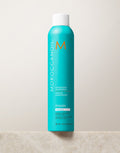
First up, the Slicked-Back Low Pony. This one screams *quiet* luxury and sophistication, even if you’re secretly running on three hours of sleep. It's the Sofia Richie Grainge effect, bottled. The key here is smooth. Comb all your hair back tightly, securing it at the nape of your neck. Then, and this is where the magic happens, grab your Moroccan Oil Medium Hairspray. A generous spritz (or two!) of this babe will tame any flyaways and give you that glossy, expensive finish. It’s perfect for camouflaging unwashed roots, making it a dream for those 5 minute lazy easy hairstyles mornings.
High pony
Then there's the High Pony with a Wrapped Base. Barbiecore energy, incoming! This look is playful, perky, and instantly lifts your whole face. Gather your hair high on your crown, secure it with an elastic, and then take a small section of hair from underneath the pony. Wrap this section around the elastic, completely hiding it, and secure with a bobby pin underneath. Boom! Instant polish.
Bubble pony
Feeling a little more playful? The Bubble Pony is your vibe. This is one of those easy 5 minute hairstyles that looks way more complicated than it is. Simply create a high or low ponytail, then add small elastics down the length of the pony, spacing them out evenly. Gently pull each "bubble" to create volume and a cool, segmented effect. It’s a total head-turner that takes literally no time.
These ponies are the perfect proof that you can achieve a killer look, even when you're short on time.
The claw clip—your late morning savior
Being honest, girlie, the claw clip is the undisputed champion of easy hairstyles in 5 minutes. Seriously, if you don't have one (or ten!) of these in your arsenal, you're missing out. This isn't your grandma's claw clip anymore. Thanks to the resurgence of 90s and Y2K trends, the claw clip has made a triumphant return, proving it’s the ultimate tool for looking effortless, even when you're working with greasy hair days.
The claw clip is your secret weapon for transforming unwashed hair into a polished moment. It's the ultimate 5 minute lazy easy hairstyles solution that screams that you’re all put together (when really you’re not). The beauty lies in its versatility. You can go full glam or super casual, all with one simple clip.
French twist with a claw clip
For a classic, sophisticated vibe that still takes zero effort, try the Classic French Twist with a Claw Clip. Gather all your hair as if you're making a low ponytail, then twist it upwards, almost like a soft rope, towards the back of your head. Once it's twisted neatly against your scalp, secure it with a claw clip. Let a few wispy strands fall around your face for that perfectly undone look. It’s clean-girl, it’s quick, and it’s a total LOOK.
Half-up half-down with a claw clip
Then there's the beloved Half-Up, Half-Down with a Claw Clip. This is your go-to for adding a touch of sweetness and keeping hair out of your face without committing to a full updo. Simply gather the top section of your hair, from your temples back, twist it gently, and clip it securely at the back of your head. It’s perfect for showing off your natural texture while still looking ready to go.
Messy bun with a claw clip
And for those days when you just need to get it all up and out of the way, the Messy Bun with a Claw Clip is the one. This is where the claw clip truly shines for those notorious greasy hair days. Scrape your hair loosely into a high or mid-level bun, twist it once or twice, and then simply clamp your claw clip over the bun to secure it.
Don't worry about perfection with these styles. The messier, the BETTER! It’s a true testament that you can look fab even on your most manic of Mondays.
Buns, buns, glorious buns
Ever have those mornings where your hair just has attitude? Like it woke up on the wrong side of the bed and refuses to cooperate? Yeah, we’ve all been there. But before you reach for that baseball cap (again!), let us introduce you to the ultimate hair rescue style—the bun. Don’t get it twisted, this isn't just a basic updo, it's a mood, a statement, and your express ticket to looking put-together, even when you're running late. Buns are the ultimate chameleons of 5 minute hairstyles, adapting to literally any look you want.
Classic messy bun
First up, the legendary Messy Bun. Oh, the siren song of the messy bun! It looks so effortless, so perfectly "I just rolled out of bed looking this good," right? The trick to achieving that elusive, perfectly undone look? It's all about strategic chaos. Gather your hair high or mid-level, twist it loosely, and then just coil it around itself, securing with an elastic. Let those little rebel strands frame your face—that’s the actual secret sauce.
For extra texture that makes your messy bun look intentional, not accidental, quickly run a few sections through the TYME Iron Pro for a subtle bend or wave before you bun it.
Ballerina bun
When you need to channel your inner CEO or just want to radiate super polished vibes without the fuss, the Sleek Ballerina Bun is your power play. This bun means business, but still takes practically zero time. Start with a super-clean part—middle or side, whatever speaks to your soul! Brush your hair back tightly into a high or low ponytail, then twist that pony into a tight, neat coil around its base. Secure with bobby pins. A quick mist of your fave hairspray will lock in all the goodness, giving you a refined finish that completely trumps its speedy creation. Talk about an easy hairstyle in 5 minutes that makes you look like you own the room.
Low twisted bun
For a softer, more romantic whisper of a bun, cue the Low Twisted Bun. Gather your hair at the nape of your neck, twist it into a gentle rope, and then coil it into a small, classic bun. Secure with pins, and as usual, don't be afraid to pull out a few face-framing tendrils and give them a slight bend with a TYME iron for an added touch of dreamy softness. It’s understated, chic, and proof that minimal effort can still bring maximum heat.
Space buns
Feeling playful and quirky? You need to try Double Buns (also known as Space Buns). Part your hair down the middle, create two high ponytails, and then twist each into a cute little bun, securing with elastics or pins. This look is pure fun, youthful energy, and totally on-trend.
Buns, in all their glorious forms, are your ultimate fast-track to looking FABulous, proving time and time again that they're just THAT girl.
So, which are you going for?
Who knew a few minutes and some clever tricks could make you feel like you just stepped off a runway, even if you’re secretly still in your PJs? You’ve now got the ultimate cheat sheet for mastering 5 minute hairstyles that look anything but rushed. From the Hailey-Bieber-esque power pony to the claw clip magic, and all the bun looks in between—you’re officially equipped to conquer every single day, no matter how wild your morning gets.
Remember, looking absolutely *fire* doesn't require a whole glam squad or sacrificing your precious sleep. It's about working smarter and owning a style that’s got ZERO drama going on. So go forth and try out your new late morning hair hacks. Can’t wait for the extra sleep? Neither can we.
This is the year of the French bob with micro bangs
Nothing says French cool like a cut that barely tries
There’s a reason the French do everything better—pastries, perfume, and now, 2025’s most-wanted haircut: the French bob with micro bangs. It’s sharp, it’s short, and it doesn’t care if your eyeliner’s smudged. That’s exactly what makes it so iconic.
The vibe? Unbothered. Jaw-grazing length. A fringe that cuts across your forehead like a well-placed side-eye. This isn’t about looking perfect—it’s about looking like you’re already late for something fabulous. Model-off-duty meets Parisian art school energy.
The French bob with micro bangs isn’t new, but its current revival feels different. It’s more playful. A little undone. Tailored for the girl who wants a bold cut without a 40-minute styling routine. You know the type—she carries a tote bag, not a ring light.
And here’s the secret: you don’t need to be French, or have impossibly straight hair, or even “pull off bangs” (who decided that, anyway?). You just need the right tools, the right products, and the right attitude. A little wave from the TYME Iron Pro (we’re not biased, we promise), a spritz of Moroccan Oil Medium Hairspray, and you’re set.
If you're flirting with the chop or already booking your appointment, this cut is a whole damn statement. And it’s one we’re very much ready to make.
What is the french bob with micro bangs?
Let’s set the record straight. The French bob with micro bangs is not your average salon chop. It’s shorter, sharper, and has that exact kind of energy that turns a simple outfit into a full-blown aesthetic. The cut usually falls between the jawline and cheekbone—never lower. The bangs? Cropped high above the brows, blunt but soft enough not to scream school picture day.
It’s a cut that feels like it should come with espresso and a strong opinion on film photography. But here’s the thing—it’s totally wearable. That’s the secret. Yes, it’s edgy. Yes, it makes a statement. But it’s also surprisingly flattering across different hair types, textures, and face shapes.
The French bob originally took off in the 1920s, and it’s had countless resurgences since—usually during cultural moments that crave reinvention. Sound familiar? In 2025, we’re seeing it return with a modern edge: fewer rules, more movement, and bangs that aren’t trying to be anyone’s curtain fringe.
And despite its high-fashion reputation, this cut doesn’t require a stylist on speed dial. The shape holds its own. Even when it’s a little messy, it still works—especially when the micro fringe is left to do its thing. You can wear it sleek and sculpted, or lived-in and tousled. It doesn’t demand perfection, which is exactly why it looks so good.
It’s part haircut, part attitude. All confidence.
Why the french bob with micro bangs is the haircut of 2025
You know a haircut’s having a moment when Pamela Anderson shows up to the Met Gala in one. Gone was the bombshell blowout—replaced by a blunt, voluminous French bob with flipped-out ends and micro fringe so precise it could have been drawn on. Then Zoe Saldaña hit the same carpet with a razor-sharp version tucked behind the ears, no extensions, no fluff. Message received.
If 2024 was the year of growing it out, 2025 is about chopping it off. The French bob with micro bangs feels like a deliberate shift—away from performative “clean girl” minimalism, and toward something more character-driven. It’s not here to flatter. It’s here to say something.
Lady Gaga recently stepped out in a chin-length Parisian crop with cropped bangs that screamed French arthouse energy. Carey Mulligan, Greta Lee, and Ayo Edebiri have all worn versions of the cut, leaning into blunt lines and visible texture over soft, unthreatening layers. It’s short hair for people who don’t need their hair to do the talking—but it kind of does anyway.
This is style with intent. Editors love it because it looks expensive with minimal effort. Stylists love it because it works with lived-in texture, doesn’t demand heat-styling, and actually grows out beautifully. And the internet? The internet is screenshotting it from every angle.
This cut doesn’t whisper trend—it wears it on its sleeve. And somehow, that’s exactly what makes it feel timeless.
Is this cut for you?
Let’s kill the myth: the French bob with micro bangs isn’t reserved for art students or people with sculpted cheekbones. It’s way more versatile than it looks—but it does come with personality. Here’s how to know if it’s a match for you.
Face shape check
This cut hits different depending on your bone structure—but in a good way.
– Oval or heart-shaped: You were made for this cut. The blunt ends hit right at the jaw, and the fringe balances out the forehead-to-chin ratio.
– Round: Go for a slightly longer version with a bit of texture through the ends. Avoid overly blunt lines if you want movement.
– Square: The micro fringe softens sharp angles. Tuck one side behind the ear to open the face and break up symmetry.
– Long: Ask for cheekbone-level length to add visual width—your face will instantly feel more balanced.
Hair texture match
Yes, you can wear this with your real hair. Here’s how it works across textures.
– Straight: Crisp, graphic, and high-fashion. No fluff, just clean lines.
– Wavy: Softens the structure. Effortless and very “I didn’t try but still look good.”
– Curly: Totally doable. Keep the fringe longer and layered so it doesn’t fight the curl. Think more Greta Lee, less Shirley Temple.
If you're nodding along, it might be time to book the appointment.
How to style a french bob with micro bangs
A haircut this strong doesn’t need a full glam team—but it does deserve a little strategy. The French bob with micro bangs works across different hair textures and moods because it’s flexible by design. The trick? Let the shape lead and focus on enhancing texture, not hiding it.
Here’s how to make it work, whether you’re aiming for polish, softness, or a little structure:
1. For a clean, graphic finish (no movement, all edge)
Perfect for: straight to slightly wavy textures, or anyone wanting a sculpted, editor-style moment.
– Start with damp, towel-dried hair.
– Blow-dry using a paddle brush, directing hair downward to maintain the blunt line.
– Let the fringe fall naturally—don’t force a curve. It should sit above the brow, sharp and flat.
– Use a touch of lightweight hairspray to hold the shape without freezing it in place.
2. For soft, air-dried texture (real-life ready)
Perfect for: natural wave, bend, or post-wash days where time is not on your side.
– Apply a light styling cream or mousse through damp hair.
– Let it dry without touching it. Micro bangs may separate slightly—that’s part of the look.
– If needed, refine just the front fringe with a small round brush or flat iron for balance.
3. For tousled movement (cool, not messy)
Perfect for: day-to-night transitions, or when you want the cut to feel undone but intentional.
– Add a bit of dry texturizing spray at the roots and mid-lengths.
– Pinch and twist small sections to bring out structure.
– Use a flat iron sparingly to bend the ends under or outward—it’s not a curl, it’s direction.
4. For high polish (minimalist, not stiff)
Perfect for: events, dress-up moments, or power-dressing days.
– Blow-dry hair with a concentrator nozzle for a smooth finish.
– Use a shine spray or styling serum only through the mid-lengths to avoid weighing down the fringe.
– The fringe should skim the browline. Use your fingers to place it—not a comb.
How to maintain (and grow out) a french bob with micro bangs
Short haircuts get all the credit for being low-maintenance—but let’s be honest, precision takes upkeep. The French bob with micro bangs looks effortless, but it’s the kind of cut that starts to drift if you ignore it for too long. Here’s how to keep it feeling intentional, from fresh chop to grown-out edge.
The maintenance window
– Trim every 6–8 weeks if you want to keep the structure tight. The micro fringe, in particular, loses its charm the second it hits your brows.
– If you’re aiming for a slightly more relaxed version (think fluffy ends, soft regrowth), you can stretch it to 10 weeks—but shape control becomes key.
– Ask your stylist to “dust” the fringe in between full cuts to keep it clean without resetting the whole look.
Managing texture + volume
– Keep the cut from falling flat by introducing light texture at the crown or around the fringe as it grows.
– Avoid over-layering during trims—this cut works because of its weight and line. Too many layers = triangle.
The grow-out phase (aka your soft bob era)
– As the fringe grows, you have options: let it blend into a baby curtain bang, or keep trimming just the center for a micro-but-wispy look.
– The bob itself can shift into a cheekbone-length blunt bob or even a soft lob over time. Just ask your stylist to adjust the perimeter shape gradually.
This isn’t a grow-and-go cut. It’s curated. But that’s what makes it land—even when it’s growing out.
French vs Italian bob—why the micro bang wins the crown
There’s something a little smug about the French bob with micro bangs—and that’s exactly why it works. It’s not trying to charm you. It’s sharp, it’s cropped, and it doesn’t beg for approval. While the Italian bob is all about softness and volume (think Amalfi beach wave), the French bob is a fashion editorial waiting to happen.
The Italian bob says romantic. The French one says complicated and cooler than you.
This year, the shift is clear: we’re swapping floaty ends and blown-out glamour for something with more edge. Something more undone. More you. The micro fringe in particular flips the whole narrative—it’s a bold move that doesn’t care if it flatters every face shape. That’s kind of the point.
So if you're deciding between something "classic" and something with a little bite, ask yourself this: do you want a cut that blends in, or one that looks like it came with an accent and a bad habit?
Paris always wins. And this cut? It's pure Paris.
The best messy bun hairstyles for *that girl* energy
Clean girl? We’re in our messy era now.
You know what’s out? Perfection. You know what’s in? Messy bun hairstyles that look like you casually tossed your hair up but still managed to serve main character energy in line at Trader Joe’s. The clean girl aesthetic had its moment. Sure. We went and slicked-back everything and lapped up glassy skin, the works—but 2025 is all about embracing the undone.
Messy bun hairstyles aren’t just making a comeback—they’re leading the comeback tour. Off-duty celebs are rocking them on red carpets. TikTok is obsessed. And suddenly, your day-four hair is the start of something really cute. It’s giving volume, texture, and that flirty little tendril that just *happens* to fall perfectly by your cheekbone.
What used to be your emergency hairstyle is now the moment. There’s a bun for every mood, from low-key and lazy to artfully chaotic. Got short hair? No problem. Need something that works from Pilates to happy hour? Done.
No matter if you’re going for that effortless model-off-duty look or just want to look cute without doing the MOST, these messy bun hairstyles are about to become your go-to move. All you need is a few pins, some grip, and the right inspo.
Let’s talk about why the messy bun is the crown jewel of your next low-effort slay.
Why everyone’s obsessed with the messy bun again
Not to be dramatic, but messy bun hairstyles might be the ultimate “IYKYK” move of the year. After a solid run of ballerina buns and sculpted slick-backs (hi, Sofia Richie), the beauty world is exhaling—and with it comes a new wave of texture, movement, and rule-breaking softness.
And no, the messy bun didn’t just come back. She never really left. But now? She’s not just acceptable, she’s aspirational. Scroll your FYP and you’ll see everyone from Alix Earle to Dua Lipa rocking buns that are barely held together by a hair tie and pure vibes. It’s giving unbothered. It’s giving cool without trying too hard.
Part of this shift comes from a rebellion against looking overly “done.” People are leaning into their natural texture and we want IN. They’re skipping the blowout. They’re letting their day-three curls live. Beauty is less about polish and more about personality—and nothing says individual energy quite like a bun that breaks a few rules.
Even better? There’s no one-size-fits-all. Messy bun hairstyles work if your hair is long, short, curly, straight, frizzy, or just doing its own thing today. It’s low-effort hair that still looks high-impact.
Basically, this trend is proof that the best kind of glam doesn’t always come with a middle part and a can of slick stick. Sometimes it comes with flyaways, volume, and a little bit of chaos—and we love that for us.
How to set the stage for your dream messy bun
Let’s clear one thing up, shall we? Messy doesn’t mean unplanned. If you’ve ever flung your hair into a bun and ended up with a lopsided chaos knot that slowly collapses by lunch—same GIRL. That’s why the prep matters.
Messy bun hairstyles start with texture. Flat, too-clean hair? Not the one. You want grip, volume, and just enough “lived-in” to hold shape without being stiff. Day two or three hair is ideal. If you’re starting fresh, no stress—just fake it with a dry shampoo or volume spray to rough things up.
The real MVP here? A flexible hold hairspray. The Moroccan Oil Medium Hairspray gives your hair that stay-in-place energy without freezing it in time. Think hold that moves with you, not against you. Plus, it smells so good it doubles as a hair perfume. Just saying.
Now, about that volume. Flip your head, fluff your roots, tease the crown if you’re feeling extra—it’s all about giving the bun something to sit on. A little height goes a long way when you’re going for effortless instead of frumpy.
TYME tip: keep your messy bun toolkit close. Clear elastics, bobby pins, claw clips, a good paddle brush—these are your styling sidekicks. They’re what take your bun from 0 to hero real fast. Honestly girlie, you don’t need perfection. You just need prep.
10 messy bun hairstyles that fit your whole personality
Because sometimes she’s running errands. Sometimes she’s on a first date. And sometimes she just wants to throw her hair up and feel hot doing it.
1. The one you wear to brunch with your ex’s cousin
You didn’t plan to look this good. You just do.
How-to: Use the TYME 1.25" Ceramic Curling Iron to add soft waves to clean-ish hair—this gives the bun shape and keeps it from falling into a sad, slick lump. Twist it low and loose, pin softly, and let a couple waves frame your face. A claw clip on top? Optional but lethal.
2. The one you toss up before work, then wear to drinks
It starts at 9 a.m. and still looks good at 9 p.m.
How-to: This is where TYME Iron Pro 2-in-1 REALLY comes in handy. Use it to curl just the front sections—those will fall out naturally throughout the day and still look intentional. Pull the rest into a mid-height bun, secure with a scrunchie, and mist with Moroccan Oil Medium Hairspray.
3. The gym-to-anywhere bun
Sweaty roots? Just embrace the texture.
How-to: Flip your head, twist your hair into a top knot, and lock it down with a claw clip or thick elastic. Spritz dry shampoo at the roots, then tug at the bun for height. Imperfect? Good. Add hairspray to keep it from unraveling mid-run.
This is the ultimate 2000s off-duty model meets TikTok it-girl look.
4. The “I didn’t sleep but still slayed” bun
You could wash your hair. Or you could do this.
How-to: Greasy roots are your superpower here. Flip your hair up and loosely twist into a bun at the crown. Don’t brush. That natural separation gives it volume. Pull some strands forward. Add soft bends with your TYME Iron Pro if they’re looking too limp.
5. The one that saves short hair girlies
Tiny bun, big attitude.
How-to: For hair that’s bob-length or just past the chin, section and pin it back in layers to build the illusion of a bun. Texturize with dry shampoo or waves from the TYME 1.25" Iron, then twist the longest strands into a mini bun and tuck the rest underneath with pins.
6. The zoom-but-make-it-cute bun
From the laptop camrta up, you look flawless.
How-to: Brush hair into a low bun with a clean middle part, then loosen up the roots so it doesn’t scream “tight ballet class.” Touch up the face-framing strands with your hot tool for a polished curve. But NEVER go too polished. Clean-girl is out, remember?
7. The messy bun you wear to feel something
Maybe it’s the rain. Maybe it’s the playlist.
How-to: This one lives at the nape of your neck, secured loosely with pins. Curl the whole head before putting it up using the TYME 2" Iron for big, voluminous waves. You want it to look like the bun happened after an emotional walk, not before.
8. The one you wear when your hair just won’t cooperate
Bad hair days fear this bun.
How-to: Add volume to the roots with teasing and a shot of hairspray. Then pull it all up into a high, fluffy bun with ends poking out. Imperfection is the whole point—leave random flyaways alone. They’re your personality now.
9. The minimalist bun that doesn’t try too hard
No flyaways, no drama—just pure minimalism.
How-to: Brush your hair into a low bun with a side part, smoothing everything down with a simple paddle brush. Add lashings of shine spray, and done.
10. The pre-dinner glam bun
You’re not late—you’re arriving.
How-to: Curl your ends only using the TYME Iron Pro, then pull hair into a high bun with a little structure and a lot of attitude. Let the curled ends poke out at the top, almost like a faux fringe.
Messy bun myths we’re done entertaining
“Messy buns are only for lazy days.”
Tell that to the girl walking into her 9 a.m. in a structured blazer and a perfectly undone top knot. Messy bun hairstyles aren't just a fallback—they’re a fashion choice. One that says, I’m busy, booked, and still better than your slick-back.
“Only thick hair can pull it off.”
Wrong. It’s not about density—it’s about strategy. Fine hair can absolutely work a messy bun with a little prep. Add volume with dry shampoo, a wave from the TYME Iron Pro, and some strategic teasing. Suddenly, you’ve got a bun with lift, movement, and zero flat zones.
“Messy buns aren’t work-appropriate.”
Let’s retire that thought. A low, softly styled bun with clean lines and a few intentional flyaways? Chic. Understated. Boardroom-ready. Add gold hoops and you’re basically unstoppable.
Short hair belongs in the messy bun chat
Yes, you can rock a bun with short hair—and no, it doesn’t have to be a sad little nub at the back of your head.
Start by adding texture with the TYME 1.25" Ceramic Curling Iron. Section your hair and pin it back bit by bit, building volume and shape as you go. Don’t fight the layers—let them frame your face. That undone, not-too-perfect vibe? That's exactly the point.
The goal isn’t a big bun. It’s a confident one.
The final pin
This is the lazy girl’s calling—and not in a bad way. It’s smart, it’s efficient, and it still looks really, really good. No more 5 a.m. wake-ups just to slick your hair into place with military precision. Messy bun hairstyles are back, and they’re better than ever.
They work with your natural texture, your real schedule, and your refusal to suffer through another 12-step styling routine before coffee. And there’s something undeniably powerful about a style that says, I didn’t stress, and I still ate.
So throw it up. Tug a few strands loose. Give it a spritz and a little side glance in the mirror. You’ve got places to be, and you look hot doing the absolute minimum.
Messy never looked so put together.
Why you need to pay more attention to the scalp microbiome
Scalp bacteria = friend, not foe
You’ve probably heard of the gut microbiome, but did you know that your scalp has one too? And just like your digestive system, it’s teeming with trillions of microorganisms that quietly shape how your body functions.
The scalp microbiome is a delicate ecosystem of bacteria, fungi, and yeast that lives on your scalp and works to maintain a healthy balance. When it’s thriving, you likely won’t think twice about your scalp. But when it’s not? Expect flakes, itchiness, oiliness, or worse, inflammation and hair thinning.
As haircare gets more science-driven, we’re learning that scalp health is the foundation of hair health. And keeping your microbiome balanced could be the secret to shinier strands, less breakage, and better growth over time.
Keep reading, as we’re exploring what the scalp microbiome is, why it matters, how it gets disrupted, and—most importantly—what you can do to keep it in check. Your follicles will love you for it.
What’s living on your scalp (and why it matters)
Your scalp isn’t just skin with hair on it, it’s a living ecosystem. Meet the scalp microbiome: a mix of bacteria, fungi, and yeast that naturally exists on your scalp and quietly keeps things running smoothly.
Before you panic, this is a good thing. These microorganisms help maintain the balance of your scalp’s environment, much like the gut microbiome helps regulate digestion. A healthy scalp microbiome supports three major jobs:
1. Defending against pathogens: Good microbes help crowd out the bad ones, reducing your risk of inflammation, infections, and conditions like seborrheic dermatitis.
2. Regulating oil (sebum) production: Your microbiome works with your skin to keep oil levels in check—neither too greasy nor too dry.
3. Maintaining the scalp’s pH: A stable pH discourages bad bacteria and keeps your skin barrier strong and calm.
When the balance tips—say, from overwashing, stress, harsh products, or environmental factors—your scalp can spiral. Think excess oil, flakes, itchiness, or even breakouts and hair shedding. It’s not just uncomfortable; it’s a sign your follicles aren’t getting the ideal environment to thrive.
A balanced microbiome = stronger, shinier, happier hair. And while it might not get as much attention as your shampoo or conditioner, the scalp microbiome is quickly becoming one of the most important frontiers in hair care. Ignore it at your own risk.
What throws your scalp microbiome off-balance?
Your scalp microbiome might be small, but it’s sensitive. Like any ecosystem, it thrives on balance, and it doesn’t take much to tip the scales. Here’s what can disrupt it:
External factors
Internal factors
Your haircare routine could be helping… or hurting. Harsh shampoos, especially those with sulfates or strong fragrances, can strip away not just dirt and oil but also the good microbes your scalp needs to function.
Over-washing can do the same, leaving the skin dry and vulnerable. On the flip side, product buildup from dry shampoo, oils, or silicones can create a breeding ground for the wrong kind of bacteria.
Then there’s pollution, which can clog follicles, alter the scalp’s pH, and make it harder for beneficial bacteria to thrive. UV exposure and even hot water can also mess with your microbial balance.
It’s not just what you put on your scalp, it’s what’s going on in your body. A poor diet, especially one low in antioxidants and omega-3s, can fuel inflammation.
Chronic stress can weaken your skin barrier and alter sebum production.
And hormonal shifts, like those during pregnancy, menopause, or thyroid imbalances, can throw everything, including your microbiome, out of whack.
When the microbiome is disrupted, you might notice:
- Increased shedding or thinning
- Dryness, itching, or excess oil
- Flare-ups of dandruff, seborrheic dermatitis, or scalp acne
In short: if your scalp feels “off,” your microbiome probably is too. The good news? With the right care, you can reset it and help your hair bounce back, too.
The role of the Japanese Head Spa
In Japan, hair care goes deeper—literally. Rooted in centuries-old wellness traditions, the Japanese head spa is a luxurious, therapeutic experience that treats the scalp as skin, not just the thing under your hair. It’s like a facial for your head: cleansing, massaging, exfoliating, and restoring balance from follicle to strand.
What sets it apart from a standard salon wash? Everything. A typical head spa treatment involves multiple stages.
1. Scalp analysis to assess oil levels, buildup, and sensitivity
2. Aromatherapy steaming to open pores and soften debris
3. Gentle exfoliation to remove dead skin cells and excess sebum
4. Lymphatic drainage massage to improve circulation and detoxify
5. A final rinse and deep conditioning to leave hair soft, strong, and shiny
Why your scalp microbiome loves it
Japanese head spas are designed to nurture the scalp microbiome. The gentle, targeted cleansing helps remove product buildup and environmental toxins without stripping away the good bacteria. Exfoliation keeps follicles clear and functioning, while massage increases blood flow, delivering oxygen and nutrients that support a healthy microbial environment and better hair growth.
According to a body of research spotlighted by Healthline, regular scalp massage was linked to increased hair thickness and improved scalp condition. Experts also note that proper exfoliation and hydration can help rebalance oil production and reduce inflammation, two things that throw the scalp microbiome off.
Bringing the spa home (or finding one near you)
While an authentic head spa treatment is an experience in itself, you don’t have to book a flight to Tokyo to reap the benefits. You can borrow the techniques at home with:
- A weekly scalp exfoliant or clarifying scrub
- Gentle massage during shampooing or with a silicone scalp brush
- Steam or warm towel wraps to boost product absorption
Or, if you’re looking for a pro-level refresh, many high-end salons now offer services inspired by Japanese head spa techniques. Whether DIY or in the chair, your scalp will thank you (and your microbiome will too).
Choosing the right scalp microbiome shampoo
Not all shampoos are formulated in the same way, especially when it comes to nurturing your scalp microbiome. If your scalp feels itchy, oily, flaky, or just generally off, your shampoo might be the culprit. A microbiome-friendly formula can help restore balance without stripping your skin or suffocating your follicles.
What to Look For
The ideal shampoo for scalp microbiome health is gentle, nourishing, and non-disruptive. Here are a few key ingredients to keep an eye out for.
Prebiotics (like inulin or alpha-glucan oligosaccharide): These feed your good bacteria and help them thrive.
Probiotics or postbiotics: Help rebalance the skin’s ecosystem and soothe irritation.
Mild, sulfate-free cleansers: Harsh detergents can wipe out your natural microbial defenses. Look for coconut-derived surfactants or amino acid–based cleansers.
Botanical extracts like tea tree, rosemary, or peppermint: These can calm inflammation without being overly astringent.
Product recommendations
A few microbiome-friendly shampoos worth exploring:
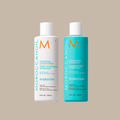
- Moroccanoil Hydrating Shampoo – infused with vitamins and argan oil, this gentle cleanser helps support scalp harmony while restoring moisture and shine.
- Gallinée Prebiotic Scalp and Hair Serum – focuses on feeding good bacteria with prebiotics.
- Jupiter Balancing Shampoo – designed for dandruff-prone scalps but gentle enough for daily use.
- Briogeo Scalp Revival Micro-Exfoliating Shampoo – combines charcoal and coconut oil with a microbiome-safe formula.
Usage tips
- Don’t over-wash. 2–3 times a week is plenty for most scalps—more than that, and you risk disturbing the balance.
- Massage the product in gently with your fingertips or a soft scalp brush to boost circulation and lift buildup.
- Rinse with lukewarm water—hot water can disrupt the scalp barrier.
- A consistent, gentle routine is better than over-cleansing with “deep clean” formulas. Let your microbiome breathe.
Lifestyle tips for a healthy scalp microbiome
Surprisingly, a well-balanced scalp microbiome is also shaped by your daily habits (not just the products you use). Here’s how to support scalp health from the inside out.
Eat for your scalp
Nutrients play a direct role in microbiome health and hair growth. Make sure your diet includes:
- Vitamin D3, which supports immune function and helps regulate skin microbiota
- Iron, to carry oxygen to the scalp tissues and follicles
- Zinc, which has antimicrobial properties and supports skin repair
Whole foods like leafy greens, eggs, fatty fish, and nuts are microbiome-friendly staples. If you’re unsure whether your levels are optimal, speak to your GP about testing.
Keep stress levels in check
Chronic stress can throw your entire system off, including your skin and scalp. High cortisol levels disrupt the skin barrier, increase inflammation, and can lead to microbial imbalance. Simple practices like daily movement, mindful breathing, or even five minutes of scalp massage before bed can help bring down stress levels and improve circulation at the root (literally).
Gentle is the goal
1. Brush softly: Use a paddle or boar-bristle brush to distribute natural oils without pulling or scratching.
2. Skip daily heat styling: Give your scalp a break with air-dry days. If you must style, use a heat protectant and avoid high temperatures.
3. Scalp massage = microbiome boost: A few minutes of gentle massage stimulates blood flow and encourages oil balance—both essential for a healthy environment.
Together, these small habits support a more resilient scalp microbiome, and by extension, stronger, healthier hair.
Healthy hair starts with a healthy scalp
We spend a lot of time thinking about split ends and styling, but the real magic happens at the scalp. A balanced microbiome keeps oil, irritation, and flakes in check, supports stronger strands, and sets the stage for healthier, fuller hair long-term.
If your scalp feels out of sync—or your hair isn’t growing like it used to—it might be time to reassess your routine. Are your products too harsh? Are you over-washing? Could your scalp use a little more TLC?
Start small: swap in a gentle, microbiome-supportive shampoo, add a weekly scalp massage, and pay attention to what your scalp is telling you.
Because here’s the truth: beautiful hair doesn’t begin at the ends, it begins at the root. And when your scalp’s microbiome is happy, your hair has a much better shot at looking (and feeling) its best.
For more tips, bookmark the LifeTyme blog. You’ll find salon-backed advice and deeper dives into topics like the scalp microbiome, hair loss, and holistic care.
Fluffy curtain bangs are the cut of the moment—here’s why everyone’s obsessed
Soft, swingy, and suddenly everywhere
Curtain bangs have been floating in and out of style since Brigitte Bardot made them iconic, but in 2025, they’re back with a twist. Think bigger, bouncier, and a whole lot fluffier.
Enter fluffy curtain bangs: the low-effort, high-impact fringe that's taking over TikTok feeds, Pinterest boards, and salon request lists everywhere. This soft, feathery take on the classic curtain bang is all about that perfectly undone look, like you just stepped out of a 1990s shampoo commercial, but cooler.
Fluffy curtain bangs work on a wide range of hair types and lengths, and they’ve officially dethroned blunt cuts and micro fringes as the most wearable style of the year.
Below, we’re digging into what makes this fringe so beloved, how to style it, and how to fake it if you’re not quite ready to commit to the chop. Spoiler: it involves a round brush… or maybe a hairpiece.
What are fluffy curtain bangs?
Fluffy curtain bangs are the voluminous, airy cousins of the classic curtain fringe. Instead of sitting sleek and subtle, they bring bounce, body, and that coveted “I woke up like this” energy. Softly parted in the middle and blending into the rest of your hair, fluffy curtain bangs create a face-framing effect that’s flattering on just about everyone.
They’re defined by their fuller texture, gentle curve, and a bit more height at the root, unlike wispy curtain bangs, which are feather-light and barely there, or soft curtain bangs, which offer gentle shaping without much volume, fluffy curtain bangs lean into movement and drama, but in the most wearable way possible.
They work beautifully with layered cuts, long waves, messy buns, blowouts, and even ponytails. And because they sit just above the cheekbone, they can enhance your features without completely taking over your face.
Best of all? They’re versatile. Fluffy curtain bangs suit round, oval, and heart-shaped faces alike, and they work on straight, wavy, and even fine hair with the right styling. They’re the fringe for people who don’t “do” bangs—until they do.
5 celeb icons making fluffy curtain bangs a thing
Nothing solidifies a hair trend quite like a celebrity co-sign, and fluffy curtain bangs have had plenty of those. From red carpets to TikTok scrolls, these stars are showing just how versatile and iconic this style can be.
Sabrina Carpenter
Fluffy meets femme
Source: Reddit
Sabrina’s recent hair evolution has fully embraced the fluffy curtain bang agenda. Often worn with her signature soft curls and a perfectly centered middle part, her bangs frame her face like a dream. Whether she’s performing on stage or doing press in a retro blowout, Sabrina’s fringe always hits that sweet spot between glam and approachable. The added volume gives her curls extra lift, proving this style works just as well on wavy and textured hair.
Dakota Johnson
The curtain queen
Source: British Vogue
Dakota Johnson’s curtain bangs have become a defining part of her look, so much so, it’s hard to imagine her without them. Her fringe is the more grown-out, tousled type, often paired with undone waves or sleek, shoulder-length cuts. What makes Dakota’s bangs iconic is their consistency: slightly longer on the sides, always parted just enough to keep things soft. She's proof that curtain bangs, fluffy or not, can evolve with you.
Matilda Djerf
Blowout goals
Source: laterr.ee
If you’ve ever searched “fluffy curtain bangs” on Pinterest, chances are Matilda Djerf’s name came up. The Swedish influencer has practically trademarked the voluminous fringe-and-blowout combo, making it her signature. Her styling is all about bounce—big rollers, round brushes, and that dreamy off-duty model energy. Matilda’s look is a masterclass in using shape and movement to elevate everyday hair.
Suki Waterhouse
Undone and chic
Source: Pinterest
Suki Waterhouse does fluffy curtain bangs the effortless way. Her fringe is more dishevelled than polished, which only adds to her cool-girl mystique. Often paired with her natural texture and a swipe of red lipstick, Suki’s bangs soften her look without ever feeling too “done.” It’s proof that messy can be just as stylish as meticulous.
Selena Gomez
Mainstream bangs moment
Source: Pinterest
Selena Gomez’s flirtation with curtain bangs added major star power to the trend. Her versions range from soft and sculpted to fluffy and voluminous, showing just how adaptable this fringe can be. Her recent red carpet appearances with a bouncy bang and ponytail combo brought the look into full-on trend territory—and inspired thousands to finally book the cut.
Why fluffy curtain bangs are trending HARD
Fluffy curtain bangs aren’t just a fleeting moment—they’re a full-on movement. And their sudden rise to popularity is the result of style, substance, and serious social media power. Here’s what makes them the fringe of the moment:
✓ Low maintenance, high impact
Unlike blunt bangs that demand constant trimming or micro bangs that require precision styling, fluffy curtain bangs are beautifully forgiving. Their soft, grown-in shape means they still look great weeks after a salon visit. You can air-dry them for a relaxed, boho vibe or hit them with a round brush for extra volume. Minimal effort, maximum payoff.
✓ Versatility that works with everything
Fluffy curtain bangs play well with nearly every hairstyle. Wear them loose with long waves, tucked behind your ears with a slick bun, or teased up with a retro blowout. They dress up or down with ease, making them ideal for everything from coffee runs to weddings.
✓ Built-in face framing
What’s better than a flattering haircut that doesn’t require filters? Fluffy curtain bangs frame the face in a way that draws attention to your eyes and cheekbones without overwhelming your features. They soften angles, slim wider foreheads, and add dimension to rounder face shapes—basically, built-in contouring, no makeup required.
✓ TikTok (and everyone on it)
If it’s trending on TikTok, it’s only a matter of time before it hits your salon’s request board. Fluffy curtain bangs are all over the platform—styled, flipped, pinned back, or blown out—with tutorials racking up millions of views. They’ve become a Gen Z favorite, but older audiences love them too for their nostalgia-meets-modern charm.
Put simply: It’s the rare cut that looks great on almost everyone (and that’s exactly why it’s everywhere).
How to achieve fluffy curtain bangs
Want the bangs everyone’s talking about? Fluffy curtain bangs are surprisingly approachable, as long as you know what to ask for, how to style them, and what products to keep on hand.
1. Start with a consultation
First things first: talk to your stylist. While curtain bangs suit most face shapes, the fluffy version works best when tailored to your features and hair texture. A stylist can help determine how much volume you’ll need, where your part should sit, and how to blend the fringe into your existing layers.
2. The cut itself
Fluffy curtain bangs typically start at or just below the brow line in the centre and taper out toward the cheekbones. The key is soft layering—enough to create movement without losing shape. Avoid heavy, blunt cuts or razor-thin wisps. You want something you can zhuzh, flip, or push back with ease.
3. Styling tools you’ll use on repeat
– Round brush: Use it with a blow dryer to shape and lift the fringe. For best results, pull the bangs forward and under, focusing on the roots for extra volume.
– Velcro or heat rollers: Pop them in while you do your makeup for that bouncy, face-framing finish. They're a no-fuss way to add movement and curve.
– Blow dryer with a concentrator nozzle: Helps smooth and direct the hair while drying, especially useful for preventing puffiness or frizz.
– TYME Iron Pro: You can use it to create soft, flipped-out edges or subtle waves that blend beautifully into the rest of your layers. Its curved design makes it easy to add that signature fluff without overdoing it.
4. Product picks for volume and hold
– Volumizing mousse or spray: Apply at the roots to keep your bangs lifted and fluffy all day.
– Texturizing spray or dry shampoo: Adds grip and helps maintain that piece-y, effortless look without falling flat.
– Medium-hold hairspray: Locks in shape without stiffness.
How to keep fluffy bangs fluffy
Fluffy curtain bangs are low-maintenance, not no-maintenance. To keep them looking fresh, schedule trims every 6–8 weeks to maintain shape and prevent them from growing into full layers. For daily styling, a quick blast with a round brush and dryer adds bounce in under five minutes.
Keep a few key products on hand: a volumizing root spray to lift, a light texturizing mist to hold shape, and a dry shampoo to keep them from falling flat. With the right tools and a little zhuzh, your fringe will stay fluffy all day.
Fluffy bangs are the fringe that does it all
Fluffy curtain bangs have officially earned their spot as the most-wanted fringe of the year—and for good reason. They’re flattering, flexible, and full of personality. No matter if you’re going for vintage blowout glam or something soft and lived-in, this cut delivers movement and face-framing magic without high-maintenance stress.
They suit most face shapes, play well with all hair lengths, and grow out gracefully, making them the perfect entry point for anyone curious about bangs. If you’ve been debating a hair change but aren’t ready for a full chop, this could be your moment.
And when you want styling that’s fast, fuss-free, and always flawless? The TYME Iron Pro gives you salon-quality bounce, bends, and volume right at home. Go on—make the cut!
The hidden link between iron deficiency and hair loss
The science behind iron and the hair cycle
Hair loss can feel sudden, distressing, and frustratingly hard to trace back to a single cause. For many, the usual suspects—stress, styling habits, or hormones—are the first to blame. But there’s one often-overlooked factor that could be quietly working against your hair: iron deficiency.
Iron plays a critical role in oxygenating your cells, including those that support healthy hair follicles. When your iron levels drop too low, your body redirects resources to more vital organs, leaving your hair, quite literally, out of the equation.
That’s why understanding the connection between iron deficiency and hair loss is so important. It’s not just about treating the symptoms; it’s about identifying a correctable root cause that could transform your hair (and overall health) in the process.
Below, we’re breaking down how iron impacts your hair, what signs to watch for, and what you can do if you suspect low iron is behind your thinning strands.
Why iron matters more than you think
Iron isn’t just a number on your blood test; it’s a vital mineral that powers nearly every system in your body. Its main role? Helping your red blood cells carry oxygen from your lungs to the rest of your tissues. This oxygen delivery is essential for cell growth, repair, and function, including in places you might not think about, like your scalp.
Hair follicles are among the most metabolically active structures in the body. They rely on a constant supply of oxygen and nutrients to fuel the rapid cell turnover that keeps hair growing. When iron levels drop too low, your body prioritises vital organs like the heart and brain. Hair? Not so lucky.
The result is often increased shedding, slower regrowth, and thinner strands overall. In some cases, iron deficiency may even push hair follicles into a resting phase, where growth halts completely.
If your hair is falling out and your iron levels are low—even if you’re not anemic yet—that could be part of the picture. Recognising this connection early can make all the difference when it comes to protecting your hair’s long-term health.
Does iron deficiency cause hair loss?
The short answer? It can. While not every case of hair loss is caused by low iron, mounting research suggests that iron deficiency may be a contributing factor, especially in women.
Multiple studies have found that people experiencing certain types of hair loss, particularly telogen effluvium and androgenetic alopecia, tend to have lower serum ferritin levels (a marker of stored iron). In a 2002 study published in the Journal of the American Academy of Dermatology, researchers noted that women with low iron stores were more likely to report chronic shedding, even if they weren’t officially anemic.
Why? Iron is critical to the hair growth cycle. When iron levels dip, hair follicles can prematurely exit the anagen (growth) phase and enter telogen (resting phase), leading to excessive shedding—a condition known as telogen effluvium. In this state, follicles lie dormant, producing no new hair for months.
The link isn’t fully understood yet, but many experts now consider low iron to be a modifiable risk factor for hair loss—meaning it’s something you can address and potentially improve with the right support.
Of course, correcting the deficiency takes time, and hair regrowth doesn’t happen overnight. That’s why many people turn to styling solutions in the meantime to help bridge the gap between treatment and visible results.
Recognizing the signs of iron deficiency
Iron deficiency often creeps in slowly, and because its symptoms can be subtle, it’s easy to overlook. But your body will usually send signals when your iron stores are running low.
Common symptoms of iron deficiency include:
– Persistent fatigue or low energy
– Pale or sallow skin
– Dizziness or light-headedness
– Cold hands and feet
– Brittle or ridged nails
– Cravings for non-food items like ice or clay (a condition known as pica)
– Shortness of breath or rapid heartbeat
Hair-related signs can show up as:
– Increased hair shedding, especially during brushing or washing
– Widening part or thinning at the crown
– Hair that feels weaker, finer, or breaks more easily
– Slow regrowth or patchy density
Because hair loss is often one of the last symptoms to appear, it can sometimes be the first one we notice. Suppose you’re seeing changes in your hair and experiencing any of the above. In that case, it may be worth asking your doctor to check your iron levels, particularly ferritin, the marker of iron stores.
Diagnosing iron deficiency
If you suspect iron deficiency is behind your hair loss, getting the right blood work is essential. A general blood test may not tell the whole story, so it’s important to request specific markers.
Key tests include:
– Serum ferritin: Measures your body’s iron stores. Even levels within the "normal" range can be too low to support healthy hair growth. Many experts suggest ferritin should be above 70 ng/mL for optimal follicle function.
– Hemoglobin and hematocrit: These indicate whether you're anemic, which can happen when iron levels are severely depleted.
– Total iron-binding capacity (TIBC) and transferrin saturation: These help assess how well your body is transporting and using iron.
Since iron levels can fluctuate and be affected by other conditions, it’s crucial to work with a medical professional who can interpret your results in context and recommend a personalized treatment plan. Self-diagnosing or over-supplementing without lab work can do more harm than good.
Treatment options
The good news? Iron deficiency is one of the most treatable causes of hair loss, and even small changes can make a big difference over time.
Dietary changes are a great first step. Focus on iron-rich foods like:
– Red meat, liver, and poultry
– Spinach, lentils, and tofu
– Pumpkin seeds, quinoa, and fortified cereals
Pairing iron-rich foods with a source of vitamin C (like citrus fruits, bell peppers, or tomatoes) can help increase absorption, especially from plant-based sources.
For more significant deficiencies, iron supplements may be necessary. These come in various forms—ferrous sulfate, gluconate, or bisglycinate—and should always be taken under a doctor’s supervision. Dosage, timing, and potential interactions with other nutrients (like calcium) all play a role in how effective and tolerable a supplement is.
Given that iron takes time to rebuild in the body, results won’t be immediate. Most people won’t notice hair changes for at least 3–6 months. In the meantime, hair toppers, extensions, and volumizing pieces can be a helpful confidence boost, offering the look of fullness while your body works on regrowth behind the scenes.
Preventing hair loss due to iron deficiency
When it comes to iron-related hair loss, prevention is always easier than treatment. Small, consistent habits can go a long way in protecting both your overall health and your hair.
1. Start with regular health check-ups. Annual bloodwork can help you monitor your iron and ferritin levels—especially if you're menstruating, pregnant, vegan, or have a history of deficiency. Early detection can stop hair loss before it starts.
2. Next, maintain a balanced, iron-rich diet. Incorporate a mix of animal and plant-based iron sources along with vitamin C-rich foods to aid absorption. Staying hydrated and limiting processed foods also supports better nutrient delivery to your hair follicles.
3. Lastly, be kind to your hair. Adopt gentle hair care routines: avoid tight hairstyles, limit high heat styling, and use sulfate-free shampoos that won’t strip your scalp. Healthy hair starts with healthy habits—and that includes what’s on your plate and how you treat your strands.
When to seek further help
If you’ve addressed your iron levels and are still experiencing excessive hair shedding, thinning, or fatigue, it’s time to talk to a professional.
Persistent symptoms may indicate a more complex issue, like chronic inflammation, hormonal imbalance, or a secondary nutrient deficiency. A dermatologist or trichologist can assess your scalp health, recommend targeted treatments, and help rule out other causes of hair loss.
You deserve answers—and options that work. Don’t wait too long to advocate for yourself. The earlier you seek specialised care, the better your chances of seeing meaningful results.
Iron, hair, and the bigger picture
Iron deficiency won’t be the cause of every case of hair loss, but when it is, the impact can be significant. Understanding the link between low iron and follicle health is key to addressing the problem at its root.
If you’re noticing unusual shedding, thinning, or fatigue, don’t ignore it. A simple blood test could hold the answer. And while restoring your levels takes time, your confidence doesn’t have to wait.
The Lauren Ashtyn Collection (TYME’s sister company) offers handcrafted, salon-quality hairpieces that provide instant volume and coverage, so you can feel like yourself again while giving your body the care it needs.