Blog
Blog
How to clean a titanium flat iron without ruining it
Because your hair tool should glide—not drag, sizzle, or smell like last year’s heat protectant
Your titanium flat iron might be sleek and smooth—but if it’s covered in product build-up and burnt residue, it’s not doing your hair any favors. A dirty flat iron can singe ends, snag strands, and sabotage your styling efforts before you’ve even made it past section one.
If your iron smells a little… crispy, or seems to be dragging instead of gliding, it’s probably overdue for a proper clean. And we don’t mean a quick wipe with a damp towel; we mean cleaning it the right way, with the right tools, so you don’t scratch the plates or ruin the finish.
Whether you use it daily or just on special occasions, learning how to clean a titanium flat iron is one of the easiest ways to protect both your hair and your styling tool. Not sure where to start? We’ve got you. We’re breaking down everything, from warning signs to what to avoid, plus a foolproof step-by-step routine that’s safe, simple, and doesn’t require a cosmetology license.
Why you need to clean your flat iron regularly
It’s easily done. Most of us forget about flat iron maintenance until something goes wrong. But every time you glide your styler over a layer of heat protectant, serum, dry shampoo, or leave-in, some of that product gets baked into the plates. Over time, that build-up starts to affect performance—and your hair pays the price.
A dirty flat iron can create hot spots on the plates, leading to uneven heat distribution. That means you’re passing over the same section multiple times, exposing your hair to more damage than necessary. You might also notice your hair smelling burnt, feeling brittle, or losing its shine after straightening.
It’s not just about performance; it’s about hygiene too. That sticky residue? It’s a magnet for dust, bacteria, and oil. If you're dealing with scalp breakouts or mysterious frizz, your unwashed flat iron could be the culprit.
Learning how to clean a flat iron straightener regularly can extend the life of your tool, improve styling results, and protect your hair’s health over time. And if you’re using a titanium flat iron specifically, this step becomes even more important—because those plates are built for high heat and high performance, but only when they’re kept in top shape.
What makes titanium different from ceramic or tourmaline
Not all flat irons are engineered in the same way, and the material of the plates makes a big difference in how you clean and care for them.
Titanium flat irons are known for their ultra-fast heat-up time, high heat conductivity, and sleek glide. Unlike ceramic, which heats more gently and evenly, titanium delivers powerful, direct heat almost instantly. That’s a dream for coarse or hard-to-style hair, but it also means any product build-up or residue will burn on faster and cling harder.
Titanium plates are also incredibly durable, making them a favourite among stylists and frequent users. But “durable” doesn’t mean invincible. Harsh cleaners, abrasive scrubs, or even rough towels can scratch or pit the surface—leaving you with hot spots or permanent streaks that mess with performance.
Tourmaline flat irons, on the other hand, are often coated over ceramic and infuse negative ions for added smoothness. While they’re gentler overall, that coating can wear down over time, especially if you scrub too aggressively.
So if you’re wondering how to clean a titanium flat iron without wrecking it, the key is to go gentle and skip anything that could scrape. Think soft cloths, cotton swabs, and targeted cleaners that cut through residue—not the finish. A good rule of thumb? If you wouldn’t use it on your phone screen, don’t use it on your flat iron.
Quick checklist: signs it’s time to clean your flat iron
Not sure if your flat iron’s dirty, or just being moody? Here are a few telltale signs your tool is begging for a refresh:
☐ It’s dragging instead of gliding.
That once-smooth pass now feels like it’s tugging your ends? Yep, probably residue.
☐ You smell something burning.
That’s likely old product sizzling away, not your heat protectant working overtime.
☐ There’s visible gunk on the plates.
Dust, old oil, dry shampoo buildup—you’ll usually see it before you feel it.
☐ Your style isn’t lasting like it used to.
Product residue can mess with even heat distribution, leading to frizz, flatness, or both.
☐ The heat feels uneven or unpredictable.
Hot spots or “dead” zones on the plates often mean it’s time to clean.
Learning how to clean the plates of a flat iron doesn’t take long, but it can make a major difference in how your hair looks and how long your tool lasts.
What NOT to do when cleaning a titanium flat iron
Titanium is tough, but it’s not bulletproof—and using the wrong cleaning method can do more harm than good. Before you reach for whatever’s under the sink, here’s what to absolutely avoid:
✘ No bleach or harsh chemicals
These can corrode the plates or affect the heat performance. They’re also way too aggressive for anything that’s going near your hair.
✘ No soaking
Never dunk your flat iron in water or try to “steam-clean” it by leaving it on a wet cloth. Moisture and electronics don’t mix—and even if your tool survives, the plates might not.
✘ No metal tools or rough scrubbing
It’s tempting to scrape off stubborn residue with a knife, bobby pin, or abrasive pad—but you’ll risk scratching the surface. Even tiny nicks in titanium can lead to uneven heat distribution and long-term damage.
Scratches might seem like a cosmetic issue, but they mess with how heat travels across the plate, leading to hot spots, snagging, and more risk of breakage. In short? A flat iron should glide, not grind.
So before you attack your tool with steel wool or bleach wipes, take a breath, and follow a method that’s safe, gentle, and still gets the grime off.
The safest method: how to clean a titanium flat iron at home
You don’t need fancy tools or salon-level products to keep your flat iron clean. Just a few household staples, some patience, and the right steps will do the trick. Here’s how to clean a titanium flat iron safely, effectively, and without damaging the plates.
What you’ll need:
– A soft cloth or microfiber towel
– Isopropyl alcohol (ideally 70% or above)
– Cotton swabs or Q-tips
– Optional: a baking soda paste (1:1 baking soda and water) for stubborn buildup
– A dry microfiber cloth for polishing
Step-by-step guide:
1. Unplug and cool down
Always start by unplugging your flat iron. Wait until it’s completely cool before touching the plates.
2. Wipe down the plates with a soft cloth
Dampen your cloth with a small amount of alcohol and gently wipe the surface of each plate. Don’t soak the cloth—less is more.
3. Target buildup with cotton swabs
Dip a Q-tip in alcohol and clean around the edges and corners where product residue tends to collect. Be gentle and avoid letting any liquid drip inside the tool.
4. Tackle stubborn gunk with baking soda paste (if needed)
For stuck-on residue, apply a small amount of baking soda paste directly onto the plate. Let it sit for a minute, then gently buff with a soft cloth. Rinse the cloth and wipe away all residue.
5. Dry and polish
Once clean, take your microfiber cloth and dry the plates completely. This removes any leftover moisture and gives your flat iron a smooth, polished finish.
6. Store it properly
After cleaning, make sure your flat iron is completely dry before storing it in a heat-resistant pouch or on a cool, flat surface.
Following these steps is the easiest way to learn how to clean a titanium flat iron without scratching it or shortening its lifespan. And once you’re in the habit, it only takes a few minutes to keep your tool—and your hair—in much better shape.
How often to clean and store your flat iron
Like most things in your beauty routine, flat iron maintenance is all about consistency. A full deep clean doesn’t need to happen every week, but a quick wipe-down should.
If you use your tool daily or apply styling products before heat, aim for a weekly clean. Just a soft cloth and a bit of alcohol can go a long way in preventing buildup. For less frequent use, a monthly deep clean using the method above should keep your flat iron in great shape.
As for storage, how you put your flat iron away matters just as much as how you clean it. Let it cool completely before storing, and keep it in a heat-resistant pouch or case, particularly if you travel. Avoid wrapping the cord tightly around the plates, which can strain the wires and lead to shorts over time.
Caring for your tool doesn’t need to be complicated, but it does make a difference. Learning how to clean a titanium flat iron regularly helps it perform better, last longer, and keep your hair healthier.
Final takeaways
Cleaning your flat iron isn’t glamorous—but it’s one of the easiest ways to protect your hair and extend the life of your tools. Especially if you’re using a high-performance styler, skipping regular care can lead to buildup, snagging, and even heat damage over time.
When you know how to clean a titanium flat iron the right way—and stick to a simple routine—you’ll get smoother results, fewer flyaways, and way less drama when styling. Add in mindful storage and gentle cleaning products, and you’re good to go.
Looking for more ways to care for your hair and tools? The LifeTYME blog is full of expert-backed tips on heat styling, hair health, and everyday confidence. And if your flat iron’s due for an upgrade, TYME’s lightweight, salon-quality tools are designed to style smarter—with fine-hair-friendly features and sleek results built in.
Searching for the best heat protectant for fine hair ends here
This is what a good heat protectant for fine hair ~actually~ looks like
If you have fine hair, you know the drill: one wrong product and your blowout goes from bouncy to borderline greasy. Add hot tools to the mix, and it’s a cocktail of damage, limpness, and “ugh, why did I even bother?” That’s where a good heat protectant for fine hair becomes essential—but not just any protectant will do.
You need one that shields without smothering, protects without the crunch, and ideally gives you a bit of body while it’s at it. The best heat protectant for fine hair should feel like nothing, but still do everything.
We’ve tested and reviewed the most popular options to help you find your holy grail. Whether you're a daily flat ironer or just want insurance for your Dyson Airwrap, here are 10 lightweight heroes that play nice with fine strands—and actually deliver on their promise.
What makes a good heat protectant for fine hair?
Fine hair is picky, and that’s not necessarily a bad thing. It just means you need to choose products that respect your hair’s structure, not flatten it.
When shopping for the best lightweight heat protectant for fine hair, keep these key traits in mind:
– Weightless formulas: Skip anything with heavy oils or thick creams unless they’re specifically designed for fine hair. Look for sprays, mists, or airy leave-ins instead.
– Multi-tasking ingredients: Heat protection is a must, but fine hair also benefits from body-boosting ingredients like hydrolyzed proteins or panthenol.
– No greasy residue: Fine hair shows buildup faster than any other type. That’s why aerosol sprays or lightweight water-based formulas are usually your best bet.
– Protection up to 400–450°F: Especially important if you use flat irons or curling wands regularly.
Ultimately, the best heat protectant for fine hair should feel invisible, but work overtime to prevent breakage, smooth flyaways, and add just enough polish without stealing your volume.
The best heat protectant for fine hair (10 top picks)
You don’t need five different sprays or a post-blowout prayer. You just need one product that gets it—your hair is fine, not flat, and it deserves protection and personality.
1. Lauren Ashtyn Heat Protectant Moisture Hydrate Spray
Best for: lightweight hydration and heat protection in one
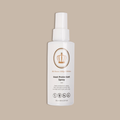
This spray keeps things simple—in the best way possible. It offers heat protection up to 450°F while adding just enough moisture to keep your strands soft and flexible. What sets it apart for fine hair is the water-based formula: no greasiness, no residue, no need to wash your hair a day early. It plays well with blow dryers, straighteners, and even curling irons, making it a solid pick if you like to switch things up. Bonus: It’s formulated to help extend your style without weighing you down.
2. Biolage Professional Bond Therapy Leave-In Cream
Best for: damage-prone fine hair that still wants volume
Don’t let the word “cream” scare you—this one’s different. Biolage's Bond Therapy Leave-In Cream has a silky, almost lotion-like texture that melts into hair without coating it. It’s especially great if your fine strands are also dry, bleached, or heat-stressed. The formula includes coconut oil and citric acid to reinforce weak bonds while protecting up to 450°F. It gives a soft, salon-like finish without killing volume at the roots.
3. Shu Uemura Netsu Design Blow Dry Cream
Best for: long-lasting blowouts without stiffness
Another cream that makes the fine-hair cut, Shu Uemura’s Netsu Design uses shape-memory technology to help hair hold its style longer—so if you spend time with a round brush and blow dryer, it won’t all fall flat in an hour. Despite its hold, the finish is flexible, smooth, and never sticky. And yes, it protects up to 450°F. It’s definitely a premium pick, but if you’re after that sleek-but-touchable texture, it’s worth the splurge.
4. R+Co Bleu Hypersonic Heat Styling Mist
Best for: flexible hold and airy texture
This ultra-fine mist lives up to the "hypersonic" name. It dries almost instantly, which means it won’t dampen your roots or ruin your volume. Designed for professional use (but blessedly available to regular people), this protectant shields against heat while adding touchable hold that feels like second-day hair—but in a good way. It’s especially ideal for fine hair types that struggle to keep curls in place without feeling crunchy or coated.
5. Olaplex Volumizing Blow Dry Mist
Best for: heat protection plus a volume boost
Olaplex is known for bond repair, but this blow dry mist was made with fine-haired folks in mind. It gives that signature Olaplex strength while also lifting the root and protecting from temps up to 450°F. The formula is buildable but never sticky—great if your strands need support, not stiffness. It also has a bit of heat-activated styling memory, so your blowout stays bouncy longer. If you’re hunting for the best heat protectant spray for fine hair, this one deserves a serious look.
6. Bumble and Bumble Hairdresser’s Invisible Oil Heat/UV Protective Primer
Best for: softening, detangling, and protecting all at once
Technically a primer, but don’t let the name fool you—it’s a multitasking spray that’s ideal for fine hair that’s also dry or tangly. This cult favorite uses a lightweight oil blend to add slip and moisture while protecting against heat and UV exposure. And it really is invisible; no heavy shine or greasy finish. Just smooth, swishable hair that still has bounce. A good heat protectant for fine hair if you want that air-dried softness, even when you’re not air-drying.
7. IGK Good Behavior Spirulina Protein Smoothing Spray
Best for: frizz-prone fine hair that still wants volume
Think of this one as a keratin treatment in a bottle, minus the weight or commitment. It uses spirulina protein to smooth and strengthen, and offers 24-hour frizz control with heat protection up to 450°F. It’s one of those rare sprays that tames puffiness without stealing body, making it a go-to if your fine hair tends to react to humidity. Great for blowouts, waves, or taming post-shower chaos.
8. CHI 44 Iron Guard Thermal Protection Spray
Best for: affordable everyday heat protection
A drugstore classic that’s still going strong. CHI’s 44 Iron Guard is ideal if you’re heat styling often and want reliable protection without spending $40+ a bottle. The formula is light, quick-drying, and designed specifically for fine to medium hair types. It doesn’t do much in terms of styling hold or added shine—but it does exactly what a heat protectant should: protects. For the price, it’s hard to beat.
9. Moroccanoil Perfect Defense Heat Protectant
Best for: dry fine hair that needs softness and shine
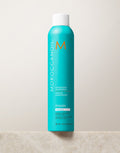
This argan oil–infused aerosol sounds heavy—but it’s surprisingly airy. Designed to be used on dry hair, it’s perfect for second-day restyling or touch-ups with hot tools. It gives a smooth, soft finish without greasing up the roots, and protects up to 450°F. If your ends are fragile or you often use curling wands, this is a smart one to keep in rotation. One of the best heat protectant for fine hair options if you lean on the dryer side.
10. Redken Quick Blowout Heat Protecting Spray
Best for: cutting down dry time without losing volume
This spray speeds up blow-drying (a win for fragile hair that doesn’t love lingering heat) while adding lightweight conditioning and a soft, fruity scent. It’s not greasy, doesn’t coat your strands, and gives a nice polish without zapping lift. Bonus points for its ease of use—just mist on damp hair and style. A subtle but effective finisher to round out our list of the best heat protectant for fine hair.
Can you skip heat protectant if your hair is “low heat”?
If you’re only hitting your strands with a quick blast of the blow dryer, you might wonder if a heat protectant is really necessary. After all, it’s not like you’re clamping down with a 450°F flat iron, right?
Not quite. Even low-to-medium heat tools can damage the cuticle layer of fine hai, even more so when it’s wet, brushed, or color-treated. And because fine hair is, by nature, more delicate, it’s often the first to show signs of heat stress: fraying ends, dullness, lack of bounce.
The best heat protectant for fine hair doesn’t just guard against extreme temperatures. It also creates a flexible barrier that smooths the surface, controls moisture loss, and helps your hair dry more evenly. This can make your styling faster and more efficient—which, ironically, means less overall heat exposure.
Also worth noting: many protectants these days are multitaskers. They detangle, smooth, control humidity, even provide UV defense. So even if you’re only using heat once or twice a week, applying a light mist or primer beforehand is like SPF for your strands. You’ll thank yourself later.
So yes—even “just a little heat” deserves protection. Especially if you’re working hard to maintain healthy, soft, volume-friendly hair. And luckily, as you’ve seen in our list above, there’s no shortage of lightweight options that won’t leave you limp, sticky, or second-guessing your styling routine.
Choosing the best heat protectant for fine hair
The right heat protectant does more than guard against split ends—it helps your style last longer, keeps frizz at bay, and supports the health of your hair over time. For fine hair especially, every product in your routine should pull its weight without adding weight.
Lightweight sprays and heat-safe tools go hand in hand. Plus, small shifts—like applying protectant on damp (not soaking) hair, or adjusting your tool’s temperature to suit your hair’s needs—can lead to stronger, more resilient strands. The best results come from consistency, not just one miracle product.
If you’re looking to upgrade your full routine, the LifeTYME blog is a solid place to start. You’ll find easy-to-follow styling tips from our salon pros, as well as deep dives on hair health.
5 genius flat iron tips for your pixie cut era
The short-hair styling hacks you’ll use on repeat
We all worry when we get a pixie cut that our hair styling days are over. Like, did we just trade beachy waves and ponytail flips for… helmet hair and hope?
But girl, we were wronggg. A pixie isn’t the end of styling—it’s the beginning of becoming that girl. The one who rolls out of bed, runs a flat iron through a few pieces, and somehow looks cooler than when she had 12 inches of hair to work with.
Because with a few smart tricks, a flat iron becomes the ultimate short-hair tool. Crown lift? Yup. Flipped fringe? Done. That effortless, sculpted shape that looks intentional but not fussy? It’s all in the technique.
No hot rollers, no third arm, no styling fatigue. Just five quick tricks built specifically for cropped cuts—and a little bit of TYME (wink wink).
Let’s go!
The best tips for pixie styling success
1. Use your flat iron like a root sculptor, not a curler
The biggest mistake with pixie cuts? Trying to curl them like longer styles. Spoiler: there’s no length to wrap, and trying just makes things stick out in weird directions. What you can do is use your flat iron to sculpt your roots.
Clamp close to the scalp—especially around the crown or temple—and gently flick the wrist in the direction you want the hair to fall. It’s less about curls, more about control. Think: volume here, sleekness there, a little height where it counts. It gives your pixie actual structure instead of letting it sit flat.
How to do it:
– Start with dry hair and a quick mist of Hydrate Heat Protectant.
– Take a small section near the crown or fringe.
– Hold your flat iron vertically and clamp right at the root.
– Gently twist your wrist forward or backward (just once—don’t overdo it).
– Let it cool for a sec before styling with fingers.
2. Flip—or curl—your fringe for instant shape (and drama)
Short hair + greasy fringe = chaos. But before you spiral, just know your flat iron is the fix. A tiny flick or full-on curl at the front gives your pixie cut instant life—even on day three, even if you “just needed to run errands.”
No matter if you’ve got baby bangs, curtain fringe, or some soft face-framing pieces, don’t flatten them. Flip them up and out, or go bold with a soft curl that makes the fringe the main character. A little drama at the front adds polish, edge, or softness depending on your mood—and no one has to know your roots are due.
How to do it:
– Start with dry hair (no need to freshly wash).
– Take your fringe or face-framing section.
– For a soft flip: clamp mid-way and bend away from your face using a gentle “C” motion.
– For a mini curl: clamp near the base, twist your iron once, and glide slowly through the strand.
– Let it cool, then finger-style or brush out to your liking.
It’s the quickest way to make your pixie feel styled—even if the rest of your hair is still deciding what mood it’s in.
3. Add micro bends for soft, piecey texture
When your hair’s short, every bend counts. You don’t need full curls—you need little nudges of shape that break up the uniformity and add effortless texture. Think less “I styled this for 45 minutes” and more “My hair just dries like this” (except, obviously, it doesn’t).
Micro bends are especially clutch for pixie cuts that fall flat at the sides or feel too round at the back. They give that tousled, model-off-duty finish without heat stacking or making everything look overworked.
How to do it:
– Mist on your heat protectant (you know the one: Hydrate Spray).
– Take a small section of hair—about an inch wide.
– Clamp your flat iron mid-shaft, give a tiny twist or flick of the wrist, and glide an inch.
– Repeat in alternating directions for a natural, irregular texture.
– Use your fingers or a wide-tooth comb to separate and zhuzh.
It’s the secret to pixie hair that looks lived-in, cool, and way more complicated than it actually is.
4. Pop the crown for subtle (but major) volume
One of the quickest ways to elevate a pixie cut—literally—is by giving the crown a little pop. It’s that soft lift at the back that makes your whole style feel more sculpted and less… flat helmet.
It doesn’t take much, just a few clever flicks of the flat iron right at the roots can transform your silhouette from round and safe to edgy and intentional. And the best part? It holds, even when the weather doesn’t.
How to do it:
– Flip your head slightly forward and find your crown section.
– Take a small piece (about an inch thick), lift it straight up.
– Clamp your flat iron close to the root and do a slight upward bump—like a micro lift.
– Hold for one second, then release and let it cool in the air.
– Repeat on 2–3 more sections around the crown, depending on your density.
This trick gives just enough height without looking teased or retro. It’s especially good for balancing out undercut sides or a sharp fade—and it makes your pixie feel styled, not accidental.
5. Lock the ends with a finishing flick
With short hair, the ends are the entire style. There’s no length to hide behind, no waves to soften things later. Which means: if your ends fall limp, the whole look goes meh. The fix? A tiny, intentional flick on the very tips locks in your shape and keeps it looking sharp.
This trick helps control cowlicks, prevent flippy weird pieces behind your ears, and adds that "she’s got it together" finish—without looking overdone.
How to do it:
– Style as usual with your flat iron (hello micro bends + crown lift).
– Once your shape is set, go in just on the ends.
– Clamp lightly and do a soft outward or inward bend, depending on where the section sits.
– For sideburns or nape pieces, flick outward for a little edge.
– Let cool, then use a dab of lightweight pomade or shine spray to keep them in place.
It’s the difference between styled and just… short. And yes, it totally gives that editorial-texture even when you’re three coffees deep and on your fourth meeting of the day.
Pixie cut flat iron mistakes to avoid (aka what not to do with short hair + heat)
Pixie hair can serve. But when things go sideways, it goes really sideways. One flick too tight, one pass too high on the root—and suddenly you’re giving “accidental anime character” or “1998 boyband.” Let’s not.
Here are a few common flat iron mistakes short-haired babes make (and how to avoid them):
1. Over-straightening every piece
It’s tempting to smooth everything down, especially if your texture gets puffy. But making every section pin-straight actually flattens your shape and robs you of dimension. Instead: just smooth the sides and nape. Let the crown, fringe, and top have texture or lift.
2. Using a wide plate iron
Girl. If your iron is thicker than your section, it’s too big. You need a flat iron that’s actually built for short hair (like the Tyme Iron Pro). Smaller plates = more control = no “oops I just straightened my ear” moments.
3. Clamping too hard
Short hair is fragile. Heavy clamping with heat leads to bends that won’t brush out (or worse—creases that look accidental). Always keep your grip light and fluid, especially near the roots or fringe.
4. Skipping heat protectant
Yes, it’s short. No, that doesn’t mean it’s indestructible. A lightweight protectant like the Hydrate Spray adds slip and shine, and helps prevent crispy ends. Just mist, style, and go.
5. Expecting it to stay perfect all day
Spoiler: it won’t. But short hair is way easier to refresh. A few mid-day touch-ups (see: Trick 2 fringe flip) are all you need to bounce back.
So, short hair who?
The pixie cut might be low-maintenance, but that does NOT mean boring—and it definitely doesn’t mean giving up your styling era. With the right flat iron and a few game-changing tricks, your cropped cut can serve sculpted, voluminous, effortless energy daily. No teasing. No hour-long routines. Just a few strategic flicks, bends, and bumps that make your short hair feel intentional—like it’s saying something. (Because it is.)
Whether you're on day one or day three, whether you woke up with sleep creases or cowlicks, there’s always a fix. A flip here, a crown lift there, a little fringe drama at the front—and boom. You’re out the door looking like you’ve got a whole styling team behind you.
It all comes down to this: short hair isn’t the end of versatility, it’s the start of a new kind of power move. And if you’ve got the right flat iron in your kit—something nimble, hot, and quick to use—then you’re already halfway there.
Go on, play. Experiment. Curl that fringe. Wear the bendy pieces. And when someone asks how you made your pixie look that good?
Just smile and say, “It’s TYME.”
And pssst. The Tyme Iron Pro was literally made for short hair babes who want options. Curl it, flick it, smooth it, zhuzh it—all with one multitasking tool that actually fits your life (and your shelf).
Shop now and make TYME your go-to.
Tyme Iron or Dyson Airwrap? Let’s settle the hot tool debate
Dyson might have the hype, but Tyme has the heat
At this point, it feels like Dyson drops a new hair tool every other week. Every time you blink, there’s a fresh $600+ launch, a new “breakthrough” barrel, and another influencer swearing this one finally changed their life. Like okay, slay engineering department—but just because it's high-tech doesn’t mean it stacks up IRL.
And sure, the Airwrap is pretty. You've probably seen the hauls, the pink satin boxes, the “this was a splurge but worth it… I think?” energy. But here’s the catch: those dreamy curls? They don’t always make it past your front door. And using it can feel like assembling IKEA furniture—except you’re on 3% battery and already late.
Now meet the Tyme Iron Pro. One sleek multitasker, no attachments, no manual-reading session. Just one tool that straightens and curls and holds… with *actual* staying power. It's built for the girl who wants her hair to look fire and still make her 9 a.m.
So, if you're wondering who really deserves the prime spot on your bathroom counter—this one's for you.
Let’s break it all the way down. And believe it or not, we’re not biased.
What you get out of the box
We’re going to start with what you're actually buying—because sure, the aesthetic is cute, but we care more about how it fits into real life.
Dyson Airwrap: The full kit comes with a blow-dryer attachment, a round volumizing brush, multiple smoothing brushes, and a whole collection of Dyson Airwrap attachments—including curling barrels that wrap in different directions (because no, it’s not as intuitive as it looks on TikTok). It’s luxe, it’s high-tech… and it takes up serious space. That big colored box is a moment on your bathroom shelf—but it’s a bulky one.
And girl, if you’re heading out of town? Say goodbye to packing light. That kit doesn’t exactly slip into your carry-on, unless your “weekend getaway” includes checked luggage and a separate suitcase for beauty gear.
Tyme Iron Pro: Now compare that to the Tyme Iron Pro. It’s one multitasking tool that straightens, curls, waves, flips—literally whatever feel you’re going for. No extra barrels, no removable heads, no reading the fine print. Just a tool that shows up, does the job, and fits neatly in your bag without sacrificing outfit space. And yes, it works with any voltage, so it’s got your back even abroad.
The vibe check: Dyson is all about the ceremony—unboxing, switching attachments, prepping damp strands. TYME is all about efficiency.
One tool, one plug, one goal: make your hair look bomb fast. And honestly, for travel, quick get-ready mornings, or anyone who doesn't have a glam team on speed dial? Less really is more.
Let’s talk results—because cute tools mean nothing if the style doesn’t last
Dyson Airwrap fans will say it’s “gentler” on your hair—and that’s technically true. It uses warm air and the Coanda effect to style without direct heat. But here’s the not-so-secret truth: those glossy, bouncy curls you see in influencer videos? They often fall flat FAST. Especially if you’ve got heavy hair, thick strands, or literally any kind of humidity in your zip code.
And yep, even the most glowing Dyson Airwrap review usually slips in the line: “Just make sure to add a ton of product.” Or, “They didn’t really hold in my hair, but…” Girl. Be for real.
Tyme Iron Pro takes a different approach: it brings the heat smartly, with evenly distributed titanium plates that style fast and seal the cuticle while they do it. It gets hot (300ºF to 400ºF range), but that’s kind of the point—you get smoothness and definition, minus the four rounds of touch-ups.
The result? Curls that hold. Straight styles that don’t puff up. Waves that actually last through brunch, meetings, and date night. You don’t need to drench your head in hairspray or do the curl-and-pray routine. And for those asking how to use a Tyme Iron—it takes minutes to learn, and way less than that to master.
So, if you want hair that doesn’t quit the second you leave the house, TYME doesn’t play around. Dyson may feel like a spa moment, but Tyme gets the job done.
Ease of use—One is intuitive, the other has a learning curve (and a group chat)
How to use the Dyson Airwrap? Start with damp hair, pick the right barrel, figure out the direction it spins, and try not to mix up the left vs. right side. Oh—and don’t forget to switch barrels mid-style if you want curls to face opposite ways. Sound like a lot? It is. The Airwrap can give you that salon-finish look, but it comes with a tutorial rabbit hole, arm cramps, and a learning curve that could honestly qualify as a part-time job.
Now it’s time for Tyme Iron Pro. The technique might look a little unfamiliar at first (hi, twist + glide), but it’s made to be mastered in minutes. Once you’ve got the hang of the angle, it’s muscle memory—suddenly you’re flipping, curling, waving like a professional. No attachments. No guesswork. No “wait, why is this side flat?”
And because it’s a Tyme Iron Pro, not just your average flat iron, you can switch from curls to straight in one pass—without digging through a pile of tools or trying to remember what the pink barrel does again.
Bottom line? Dyson feels like an experience. Tyme feels like control. You learn it once, and you’re set for life. (Or at least until your next night out.)
One of these tools is texture-friendly. The other has a type.
The Dyson Airwrap may be a beauty-status symbol, but it’s also kind of a diva when it comes to hair types. If your strands are naturally smooth or fine? Cool. You’ll probably get the look. But for literally anyone outside that lane, things get a little… high maintenance.
Dyson tends to prefer
✨ Fine, naturally straight or soft-textured hair
✨ Freshly washed, still-damp strands
✨ Small sections, lots of prep, and a little extra prayer
But if you’ve got thicker hair, curls, or texture that doesn't just fall into place?
You might be dealing with
❌ Curls that unravel by the time your makeup’s done
❌ A 45-minute routine with every product under the sun
❌ Attachments that look promising but underdeliver on hold
Now enter: Tyme Iron Pro—aka the one that actually gets you.
What it gives
✅ Even heat that works for fine, coarse, and curly strands
✅ Consistent results on clean, second-day, or styled hair
✅ Curls, waves, flips, straightening—all from one multitasking tool
It doesn’t care how much hair you’ve got or what curl pattern you’re rocking. It works with your texture instead of fighting it, and the hold? She’s not leaving you for flatness by 2 p.m.
No gimmicks. No damp hair rules. No “maybe it’ll hold this time.”
Just one tool that shows up for every version of your hair.
Cost vs. what you actually get
When it comes to splurge tools, the Dyson Airwrap isn’t just pricey—it’s a full-on investment. Like, rent-adjacent. You’re paying for sleek design, engineering flexes, and a lot of hype. And sure, it feels luxe to unbox a tool that comes with its own mini suitcase. But then what? A tool that requires tutorials, dozens of Dyson Airwrap attachments, and still might not hold your curls? That’s a harder sell.
Now zoom out for a second. The Tyme Iron Pro delivers multiple styles with no add-ons needed. You get curls, waves, straight styles, and flips from a single tool—no clips, barrels, or NASA-level assembly. It’s basically your full glam routine in one hand.
But what’s the actual breakdown?
Dyson Airwrap: ~$599
– Includes: The base tool + 47 (okay, 6) attachments
– Works best on: Fine hair + damp hair only
– Known for: Looking cute on your vanity
– Hold: Not so iconic
– Travel-friendly? Not unless you’re checking a bag
Tyme Iron Pro: ~$199
– Includes: Just one multitasker that does it all
– Works best on: Literally every hair type
– Known for: Speed, hold, and styling that lasts
– Hold: Built to last through brunch, cocktails, and humidity
– Travel-friendly? Easily—fits in a carry-on, no problem
The winner? Dyson’s flashy, but TYME’s functional and flexible. If you’re spending your own money and want a tool that works without a whole production, the Tyme Iron isn’t just worth it—it’s the quiet luxury move your routine’s been begging for.
Cute curls are great… but do they hold?
The Dyson Airwrap creates soft, airy curls—emphasis on soft. You might get the aesthetic for a TikTok clip or dinner out, but by dessert? Those spirals have often vanished into a limp wave or... nothing at all.
And if you’ve got hair that’s thick, heavy, or just naturally stubborn? Forget it.
It’s all down to heat control. The Airwrap prides itself on using less direct heat (yay for damage control), but that also means the curl doesn’t always lock in. You’ll spend 40 minutes styling damp hair only to grab your curling wand anyway.
The Tyme Iron Pro? Total opposite energy. Its titanium plates deliver consistent, even heat—meaning curls form fast, and stay. No need to overdo it with high temps or extra product. Just one pass, a cool-down, and you’re set for the day (or night, or both).
And because you can control the heat—from 300° to 400°F—you get lasting style without sacrificing your hair health.
In summary?
– Dyson Airwrap: Light touch, luxe feel, but curls that fall flat—fast
– Tyme Iron Pro: Curls, waves, flips that actually last (even through humidity and bad dates)
Because what’s the point of styling your hair if it’s gone before your coffee hits?
Final verdict? The Tyme Iron Pro clears.
Look, no one’s saying the Dyson Airwrap isn’t pretty. The branding is *immaculate*. The box feels like you’ve just adopted a baby robot stylist. But once the shine wears off (and the curls fall out), you’re left with a $600 tool that needs attachments, tutorials, and towel-damp timing to maybe give you volume.
The Tyme Iron Pro, on the other hand? It WORKS. For thick hair. For fine hair. For day-two hair. For girlies who don’t want their countertop to look like a science lab.
It’s faster. It’s easier. It holds. And best of all? It’s not just a flex—it’s functional. You don’t need a blowout appointment, a 10-step prep, or three plug converters just to feel cute on vacation.
If you want a multitasker that does the most without doing too much? This is it.
Ready for a new hot tool era? Your hair (and your suitcase space) will thank you. 💜
Shop here.
10 Flat iron volume hacks for hair that doesn’t fall flat
You don’t need rollers or mousse—just a better technique
Big hair is back, babe, and TikTok’s been screaming it. From Sabrina Carpenter’s choppy, flippy ends to those bouncy 2000s blowouts filling every FYP, “flat” is officially out. The IT girls of 2025? They’re wearing hair like it’s part of the outfit—lifted roots, flared layers, and a little bend that says, I didn’t try that hard (but I did).
And while everyone’s reaching for hot rollers and round brushes, here’s a secret: your flat iron might just be the ultimate volume hack. Yep. The same tool you’ve been using since high school to press your hair into submission? With the right technique, it’s a backstage pass to soft volume, swoopy bangs, and ends that actually bounce.
The secret? It’s all in the angles—and the tool. Multi-stylers like our TYME Iron Pro were *made* for this moment. One flick of the wrist and suddenly you’ve got bend, lift, and hold without ever switching tools. Add a solid heat protectant (hi, this one) and you’re golden.
So, if your layers are layered, your FYP is full of big-hair inspo, and you’ve been wondering how everyone’s hair suddenly got so alive, this one’s for you. These 10 flat iron volume hacks are quick, scroll-proven, and—most importantly—they actually work.
Flat irons aren’t the enemy of volume—they just got cooler
Somewhere between 2007 and now, flat irons went from “must-have” to “meh.” They were blamed for limp hair, fried ends, and middle school flashbacks. But here’s the plot twist: they didn’t get worse—we just got better at using them.
TikTok’s been busy resurrecting all things Y2K and ‘90s, but this time, it’s not crunchy curls or stiff flips. It’s bendy, touchable, bouncy volume—and flat irons are quietly becoming the hero that Pam Anderson would be proud of.
And don’t get it twisted: this isn’t the era of flat-ironing your bangs into a triangle and walking away. This is about curve-ins at the ends, curtain bangs with movement, and styles that mimic a profesh blowout without even picking up a round brush.
Yes, Sabrina Carpenter's layered, lifted glam may have you thinking rollers or hot brushes are the only way, but spoiler alert: those same results? Totally possible with the right flat iron and a little wrist finesse. Especially when you’re working with something like the TYME Iron Pro—designed to straighten and curl, without pulling your hair flat as a pancake.
It’s time to rethink what your iron can do. Because “straight” doesn’t mean limp anymore—and this little tool? It’s got some volume tricks up its (ceramic-titanium) sleeve.
Prepping for volume—The secret sauce before you even plug in
Before you start flipping ends or lifting roots, we need to talk prep—because volume doesn’t just come from your technique. It starts in the shower (yep) and builds with every product and pass after that.
Step 1: Start clean, but not TOO clean
Fresh hair is great, but hair with a little grip gives better hold and volume. Think one-day post-wash, or use a texturizing shampoo that doesn’t leave you squeaky clean. You want your strands light, not stripped.
Step 2: Protect at all costs
This is non-negotiable. Heat protectant is a serious NEED and actually sets the stage for smoother passes and longer-lasting shape. The Lauren Ashtyn Collection Heat Protectant pulls double duty: it guards against heat up to 450°F and adds a light touch of hydration so your ends stay shiny, not singed.
Step 3: Divide and conquer
Sectioning isn’t just for blowouts. Breaking your hair into layers lets you target the areas that need the most volume—aka the crown, roots, and those outermost layers. Use clips, work in clean zones, and resist the urge to rush.
Step 4: Know your plate game
Not all irons are created the same. If you’re using the TYME Iron Pro (cough cough, why wouldn’t you be), you’ve already got titanium plates, which deliver fast, even heat (aka: no sizzling one section while another stays limp). Ceramic tends to be gentler and better for fine or color-treated hair, but titanium’s where it’s at for shaping and holding volume.
TLDR? The better you prep, the harder your hair works for you. We’re not building a blowout—we’re engineering hold, height, and bend that actually stays. And it starts right here.
10 flat iron hacks that actually hit
1. Flip your ends out instead of under
The classic “under curl” is basically the hair equivalent of playing it safe—but flipping your ends out? That’s where the cool factor lives. Outward-facing ends add lift, dimension, and that effortless, off-duty vibe you see on street-style girls and IG baddies. Start your pass mid-shaft, then twist your wrist away from your face as you glide down.
TYME tip: hold the bend for two seconds before releasing to help it stay. Bonus points if you follow with a soft-bristle brush to break it up for that light, fluffy finish.
2. Bend at the mid-lengths, not the roots
We get it—you want root lift. But clamping your iron too close to the scalp usually leads to creases or heat damage. Instead, work your flat iron in the mid-length zone. Take a section, clamp around your ear level, and gently flick your wrist to build a curve through the body of the hair. This technique adds shape and movement without overstyling. It’s especially good for reviving second-day hair when the roots are flat but the ends still have life.
3. Use the clamp-and-bump trick at the crown
For those days when your hair feels like it’s melting into your scalp—this is your fix. Lift a section at the crown straight up, clamp about an inch from the roots, and do a quick bend upward (we’re talking slight here, not full ON curl). Hold for just a second and let it cool before letting the hair fall. It gives you a mini root lift without any teasing or hairspray buildup. For extra hold, try layering this hack with a spritz of dry shampoo at the roots.
4. Start at an angle, not flat
How you hold your flat iron makes a massive difference. Instead of going in with your iron parallel to the ground (aka flat), tilt it diagonally when you clamp your section. This angle helps shape the hair in a more natural, flowing curve—especially around the face. Think of it like contouring for your layers: it frames, lifts, and softens all at once. Try this with curtain bangs or shorter front layers to get that flicked, soft-blowout look.
5. Go over-curved, then brush out
Don’t be afraid to go big at first—because flat iron curls relax. If you’re aiming for soft bends, start by giving your section a stronger shape than you think you need. Once the hair cools, brush it out gently with a paddle brush or wide-tooth comb. This lets the volume settle into a soft, airy texture instead of droopy waves. Want more hold? Pin each section while it cools, then release once your full head is styled.
Pin curls are everywhere right now, and believe us—they SERVE.
6. Alternate directions to build texture
Flat iron curls all going the same way = stiff, overly styled hair. Instead, switch up your direction: curl one piece toward your face, the next one away. This keeps the hair from clumping together and gives you that dimensional, lived-in texture everyone’s going for. It’s especially helpful for fine hair that tends to fall flat—alternating adds volume and movement without heat stacking the same section over and over.
7. Let your sections cool lifted
Heat shapes your hair—but cooling locks it in. After each pass with your flat iron, gently lift the section and hold it in place for a few seconds while it cools. You can even clip it up temporarily if you’re doing your whole head. Think of it as a mini set: it helps your volume stay instead of collapsing the second you step outside.
8. Avoid too-small sections
It’s tempting to go micro when you want precision—but smaller isn’t always better. Styling too-thin sections means more heat, more time, and more risk of flatness. For volume, stick to 1 to 2-inch sections. They allow the heat to distribute evenly without over-smoothing your hair. And if you’ve got layers? Try stacking the top and bottom pieces together in the iron to unify your shape.
9. Use less pressure
Repeat after us: you are *not* making a panini. Clamping your flat iron too tightly flattens the cuticle (and all your volume along with it). Instead, use light to moderate pressure—just enough for the heat to do its thing without squashing your shape. A looser grip also lets you curve more naturally, making the hair feel lighter, softer, and more touchable.
10. Refresh volume without rewashing
Flat ironed styles usually fall flat by the evening (cry)—but that doesn’t mean you have to start over. A root-boosting dry shampoo or volumizing texture spray can bring the bounce back, especially when applied with your head flipped upside down. Massage it in with your fingertips, then hit a few sections with a warm (not hot) flat iron pass using the clamp-and-bump technique. And don’t forget a lightweight protectant if you’re applying more heat—your hair still deserves care on round two.
Flat iron ≠ flat hair. Period.
Let’s retire the myth that flat irons are only good for pin-straight styles and start treating them like the multi-hyphenate tools they really are. You’ve got 10 hacks now that don’t just add volume, they unlock a whole new attitude—whether you’re going for subtle bend or full-blown drama.
These tricks work because they play to your hair’s natural movement, not against it. They’re made for choppy layers, fine strands, thick blowouts, or anything in between. No rollers, no root sprays, no hot air barrels required—just smart styling and the TYME tools that make it easy (not to be biased, but they really are the ultimate multitasker 😉).
Now next time your hair feels a little...meh? You’ll know exactly what to do. Now go make some noise with that hair, babe. Big volume looks good on you.
Burnt hair smell after flat ironing? Here's what's causing it—and how to stop it
Heat styling shouldn’t come with a side of singed scent. Here’s how to stop the damage before it starts.
You finish flat ironing your hair. It looks smooth. The ends are tucked just right. But then there’s that smell.
It’s faint but unmistakable—something between scorched and smoky—and it lingers long after the plates cool down. If you’ve ever caught a whiff and thought, Why does my hair smell burnt after flat ironing? you’re not imagining it. That scent is your hair’s way of telling you something isn’t right.
In most cases, it doesn’t mean your hair is ruined. But it does point to heat stress, product buildup, or technique issues that could lead to damage if ignored. With a few small shifts in how you prep and style, you can stop the smell, protect your strands, and keep your hair looking and feeling clean—even when using high heat.
What causes the burnt hair smell?
There’s no single reason your hair smells burnt after using a flat iron—it’s usually a mix of heat, buildup, and the natural properties of your hair. Here are the most common causes:
Overheating your strands
Hair is made primarily of keratin, a protein that begins to break down when exposed to extreme temperatures. Flat irons that reach 400°F or more can scorch the outer cuticle if your hair isn't properly protected. Once keratin starts to degrade, it releases a distinct odor—like burning protein.
The thinner or more chemically treated your hair is, the lower your tolerance for heat. What works for thick, coarse hair can be too harsh for finer textures.
Product buildup on your hair—or your flat iron
If you use dry shampoo, leave-in treatments, serums, or styling sprays, they can build up on your hair over time. When you run a hot tool over that residue, it essentially "cooks" the product, releasing a burnt or chemical-like smell.
Even worse? If your flat iron plates are coated with leftover product or oils, they can reheat and transfer that residue back onto your freshly cleaned hair.
Styling hair that isn’t fully dry
Flat ironing damp or under-dried hair can create a sizzling sound—and a smoky smell. That’s because the moisture in your hair is being flash-boiled under high heat. The steam might be visible, but what you don’t see is the internal damage that can happen when hair isn’t fully dry before styling.
Heat styling too often without recovery time
Even if you’re using heat protectant and keeping your flat iron clean, daily styling without restorative treatments can wear down the hair shaft. Over time, your strands become more porous and vulnerable to burning, which can make that singed smell appear faster and linger longer.
Is the burnt smell a sign of permanent damage?
That lingering burnt smell can be alarming, especially when you’ve just finished styling. But before you panic, it’s important to understand what the scent actually means—and what it doesn’t.
Smell vs. visible damage
A burnt smell doesn’t always mean your hair is fried beyond repair. In many cases, it’s just surface-level stress. When product residue heats up or moisture is rapidly evaporated, it can leave behind a scent without immediately altering the structure of the hair.
Real damage, on the other hand, shows up in more tangible ways:
– Brittle or straw-like texture
– Excess shedding or breakage– Split ends that appear quickly, even after a trim
– Loss of elasticity when wet
If you’re not seeing these signs, you might be catching the problem early—which gives you room to fix it before deeper damage sets in.
Heat-damaged hair feels different
Healthy hair has a smooth, flexible feel. Once the outer cuticle is compromised, the texture shifts. It may feel rough to the touch or look dull, especially at the ends. If your hair no longer holds style the same way or always looks dry, heat damage may already be setting in.
Even if the burnt smell fades after washing, take it seriously the first time it happens. That scent is your early warning system.
When to reassess your routine
If your hair smells burnt consistently—every time you style—it’s time to adjust your habits. That could mean lowering your heat setting, switching to cleaner products, or giving your hair longer breaks between styling sessions.
Think of the smell as a cue, not a consequence. It’s your chance to shift before things move into breakage territory.
Common heat styling mistakes that make it worse
Even with the best intentions, certain habits can quietly work against your hair’s health. If you’re noticing a burnt smell after flat ironing, one or more of these could be the reason.
Skipping heat protectant
It may feel like an optional step, especially when you’re in a rush—but skipping heat protectant is one of the fastest ways to push your hair past its limits. These products create a protective barrier between your hair and high heat, helping to prevent both surface damage and that scorched scent. Without it, the iron presses directly against your hair’s cuticle, increasing the chances of burning, dryness, and protein breakdown.
Flat ironing over leftover product
Dry shampoo, oils, hairspray, and leave-ins can coat the hair in layers of buildup. When you run a hot tool over that residue, it doesn’t just create an unpleasant smell—it can also fry the product onto your hair, leading to dullness, breakage, or clogged iron plates.
Flat ironing works best on clean, dry hair that’s free from heavy styling products. If you’re refreshing second-day hair, use a heat-safe dry shampoo and gently brush through before applying heat.
Using too high a heat setting for your hair type
Not all hair needs maximum heat to hold a style. In fact, using a high temperature on fine, color-treated, or already fragile hair can cause more harm than good. It’s a common myth that hotter equals better results. In reality, it just speeds up wear and tear.
Try adjusting your flat iron’s temperature based on texture:
– Fine or processed hair: 280°F–320°F
– Normal to slightly wavy: 320°F–375°F
– Thick or coarse: 375°F–410°F
Anything above that? Only if your stylist is doing a silk press with the right prep and deep conditioning beforehand.
Ironing the same section too many times
If your hair isn’t straightening on the first or second pass, the problem might not be your texture—it could be your prep. Wet spots, old product, or uneven heat can make you feel like you need multiple passes, which only increases the chance of burning your strands.
Instead of going over the same area again and again, pause and reassess. Let the iron cool. Recheck your prep steps. One clean pass always beats four rushed ones.
Not trimming or treating regularly
When the ends of your hair are already dry or frayed, they’re much more likely to burn. Without regular trims or restorative treatments, those split or fragile pieces absorb heat unevenly—and they’re often the first to give off that burnt smell. Think of trims and masks as your flat iron’s support team. They help maintain balance, even when heat is part of your routine.
How to prevent your hair from smelling burnt
Preventing the burnt smell starts with a few smart habits. You don’t need to ditch your flat iron—just tweak your routine.
Clean your flat iron often
Buildup from products and oils can burn on the plates and transfer to your hair. Wipe down the plates with a damp cloth and rubbing alcohol every few uses to keep things clean and odor-free.
Flat iron only when hair is fully dry
Styling damp or slightly wet hair can cause steam and burning smells. Always wait until your hair is completely dry, especially at the roots and under layers.
Choose the right heat setting
Too much heat is one of the top causes of the burnt smell. Use the lowest effective temperature for your texture, and avoid maxing out the settings unless absolutely necessary.
Stick to one lightweight heat protectant
A single, clean product is enough. Layering too many protectants or oils can lead to residue buildup—and that’s what burns.
How to get rid of the burnt hair smell
If your hair already smells burnt, don’t panic. With the right approach, you can clear the scent without stripping your strands or causing more damage. Here’s how to reset.
Use a clarifying shampoo
The fastest way to remove lingering odors is with a clarifying wash. These shampoos are designed to break down product buildup, oil, and residue. Look for a sulfate-free option if your hair is color-treated or on the drier side.
Use once a week or as needed—more often can dry out your scalp.
Try a diluted apple cider vinegar rinse
For a gentler alternative, mix 1 part apple cider vinegar with 3 parts water and pour it over your hair after shampooing. Let it sit for a minute before rinsing. It helps neutralize odor while smoothing the cuticle. Just avoid using this method too frequently, especially if your scalp is sensitive.
Focus on deep conditioning afterward
After clarifying, your hair might feel a little dry. Follow up with a deep conditioning mask or bond-repair treatment to help rehydrate and strengthen the strands. These formulas not only restore softness but also help seal in a clean scent.
Use lightweight leave-ins or refreshing sprays
Once clean, keep your hair smelling fresh with a light, non-greasy leave-in or dry conditioning spray. Avoid anything heavy or overly perfumed, which can clash with your natural scent or weigh the hair down.
Give your hair some air
Sometimes, all it takes is time. If you’ve already styled and the smell is faint, letting your hair breathe can help. Avoid piling on more product or trying to mask it with fragrance—fresh air and gentle movement can do more than you’d think.
Reset the routine, not your whole style
A burnt smell after flat ironing doesn’t mean you’ve ruined your hair—it just means your routine could use a reset. Most of the time, the scent is your hair’s way of signaling that something’s off, whether it’s buildup, heat, or technique.
By keeping your tools clean, adjusting your settings, and using the right prep products, you can protect your strands without giving up the styles you love. TYME’s Heat Protectant Moisture & Hydrate Spray is a solid first step. It shields your hair up to 400°F, helps seal in moisture, and leaves behind a soft, clean finish—no stickiness, no smoke, no stress.
Give your hair what it actually needs to stay smooth, strong, and scent-free.
Shop the Heat Protectant Moisture & Hydrate Spray
Flat iron tips for pixie cuts: How to smooth, shape, and style like a pro
Everything you need to know, without the guesswork
There’s something undeniably bold about a pixie cut. It’s chic. It’s freeing. It’s a beauty editor favorite for a reason. But short hair also comes with its own set of styling challenges—especially when you’re working with a flat iron. One wrong flick of the wrist and you’ve accidentally flipped your bangs the wrong way or added more frizz than polish.
If you’ve been hunting for real, no-fuss flat iron tips for pixie cuts, you’re in the right place. Whether you’re smoothing a sleek finish or adding definition to piecey layers, we’re breaking down exactly how to make your flat iron work smarter—not harder—for short hair. Let’s turn your pixie into a statement.
Choose the right flat iron for short hair
The first step to styling success? Your tool. When it comes to short styles like a pixie, not all flat irons are created equal.
Why plate size matters more than you think
When you’re working with inches of hair instead of layers of it, precision becomes everything. Flat irons with wide plates—like the ones designed for smoothing long, thick hair—can overwhelm a pixie. They’re harder to maneuver and can leave behind uneven bends or awkward creases.
Instead, look for a flat iron with slim plates between ½ inch and 1 inch wide. These allow for better control around delicate areas like the ears, hairline, and nape of the neck. You’ll be able to smooth sections in smaller, more deliberate passes without dragging or overheating the hair.
When to use a pencil flat iron
A pencil flat iron isn’t just a clever name—it’s designed to be extra narrow, making it ideal for touching up tiny sections or creating definition in cropped styles. This tool is especially helpful if your pixie cut is ultra-short or heavily textured.
Use it to:
– Flip or tame baby hairs and fringe
– Add separation to choppy layers
– Shape small curls or spikes without tugging
Because the plates are so small, pencil flat irons tend to heat quickly and stay hot. Always start on a lower setting and work your way up to avoid singeing ends.
What makes the TYME Iron different
TYME’s signature iron is known for creating curls and waves with a twist of the wrist, but it’s also quietly brilliant for short hair when used with the right technique. The titanium plates distribute heat evenly, and the angled shape gives you the freedom to lift the roots, smooth out sides, or bend the ends under in a single pass.
For pixie cuts with more volume on top or layered length through the crown, the TYME Iron can help shape those areas quickly without needing a second tool. Its design allows you to “curl and pull” in one motion, making it easier to control styling direction while preserving texture.
How to choose based on your pixie style
Not every pixie is cut the same way—and your flat iron choice should reflect your style.
– Long pixies with side-swept bangs: Go for a 1-inch flat iron with beveled edges. This gives you more styling versatility while still being compact enough to move through shorter layers.
– Short, edgy pixies or undercuts: A pencil flat iron is your secret weapon for precision and detail.
– Textured pixies with volume at the top: TYME’s angled iron works well here to build lift and shape without sacrificing shine.
Prep is everything
Styling short hair with a flat iron might seem quick, but the foundation you lay before heat even touches your strands makes all the difference. A few intentional steps can take your pixie from flat and fuzzy to smooth and sculpted—with better hold and less damage.
Start with clean, dry hair—but not too clean
Freshly washed hair can be slippery, especially if you’ve used a lot of conditioner. If your hair is ultra-fine or doesn’t hold heat styles easily, second-day hair might be your best friend. The natural oils help give the style grip without looking greasy.
For thicker or textured pixie cuts, a lightweight leave-in conditioner or styling cream can help balance moisture while protecting against frizz.
Don’t skip heat protectant
This step isn’t just for long hair. Short strands may be closer to the root, but they’re still vulnerable to heat damage—sometimes even more so, since they’re exposed to more direct heat in smaller sections.
Use a lightweight spray or serum that won’t weigh the hair down. Focus on misting the crown, sides, and fringe, then comb it through to distribute evenly. Let the product dry completely before touching your flat iron to your hair. If it’s still damp, you risk sizzling the strands.
Create your part before styling
Flat ironing locks your shape in place, which is great—unless you’ve parted your hair too far over and end up committed to the wrong side.
Take a moment to section your hair the way you actually want to wear it. That could mean a deep side part for volume, a center part for symmetry, or a tousled, undefined look if you prefer a messier finish. Whatever your vibe, setting it first will help you guide the heat in the right direction for that final look.
Consider adding a primer or volumizer
If your pixie tends to fall flat, a styling primer or root-lifting spray can add a bit of structure without making the hair stiff. Look for products labeled as “thermal primers” or “blow-dry extenders”—many of them double as heat protectants, giving you a boost in hold and shape memory.
A quick mist at the roots, followed by a finger tousle, is usually all you need.
Section intentionally
You might think sectioning doesn’t apply to pixie cuts, but even short hair benefits from structure during styling. Creating small, intentional sections gives you more control over your shape and helps prevent unwanted bends or frizz.
Why sectioning matters for short styles
When you try to flat iron your entire head at once—or just grab random pieces—you’re more likely to miss spots or apply uneven heat. That’s how dents, cowlicks, or flattened crown areas happen. Breaking your pixie into manageable sections helps you stay consistent and shape each layer with intention.
It also helps you move efficiently, especially if you're working with a mix of textures, cowlicks, or newer growth near the neckline.
How to section a pixie cut
Start by visualizing your hair in three key zones:
– Crown/top: This area adds volume and sets the silhouette of your pixie.
– Sides and fringe: These areas frame your face and need precision.
– Back and nape: Often overlooked, but key for a clean, finished look.
Use your fingers or a tail comb to gently separate each zone. You can clip up the top if needed, or simply push it out of the way while you focus on the sides and back first.
Even if your hair is too short for full clips, tucking small sections aside can help you focus one area at a time.
Where to start
If you’re aiming for volume, start at the crown and work your way down. This lets you lift the roots before setting the shape of the top layer.
If you’re going for a sleeker look, start at the nape of the neck and move upward. That way, each section lays cleanly on top of the last, creating a smooth, sculpted effect.
There’s no strict rule—choose the order that fits your cut and your goals.
Keep your passes clean
Flat iron one small section at a time, keeping your wrist steady and your pace even. If you rush, you might have to go over the same spot twice, which increases the chance of heat damage. If your flat iron has floating plates or beveled edges, use them to your advantage by gliding gently instead of clamping too hard.
Flat iron technique tips for pixie cuts
Once you’ve prepped your hair and created clean sections, it’s time to bring your pixie cut to life. Whether you’re aiming for sleek and sculpted or soft and tousled, your technique makes all the difference.
Master the glide-and-flick
For a polished finish, start near the roots, glide the flat iron down the hair shaft, and gently flick your wrist at the ends. This adds just enough shape without curling or spiking the hair. The flick can go under, out, or back depending on your desired silhouette.
This method works especially well on longer top layers or grown-out fringe. It adds curve and movement while keeping the ends controlled.
Avoid dents with consistent tension
Dents and sharp lines often come from stopping mid-pass or clamping too tightly at the root. Instead, apply gentle, even tension as you move through each section. A slow, controlled glide gives you smoother results with fewer touch-ups.
If your flat iron has beveled edges or floating plates, use them to curve the ends softly as you go. This mimics a natural bend and prevents harsh creases.
Use the pencil flat iron for detail work
For those tiny sections near your ears or at the nape of your neck, a pencil flat iron offers better control. It’s also ideal for styling choppy pieces or short bangs, where a larger tool might be too bulky.
Use it to:
– Flip out fringe for a playful look
– Tuck shorter pieces inward for a neater finish– Add texture to the crown by lifting and lightly bending select strands
This tool gives you flexibility without forcing every section into the same shape.
Don’t forget the direction of heat
If you’re going for volume, pull your flat iron upward from the root, then release. For a sleeker look, angle the tool downward, especially on the sides and back. The way you apply heat influences how the hair lays—so treat each section like a mini sculpture.
Refine the fringe
Your bangs or front pieces are often the focal point of a pixie cut. Use a light hand here. Too much heat can make them look stiff or overly curved.
Instead, try this:
– Clamp near the base
– Glide forward at a slight diagonal
– Curve slightly under or out, depending on your style
Let the fringe cool in place before touching it; this can help it hold its shape without extra product.
Your pixie, styled with precision
Styling a pixie cut with a flat iron is less about following strict rules and more about learning what works for your hair. With the right prep, sectioning, and a few small adjustments in angle and tension, your flat iron becomes more than just a heat tool—it becomes the key to creating shape, lift, or smoothness exactly where you want it.
Whether you’re mastering your TYME Iron, reaching for a pencil flat iron, or refining your everyday routine, you now have the tools and techniques to make short hair feel effortless. Keep practicing, stay intentional, and let your pixie cut reflect your personal style—every pass of the iron is a chance to define
10 Best Vitamins for Hair and Nail Growth
TL;DR: To boost your beauty routine from the inside out, these vitamins and nutrients are essential for healthy hair and nails:
Main points:
Vitamin A: Promotes cell growth and natural scalp oils
Biotin (B7): Strengthens and thickens
Vitamin C: Boosts collagen production
Vitamin D: Stimulates follicles
Vitamin E: Moisturizes and protects
Omega-3s: Adds luster and strength
Iron: Supports oxygen delivery
Zinc: Repairs and regulates follicles
Protein: Builds keratin for structure
It's time to talk about a secret to getting the most out of your hair and nails. Skin‑deep research on the best vitamins for hair and nail growth remains limited. But there's enough buzz and firsthand stories out there to make us take a closer look.
And hey, why wouldn’t we want to give our hair and nails a bit of a nutritional boost? So, we did the research: Here are the top hair and nail vitamins to make your beauty routine (quite literally) shine.
1) Vitamin A: For all things cell growth
When it comes to vitamins for hair and nails, vitamin A does a lot for us. Besides its role in healthy vision, it protects our healthy cells and makes sure they’re growing properly. This cell regulation makes it a cornerstone for healthy, growing hair and nails.
But, here is where it gets extra interesting for your locks and tips—vitamin A is also a maestro of sebum production. Sebum, the natural oil your scalp produces, works as a built-in conditioner to prevent dry, brittle hair.
Thanks to vitamin A, your scalp has a natural moisturizer that can help eliminate frizz. And for your nails? It keeps your cuticles healthy and moisturized so they don't dry out.
While we're all about getting nutrients from our diet, sometimes a little extra help doesn't hurt. Integrate vitamin A into your regimen through diet or TYME products to give your hair and nails the nutrients they need to thrive. Think of it as the principal gardener, encouraging your cells to grow lush and vibrant.
Remember, balance is key. Too much vitamin A (above 1.5 mg per day) can be counterproductive, so it's all about finding that sweet spot.
2) Vitamin B7: Aka biotin
If you’ve ever wanted to up your beauty game, you’ve likely heard of the A-lister ingredient biotin. Its fame isn't just Hollywood hype. Experts and enthusiasts back the benefits of biotin as one of the best hair and nail vitamins.
Biotin's claim to fame lies in its power to boost hair growth for those already experiencing hair fall and add that much-coveted shine to your locks. There’s a reason why it’s a popular vitamin for nail growth and hair replenishment.
It's like giving your hair a VIP pass to the nutrition it needs, helping to reduce hair loss and breakage. Biotin is equally beneficial for those with brittle nails. In fact, 2.5 mg of biotin daily may improve thickness, supporting stronger, more resilient nails that are less prone to splitting and cracking.
Biotin still earns some hype, but most research is early and based on small groups with existing hair and nail issues. Yet we're still fans, and biotin is a vitamin worth considering if you're looking to improve your beauty.
So, if you're looking to give your hair and nails the star treatment, biotin might just be your ticket to the red carpet. For the best results, use Biotin and quality hair care products consistently in your beauty regimen.
Looking for the best vitamins for your nails and hair? Here are some examples of biotin vitamins we stand by:
Sports Research High Potency Biotin: Known for its high potency, this biotin supplement is a favorite for those looking to give their hair and nails a serious lift.
Natrol Biotin Maximum Strength Tablets: With its maximum strength formula, this supports healthy hair, skin, and nails, and often delivers quick results.
Solgar Biotin 300 mcg: This lower-dose biotin is a good starting point and supports overall health.
NOW Foods Biotin 10,000 mcg: This high-dose biotin supplement by NOW Foods supports noticeable improvements in hair thickness and nail strength. Consult your dermatologist before using high-dose supplements.
Vitafusion Extra Strength Biotin Gummies: These gummies offer a convenient and tasty way to take Biotin and are popular for their flavor.
Nature's Bounty Biotin Softgels: Renowned for its quality and affordability, this hair and nail vitamin helps maintain healthy hair and nails, making it a staple in many beauty routines.
Garden of Life mykind Organics Plant-Based Biotin: Those seeking a vegan option can choose this plant-based biotin from Garden of Life.
3) Vitamin C: Our antioxidant powerhouse
Vitamin C is likely your go-to immune booster, which makes sense. It's a powerhouse antioxidant supports collagen production, a key protein that strengthens and maintains healthy hair and nails. This vitamin for hair and nails supports your body’s building blocks, helping them stay healthy and resist daily damage.
Collagen acts as the structural foundation for hair and nails, much like steel reinforcements in concrete. Low vitamin C can reduce collagen production, causing weak, breakable hair and brittle nails. Vitamin C boosts collagen production, helping hair stay strong and elastic while making nails less likely to split or break.
Incorporate vitamin C into your diet through citrus fruits, berries, and leafy greens. You can also opt for a high-quality supplement for your beauty regimen. It's like giving your body the raw materials it needs to knit together a masterpiece of strength and beauty from the inside out.
In addition to collagen production, it's also a hero in neutralizing free radicals, thanks to its antioxidant properties. It supports the structure of your hair and nails and protects them from environmental stress that can cause early aging and damage. Make vitamin C part of your routine to support vibrant hair and strong, healthy nails from within.
4) Vitamin D: The sunshine vitamin for follicle health
Vitamin D, often celebrated as the sunshine vitamin, goes beyond bone health. It's a key player for the creation of new hair follicles, and thus for healthy hair growth. Essentially, vitamin D helps "wake up" hair follicles that have become dormant, encouraging them to start producing hair again.
It's like giving a gentle nudge to your hair follicles, reminding them of their job to keep your hair dense and lush. Therefore, a deficiency might disrupt this cycle, potentially leading to hair loss or inhibited hair growth.
This makes vitamin D one of the best vitamins for hair and nail growth, especially if you're aiming to improve hair density and health.
You can get vitamin D by spending time in sunlight, eating foods like fatty fish and mushrooms, or taking a supplement. This ensures your hair follicles are getting the support they need to function optimally.
Sunlight helps you get vitamin D, but it’s important to balance that with proper skin protection. Supplements and a balanced diet safely provide enough vitamin vitamins for hair and nails, especially in cold seasons or with little sun exposure.
5) Vitamin E: Nature’s own lotion
Vitamin E is like a hydration hero for your hair and nails, courtesy of Mother Nature herself.
This nutrient is a potent antioxidant that fight oxidative stress, a major cause of hair and nail damage. Vitamin E neutralizes harmful free radicals, protecting the scalp and nail beds to support healthy growth and strength.
For your scalp, vitamin E acts as a deep moisturizer, soothing dryness and locking in hydration. It creates a healthier scalp for hair growth and reduces inflammation, which can block strong follicle development. Think of it as a soothing balm that keeps your scalp happy and hair follicles thriving.
The benefits of vitamin E for nails seem to be similar. It moisturizes the nail bed and cuticles, helping prevent peeling, cracking, and splitting. Applying vitamin E oil regularly helps nails recover and grow stronger with a smooth surface that resists breakage. It's one of the most accessible vitamins for nail growth.
Add vitamin E to your routine with enriched products or apply the oil directly to your scalp and nails. Foods rich in vitamin E, such as almonds, spinach, and avocados, can also boost your intake.
By making vitamin E a staple in your self-care routine, you're not just moisturizing. You're actively defending your hair and nails against everyday stressors. Adding vitamin E to your routine takes little effort but can bring big benefits, making it a favorite among the best vitamins for nails and hair alike.
6) Omega-3 fatty acids: For luster and strength
Omega-3s can make a huge difference in the health of your hair. They nourish each hair follicle from within and help produce strong, shiny strands. The result? Hair that not only looks healthier and more lustrous but also is less prone to damage and breakage.
Omega-3 fatty acids soothe and hydrate the scalp, reducing dryness and flakiness that can slow hair growth.
When it comes to nails, these essential fats are just as beneficial. They contribute to stronger nail beds and cuticles, reducing the likelihood of brittleness, peeling, and splitting. Regular omega-3 intake makes nails healthier, more vibrant and smoother, especially when used alongside other vitamins good for hair and nails.
If you don’t get enough omega-3s from food, fish oil or algae-based supplements offer a helpful alternative.
Embracing omega-3 fatty acids in your daily routine noticeably improves the health and look of your hair and nails. Make these essential nutrients staples in your diet to set the stage for hair that radiates vitality and strong.
7) Iron: For combatting loss in both hair and nails
Insufficient iron is a common culprit behind hair thinning and those annoyingly brittle nails.
Here's the scoop: iron is super important for making hemoglobin. That’s the stuff in your blood that carries oxygen to all your cells, including the ones working hard to grow your hair and nails. When you're low on iron, your hair follicles and nail beds might not get enough oxygen, leading to weaker hair growth and fragile nails. It's like trying to run a marathon with a backpack full of bricks—you're just not going to get very far.
But here's the good news: beefing up your iron intake can help turn things around. We're talking about enjoying more iron-rich foods like steaks, spinach salads, and lentil soup. If you follow a plant-based diet or struggle to get enough iron from food, consider iron supplements. Just chat with your doc first to make sure they’re right for you.
8) Zinc: The tiny giant
Zinc doesn’t get as much attention as other nutrients, but it plays a big role in keeping your hair healthy and strong.
Zinc is a trace mineral, which means your body only needs a little bit of it, but that little bit does a lot. It’s a multitasker that repairs damaged hair tissue and making sure the oil glands around your hair follicles are working as they should. Imagine it as the behind-the-scenes technician that keeps the hair show running smoothly.
But that's not all—zinc is also big on the whole hair growth scene. It plays a crucial role in DNA and RNA production, which is essential for the normal division of hair follicle cells. This means healthier hair growth and less chance of your locks calling it quits and taking an early retirement.
If your hair feels dull or less full, adding a zinc vitamin might give it the boost it needs.
9) Protein: Key to fabulous hair and nails
Let's dive into something you've definitely heard of but overlooked for your hair and nails–protein, specifically keratin.
Keratin is a type of protein, and just like building a house needs bricks, building keratin needs protein. Your hair is actually a protein-based fiber; it is one of the fundamental components of each strand. That’s why protein isn’t just for muscles—it’s also critical for strong hair and hard nails. Too little protein means less keratin, which can leave your hair straw-like and your nails easy to break.
Eating protein-rich foods like chicken, eggs, tofu, and legumes gives your body the tools to produce more keratin. On busy days when meals fall short, protein supplements offer a quick and easy backup.
So, if you want hair that swishes and nails that don't flinch at the sight of a nail file, make sure you're getting enough protein. This not-so-secret ingredient keeps your hair and nails looking their best, so every day is a good hair and nail day.
10) Magnesium: Your ally against stress
Ever felt like your hair is literally stressing out? Well, magnesium might just be the chill pill your hair and nails need. It's like the zen master of minerals, calming stress and supporting your hair and nails in the process.
When stress enters the scene, it can potentially lead to hair shedding and brittle nails. That's where magnesium steps in. It can help relax the body and reduce stress levels, which can, in turn, mitigate stress-related hair and nail issues. Magnesium shields your hair and nails from the chaos of stress, promoting a healthier growth environment.
But how do you make sure you're getting enough of this calming mineral? Aside from munching on magnesium-rich foods like almonds, spinach, and whole grains, you can also look at specialized hair care products.
Take your beauty routine to the next level
Embracing these vitamins and minerals builds thicker hair and stronger nails. But getting them through your diet matters even more. Giving your body what it needs to shine from within can boost your confidence and help you carry yourself with ease.
But why stop there? Pair your nutrient-rich diet with TYME products. They synergize with your body's natural processes for even more stunning results. TYME designs its serums and shampoos to boost your vitamin routine, helping your hair and nails look and feel healthy.
Can you flat iron natural African American hair without damage? Yes—here’s how
Let’s straighten things out (safely, of course)
“Can you flat iron natural African American hair without frying it?” It’s a question that comes up a lot—and for good reason. Natural hair is gorgeous, complex, and sensitive to heat when not handled with care. But here’s the truth: yes, you can flat iron natural hair without sacrificing your curl pattern, bounce, or health.
The key? It’s not just what you do with the flat iron; it’s everything you do before it ever touches your hair.
Below, we’re walking you through how to do it safely: from understanding your hair type to prepping like a pro, choosing the right tools, and knowing when to put the iron down. Because healthy hair is the goal, no matter how you style it—and with the right approach, you can switch it up without the heat regret.
A recap on African American hair types
When it comes to flat ironing natural hair, understanding your hair type is essential. The shape of your curls, your hair’s porosity, and how dense it is will all influence how you prep, apply heat, and maintain your style.
Here’s a quick refresher on the curl patterns that make up most African American hair types:
Type 3A-3C: Curly hair
These curls are springy and defined, ranging from loose (3A) to corkscrew-like (3C). Type 3 hair tends to hold moisture better than tighter textures but can still frizz or dry out when heat styling. For these curls, moderate heat and smooth tension will usually do the job—just don’t skip your heat protectant.
Type 4A-4C: Coily to kinky hair
Type 4 textures are tighter, more fragile, and more prone to dryness.
– 4A has visible coils with a soft, defined pattern.
– 4B is more of a “Z” pattern—less defined, more fluffy.
– 4C has very tight, delicate strands with minimal visible definition.
These textures often need more prep, including deep moisture, thorough detangling, and a gentle, patient hand with heat.
Porosity + density = your game plan
Porosity determines how well your hair absorbs and holds moisture. Low-porosity hair may resist product and take longer to heat style, while high-porosity hair soaks up everything, but loses moisture fast.
Density refers to how many strands you have per square inch. More density = more sections and more time when flat ironing.
Know your type, and you’ll know how to treat your hair right—especially under heat.
Can you flat iron natural African American hair?
Yes, you absolutely can flat iron natural African American hair. The key is doing it safely, with a focus on protecting your curl pattern, moisture levels, and long-term health. Flat ironing doesn’t have to mean heat damage or permanent texture loss. But it does require patience, preparation, and the right tools.
There’s a long-standing myth that flat ironing natural hair always leads to breakage or “heat training” (aka unwanted curl loosening). In reality, damage typically comes from one of three things:
– Using the wrong temperature
– Skipping heat protection
– Flat ironing hair that’s not fully clean, dry, and detangled
When those boxes are ticked, flat ironing can actually enhance versatility, not compromise it. It allows you to switch up your look without relaxing or chemically altering your texture.
Here’s the truth: can you flat iron natural African American hair without damaging it? Yes, but only if you treat your hair like the delicate fabric it is. That means no max heat settings, no one-size-fits-all approach, and definitely no rushing through thick sections.
Flat ironing should never be an everyday solution, but when done properly, it’s a style option that’s just as valid as a twist-out, braid-out, or wash-and-go.
How to prep natural hair for flat ironing
Flat ironing starts before you plug anything in. Proper prep is the difference between sleek, healthy results and heat-damaged regrets. Here’s your step-by-step guide to getting natural hair ready for the flat iron.
1. Deep condition like you mean it
Hydrated hair handles heat better—period. Use a rich, moisturising deep conditioner with ingredients like shea butter, avocado oil, or honey. Leave it on for at least 20 minutes (preferably under a heat cap) to nourish and strengthen your strands before any heat touches them.
2. Stretch before you straighten
Blow-drying or stretching your hair in braids, twists, or banding can reduce the amount of direct heat you’ll need later. The more stretched your hair is going into flat ironing, the less work your flat iron has to do—meaning less risk of damage.
3. Detangle thoroughly
Use a wide-tooth comb or detangling brush while your hair is damp and conditioned. Section your hair and take your time. Knots or tangles can cause snags and breakage when heat is applied—and uneven straightening.
4. Use a heat protectant (non-negotiable)
A quality heat protectant creates a barrier between your hair and the iron, reducing moisture loss and preventing heat damage. Spray or apply it evenly to each section before you start flat ironing. Look for options that also add shine or help with humidity resistance.
Good prep = great results. This is where healthy heat styling begins.
How to flat iron natural African American hair safely
Once your prep is done, it’s time to flat iron, but slowly, carefully, and with intention. Natural African American hair can absolutely handle heat when you treat it with the care it deserves. Here’s how to get that silky, swishy finish without sacrificing your strands.
1. Start with fully dry hair
Flat ironing damp hair is a one-way ticket to damage. Make sure your hair is 100% dry—either air-dried in stretched styles (like braids or banding) or gently blow-dried on low to medium heat. Use the tension method or a paddle brush to smooth while drying.
2. Section strategically
Divide your hair into 4–6 sections (more if it’s thick or long). Work from the back to the front, clipping the rest out of the way. Smaller sections allow for smoother passes and less heat needed.
3. Control the heat—not too hot!
The sweet spot for most natural hair is between 300°F and 375°F. Finer or low-porosity hair may need less. High heat might work faster, but it also puts your curl pattern at risk. Always start lower since you can increase slightly if needed.
4. Use the chase method
Run a fine-tooth comb just ahead of your flat iron as you glide it down the hair. This keeps strands aligned and evenly straightened without multiple passes. One slow pass is better than five rushed ones.
5. Know when to stop
Once your hair is smooth and straight with movement, you’re done. If you find yourself tempted to go over the same section more than twice—pause. Over-flattening leads to dryness, thinning, and heat training.
Healthy heat styling is all about restraint. You’re aiming for polished, not pressed within an inch of its life.
Top flat irons for African American hair
Choosing the right flat iron is crucial for achieving sleek styles without compromising hair health. For natural African American hair, look for tools with adjustable temperature settings, quality plate materials, and features that minimize heat damage. Here are four top-rated flat irons that meet these criteria:
Tyme Iron Pro
The TYME Iron Pro isn’t just a flat iron; it also curls, waves, and smooths, which is ideal if your hair lives in multiple style moods. The titanium plates glide easily over textured strands (we’re talking 3C to 4B) without snagging or frying, and the angled shape makes it easy to chase the comb and stretch without stress. Bonus: it heats fast and cools fast, so you spend less time (and heat exposure) on each section.
BaBylissPRO Nano Titanium Straightener
If your strands laugh in the face of most flat irons, this one means business. The BaBylissPRO Nano Titanium heats up to 450°F—perfect for denser textures like 4A and 4C—and holds that heat evenly, so you get smooth results in fewer passes. The plates are extra long and ultra-thin, making it easier to work through thick sections while staying close to the root. This one’s a favourite among pros for a reason: power, precision, and durability.
CHI G2 Ceramic and Titanium Flat Iron
The CHI G2 is your go-to if you want ceramic’s gentler heat with a bit of titanium muscle mixed in. It’s especially great for medium-textured natural hair (think 3B/3C) that needs consistent heat but is prone to dryness. The digital temp control lets you fine-tune your settings—no guessing games—and the curved edges mean you can bump ends or curl with control. Translation? Smoother strands, less stress on your edges.
HSI Professional Glider Ceramic Tourmaline Flat Iron
Don’t let the price fool you—this under-$50 flat iron punches well above its weight. The ceramic tourmaline plates generate negative ions (science-y way of saying: less frizz, more silk), which is great for looser curls or stretched styles. It’s ideal if you’re heat-styling occasionally or just starting out with at-home silk presses. Works best on well-prepped, stretched 3A–3C textures. And yes, it travels well too—dual voltage for the win.
How often can you flat iron natural hair?
In a nutshell: not every day.
When it comes to heat styling natural hair, less is always more. Once a week is usually the maximum recommended frequency for flat ironing—and that’s only if your hair is healthy, well-moisturized, and properly protected each time. Otherwise? Aim for every 2–3 weeks or just on special occasions.
Between flat iron sessions, give your hair time to recover and rehydrate. Swap in deep conditioning treatments, protein masks (if your strands feel limp or mushy), and low-manipulation styles that don’t require heat. Silk presses and flat iron finishes should be a treat, not a habit.
Red flags to watch for:
🚩 Brittle ends
🚩 Dullness
🚩 Breakage near the crown
🚩 Curls that don’t bounce back when washed
These are all signs you’re overdoing it.
Want to keep the look going without reapplying heat? Try wrapping your hair at night, sleeping on a silk pillowcase, or refreshing with a bit of lightweight oil and a soft bristle brush.
Flat ironing isn’t off-limits for natural hair, it just needs to be done on your hair’s terms, not your calendar’s.
Protective styles to rotate inbetween heat
If you’re trying to stretch the time between flat iron sessions (your hair will thank you), protective and low-heat looks are the way to go. These hairstyles for African American natural hair help reduce manipulation, lock in moisture, and keep your strands thriving while still looking polished.
✿ Silk-pressed bun
Sleek, elegant, and super low-maintenance. After flat ironing, gather your hair into a low bun and secure with a silk scrunchie. Wrap at night to keep the look intact for days.
✿ Twists or flat twists
Two-strand twists are an easy go-to that can be styled dry or damp. They double as both a protective style and a twist-out base, giving you defined curls later without more heat.
✿ Braided crown or halo braid
Chic and scalp-friendly, this style works for all lengths and can be dressed up or down. Add a light edge control or gel for smoothness without heat styling.
✿ Clip-in pony or puff
Using clip-ins or drawstring puffs on your natural base keeps heat off your ends while still giving you volume and style. Great for quick changes without the commitment.
These styles help preserve your flat iron results—or give your curls a break—while keeping things cute.
Hair health > hair trends
Let’s be real: natural hair is one of the most versatile things out there. You can rock curls, coils, braids, buns—and yes, even a silk-pressed straight style. But no matter the look, health always comes first. Flat ironing natural African American hair is totally possible, but it shouldn’t come at the cost of breakage, dryness, or heat damage.
With the right prep, the right tools, and the right aftercare, your flat ironed styles can be smooth, shiny, and totally safe. Just remember: heat is a tool, not a lifestyle. Rotate in protective styles, listen to your hair, and never skip your deep conditioning days.
If you're ready to upgrade your routine, check out our styling tools and product picks designed with natural hair in mind. Whether you're flat ironing once a month or once a season—make sure you're doing it on your terms, and your hair’s.