Blog
Blog
Gracefully growing out a pixie (what you need to know)
Skip the “awkward” phase with salon-backed advice
There’s something magical about the pixie cut. It’s equal parts daring and delicate—a haircut that says I woke up like this but also don’t mess with me. It’s been the calling card of women who reinvent themselves on their own terms: from Twiggy in the ’60s to Florence Pugh, Emma Chamberlain, and Doja Cat today.
But here’s the catch: for every moment of power that comes with chopping it all off, there’s an equally humbling phase when you decide to grow it back. Somewhere between “structured crop” and “shapeless fluff,” your hair stops taking direction and starts doing whatever it wants. You try tucking it, slicking it, pinning it—nothing works for more than an hour.
The good news? The awkward grow-out era doesn’t have to be awkward at all. The trick is to treat it as a style evolution, not a waiting period. With strategic shaping, texture play, and the right maintenance routine, you can turn every inch into a look of its own.
Whether you’re freshly cropped or six months deep into your grow-out journey, this guide breaks down exactly what’s happening, what to ask your stylist for, and how to make each stage feel intentional. Think of it as your roadmap from pixie to polished (minus the panic and the baseball caps).
What is a pixie cut?
The pixie cut is a short, sculpted hairstyle that typically sits around the ears or nape of the neck, leaving just enough length at the top to play with texture and movement. It’s cropped, confident, and deceptively versatile—one of those cuts that can look graceful or punk, depending on how it’s styled.
It first gained cult status in the 1950s and ’60s, when Audrey Hepburn and Mia Farrow turned the close crop into a symbol of modern femininity. Since then, it’s been reimagined by everyone from Halle Berry and Winona Ryder to Zoë Kravitz and Halsey. More recently, stars like Emma Stone, Michelle Williams, and Taylor Russell have revived it as the ultimate “cool girl” cut: a look that’s effortless yet editorial.
While it’s often described as low-maintenance, a great pixie is all about precision. Every snip matters. It frames the face, enhances bone structure, and instantly communicates confidence. It’s so much more than a haircut—it’s a whole mood, and for many, the start of a new era.
The “awkward” in-between stage
For some, this is the phase where patience gets tested and hairpins become emotional support items. One day your hair feels chic and directional; the next, it’s sticking out like static. This is when most people start wondering if they should just grab the scissors and start over. Don’t. You’re closer to chic than you think. Here are the common phases of growing out a pixie cut:
Phase 1: The baby mullet
About six to eight weeks post-cut, your hair starts to grow faster at the back than the top, and suddenly you’re giving unintentional rockstar. The crown flattens, the neckline thickens, and the proportions get… interesting. A quick neck trim can keep things tidy, but this phase is all about embracing texture—think tousled, not tamed.
Phase 2: The shaglet stage
Next comes the in-between of in-betweens: the shaglet. Layers start to blend, fringe begins to soften, and your shape takes on a ’70s edge. It’s actually the most forgiving phase: there’s movement, personality, and room to play. Headbands, clips, and mousse become your best friends here.
Phase 3: The micro-bob
This is where things start to feel intentional again. The ends graze your jawline, the layers settle into something resembling a bob, and styling suddenly feels possible. It’s the first “I could live like this” moment in your grow-out journey—and the sign that you’ve officially graduated from awkward to effortlessly chic.
Each stage comes with its own challenges: volume in the wrong places, fringe that won’t behave, and sideburns that seem to grow faster than the rest of your hair. But here’s the upside—these transitions can actually work for you with the right shaping and styling tweaks.
How to grow out a pixie
Okay, you’ve made the brave decision: you’re growing out a pixie. Now what? The secret to surviving (and slaying) the in-between isn’t to wait it out—it’s to work with what you’ve got at every stage. That means trims, texture, and a little tactical patience. Here’s how to guide your pixie through its growth spurt:
1. Book regular shape-ups
Counterintuitive? Maybe. Necessary? Absolutely. Getting trims every six to eight weeks keeps your hair looking intentional instead of overgrown. Your stylist can taper the neckline, refine the sides, and redistribute weight where needed to maintain balance. Think of these as “mini refreshes,” not setbacks—each trim helps your cut grow out better, not slower. Ask for soft layers and light texturizing around the crown to prevent that dreaded helmet effect.
2. Play with texture
Texture is your camouflage. A little bend, wave, or tousle can disguise uneven lengths instantly. Use a salt spray or texture paste to create movement and volume at the top—this keeps your shape fresh and dimensional. If your hair is naturally straight, try a small curling wand or flat iron flicks for lift. Curly or coily hair? A lightweight mousse or curl cream will define your pattern and reduce puffiness. The key is controlled imperfection—lean into the lived-in look.
3. Switch up your parting
When your fringe hits that awkward, eye-grazing length, a deep side part can completely change the proportions of your face. Middle parts elongate the silhouette; side parts create instant volume and shape. Experiment with what feels balanced and flattering. Even a subtle shift in parting can make a few millimetres of growth look like a whole new haircut. Bonus tip: tuck one side behind your ear for that effortless “I meant to do this” vibe.
4. Accessorize smartly
When in doubt, accessorize it out. Headbands, scarves, barrettes, and clips can transform a chaotic grow-out day into a deliberate look. A silk scarf adds polish, while minimalist pins or metallic clips keep things modern. Use accessories to highlight the style you have, not the one you’re waiting for—your transitional styling toolkit, if you like.
5. Feed your hair
Healthy hair grows faster, thicker, and shinier—simple as that. Focus on scalp care and hydration: use a moisture spray, do weekly masks, and massage your scalp to boost circulation. Supplements with biotin, zinc, or collagen can also support stronger strands. And remember: growth is gradual. You’ll notice changes month by month, not day by day, so celebrate the small wins (like when your fringe finally tucks behind your ear).
Growing out a pixie is less about endurance and more about evolution. Treat every inch as its own moment—shape it, style it, own it. Because when you handle the grow-out with confidence, it doesn’t look like a transition; it looks like a deliberate choice.
Hairstyles for growing out a pixie cut
The right look can turn uneven lengths into texture, volume, and attitude. You don’t need to fight the in-between—you just need to know which hairstyle works best for the stage you’re in. Here are four of our favorite styles that allow you to fake a good hair day at every inch.
1. The textured crop
Perfect for the earliest phase of regrowth, when your pixie’s still short but starting to lose its shape. Think tousled, bed-head energy. Work a pea-sized amount of matte pomade or styling cream through dry hair, focusing on the crown to add lift. Rough it up with your fingers for movement, then pinch the ends for definition. It’s deliberately undone, not neglected—a nod to French-girl cool that makes short hair feel easy again.
2. The sleek side sweep
When your bangs start to hover awkwardly over your brows, lean into it. Create a deep side part and blow-dry your fringe forward, brushing it diagonally across your forehead. Use a light hold gel or serum to smooth everything into place, and tuck one side behind your ear. The result? Elegant, directional, and totally red-carpet-ready (Florence Pugh does this beautifully). It draws attention to your eyes and cheekbones, not your grow-out lines.
3. The soft shag
Once you hit the shaglet stage, texture is your best friend. Ask your stylist for feathered layers around the crown and sides—nothing too heavy, just enough to add flow. Then style with sea-salt spray and air-dry for that perfectly imperfect finish. It’s playful, flattering, and works on nearly every hair type. Add a headband or a few decorative clips to pull back shorter pieces and highlight your face.
4. The mini bob
When your ends start grazing your jawline, you’re in prime mini-bob territory. It’s a sleek, modern shape that can be worn straight and sharp or flipped out for a retro touch. Apply a smoothing balm, blow-dry with a round brush, and finish with a bit of shine serum to emphasise the line. This stage marks your transition from “pixie grow-out” to “short-bob moment”—and it photographs really well.
No matter which style you go for, each one lets you reclaim control over your shape and celebrate texture. The grow-out is temporary, but the confidence you build styling it? That sticks around.
Hair cuts when growing out a pixie
The big question: should you really be cutting your hair while you’re trying to grow it out?
Surprisingly, yes. Regular shaping trims don’t slow your progress—they speed it up by keeping your ends healthy and your silhouette balanced. The goal is to stretch your shape from cropped to bobbed without ever hitting that shapeless zone. Here’s how strategic cuts can help at every stage.
1. The neckline cleanup
The first thing to go rogue? Your nape. Those extra millimetres at the back can throw off your whole shape and make your cut look uneven. Ask your stylist for a neckline cleanup every six to eight weeks to keep things sharp. They’ll remove bulk at the base while leaving the top layers to grow freely—instantly transforming “scruffy” into “styled.” It’s the fastest way to fake a fresh cut while still gaining length.
2. The layered transition cut
Once your crown starts feeling heavy or flat, it’s time for soft layering. Gentle layers help distribute weight and blend new growth so it doesn’t sit awkwardly on top. Ask for internal texture—tiny snips within the layers that create movement without changing the length. It keeps your grow-out light, bouncy, and easy to style. Pro tip: this is the ideal moment to add some face-framing pieces to reconnect with your features.
3. The fringe refresh
When your bangs start hovering in that “do I trim or suffer?” zone, the answer is: trim. A quick fringe refresh makes a world of difference. Curtain bangs or long side-swept layers help bridge the gap between short and mid-length hair while keeping attention on your eyes. Even a micro-bang can be reshaped into something softer.
4. The pre-bob cut
This is your graduation moment. Once your layers start touching your jawline, ask your stylist to even out the perimeter into a subtle bob shape. This creates a clean outline and gets rid of uneven tails or lingering mullet edges. Whether you go blunt, rounded, or slightly A-line, this cut marks the shift from “growing out” to “short-bob chic.” Finish it with a smoothing blow-dry, and suddenly your grow-out looks like a choice, not a compromise.
Every strategic trim brings you closer to your goal. It’s less about cutting length and more about sculpting shape—so each stage feels like a fresh haircut rather than a holding pattern.
Here’s an idea you probably didn’t expect…
If your pixie seemed like a fun decision at the time (and now feels like a personality crisis), you’re not alone. Growing it out takes time—and sometimes, you just want long hair, now. Enter: halo extensions and hair toppers. These clever, non-committal pieces blend seamlessly with your natural hair to add instant volume and length.
Toppers work especially well during the grow-out phase because they sit at the crown, disguising uneven layers and adding fullness where your pixie might feel flat. Halos, on the other hand, offer more dramatic length without clipping into delicate regrowth. They’re light, comfortable, and adjustable, meaning you can style your hair exactly how you want it while your natural locks continue to grow underneath.
With the right color match and a few styling tricks, no one will know you’re faking it—and honestly, who cares if they do? You’ll get your confidence (and your ponytail) back in one swoop.
From pixie to polished… and beyond
Growing out a pixie is a serious power move. Each phase teaches you how to style, shape, and own your look in a new way. And when you need a little help making each stage look effortless? TYME has your back. Our tools are designed to smooth, curl, and shape your hair through every inch of growth (no awkward phase required). So go ahead, grow it out. We’ll make sure it looks intentional every step of the way.
Our top picks for fragrance-free heat protectants for sensitive scalps
Clean, calm, and heat-protected—because your scalp deserves peace too
It always starts the same way—you’re halfway through a blowout, your curls are bouncing, your shine is immaculate…and then the itching begins. By the time you’re done, your scalp feels like it’s plotting against you.
If that post-styling irritation sounds familiar, you’re not imagining it. The culprit might not be your technique, your shampoo, or even your hot tools. It might be your heat protectant, and more specifically, the fragrance inside it.
Those “fresh salon scent” mists we all love? They’re often packed with synthetic fragrances that can strip moisture, inflame sensitive skin, and leave your scalp feeling dry or tight after every styling session. Even natural perfumes can do the same if your skin barrier’s on the delicate side.
The good news? You don’t have to give up glossy blowouts or sleek curls to keep your scalp happy. The new generation of fragrance-free heat protectants proves you can have both—shine and sensitivity in perfect harmony. These clean, smart formulas are built to shield your strands from high temps while keeping your scalp cool, calm, and collected.
Ready to break up with the burn? Let’s talk about why going fragrance-free might just be your scalp’s love language—and the products that make it easy to switch.
Why fragrance is the sneaky culprit behind scalp irritation
Fragrance in haircare is a bit like glitter: fun in theory, messy in practice, and somehow everywhere. It’s slipped into almost every styling product on the shelf—sprays, creams, serums, even shampoos that promise “freshness.” But for anyone with a sensitive scalp, that dreamy scent can come at a cost.
Fragrance isn’t just one ingredient. It’s often a mix of dozens, sometimes hundreds, of undisclosed chemicals designed to mimic a specific aroma. Since brands aren’t required to list them all, your “coconut breeze” mist could secretly include allergens such as limonene, linalool, or benzyl alcohol, which are known to trigger dryness and irritation.
Even “unscented” products can be deceiving. Many include masking agents that neutralize odors but still count as fragrances. The label might say “fragrance-free,” but your scalp might disagree.
Why your scalp reacts
Heat opens the pores and cuticle, allowing irritants to penetrate deeper.
Repeated exposure to synthetic fragrance can weaken the scalp barrier.
Inflammation leads to dryness, flaking, and excess oil production as the scalp tries to rebalance.
Over time, this can leave hair dull, brittle, or more prone to breakage.
Why going fragrance-free matters
Switching to truly fragrance free heat protectants gives your scalp a chance to reset. Today’s formulas are packed with:
Hydrating ingredients like aloe vera, glycerin, or hyaluronic acid to maintain moisture.
Protective proteins such as keratin or hydrolyzed silk to strengthen strands.
Lightweight silicones or natural oils that create a heat shield without heavy buildup.
You still get that smooth, glossy finish you love, without irritation or overpowering scent. So if your scalp’s been acting up after styling, it might be time to turn down the perfume and turn up the protection.
How to choose a heat protectant for sensitive scalps
Finding the right heat protectant when you’ve got a sensitive scalp can feel like decoding a chemistry set. Between “bond protectors,” “thermal mists,” and “shine shields,” the labels can sound more like tech manuals than haircare. But once you know what to look for—and what to avoid—shopping becomes a lot easier.
The trick is to think gentle, protective, and non-irritating. Here’s what makes a product scalp-safe and strand-strong.
Ingredients to look for
Panthenol (Pro-Vitamin B5): Smooths the cuticle, seals in moisture, and helps repair damage from heat.
Aloe vera: Soothes the scalp and offers lightweight hydration that won’t weigh hair down.
Hydrolyzed proteins: Strengthen weak strands and protect from breakage during styling.
Niacinamide: Calms inflammation and supports a healthy scalp barrier.
Natural oils (like jojoba or argan): Offer natural thermal protection and shine without synthetic scent.
These ingredients work together to create a protective barrier against heat while keeping your scalp balanced and hydrated.
Ingredients to avoid
Synthetic fragrances and essential oils: Even “natural” scents can trigger sensitivity or dryness.
Alcohol denat or isopropyl alcohol: Common in sprays but can strip the scalp and hair of moisture.
Formaldehyde-releasing preservatives: Look out for names like DMDM Hydantoin or Quaternium-15.
Heavy silicones: While some silicones are fine in moderation, buildup can clog follicles and cause irritation over time.
Formats that work best
Mists: Great for fine or straight hair since they’re lightweight and easy to distribute evenly.
Creams: Perfect for thick, curly, or dry hair that needs more nourishment and frizz control.
Leave-in sprays: Ideal for daily styling and blow-drying, offering a quick, non-greasy layer of protection.
TYME tip
Pair your protectant with a tool that minimizes unnecessary heat exposure. TYME’s Iron Pro Collection is designed for efficiency—its dual functionality lets you straighten or curl with fewer passes, reducing the strain on sensitive scalps and fragile strands.
The best fragrance-free heat protectants right now
Finding the right fragrance free heat protectant can feel like a quest—most sprays either smell like an entire perfume aisle or leave your hair feeling coated. Sensitive-scalp babes, this one’s for you. These formulas are lightweight, high-performing, and 100% scent-safe, proving you can have shiny, frizz-free hair and a calm scalp.
1. The Naked Range Tackle & Tame Heat Protectant Serum
Shop it here →
This serum is the definition of clean simplicity. It’s completely fragrance-free, vegan, and designed to protect against heat up to 220°C (428°F). The texture is silky and non-greasy, making it perfect for anyone who hates that heavy product feel.
Hero ingredients: Lightweight polymers that smooth frizz and seal the cuticle, plus nourishing emollients to lock in moisture.
Why it stands out: It doubles as an anti-frizz finisher and a protectant, helping you maintain shine while keeping humidity at bay.Best for: Fine-to-medium hair that needs smoothing without scent or weight.TYME tip: Use a single pump through damp mid-lengths and ends before styling to avoid overload.
2. Four Reasons No Nothing Sensitive Heat Protection Spray
Shop it here →
This one’s practically made for sensitive scalps. The Finnish brand Four Reasons formulated this vegan spray with zero fragrance, parabens, or colorants. It creates a light, invisible shield that prevents cuticle damage while letting your styling tool glide smoothly.
Hero ingredients: Plant-based polymers, conditioning agents, and a vegan protein complex that softens the hair shaft.Why it stands out: Dermatologist-tested, 100% fragrance-free, and approved by stylists who actually understand reactive scalps.Best for: Straight to wavy hair types that crave easy glide and sleekness.TYME tip: Use on dry hair before your TYME Iron for effortless curls without tugging.
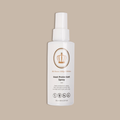
3. Lauren Ashtyn Moisture Repair Spray
Shop it here →
Think of this as hydration meets heat protection. This lightweight, fragrance-free spray restores softness to damaged or over-styled hair. It works beautifully as a detangler or leave-in, coating strands without build-up or residue.
Hero ingredients: Vitamins and plant-based hydrators that lock in moisture while creating a thermal barrier.Why it stands out: Fragrance-free and designed with sensitive skin in mind—it shields against heat and dryness in one step.Best for: Dry, color-treated, or brittle hair that needs extra moisture.TYME tip: Mist lightly before blow-drying, then layer again before using your TYME Iron Pro for maximum protection.
4. GHD Bodyguard Heat Protect Spray
Shop it here →
A professional favorite, GHD’s Bodyguard spray uses a two-fold system of protecting polymers and conditioning agents that wrap each strand in a heat-activated barrier. It’s lightweight, invisible, and designed by GHD’s team of stylists and engineers.
Hero ingredients: Polymers that form a flexible film to minimize cuticle lift and glycerin for added smoothness.Why it stands out: Delivers that “fresh blowout” feel every time and prevents dullness after repeated styling.Best for: All hair types, especially those using flat irons or curling tools regularly.TYME tip: Use it with your TYME Iron Pro—fewer passes mean less heat stress on your scalp.
5. Aveda Heat Relief Thermal Protector & Conditioning Mist
Shop it here →
Made from 97% naturally derived ingredients, Aveda’s Heat Relief Mist conditions as it protects. It shields hair from up to 450°F, using a blend of plant-based oils to smooth and soften. While it’s lightly scented with Aveda’s calming Shampure™ aroma, it’s one of the gentlest options for fragrance-sensitive users who can handle mild botanical notes.
Hero ingredients: Organic jojoba, sunflower seed oil, and vitamin E for smoothness and antioxidant protection.Why it stands out: Doubles as a dry-styling refresher and heat protectant in one.Best for: Normal to coarse hair or anyone who wants a cleaner, more botanical option.TYME tip: Spritz mid-lengths and ends between heat styling days to revive shine and softness.
6. TYME Iron Pro + your fragrance-free hero
No heat protectant routine is complete without the right tool. TYME’s Iron Pro Collection lets you curl and straighten with minimal passes, reducing the exposure your scalp and hair face from high temps. The combination of a quality protectant and smart heat technology equals healthier strands and fewer “why does my scalp feel tight?” moments.
But why does it matter? Heat protectants can only do so much if your styling tool overcooks your hair. TYME tools guarantee consistent temperature distribution—so you’re styling smarter, not hotter.
TL;DR: fragrance-free styling essentials checklist
Before you plug in your hot tools, make sure you’re doing your scalp a favor:
✅ Choose a fragrance-free heat protectant (no perfume, no irritation)✅ Look for lightweight textures — mists for fine hair, serums for thicker strands✅ Keep an eye on heat ratings (ideally 428–450°F protection)✅ Go for scalp-soothing ingredients like aloe, panthenol, or amino acids✅ Pair with a smart tool like the TYME Iron Pro (cough cough, the BEST) for minimal heat exposure✅ Wash gently after styling to prevent product build-up and maintain a healthy scalp barrier
The final word on keeping it cool
There’s only room for one hottie around here, and it’s NOT your overworked hair. Styling should never mean suffering. You deserve sleek, shiny results without the itch, the sting, or the irritated aftermath that makes you regret every blow-dry.
Fragrance-free doesn’t mean plain or clinical, it means smart. It’s a quiet kind of confidence, the kind that comes from knowing your products are doing their job without setting your scalp off. By switching to a clean, irritation-free heat protectant, you’re not just protecting your strands—you’re giving your scalp the calm it’s been begging for.
So turn down the temperature, mist your chosen protectant, and glide your TYME Iron with ease. When your scalp is calm, your shine hits harder.
Your final tip?
Never skip your heat protectant. It’s not a step. It’s your hair’s LIFEsaver.
What does calcium in shampoo do to hair—and why your strands care
A no-BS look at calcium, shampoos and healthy hair
You know that moment when your hair just won’t cooperate? It feels dry, dull, and weirdly heavy no matter what miracle mask or styling spray you throw at it. You start questioning everything—your conditioner, your shower pressure, maybe even your life choices. But girl, the real culprit might not be what you’re putting on your hair, it could be what’s hiding in your shampoo.
Yep, we’re talking about calcium, that same mineral your body loves for strong bones might just be messing with your mane. Don’t get us wrong, calcium isn’t the enemy. It’s essential inside your body. But when it sneaks into your hair routine via hard water or mineral-rich shampoos, it can leave your locks looking more “meh” than magnificent.
The internet’s full of buzz about what does calcium in shampoo do to hair, and it’s easy to get lost in the mix of science-y jargon and viral TikTok claims. So we’re cutting through the noise and getting real about what’s actually happening to your strands, and what you can do to fix it.
We’ll break down why calcium build-up happens (spoiler: your water might be harder than your morning coffee), how it affects your hair’s texture and shine, and what products actually reverse that crunchy, coated feeling. Because when it comes to your hair, knowledge really is power—and shine.
Ready to break down the calcium confusion? Let’s talk science, solutions, and strands that feel as fresh as they look
Calcium in shampoo—the sneaky mineral messing with your mane
Calcium looks great on a multivitamin label, but in your haircare routine? It’s a little more complicated.
When people ask what does calcium in shampoo do to hair, they’re really asking two different things:
what happens when calcium is formulated into shampoo (the good kind), and
what happens when calcium sneaks in through your water supply (the bad kind).
Secret: one helps your hair behave, the other makes it rebel.
The good side of calcium
In small, controlled doses, calcium salts are actually useful. They help balance the pH of shampoo formulas and keep your scalp barrier calm—no dryness, no tightness. It’s also what helps your shampoo feel silky instead of squeaky. Basically, calcium plays the background role that makes the formula function.
The not-so-cute side
Here’s where things go south. Most of us are washing our hair in hard water—meaning it’s loaded with minerals like calcium and magnesium. Those minerals don’t rinse away; they cling to your strands like a bad ex. Over time, that film builds up, making it harder for moisture and products to penetrate.
You’ll start to notice:
Hair feels rough, not smooth.
Color looks muted or dull.
Curls lose bounce, and straight hair feels heavy.
Your conditioner just… stops conditioning.
That’s calcium buildup doing its thing, creating a barrier between your hair and all the good stuff you’re trying to give it.
The takeaway
Calcium in your shampoo? Fine.
Calcium left behind on your hair? Not fine.
Think of it like skincare: exfoliating is good, leaving product residue behind is not. Your strands deserve a clean slate, not a mineral mask.
Why calcium matters (and when it doesn’t)
Just know girlie, calcium isn’t the villain, it’s just misunderstood. The mineral itself isn’t out to ruin your hair, it’s how it interacts with everything else that makes the difference.
Inside your body, calcium is the ultimate strength-builder. It supports bone density, nail growth, and, yes, the production of keratin—the protein that makes up your hair. So in that sense, calcium plays a behind-the-scenes role in keeping your hair strong from the inside out.
But on the outside? It’s a whole different story.
When too much calcium settles on the scalp and strands, it can throw off the natural balance your hair needs to thrive. Instead of sealing moisture in, it creates a barrier that locks hydration out. Your products can’t absorb properly, and your strands end up feeling dry and brittle even after you’ve slathered on your best mask.
If you’ve ever asked, does calcium help hair growth, here’s the nuance: it helps when it’s part of your diet, not when it’s sitting on your scalp. In fact, too much topical calcium buildup can do the opposite—slowing healthy growth because your follicles aren’t getting enough oxygen or product penetration.
In short:
Internal calcium = stronger hair foundation
External calcium buildup = blocked moisture and dull texture
So, when you see calcium listed in a shampoo formula, don’t panic—it’s probably there in micro amounts to balance pH or stabilize the product. The real issue comes from external buildup that stacks over time, thanks to hard water, mineral-heavy products, and styling layers that never fully rinse out.
That’s why your hair might feel “off” even after using your usual lineup. The products haven’t stopped working—you’re just dealing with invisible buildup standing in their way.
The signs of calcium build-up and how to rescue your hair
If we’re spitting truths girlie, most of us don’t wake up one morning and think, “Oh wow, my hair’s coated in calcium.” It creeps up quietly. One week your strands are shiny and bouncy, the next they’re refusing to hold a curl, and your conditioner suddenly feels like it’s doing… nothing.
That’s mineral build-up in action. When calcium deposits start stacking up on your hair, it changes everything about the way your products perform. You’ll notice:
Your blowouts fall flat faster
Your roots feel greasy, but your ends are desert-dry
Color fades or shifts tone (especially blondes and redheads)
Hair feels stiff or rough, no matter how long you spend in the shower
Sound familiar? That chalky residue from your water supply or certain shampoos is sitting on your strands, blocking every bit of moisture you’re trying to add. It’s the same as layering skincare over a layer of dust—it just won’t sink in.
That’s where hydration repair sprays come in clutch. They’re light enough to penetrate through build-up, but powerful enough to restore balance and shine. We love the Lauren Ashtyn Moisture Repair Spray because it does both: it rehydrates parched hair while helping to protect it from future damage. It’s basically like pressing the reset button after weeks of mineral overload.
The difference you’ll feel is instant—softer texture, more movement, less of that heavy, “coated” sensation. And the shine? Let’s just say it’s the kind that looks accidental but took strategy.
If your hair has been through a few rounds of hard water, styling heat, or over-washing, a moisture-repairing spray like this can restore that silky slip you’ve been missing.
How to stop calcium from hijacking your routine
Once you’ve realized calcium’s been freeloading in your hair routine, the next step is kicking it out—and keeping it from coming back. The fix isn’t about overhauling your entire bathroom shelf. It’s about being smarter with the basics you already use.
1. Clean slate = clean strands
Start with a clarifying or detox shampoo once a week. This step is essentially the art of pressing “refresh” on your scalp. It helps dissolve that mineral film and gives your conditioner a fair chance to work again. If your hair’s been feeling straw-like, this step is non-negotiable.
Just be mindful not to overdo it. Too much clarifying can strip your hair’s natural oils, leaving you in another hydration crisis.
2. Filter your water (yes, really)
If you live in a hard-water area, your shower might secretly be your hair’s worst enemy. Installing a showerhead filter can make a huge difference. It softens the water by reducing calcium and magnesium levels, which means less mineral residue left behind.
Your color will last longer, your blowouts will hold better, and your strands will feel smoother after every wash.
3. Rehydrate like you mean it
After detoxing, your hair’s *thirsty*, so it’s time to feed it. This is where your styling products become your defense team. A leave-in like the Lauren Ashtyn Moisture Repair Spray delivers lightweight hydration that actually absorbs, not just coats the surface. It’s perfect post-wash because it locks in moisture and keeps calcium from latching onto your freshly cleaned hair.
4. Style smarter
When your hair’s already fighting mineral stress, skip the intense heat days. Use lower settings on your iron and keep your moves quick and intentional. Pairing your heat tools with a hydrating protectant keeps your strands glossy without frying away your progress.
5. Make hydration a habit
If you’re constantly chasing shine, think long game. Stay hydrated, eat calcium-rich foods (for the inside benefits), and space out your wash days to avoid product overload. The goal isn’t perfect hair—it’s balanced, happy hair that behaves because it’s healthy.
Why balanced hair is happy hair
When it comes to what calcium in shampoo does to hair, it’s all about balance. Calcium can strengthen from within, but when it lingers on the outside, it weighs your hair down, dulls the shine, and steals that just-washed softness we all chase.
If your hair’s been acting up—limp roots, dry ends, that strange coated feeling—it’s not your imagination. Calcium buildup can quietly disrupt everything, from how your products absorb to how your blowout lasts. The good news? It’s completely reversible.
With a smart routine that clears residue, restores moisture, and locks in protection, your hair can bounce back fast. The difference is instant: more shine, more movement, more life.
Healthy hair doesn’t need to shout, it just glows. And once you’ve felt that soft, hydrated texture again, you’ll never underestimate the power of balance.
How to do 70s hair with TYME’s tools
Time-travel to the decade of big hair and even bigger energy
Everyone wants it right now—the soft, shaggy layers, the flicked ends, the kind of volume that feels effortless but looks major. The 70s hair revival is the trend that refuses to quit, led by modern muses like Miley Cyrus and that eternally cool Stevie Nicks energy. Think undone-glam meets rock ‘n’ roll confidence.
But here’s the issue…mastering how to do 70s hair doesn’t mean stepping into a time machine or wrestling with a set of ancient hot rollers. This is a new era of retro styling, powered by smarter tools that make volume easy and totally wearable. The TYME Iron Pro is your secret weapon—one tool that smooths, curls, and flicks in a single swoop.
The best part? The modern take on 70s women's hair isn’t only about perfection, it’s about movement. Big, bouncy, feathered waves that feel lived-in, not locked in. It’s an ode to freedom, confidence, and a little bit of rebellion.
No matter if you’re channeling Farrah’s bombshell flip or Stevie’s cool-girl texture, this look is all about attitude—and TYME’s tools make it happen in minutes. So, plug in, section up, and get ready to bring the decade of volume back to life. This is your cue to go full retro, without giving up the convenience of modern styling magic.
Why 70s hair is the cool-girl trend that won’t quit
Open TikTok right now and it’s a sea of bouncy blowouts, fluffy flicks, and “how I style my shag” tutorials. The 70s hair takeover isn’t slowing down, and honestly? We’re obsessed.
This decade gave us everything we love in a hairstyle:
✨ Volume that defies gravity (and humidity)
💫 Texture that feels alive, not stiff
🌙 Freedom from the over-sprayed, over-styled looks of later eras
It’s simple, feminine, and quietly rebellious—all at once.
Pop culture sealed the deal:
Daisy Jones & The Six made us crave that tousled rockstar energy.
Miley Cyrus revived the shag with a glam edge.
And Stevie Nicks? She’s still the blueprint for cool-girl confidence—flowing waves, boho texture, and zero effort vibes.
So, why does 70s women’s hair still feel so right?
Because it’s hair that moves. It’s alive. It’s volume with personality. It doesn’t try too hard, and that’s exactly what makes it powerful.
The new-gen 70s aesthetic takes the best of the decade—feathered layers, soft bends, airy shape—and brings it into 2025 with a modern twist. Think less “salon-set disco curls,” more undone glam that lasts all day.
And thanks to smarter, sleeker tools like the TYME Iron Pro, you don’t need a glam squad or a set of rollers to pull it off. This look has gone from the runway to real life—one flick at a time.
What makes a 70s hairstyle female icon-level
The thing about 70s hair is that it never really left. It’s that blend of softness and structure, of effortless and intentional, that’s kept it front-row cool for fifty years straight. Every icon, from Farrah Fawcett’s feathered flip to Cher’s sleek shine had their own version of it. And now, those looks are inspiring a new generation who crave volume with pure cool-girl energy.
So what exactly makes a 70s hairstyle female icon status? It comes down to three things.
1. Layers that move
The ‘70s were the anti-flat era. Layers weren’t just for shape—they were for movement. Face-framing pieces lifted the cheekbones, and soft, blended ends gave that signature bounce. It’s the kind of cut that makes your hair look like it’s dancing, even when you’re standing still.
2. Flicks that frame
The “Farrah flick” lives rent-free in our minds for a reason. It’s playful, feminine, and somehow still feels cool decades later. The modern version? Subtle bends that flip away from the face using the TYME Iron Pro—for that same flirty lift, but sleeker and easier to style.
3. Volume that speaks for itself
No era did root lift like the ‘70s. Big hair meant big energy. Today, it’s less about stiff hold and more about airy body that lasts. A little mousse, a blast of the blow dryer, and a pass with your TYME tool can take you there—zero teasing required.
The original icons—Farrah, Cher, Stevie—turned hair into part of their signature power. And the modern revival pays homage to that same energy. Hair that’s soft, free, and full of attitude. But this time? It’s about presence.
The tools you need for a TYME-travelling blowout
We know what you’re thinking—of course we’re going to say the secret to how to do 70s hair is TYME tools. And okay, maybe we’re slightly biased… but only because we’ve tested every curl, flick, and blowout under the sun, and nothing brings that 70s bounce back to life quite like this lineup.
Here’s what’s powering the comeback.
TYME Iron Pro
The multitasker your routine’s been missing. This tool smooths, curls, and adds that signature flick in one effortless motion. It’s the modern twist on old-school rollers—only sleeker, faster, and a whole lot chicer.
Why it’s iconic:
Creates everything from soft, face-framing bends to full Farrah flicks
Smooths while keeping volume intact
Makes “I-didn’t-try-that-hard” hair totally achievable
Shop now
TYME Iron Air Styler Pro Grade
Think of it as your in-home blowout bar. The Air Styler Pro lifts roots, boosts shine, and gives that fresh-from-the-salon fullness that defines true 70s glam. It’s how you fake a professional blowout before your first coffee.
Why we love it:
Adds sky-high body to flat roots
Smooths without flattening
Perfect for creating that soft, bouncy movement 70s hair is famous for
Shop now
Lauren Ashtyn Heat Protectant Moisture Hydrate Spray
Every great style starts with protection. This lightweight mist shields strands from heat while adding just the right amount of shine and slip. Think of it as your pre-party essential—it keeps your hair glossy and healthy, no matter how much styling you throw at it.
Shop now
Together, these tools make it almost unfairly easy to recreate the signature 70s women's hair look. Less “salon day commitment,” more “quick flick and out the door.”
Because big hair doesn’t have to mean big effort, just a little TYME.
Your step-by-step guide to big, bouncy 70s hair
You’ve got your inspo board full of Farrah flips, Stevie texture, and that undone Daisy Jones volume. Now it’s time to make it happen—modern, easy, and with serious bounce.
Step 1: Prep the vibe
Start with freshly washed, totally dry hair. Clean hair gives the lift more grip (and less slip). Before you switch on your tools, mist through a good heat protectant—our go-to is Lauren Ashtyn Collection’s hydrate spray that keeps hair soft and shiny no matter how hot things get. You’ll thank yourself later when your ends still feel like silk after styling.
TYME tip: Focus on the mid-lengths and ends, that’s where your flicks live.
Step 2: Create the base lift
Flip your head forward and give your roots a quick blast with your dryer. That upside-down moment? Instant 70s root revival. Once your roots are airy, section your hair roughly. We’re not going for precision here, perfect partings kill that carefree bounce.
Step 3: Add the flick factor
Here’s where the magic happens. Take the TYME Iron Pro and start mid-length, gliding outwards and away from your face. It’s the modern Farrah move—soft, flirty flicks that lift and curve just right. Alternate directions as you work around your head for movement that feels natural, not overdone.
If you want to channel your inner Stevie, loosen your wrist and let the ends fall with that slightly “undone” bend. Think less blowout, more lived-in glam.
Step 4: Cool it down
Volume isn’t born from heat, it’s made in the cool-down. Once you’ve finished styling, twist each flicked section around your finger while it’s warm, then clip it in place. Let them chill while you finish your lip gloss and line up your gold hoops. When you unclip, boom—built-in bounce.
Step 5: The finishing touch
This is where it all comes together. Run your hands (not a brush) through the ends to separate and soften. A quick mist of shine spray brings that TYME-finish gloss and movement that catches the light just right.
Now stand back, flip your hair once for drama, and admire your handiwork. You just created 70s women's hair that could headline a tour (minus the tour bus and sleepless nights).
Ready for your Miley Cyrus era?
If the early 2000s were the decade of sleek, straight minimalism, this moment is all about reclaiming volume.
The icons of the era didn’t need filters or “clean girl” minimalism. They had bounce, freedom, and just enough attitude to make heads turn. And now, with the right tools (and a little TYME know-how), that same fearless energy is back. So here’s your permission slip to go full volume. To flick those ends, shake out those roots, and take up space—literally and metaphorically. Because when your hair feels this good, everything else follows.
Ready to make every day a good hair day? Your tools are waiting, your mirror’s calling, and the 70s are officially back on the schedule.
Shop the TYME tools
Refresh your post-gym hair style with our favorite post-workout hair sprays
We all know the feeling: you’ve crushed your workout, your body feels amazing, but your hair? That’s another story. The roots are damp, the ends feel heavy, and that once-bouncy blowout now looks like it barely survived spin class. Washing your hair every time you exercise isn’t always realistic, especially if you’re trying to preserve your color, maintain your style, or just don’t have the time. That’s where post-workout hair sprays come in.
These little miracle mists do more than just smell good. A great post-gym spray can absorb sweat and oil, eliminate odor, and refresh your hair’s texture in seconds. Whether you’re heading to brunch, the office, or just don’t want to look like you sprinted to your next appointment, these sprays can revive your hair fast — no full wash required.
Why post-workout sprays are a gym bag essential
Even if your hair doesn’t look too bad after your workout, your scalp still needs some love. Sweat, oil, and even bacteria build up during exercise, which can lead to odor, irritation, and limp, lifeless strands. A quick mist of post-workout spray can instantly refresh your scalp and strands, leaving your hair looking and feeling like you just stepped out of a blowout bar, rather than a boot camp.
Here’s what these sprays typically do best.
Absorb excess oil and sweat at the roots
Eliminate odors and leave hair smelling clean
Add volume and movement back to limp hair
Help extend your style between washes
Think of it as a mini shower in a bottle, perfect for when you’re running from your workout straight into the rest of your day.
What to look for in a post-workout hair spray
Not all sprays are created equal. When you’re browsing the shelves (or scrolling your favorite beauty site), look for a formula that checks these boxes.
Oil and sweat absorbers like silica, volcanic ash, or rice starch help soak up moisture at the scalp.
Lightweight texture ensures your hair won’t feel sticky or heavy.
No white cast, especially if you have dark hair.
Odor control or a refreshing, subtle scent.
Gentle ingredients free of harsh alcohols or sulfates.
Fine spray mist for even coverage without clumping.
Your hair type also matters. Curly or color-treated hair may need more hydrating ingredients, while fine hair benefits from lighter, airy sprays that won’t flatten your volume.
How to use post-workout spray like a pro
To make the most of your post-gym refresh, it’s all about technique. Here’s a simple process to follow.
Shake the bottle well to mix any dual-phase ingredients.
Part your hair into sections to target the areas that feel the sweatiest or oiliest.
Hold the spray six to eight inches away from your scalp and mist evenly.
Wait 15–30 seconds for the product to absorb sweat and oil.
Massage or fluff with your fingers to distribute the spray and lift roots.
Blast with cool air from a blow dryer if you want extra volume.
Style as usual—a quick ponytail, loose waves, or even a half-updo can hide any lingering dampness.
Tip: Don’t over-saturate your roots. Start with a little and build up as needed. You can always add more, but it’s harder to fix hair that’s too coated.
Our favorite post-workout hair sprays
Now for the fun part: product picks. These are our top choices for sprays that actually do what they promise — refresh, revive, and keep your hair looking gorgeous after even the sweatiest sessions.
Lauren Ashtyn Collection Moisture Repair Spray
If your hair tends to feel dry or tangled after a workout, the Lauren Ashtyn Moisture Repair Spray is a total lifesaver. This lightweight mist instantly hydrates and detangles without weighing hair down, making it perfect for post-gym touch-ups. It’s enriched with nourishing ingredients like keratin and argan oil to smooth frizz, restore shine, and protect your strands from daily stress. A few spritzes through damp or towel-dried hair leave it soft, manageable, and smelling fresh — no rinse required. It’s ideal for anyone who wants their hair to look revived and polished in seconds after an intense sweat session.
Bumble and Bumble Prêt-à-Powder Post Workout Dry Shampoo Mist
A cult favorite for good reason, this mist is designed specifically for sweaty roots. It uses a lightweight, dual-phase formula to absorb oil and neutralize odor without leaving any residue or white powder. Simply shake, spray, and brush or shake out for instantly refreshed hair.
Ouidad No Sweat Post Workout Mist
If you have curls, this one’s a must. Ouidad’s mist uses volcanic ash and bamboo extract to balance the scalp and absorb sweat while keeping your natural texture defined and frizz-free. It’s the perfect post-cardio refresher for textured or curly hair that needs a gentle touch.
Tailoring your spray strategy to your hair type
Every hair type reacts differently to sweat and moisture, so it’s worth tweaking your approach.
Fine or thin hair: Use minimal product, focus only on the scalp, and avoid heavy textures that might flatten your volume.
Thick or coarse hair: Target the heaviest, sweatiest spots—often the crown and nape—and use your fingers to distribute the product evenly.
Curly or textured hair: Pick hydrating formulas that won’t dry out your curls. Lightly mist your roots and refresh curls with your fingers or a wide-tooth comb.
Sensitive scalps: Stick to gentle, fragrance-free mists or formulas with aloe or tea tree extract for soothing relief.
Common mistakes to avoid
It’s easy to get a little spray-happy after a hard workout, but too much of a good thing can backfire. Here are the most common mistakes people make when using post-workout sprays.
Over-spraying and weighing hair down with too much product
Forgetting to shake the bottle before use (especially for dual-phase mists)
Spraying too close to the scalp, causing uneven application
Applying to dripping-wet hair instead of towel-dried or damp hair
Rubbing aggressively and causing frizz or tangles
Remember, these sprays are meant to refresh, not soak your hair. A few targeted spritzes can make a huge difference.
Tips for stretching your style between washes
One of the biggest perks of using a post-workout spray is how much longer you can go between full washes. If you want to stretch your style even further, try these styling tricks.
Pair your spray with a dry shampoo later in the day for added oil absorption.
Use a cool blow-dryer burst to lift roots and refresh volume.
Try quick updos like messy buns, braids, or low ponytails to disguise any remaining dampness.
Add a lightweight texture spray or finishing mist through the mid-lengths to boost movement.
A smart combination of sprays and styling tricks can easily carry you through a few extra days of good hair.
When a full wash is still the best option
Even the best spray has its limits. If your scalp feels itchy, heavy, or overly sticky, it’s time for a proper wash. Use a gentle, sulfate-free shampoo focused on the roots and a lightweight conditioner just on the ends. Allow your hair to partially air-dry before finishing with a low-heat tool for a soft, healthy finish.
Building your own post-gym hair refresh routine
For the ultimate easy routine, follow this simple sequence.
Before your workout, tie your hair in a braid or bun to reduce tangling and sweat buildup.
After your workout, gently towel-dry your scalp and hairline.
Shake and spray your chosen post-workout mist onto roots and sweaty areas.
Wait a few moments, then fluff and reshape your hair with your fingers or a cool air blast.
Finish with dry shampoo or texture spray if needed, and restyle or tie back.
This whole process takes less than five minutes and can transform your look from “fresh out of spin class” to “ready for happy hour.”
Sweat doesn’t have to mean bad hair days
Working out should make you feel amazing, not make you dread what your hair will look like afterward. A great post-workout spray is the secret weapon every active woman should have in her bag. It refreshes your scalp, revives your style, and helps you move confidently from gym to brunch, errands, or work without missing a beat.
Start with one of our favorite sprays, play around to see which one fits your routine best, and enjoy the satisfaction of leaving the gym looking just as put-together as when you walked in. After all, your hair deserves to feel as fresh as you do post-workout.
Our 8 favorite eco-friendly flat irons for gorgeous, sustainable styling
Sustainability isn’t just about what we eat or wear anymore. It’s also about how we style our hair. For those of us who can’t live without that just-right blowout or glossy straight finish, eco-friendly flat irons offer a way to look good and do good. Gone are the days when sustainability meant sacrificing performance.
Today’s new generation of flat irons blend cutting-edge heat technology with planet-friendly materials and energy efficiency. Whether you have fine, thick, curly, or color-treated hair, there’s an eco-conscious option that fits your needs and keeps your hair (and conscience) in top shape. Let’s dive into what makes a flat iron eco-friendly, what features really matter, and our picks for the best sustainable styling tools.
What makes a flat iron eco-friendly?
When it comes to sustainable styling tools, “eco-friendly” can mean a few different things. With flat irons, it’s not just about how the product is made. It’s also about how it performs and how long it lasts. In other words, a truly eco-conscious flat iron minimizes environmental impact from start to finish, helping you look great while also doing your part for the planet.
1. Sustainable materials and manufacturing practicesThe first thing that sets an eco-friendly flat iron apart is the use of materials designed to last. Many conventional irons use inexpensive plastics that degrade or warp over time, but sustainable brands often opt for durable aluminum, recycled components, or responsibly sourced materials. This ensures your tool lasts longer, so you replace it less frequently, meaning fewer devices end up in landfills. Some companies even use recyclable or minimal packaging, cutting down on unnecessary waste before your tool ever reaches your hands.
Eco-conscious manufacturing can also mean producing tools with lower emissions and energy-efficient processes. Brands like Dyson and Cloud Nine, for example, actively work toward carbon neutrality by improving energy efficiency in their factories and transportation networks.
2. Energy efficiency and smart technologyOne of the biggest factors in an eco-friendly flat iron is how much energy it uses and how efficiently it uses it. Traditional straighteners can waste power by overheating or taking a long time to reach the right temperature. Modern eco-conscious options, however, often feature smart heat sensors and rapid heat-up technology, so they draw less electricity and maintain consistent heat throughout your styling session.
This means your flat iron doesn’t have to stay on for as long, and it doesn’t waste power cycling up and down in temperature. Automatic shut-off features are another energy-saver, protecting both your tool and your home from unnecessary energy use or potential accidents.
3. Lower heat, less damage, longer lifeSustainability isn’t just about the environment. It’s about your hair’s long-term health, too. Flat irons that operate efficiently at lower heat levels reduce the need for multiple passes and help you achieve sleek results faster. That means less energy spent and less wear on your hair. Brands like ghd and TYME have perfected this balance, offering even, consistent heat that minimizes both damage and energy waste.
The longer your hair stays healthy, the less often you need restorative treatments or new products to fix damage, which is another subtle but meaningful way to reduce consumption and waste.
4. Longevity and repairabilityA flat iron built to last five or ten years is far more sustainable than one that burns out after a year of use. Look for brands that prioritize durability and repairable designs. Some companies, like Cloud Nine, even offer recycling or trade-in programs to extend the life cycle of your old tools. This circular approach to design helps minimize waste and encourages mindful consumption, two hallmarks of sustainable beauty.
5. Minimal packaging and responsible disposalFinally, don’t underestimate the importance of packaging. Truly eco-friendly flat irons often come in recyclable cardboard or reusable pouches instead of layers of plastic and foam. Some brands also include details on how to properly recycle your tool when it eventually reaches the end of its life. When you’re done with your flat iron, check whether the brand participates in a recycling program or if your local facilities accept small electronics. Proper disposal prevents toxic materials from entering landfills and keeps metals in circulation for future use.
An eco-friendly flat iron isn’t just one that saves a bit of energy. It’s one designed to reduce waste at every stage, from the materials used to how it treats your hair. When you choose tools that prioritize sustainability and durability, you’re not just styling smarter. You’re making a small but significant difference in how beauty impacts the planet.
Our top picks for eco-friendly flat irons
There are now more sustainable styling options than ever, which means you don’t have to compromise on performance or design. Here are a few standout models that deliver salon-quality results while minimizing their environmental footprint.
1. TYME Iron Pro
If you’ve ever wished for a tool that could both straighten and curl your hair effortlessly, the TYME Iron Pro deserves a spot at the top of your list. Designed with versatility and efficiency in mind, this tool reduces the need for multiple heat tools—which, in itself, makes it more sustainable. The titanium plates heat up quickly and evenly, which means less time and energy spent styling. Plus, its temperature memory function ensures consistent performance while minimizing excess heat exposure that can damage hair over time.
What makes TYME especially noteworthy is its commitment to mindful consumption. Rather than marketing fast, disposable trends, TYME focuses on creating long-lasting, multifunctional tools built to perform year after year. The company’s approach to design is rooted in simplicity and sustainability—producing fewer tools that do more.
How to get the look: Hold the iron with the logo facing outward. Clamp near the root, twist your wrist slightly, and pull down in a slow, steady motion to create soft waves or polished curls. For sleek, straight styles, glide the iron smoothly through small sections of hair. Always prep your hair with a heat protectant, and finish with a lightweight serum for shine.
2. ghd Platinum+ Styler
The ghd Platinum+ Styler is known for its smart predictive technology, which monitors heat 250 times per second to maintain a consistent temperature of 365°F—the optimal level for styling without excessive damage. While it’s not marketed explicitly as “eco-friendly,” its efficiency is what makes it sustainable. It heats up in just 20 seconds and uses energy more efficiently than many competitors, cutting down on electricity use over time.
The styler’s floating plates ensure even contact with hair, reducing the number of passes needed per section (which means less power and less damage). It also boasts a 30-minute automatic shut-off feature, a small but important detail that prevents wasted energy and enhances safety.
3. L’Oréal Professionnel Steampod
If you love smooth, shiny hair but hate the dry, brittle feeling that comes with too much heat, the Steampod is a game-changer. Instead of relying solely on high temperatures, it uses steam technology to hydrate hair while styling. That means you can achieve a sleek finish at lower heat settings, which conserves energy and minimizes long-term damage.
Steam-based styling not only protects your strands but also reduces the need for repeated passes, saving time and electricity. The Steampod’s water reservoir is refillable, and its durable ceramic plates are designed to last, giving you a salon-level tool that’s as responsible as it is effective.
4. Bio Ionic 10X Pro Styling Iron
The Bio Ionic 10X Pro focuses on sustainable hair health. Its natural volcanic mineral-infused plates emit negative ions that help seal the hair cuticle and lock in moisture, reducing frizz and the need for heavy finishing products. Fewer products mean fewer plastic bottles and less chemical waste over time.
The digital temperature control and lightweight ergonomic design also promote efficiency—less strain on your hands and faster styling sessions. It’s a thoughtful balance between luxury, performance, and responsibility.
5. Cloud Nine Original Iron
For a more conscious alternative to traditional salon tools, the Cloud Nine Original Iron checks all the boxes. Each iron is designed with mineral-infused ceramic plates for smoother styling, temperature control that caters to all hair types, and a heat-resistant carry case made from recyclable materials. The brand also runs a “Recycle Your Iron” program, encouraging customers to return old styling tools (from any brand!) to be responsibly recycled.
This initiative is one of the most direct ways a beauty brand can promote sustainability — it keeps old tools out of landfills and extends the life cycle of raw materials.
6. Dyson Corrale Straightener
The Dyson Corrale is another standout in sustainable hair styling, known for its precision engineering and energy-efficient design. Its flexible copper alloy plates gather hair evenly, meaning you can style at lower heat levels without sacrificing results. That’s not just better for your hair—it’s better for energy consumption, too.
Dyson also prioritizes long-lasting product design and recyclable materials. The Corrale can be used cord-free for up to 30 minutes thanks to its rechargeable lithium-ion battery, helping you use power more efficiently and reducing the need for disposable tools.
Why we love it: Dyson’s investment in sustainability doesn’t stop at product design—the brand is committed to carbon reduction across its manufacturing process and aims for complete carbon neutrality.
7. NuMe Megastar Flat Iron
The NuMe Megastar Flat Iron is perfect for those who want professional-grade performance in a sustainable package. Its tourmaline-infused ceramic plates produce far-infrared heat that penetrates the hair shaft gently, sealing moisture and reducing the need for repeat passes. This means less energy use and less damage over time.
What sets NuMe apart is its dedication to reducing waste in packaging and production. The company uses recyclable materials and has committed to eco-friendly shipping practices that minimize carbon emissions. The iron itself is designed for longevity, with replaceable components and a durable build that ensures you’ll use it for years.
Pro tip: For smoother, longer-lasting results, style in smaller sections and finish with a cool shot from your dryer to lock in the shape.
8. Kristin Ess 3-in-One Flat Iron
If you’re after affordability without compromising quality or ethics, the Kristin Ess 3-in-One Flat Iron is a fantastic pick. The brand focuses on inclusive, accessible beauty that’s also mindful of sustainability. The 3-in-One tool offers versatility for straightening, curling, or waving hair—reducing the need for multiple heat tools and cutting down on clutter and consumption.
Its titanium plates are coated to glide smoothly and minimize snagging, and it heats evenly to avoid overexposure on delicate strands. The packaging is made from recycled cardboard, and the brand avoids unnecessary plastics wherever possible.
Pro tip: This iron works beautifully on medium to thick hair. Use it on a moderate heat setting with a lightweight protectant mist for best results.
How to choose the right eco-friendly flat iron for you
Choosing the right flat iron can feel overwhelming, but focusing on a few main factors makes the process easier—and more sustainable. First, consider your hair type and texture. Thick, coarse hair benefits from titanium plates and slightly higher heat settings, while fine or damaged hair does best with ceramic or tourmaline plates that distribute heat evenly and gently.
Next, think about adjustable heat settings. A one-temperature-fits-all approach isn’t eco-friendly because it can lead to damage and more frequent styling. Opt for an iron with precise digital controls so you can use just the right amount of heat each time.
Key features to look for:
Energy-efficient or fast-heating technology
Auto shut-off safety features
Long-lasting materials like ceramic, titanium, or tourmaline
Recyclable or minimal packaging
Multi-functional design (like TYME’s 2-in-1 capability)
Finally, don’t underestimate the importance of durability and warranty. An iron that lasts for years is always more sustainable than one that needs replacing every six months. Look for brands that offer repair or recycling programs, as they show real commitment to reducing waste.
How to use your flat iron for the best (and healthiest) results
Even the most sustainable flat iron needs to be used mindfully. Before styling, apply a lightweight heat protectant spray—this simple step creates a barrier that keeps hair hydrated and smooth. Divide your hair into sections to ensure even heat distribution and fewer passes. For straight styles, glide the iron from root to tip slowly, without clamping too hard. For waves or curls, twist your wrist slightly as you move down each section.
If you want to get that salon-fresh finish, follow these quick styling steps:
Prep with a detangling spray or leave-in conditioner.
Blow-dry completely—flat irons should never be used on damp hair.
Apply a heat protectant from mid-lengths to ends.
Section hair into 1-inch pieces for even results.
Glide or twist the iron through hair, depending on your desired style.
Finish with a lightweight serum or oil for shine.
Keep your tool clean by wiping the plates with a soft, damp cloth after each use. Build-up from products or oils can cause uneven heating and make you use more energy to get results.
Maintaining your flat iron the eco-friendly way
Caring for your flat iron extends its lifespan and makes your investment more sustainable. Store it properly. Avoid wrapping the cord tightly, as that can shorten its life. When traveling, use a heat-resistant sleeve or pouch to prevent scratches. Occasionally, check for wear and tear on the cord or plates.
When your tool finally reaches the end of its life, don’t toss it in the trash. Many brands, like Cloud Nine or ghd, have recycling programs for old electronics. You can also bring them to local e-waste facilities that handle electrical items responsibly.
Why sustainable styling matters
Choosing an eco-friendly flat iron might seem like a small act, but it’s one more way to support a healthier planet. The beauty industry is moving toward more mindful consumption, where quality, longevity, and environmental awareness come before impulse purchases. By investing in tools that perform beautifully and last longer, you’re not only reducing waste. You’re redefining what modern beauty looks like: thoughtful, sustainable, and smart.
How to style fringe bangs—short or long
Fringe philosophy 101: bend, brush, ✨believe✨
Few hairstyles have survived as many comebacks as fringe bangs. From Brigitte Bardot’s romantic curtain style in the ’60s to Alexa Chung’s artfully undone version and Wednesday Addams’ sharp micro fringe revival, bangs are once again front and center. They frame the face, add texture, and somehow make even a messy bun look intentional.
Fringe bangs aren’t one-size-fits-all either. There are wispy Bardot-style curtains, soft long fringes that blend into layers, and short, choppy cuts that add edge. Whether you’re channeling French-girl chic or K-pop cool, there’s a version that works for your hair type and face shape.
The challenge? Styling. Getting that effortless swoosh or soft curve takes a little know-how (and the right products). But once you master it, fringe bangs become the feature that ties your whole look together—no matter what the rest of your hair’s doing.
What exactly are fringe bangs?
Fringe bangs—often just called “fringe” in the UK or “bangs” in the US—are sections of hair cut to fall over the forehead, ranging from eyebrow-grazing to cheek-skimming lengths. They can be blunt, feathered, side-swept, or parted down the middle depending on your vibe.
Unlike full bangs that form a solid line, fringe styles tend to blend into the rest of your hair, creating softness and movement. They’re designed to draw attention to your eyes and cheekbones, giving your face more dimension and balance.
The beauty of a fringe is its versatility. Long, layered fringes look romantic and boho, while shorter or choppy ones add structure and attitude. Stylists often use them to freshen up a haircut without sacrificing length—a subtle change with big payoff.
From Dakota Johnson’s lived-in texture to Zendaya’s blunt precision, fringe bangs are proof that a few inches of hair can completely shift your aesthetic. They can soften sharp features, modernize long hair, or make a ponytail look like a full-on statement.
Why get fringe bangs?
Fringe bangs are the quickest way to change your look without the emotional weight of a full haircut. They add movement, shape, and that elusive “done but undone” energy that stylists and celebrities swear by. Whether you’re growing out layers, craving a low-commitment change, or just bored of your reflection, a fringe can refresh your entire face without touching the length you’ve worked hard to grow.
They’re also quietly strategic. A well-cut fringe draws attention to your eyes and cheekbones, creating structure even when the rest of your hair is air-dried or tied back. They can disguise a high forehead, soften angular features, or balance out rounder face shapes. It’s essentially free contouring—courtesy of your stylist’s scissors.
Beyond the aesthetics, fringe bangs have serious personality power. They read confident, creative, and a little mysterious, whether they’re long and sweeping like Matilda Djerf’s or short and statement-making like Zoë Kravitz’s. They also play well with texture—straight, wavy, or curly hair all take to fringe differently, giving each style a unique twist.
Sure, they require upkeep (no one escapes the two-week trim cycle forever), but the payoff is instant. Fringe bangs have that rare quality of looking styled even when the rest of your hair isn’t—which makes them one of the most wearable, flattering updates you can make.
The best products + tools for styling fringe bangs
Perfect fringe styling isn’t just about technique. The right tools and products can turn flat, stubborn bangs into soft, face-framing radiance. Here’s what deserves a permanent spot on your vanity.
1. Lightweight heat protectant spray
Fringe bangs sit front and center, which means they’re often the first to see the heat from your blow dryer or straightener. A lightweight, non-greasy heat protectant is essential. It shields fragile front strands from dryness and breakage while adding a touch of slip to help brushes glide through smoothly. Look for sprays with humidity control—your future self on a humid morning will thank you.
2. Round brush (or mini barrel brush)
The round brush is a fringe essential. It shapes, smooths, and creates that signature curve without leaving a crease. For short bangs, use a smaller barrel (around 1 inch); for longer, curtain-style fringes, go slightly bigger. A ceramic or vented design speeds up drying and gives that subtle, bouncy swoosh that looks effortless but definitely isn’t.
3. Blow dryer with a concentrator nozzle
A powerful dryer gives you precision—something bangs need more than the rest of your hair. The concentrator nozzle directs airflow exactly where you want it, which helps prevent frizz and unwanted volume at the roots. Blow-dry your fringe from side to side to eliminate cowlicks and get that smooth, natural fall.
4. Straightener or air styler
For finishing touches, a straightener with curved edges (like the Tyme Iron Pro) or a heated air styler works wonders. The trick is to glide it gently under the fringe, not clamp and drag. You’ll get a polished, slightly rounded shape that frames the face beautifully without flattening it.
5. Dry shampoo and texture spray
Fringes have one universal flaw: they get oily fast. A puff of dry shampoo revives volume and keeps the texture fresh between washes. A light texture spray also adds grip and movement—perfect for long, parted bangs that you want to look a little lived-in instead of perfectly set.
6. Finishing cream or styling balm
For that final touch, smooth a tiny bit of styling cream or balm between your fingers and run it through the ends of your fringe. It defines shape, controls frizz, and adds a healthy sheen. Use sparingly—too much product near the roots can make bangs piecey or limp.
Armed with these tools, you’ll never have to rely on “good hair day” luck again.
How to style long fringe bangs
You’ve got options, girl.
The base blowout (foundation for every look)
Cross-dry the roots. On damp hair, mist heat protectant. With a dryer + concentrator, brush the fringe side-to-side across the forehead to erase cowlicks and set a neutral fall.
Round-brush the bend. Using a 1–1.5" barrel brush, roll the fringe under slightly and direct heat from above; hold for 3–5 seconds.
Cool to set. Keep the brush in place and hit with a cool shot. Release gently so the curve stays smooth.
Split and soften. Part the fringe at the center or slightly off, then brush each half away from the face for that curtain swoosh.
Finish light. Tap a pea of styling cream through mid-lengths to tame fuzz; mist flexible-hold spray from a distance.
Quick switches (choose your finish):
Soft curtain swoop: After the base, over-direct each half slightly toward the opposite eye with the round brush, then flip back. Set with a cool shot for airy lift.
’90s blowout edge: Use a larger brush (1.75–2") and create a bigger under-curve at the ends only. Add a touch of shine serum for glossy bounce.
Lived-In texture: Scrunch a wave spray through the fringe and pinch-twist the ends around a finger while cooling for relaxed separation.
Face-framing wave: Tap a straightener with curved plates at a shallow angle to draw a gentle “C” away from the face, then comb through with fingers.
Troubleshooting (long fringe):
✘ Splitting at the middle: Re-wet just the fringe roots and cross-dry again before styling.✘ Flat by noon: Lift sections and mist a root spray underneath; re-bend ends with a quick cool shot.✘ Too round/helmet-y: Brush through while warm and press the curve flatter with your palm as it cools.
How to style short fringe bangs
Just like the longer styles, short fringe bangs can be just as versatile.
The base polish (clean, defined, not crunchy)
Start smooth. On towel-dried hair, apply a lightweight heat protectant; comb the fringe straight down.
Side-to-side set. With a small paddle or mini round brush, blow-dry left-to-right, then right-to-left to neutralize cowlicks.
Micro-curve (optional). Using a mini round brush or the edge of a straightener, give the very tips the slightest under-turn—think gentle, not bubble.
Detail the edges. Tap the straightener quickly over any kinks; don’t clamp.
Finish precisely. Emulsify a rice-grain amount of balm between fingers and tap along ends for definition. If you need hold, mist a comb with hairspray and sweep it through.
Style variations (short fringe):
Sleek & blunt: After the base, run the dryer on cool while brushing straight down. Add a whisper of shine serum to the tips only.
Piecey French: Work a tiny dab of matte paste across fingertips and pinch small pieces to create soft separation.
Micro curve: With the straightener at a 45° angle, bump just the last ¼" under; cool immediately with the dryer to “lock” it.
Textured/choppy: Mist a light texture spray, ruffle at the roots with fingertips, then press the ends flat for contrast.
Troubleshooting (short fringe):
✘ Oily by lunchtime: Preempt with a micro-mist of dry shampoo at roots after styling; brush through.✘ Stringy pieces: Switch from oil to light cream; apply only to tips, never the root.✘ Crease marks: If you see a line, re-warm that area and “tap” it out with the straightener rather than clamping.
Fringe benefits, unlocked
Fringe bangs are one of those rare hair trends that never really leave, they just evolve. Whether you’ve gone for a wispy Bardot curtain or a sharp micro crop, the trick is learning how to make it yours. Once you understand your fringe’s behavior—how it dries, bends, and reacts to heat—styling stops feeling like damage control and starts feeling creative.
With the right brush, a bit of technique, and products that play nice, you can shift your fringe from “fresh out of bed” to “fresh from the salon” in minutes. Long or short, blunt or feathery—it’s a statement that works as hard as you do.
Want more expert tips on mastering the art of low-effort, high-impact styling? Head over to the LifeTyme Blog for salon-approved hacks that make every day a good hair day.
How to get mermaid waves using a straightener
The ocean called… it said bring your flat iron
The mermaid wave trend isn’t new, but it’s having another major moment. Think less Ariel cosplay, more “undone hair that costs $300 at the salon.” It’s the look that’s been spotted on everyone from Hailey Bieber to Zendaya—fluid texture, glossy bends, and ~just enough~ imperfection to look effortless.
What makes it so universally flattering is its mix of structure and softness. The waves have rhythm and movement without tipping into tight curls or beachy frizz. It’s polished but playful, the kind of hair that works at brunch, on a red carpet, or with a hoodie on a Monday (why the heck not?!).
While you could use a triple-barrel mermaid hair waver or curling wand, a straightener gives you far more control—and a more natural finish once you get the technique down. It’s easier than it looks, genuinely, though it might take a few practice runs. Once you find the right tension and rhythm, you’ll get those flowing, glossy S-waves that make every hair flip cinematic.
Mermaid waves are one of those rare styles that suit all hair types and lengths. You just need the right tool, a little heat protection, and the patience to let your inner siren shine.
First, arm yourself with the right tool
Before you start waving like a pro, make sure your straightener can actually bend to the job. The Tyme Iron Pro works beautifully for mermaid waves because it’s engineered for versatility: sleek enough to straighten, curved enough to sculpt shape, and evenly heated from edge to edge. Its angled plates create that perfect “S” bend with just a flick of the wrist, so you can move seamlessly from straight sections to flowing texture without switching tools.
The titanium plates glide through the hair without snagging, while the consistent temperature helps every wave form evenly from root to end. You’re not stuck with one type of curl or bend either; loosen your grip for soft ripples or twist tighter for a more defined wave pattern. The Tyme Iron makes the process feel fluid—almost like freehand painting—so your waves look natural, not stamped.
Stock up on your mermaid waves hair products
Like any great beach day, the magic’s in the prep. Mermaid waves hold best when you’ve layered the right products to support texture, shine, and longevity. Think of this lineup as your pre-styling kit—each one playing a small but essential role in creating that glossy, touchable finish.
Heat protectant spray. Non-negotiable. A lightweight, silicone-free mist shields strands from direct heat while adding slip so your straightener glides easily. Bonus: it reduces frizz before it starts.
Texture or wave spray. This is your “grit” product. It gives hair that soft, malleable texture so your waves don’t fall flat. Look for a salt-free formula if your hair tends to dry out, or a flexible one with sea minerals for that beachy vibe.
Shine or gloss serum. Mermaid waves should shimmer, not crunch. A pea-sized amount of serum or lightweight oil through the mid-lengths adds that glassy finish without weighing hair down.
Flexible-hold hairspray. Skip the stiff formulas. A mist of flexible-hold spray keeps the pattern intact while letting your waves move naturally. It’s what turns a one-hour style into an all-day glow-up.
Together, these products take your waves from flat to fluid—helping them last longer, shine brighter, and survive humidity.
How to get mermaid waves using a straightener
Creating mermaid waves with a straightener is all about rhythm—bend, release, repeat. You’re essentially drawing soft “S” shapes through the hair with gentle turns of your wrist. The secret is to keep your movements smooth and consistent, letting the iron guide the flow instead of clamping and twisting. Once you find your tempo, it becomes almost meditative—like ironing out chaos into perfectly imperfect texture.
Step 1: Start with clean, dry hair
Wash and blow-dry your hair completely before styling. Any moisture left behind will steam up under heat, causing frizz and flattening your waves. Use a lightweight heat protectant and brush through from root to tip so it’s evenly distributed. Smooth, product-prepped hair means you’ll get fluid waves that hold their shape instead of crisp bends or unwanted creases.
Step 2: Section it off like a stylist
Divide your hair into layers—bottom, middle, and top—and clip the rest away. Smaller sections mean better control and more uniform waves. For a natural finish, alternate the direction of your bends as you go. Start with one-inch sections if you’re new to the technique; you can size up once you get comfortable with the motion.
Step 3: Find your angle
Hold your straightener horizontally to the ground. Starting about two inches from your scalp, clamp gently, then rotate your wrist slightly away from your face to create the first bend. After a few inches, twist the iron in the opposite direction. Think of it as drawing soft, connected S-shapes—no harsh flicks, no sharp turns.
Step 4: Keep the motion smooth
The key to mermaid waves is flow. Don’t pause mid-strand or over-twist. Glide slowly, giving the plates time to heat and shape each curve. If you rush, you’ll get crimps instead of waves; if you linger, you’ll end up with stiff curls. The goal is even pressure and continuous motion from root to end.
Step 5: Alternate directions for dimension
Once you move to the next section, flip your wrist in the opposite direction to the last one. This creates a more natural pattern—like how real waves move in different directions. Alternating bends also helps your hair look fuller and stops your waves from merging into one big ribbon.
Step 6: Let them cool before touching
As tempting as it is to rake your fingers through right away, resist. Heat temporarily reshapes the hair’s structure; cooling locks that shape in. Let your waves fall and rest for a minute or two before touching them. You can even clip them loosely in place as they cool for extra hold and bounce.
Step 7: Break them up
Once your hair is cool, flip your head forward and gently run your fingers through the waves to separate and soften them. Avoid brushes—they’ll undo the definition. A quick shake adds movement and that relaxed, lived-in feel that defines mermaid texture. If you overdo it, just re-bend a few pieces.
Step 8: Add texture where it counts
Spritz a light texture spray through the mid-lengths for grip and lift. Focus on the outer layers for volume and that “air-dried by the ocean” finish. This step brings the waves to life, giving them a touch of grit and character while keeping everything soft and touchable.
Step 9: Polish with shine
Take a tiny drop of shine serum or lightweight oil and smooth it over the ends. This tames frizz and adds that signature reflective sheen without weighing your waves down. Concentrate on the tips and mid-lengths—too much near the roots will flatten your lift and undo all that careful work.
Step 10: Lock it in
Mist a flexible-hold hairspray evenly across your finished waves. Keep the can at arm’s length for a soft veil rather than a sticky coating. You’re aiming for memory, not stiffness—the kind of hold that lets your hair move naturally but bounce back into shape with every toss and flip.
Step 11: Style for your vibe
Mermaid waves play well with accessories and finishes. Pin one side back with a pearl clip for polished glam, or add a middle part and some face-framing pieces for effortless cool. You can even tie them into a loose half-up twist for extra texture. The beauty of this look is how adaptable it is.
Step 12: Extend the magic
Keep your waves alive for days with a little maintenance. Sleep on a silk pillowcase to prevent friction, and wrap your hair in a loose bun or braid before bed. In the morning, revive the texture with a bit of dry shampoo at the roots and a light mist of texture spray through the ends. Voilà—still wavy, still magical.
And that’s it — twelve simple steps to ocean-worthy texture without ever touching saltwater. Once you’ve nailed the rhythm, it’s effortless, glossy, and totally customizable. Your straightener just became the secret weapon to your best hair day yet.
FAQs
How long do mermaid waves last?
With proper prep and a flexible-hold hairspray, your waves can last up to two or three days. Use a silk pillowcase or loose braid overnight to keep the pattern intact and reduce frizz.
Can you do mermaid waves on short hair?
Absolutely. The key is adjusting your technique—smaller sections, lighter bends, and less rotation with your straightener. You’ll get subtle, textured ripples rather than long, flowing waves, but the effect is just as chic.
Do I need a special tool for mermaid waves?
No, any good-quality straightener with smooth, curved plates will work. Tools like the Tyme Iron Pro are ideal because they maintain even heat and glide effortlessly, helping you achieve consistent bends without creases.
What temperature should I use?
It depends on your hair type. Fine or color-treated hair should stay around 300–350°F, while thicker or coarser textures may need closer to 400°F. Always start lower—you can add heat, but you can’t undo damage.
Why do my waves fall flat so fast?
Most often, it’s too much product or too little prep. Make sure your hair is completely dry, use a lightweight heat protectant, and finish with a flexible-hold spray instead of a heavy one. Texture spray between layers helps, too.
Can I add volume to mermaid waves?
Yes—flip your head upside down and spritz a texturizing or root-lift spray through the crown, then scrunch gently. Instant beach goddess energy, no ocean required.
In short: Mermaid waves are a whole mood
Effortless but intentional, glossy yet undone, they sit right in that sweet spot between casual and ethereal. Once you’ve mastered the S-bend rhythm with your straightener, it becomes less of a “styling routine” and more of a creative ritual; something you can tailor to your mood, outfit, or the weather outside.
The beauty of this trend is its range: it looks as good with a linen shirt and sunscreen as it does with a sleek dress and statement earrings. You can keep it soft and natural or amp it up with shine spray and a bold part. However you wear it, mermaid waves are about movement, texture, and confidence—the kind of hair that looks ✨alive✨.
Ready to explore more ways to level up your styling game? Explore the LifeTyme Blog for tutorials, hair health insights, and tool tips that make styling easy-peasy.
A lazy girl’s guide on how to use an auto-curling iron
Because our biceps didn’t sign up for beauty school
You know that pre-event panic when you’ve showered, moisturised, fake-tanned, tweezed, toned, primed and dug out the “good” concealer… and you haven’t even touched your hair yet? The curling wand is heating up like a medieval brand, you’re already sweating through your robe, and you haven’t had dinner—or a personality—since 4 p.m. By the time you section your hair and do the over-under wrap that requires a gymnast’s wrist strength, the vibe has gone from “getting ready glam” to “why do I even leave my house.”
Some people genuinely enjoy the ritual: candles lit, Dyson Airwrap swirling, a mimosa in hand. But a lot of us? We’d like to look like we’ve spent 45 minutes in a salon without ~actually~ spending 45 minutes in a salon. Beauty routines have leveled up in effort, price and equipment—yet time hasn’t magically expanded. We want volume, polish and the illusion of skill (minus the muscle fatigue and burning smell).
Thankfully, the hair world has clocked our collective exhaustion. Enter the auto-curling iron: the gadget built for people who want big, bouncy curls without choreography. It takes the manual wrapping, twisting, flipping and praying out of the equation—and gives you salon-adjacent hair with far less effort.
What is an auto curling iron, exactly?
An auto curling iron is basically the low-effort cousin of a traditional curling wand. Instead of manually wrapping your hair around a hot barrel—and risking a wrist injury or a singed ear—the tool does the wrapping for you. Most models have a rotating barrel or an internal chamber that gently draws in a section of hair, heats it evenly, and then releases a curl with minimal effort.
Some devices rotate when you press a button, others “vacuum” the hair inside and beep when it’s set. The idea is simple: less coordination, more consistency. You don’t have to guess how long to hold each piece, what angle to wrap, or which direction to twist. The tool handles the mechanics, so your only job is feeding in sections and pressing a button.
The best auto curling irons (our shortlist)
CHI Spin N Curl (1") – Onyx Black
If “push button, get curl” is your energy, CHI’s Spin N Curl is your girl. A ceramic chamber draws hair in, times the set, and beeps when you’re done. Max heat 410°F, directional buttons, auto shut-off, dual voltage, and a 9-ft swivel cord keep it simple for travel and touch-ups. Great for shoulder-length and longer hair; take smaller sections for thick textures. Typically $95.99 at Target.
Beachwaver S-Series (rotating curling iron)
Created by celebrity stylist Sarah Potempa, this is the OG rotating clamp iron. Tap left/right to auto-rotate, then let the ceramic barrel and beveled clamp do the smooth, no-kink thing. It heats evenly, has a safety tip, 30-minute auto shut-off, 9-ft cord, and dual voltage for travel. Available in .75" and 1.25" for tighter vs. looser bends. Regular price $149 (often discounted on select finishes).
BaBylissPRO MiraCurl 3 (Nano Titanium)
The chamber-style classic. Feed a section, press, and the brushless motor pulls, wraps, and curls—choose tight, regular, or loose with left/right/alternate directions for uniform or natural results. Heat goes 360–450°F, so coarse hair gets proper power. Pro perks: durability, consistent timing, and fewer hot-barrel mishaps. List $349.99; frequently on sale around $249.99 at Ulta—a solid salon-grade pick for precision.
Conair Curl Secret (InfinitiPRO)
Budget auto-curler that punches above its weight. Pick your curl type (defined/loose/wavy), direction (left/right/auto), and one of 5 heat settings up to 410°F. The protective cover sits between the hot bits and your scalp; tangle-resist tech helps avoid snags. Ideal for everyday, medium sections, and quick “I have a Zoom in 8” styling. $76.99 list / $58.99 sale at Target for the ¾" ceramic model.
Target
Dyson Airwrap Co-anda2x (multi-styler)
Not a “rotating iron,” but it auto-wraps hair around the barrel using high-velocity Coanda airflow—no clamp or extreme heat. The new Co-anda2x ups air pressure, adds smarter attachments (hello, AirSmooth2x), and recognizes tools via RFID for auto adjustments. It dries, curls, smooths, and volumizes with less heat damage, making it the luxe one-and-done kit. $699.99 on Dyson.com.
How to use auto rotating curling iron
Auto-curlers are basically the hair equivalent of self-parking cars: impressive, slightly intimidating at first, and life-changing once you get the hang of it. Here’s how to nail that salon-level finish—without burning your fingerprints off or accidentally curling your charger cable.
Step 1: Start with clean, dry, detangled hair
Oil and moisture are curl killers, so make sure your hair is completely dry before styling. A quick blast with the dryer removes humidity and helps the iron grip evenly. Brush through thoroughly—auto-curlers are efficient but not magicians; knots will cause tangles.
Apply a lightweight heat protectant from mid-lengths to ends to shield from high temps. For fine hair, add a volumizing mousse; for thick or coarse hair, a smoothing serum helps the curl glide through. Clean, prepped hair is your blank canvas—and the better the prep, the longer your curls will last.
Step 2: Section like a pro (or at least pretend to)
Divide your hair into manageable layers: top, middle, and bottom. Clip away the sections you’re not curling so you can focus on one at a time. Working in small 1-inch pieces gives the iron room to spin and shape evenly. Too much hair at once will jam or give you half-hearted waves. If you want tighter curls, take smaller sections; for beachy texture, go bigger. Pro tip: alternate directions for a more natural, tousled finish later.
Step 3: Set your temperature and direction
Auto-rotating irons usually let you choose left or right rotation. Curls away from the face open it up; curls toward the face give that cozy, romantic look. Alternate sides for dimension. Match your heat setting to your hair type: 300–350°F for fine or color-treated hair, 375–410°F for thick or coarse. Higher isn’t always better—modern tools are efficient at lower temps. Give it a test run on a small piece to check speed, timing, and curl tightness before committing to your whole head.
Step 4: Feed the hair—don’t fight it
Hold the section straight and guide the ends into the chamber or around the rotating barrel. Let the tool catch and wrap automatically; forcing it can tangle or overheat strands. Keep the hair taut but not pulled tight. You’ll hear a beep or feel resistance when the curl is set. When it releases, cup the curl gently in your palm for a few seconds to let it cool into shape. This “setting” step makes a huge difference—heat molds, but cooling seals.
Step 5: Keep your cool (literally)
Resist the urge to rake through your curls right away. Let each curl drop and cool completely before touching it—that’s when the shape locks in. You can clip them up while styling to hold structure and prevent the lower layers from falling flat. Once everything’s cooled, flip your head upside down and gently shake out the curls with your fingers. No brushes, no drama—just separation and bounce.
Step 6: Lock it in with the right products
Finish with a lightweight hairspray or texturizing mist to hold without crunch. A shine spray or finishing oil through the ends adds gloss and definition. If your curls tend to fall, hit them with a cool shot from your dryer to “set” the style. Avoid heavy creams or oils near the roots—they’ll weigh everything down. Want more volume? Gently tease the crown or use a root-lift powder for that just-left-the-blowout-bar lift.
Step 7: Touch up as needed
The beauty of auto-curlers is how easy next-day touch-ups are. Sleep with your hair loosely pinned or in a silk scrunchie to preserve shape. In the morning, spritz a dry texture spray, re-curl a few front pieces, and you’re good to go. Always wipe the barrel or chamber after use to remove product buildup; clean tools heat more evenly and protect your hair long-term. Store it safely once cool, and it’ll stay your go-to lazy-girl miracle for years.
Once you master the rhythm, you’ll wonder how you ever survived the clamp-and-twist era. Auto-rotating irons take the guesswork out of curling, leaving you with smooth, even spirals that look pro.
Things to know before you hit that curl button
Reality check: auto-curlers are a modern miracle, but they still come with fine print. They promise flawless curls at the tap of a button, yet like most technology, they demand a little cooperation. Here’s what to expect before you go full autopilot.
They’re picky eaters. Feed them a section that’s too thick, damp, or tangled and you’ll get beeps, jams, or (worst case) a strand that looks like it lost a fight with a blender. The mechanism relies on tension and smoothness, so keep sections clean, brushed, and even. A quick spritz of heat protectant or detangler helps hair glide in smoothly—and saves you from mid-curl meltdowns.
There’s a learning curve. Auto doesn’t mean foolproof. Between direction buttons, timers, and temperature settings, your first few attempts might feel more like flying a drone than styling your hair. Each tool has its own quirks, but once you learn its rhythm—how much hair it likes, how long to hold—it becomes second nature. Practice makes polished.
Consistency over creativity. Auto-curlers are pros at uniform curls, but that’s also their limitation. They’re brilliant for red-carpet symmetry, less so for natural, tousled texture. If you love switching between soft waves and defined coils, you might find their precision a little too predictable.
Not exactly travel-sized. They’re bulkier than your average wand and require a bit more TLC. Some have removable chambers that need cleaning, and replacement parts aren’t cheap, especially if you style often. Great results, yes. Hand-luggage friendly? Not so much.
If that sounds familiar, you’ll probably love the Tyme Iron Air Styler Pro Grade instead.
It’s designed for people who like a bit more say in how their curls take shape. Rather than spinning your hair automatically, it uses a mix of heat and gentle airflow to form and set each curl in real time. The vents cool the hair as you go, locking in shape and shine without extra steps or clips.
Because you guide the tool yourself, it responds to your movements—tight curls when you twist firmly, soft waves when you ease up. It feels intuitive rather than mechanical, giving you more control without slowing you down. The result is hair that looks styled, not stamped out by a machine.
Curl smarter, not harder
Auto-curlers are a win for anyone who wants polished, bouncy curls minus the manual labor. Once you understand their quirks, it’s almost impossible to mess up. But the real beauty secret? Knowing what tool fits your routine. Whether you’re a gadget minimalist or a full-on hair tech enthusiast, there’s a shortcut for you.
For more styling tips, tool reviews, and hair hacks that save time and sanity, head over to the LifeTyme Blog: your shortcut to effortless styling that still looks like effort.