
Do you Really Need a Heat Protectant? Here's How it Works
By the TYME editorial team. Reviewed by Lauren Ashtyn, licensed stylist since 2010.
Share
TL;DR: Does a heat protectant work? Yes—heat protectants do work, helping reduce (not eliminate) damage from styling tools by shielding hair from high temperatures and moisture loss. This guide explains how they function, who needs them most, and how to use them effectively for healthier, stronger hair.
Main points:
- Forms a protective barrier that reduces moisture loss, breakage, and cuticle damage
- Distributes heat more evenly to prevent “hot spots” and protein breakdown
- Essential for all hair types, especially damaged, color-treated, fine, or curly hair
- Must be applied correctly (damp before blow-drying, dry before hot tools) for best results
- No true substitute—natural oils alone don’t provide enough heat protection
Heat styling is part of many routines, whether it’s a quick blow-dry or a full straightening session. But one question keeps coming up: does a heat protectant work, or is it just another extra step?
Heat protectants are not just marketing hype. They play a real role in reducing damage caused by hot tools. Knowing how they work helps you decide if they belong in your routine and how to use them the right way.
What Does Heat Protectant Do for Your Hair?
So, what does heat protectant do exactly?
A heat protectant forms a thin layer over each strand of hair. This layer acts as a shield between your hair and the heat from styling tools.
It helps:
- Reduce moisture loss
- Smooth the hair cuticle
- Lower the risk of breakage
- Add a light layer of shine
Many formulas include silicones, proteins, or natural oils. These ingredients help coat the hair and make it more resistant to heat exposure.
How Does Heat Protectant Work?
To understand how heat protectant works, it helps to look at what heat does to hair.
High temperatures break down the natural proteins in hair and strip away moisture. A heat protectant slows this process. Heat protectant does these three things:
- Coat the outer layer of the hair
- Distribute heat more evenly
- Reduce direct contact with high temperatures
This does not block heat completely, but it lowers the intensity of damage. Over time, that difference matters. It does not make your hair damage-proof. What it does is reduce the level of harm caused by styling tools. Two common misconceptions around heat protectant are:
- You don’t need it on low heat, but even low heat can cause damage over time.
- Natural oils can replace it. Oils alone do not provide enough protection.
Yes, you need heat protectant when blow drying your hair (even on the low settings). There really isn’t a true replacement for a heat protectant because of the ingredient makeup of heat protectants.
Hair is made mostly of a protein called keratin, protected by an outer layer called the cuticle. When heat is applied:
- Water inside the hair shaft evaporates quickly
- The cuticle lifts and cracks
- Keratin proteins begin to break down (denature)
This leads to dryness, weakness, and breakage. These ingredients form a thin, heat-resistant film over the hair shaft. This will smooth down the cuticle and reduce direct contact between heat and the hair surface. Scientifically, heat protectants reduce the rate of heat transfer to the hair.
Instead of heat hitting the hair instantly and intensely, the product distributes heat more evenly. It lowers “hot spots” that cause sudden damage, and it gives hair more time to adjust to temperature changes. This helps prevent rapid moisture loss and structural stress.
Healthy hair contains water inside its structure. High heat causes rapid dehydration from moisture loss (evaporation). Heat protectants help by sealing in moisture with hydrophobic (water-repelling) ingredients. This is why protected hair feels softer after styling.
Who Needs Heat Protectant the Most?
While everyone can benefit, some hair types need it more:
- Dry or damaged hair loses moisture faster
- Color-treated hair is more fragile
- Fine hair breaks more easily
- Curly or textured hair tends to be drier
If your hair falls into any of these categories, skipping protection increases the risk of visible damage.
How to Use Heat Protectant Spray?
Knowing how to use heat protectant spray makes a huge difference. It’s not a complicated process, but it can save you from unwanted damage. Just follow these steps:
- Apply to damp hair before blow drying.
- Use on dry hair before flat irons or curling tools.
- Spray evenly from mid-length to ends.
- Comb through for better distribution.
A light, even layer works better than soaking the hair. Skipping heat protectant may not show immediate damage, but the effects build up.
What Is the Best Heat Protectant for Hair?
The best heat protectant for hair depends on what it does for you. It should combat:
- Dryness
- Frizz
- Rough texture
- Split ends
- Breakage
- Dull appearance
- Loss of elasticity
Repeated heat exposure without protection weakens the hair structure. Over time, hair becomes harder to manage and more prone to damage.
Who Needs Heat Protectant the Most?
While everyone can benefit, some hair types need it more. If your hair falls into any of these categories, skipping protection increases the risk of visible damage:
- Dry or damaged hair loses moisture faster
- Color-treated hair is more fragile
- Fine hair breaks more easily
- Curly or textured hair tends to be drier
Heat Styling without Regret Starts Here
Heat styling does not have to ruin your hair, but skipping protection makes damage more likely.
Using a heat protectant adds a simple layer of defense that helps maintain moisture, strength, and shine. It does not replace good habits, but it supports them. If heat tools are part of your routine, protection should be part of it too.
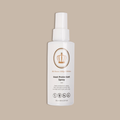
Shop our pick of the best heat protectant spray by The Lauren Ashtyn Collection! Moisturize and nourish hair while protecting from heat damage.