Blog
Blog
The viral 10-step Korean hair care routine you NEED to try
Korean hair care secrets for glossy, healthy strands
Over the past decade, K-beauty has taken the West by storm, flipping skincare on its head with snail mucin, sheet masks, and the now-famous 10-step routine. Now, it’s bringing that same obsession with detail and glow-worthy results to haircare.
The philosophy? It’s simple yet groundbreaking: Treat your scalp like your skin—because it is. With lightweight, layerable formulas—made up of both traditional and cutting-edge ingredients—that deeply cleanse and nourish when applied in a meticulous regime, the end result is all about that coveted, glass-like shine.
Designed to nourish, protect, and upgrade haircare into a ritual, this method doesn’t discriminate between coily, wavy, or pin-straight hair. It’s all about tailoring the process to your specific needs.
Curious? Explore the viral 10-step Korean hair care routine that everyone’s talking about.
Why Korean hair products belong in your routine
Korean haircare involves treating it like royalty. This approach focuses on scalp health first, using science-backed ingredients and time-tested remedies to create hair that’s not just clean but thriving. It’s the same idea as Korean skincare: take care of the foundation, and the glow follows.
At its core, Korean hair care is all about the scalp. A healthy scalp means healthier hair, and many products are designed to exfoliate, hydrate, and balance. Ingredients like salicylic acid gently clear buildup, while ginseng and green tea soothe and rejuvenate. The goal? To create a healthy environment for your hair to grow, shine, and stay strong—what some call “glass skin” for your hair.
What really sets Korean haircare apart is the layered approach. Lightweight formulas tackle specific concerns—hydration, volume, or damage repair—without weighing your hair down. Natural ingredients like camellia oil and bamboo water make regular appearances, delivering benefits that go deeper than just surface shine.
If you haven’t gathered already, it’s not about quick fixes. Korean haircare routines are deliberate, step-by-step processes that transform your hair over time. The results? Stronger, shinier, and healthier hair. If you’re ready to flip your wash-and-blowdry routine on its head, Korean haircare might just be your next big beauty obsession.
10-step Korean hair care routine
The Korean hair care ritual is all about methodically addressing both scalp and hair needs. Each step works harmoniously, giving you that glossy, healthy, salon-finish look. Below, we’re breaking it down step by step, plus spotlighting some of our stylists' go-to Korean hair products.
Step 1: Exfoliate the scalp
Healthy hair starts with a clean, flake-free foundation. Scalp exfoliation clears away dead skin, oil buildup, and residue from styling products, creating a refreshed environment for hair growth. Gently massage an exfoliating scalp treatment into your roots, let it sit for a few minutes, and rinse thoroughly.
This step is crucial for maintaining scalp health, promoting better blood circulation, and ensuring that the rest of your routine can penetrate effectively. Aim to exfoliate once or twice a week, depending on your scalp’s needs, to keep things balanced and free from irritation.
TYME product pick
Aromatica Rosemary Scalp Scrub
This refreshing scalp scrub is a must-have for deep cleansing and exfoliation. Formulated with Dead Sea salt from Israel and EWG-verified natural ingredients, it gently removes buildup while calming the scalp. The addition of rosemary offers a therapeutic, invigorating scent, promoting circulation and creating the optimal foundation for healthy hair growth.
Step 2: Shampoo
After exfoliation, follow with a nourishing shampoo that balances your scalp’s pH. Korean shampoos often prioritize lightweight hydration, leaving your scalp refreshed and your hair soft without weighing it down.
Apply a small amount of shampoo to your scalp, working it into a gentle lather while avoiding unnecessary tugging on your strands. Rinse thoroughly to remove impurities and prep your hair for conditioning. Look for shampoos enriched with herbal extracts or scalp-nurturing ingredients like ginseng or green tea for an added boost of care and vitality.
TYME product pick
Daeng Gi Meo Ri Ki Gold Premium Shampoo
Infused with ginseng, green tea, and other herbal extracts, this Korean favorite cleanses deeply while nourishing the scalp. It’s designed to strengthen hair and reduce hair loss, making it a perfect choice for anyone looking to restore balance and vitality. Oh, and guess what? You can pick it up at Costco!
Step 3: Condition
Conditioning is the step where moisture and nourishment are replenished. Korean hair care emphasizes lightweight, effective formulas that lock in hydration without weighing hair down.
After shampooing, apply conditioner to the mid-lengths and ends of your hair, avoiding the scalp to prevent oiliness. Let it sit for 2–5 minutes, allowing the ingredients to deeply penetrate and detangle strands. Rinse thoroughly with cool water to seal the cuticle and leave your hair smoother, shinier, and less prone to breakage. For best results, use a conditioner tailored to your hair type, whether you need extra moisture, repair, or volume.
TYME product pick
Dr. Ceuracle Vegan Aquarising Shampoo
This vegan-friendly shampoo is designed to deliver intense hydration while maintaining a gentle touch. Packed with botanical extracts and vegan-certified ingredients, it cleanses effectively without stripping natural moisture. Ideal for dry or sensitive scalps, its lightweight formula leaves hair feeling soft, nourished, and refreshed after every wash.
Step 4: Apply a scalp treatment
Targeted scalp treatments are a hallmark of Korean hair care. These treatments nourish the scalp and stimulate hair follicles, promoting healthy hair growth and a balanced environment for strong strands. Apply a scalp essence or tonic directly to your roots, gently massaging it in with your fingertips to boost circulation.
Unlike masks or conditioners, these treatments are leave-in, so there’s no need to rinse. They’re perfect for addressing specific scalp concerns, like dryness, irritation, or thinning hair, and help maintain overall scalp health when used regularly.
TYME product pick
Dr. FORHAIR Folligen Scalp Essence
This leave-in tonic is enriched with biotin, panthenol, and salicylic acid to soothe the scalp and boost hair vitality. Its lightweight texture absorbs quickly, making it a go-to for anyone battling dryness or thinning hair.
Step 5: Use a hair mask (weekly)
For deep hydration and repair, a hair mask is an essential weekly step. Korean masks often blend traditional and cutting-edge ingredients like honey, keratin, or fermented oils to restore moisture and elasticity to dry, damaged strands.
Apply generously to damp hair, focusing on the mid-lengths and ends where damage is most common. Let it sit for 10–15 minutes to allow nutrients to penetrate deeply before rinsing thoroughly. For an extra boost, wrap your hair in a warm towel while the mask works. Weekly use can help maintain smoothness, reduce split ends, and enhance overall manageability.
TYME product pick
Elizavecca CER-100 Collagen Coating Hair Protein Treatment
This cult-favorite Korean mask is powered by collagen, ceramides, and keratin to restore softness, reduce split ends, and enhance overall shine. It delivers visible results in just one use to locks in need of some TLC.
Step 6: Apply a leave-in treatment
Lock in hydration and protect your strands from environmental stressors with a lightweight leave-in treatment. These products seal moisture, reduce frizz, and often include added benefits like heat protection or shine-enhancing properties.
Apply a small amount to damp hair, concentrating on the mid-lengths and ends where dryness or frizz is most common. Let your hair air dry for a natural finish or style as desired. Regular use of a leave-in treatment can keep your hair looking polished and feeling healthy between washes.
TYME product pick
Mise En Scene Perfect Repair Serum
Packed with argan oil, royal jelly, and rose water, this Korean favorite repairs damaged strands while adding softness and shine. It’s lightweight, non-greasy, and perfect for taming frizz without weighing hair down.
Step 7: Use a heat protectant
If heat styling is part of your routine, a heat protectant is essential to prevent damage. Korean heat protectants are often enriched with nourishing ingredients like argan oil or herbal extracts, combining thermal protection with hydration.
Mist the product evenly onto damp hair before using any hot tools, such as blow dryers, curling irons, or straighteners. This forms a protective barrier that minimizes breakage and dryness while enhancing softness and shine. Consistent use can significantly reduce heat-related damage, keeping your hair healthier in the long run.
TYME product pick
Nature Republic Argan Essential Thermal Protection Spray
Formulated with argan oil and botanical extracts, this heat protectant guards hair from high temperatures while adding hydration and shine. Suitable for all hair types, it’s a lightweight yet effective shield against heat damage.
Step 8: Apply a hair oil
Hair oils are a cornerstone of Korean hair care, celebrated for sealing in moisture, smoothing strands, and adding a mirror-like shine. After styling, warm a few drops of oil between your palms and gently work it through the mid-lengths and ends of your hair. This step tames flyaways, reduces frizz, and boosts overall softness.
Opt for lightweight, nutrient-rich oils like argan, camellia, or sunflower oil, which nourish without leaving a greasy residue. Whether your hair is curly, wavy, or straight, this finishing touch locks in hydration and keeps your locks sleek and radiant all day long. Use sparingly to avoid buildup while achieving a polished, photo-ready finish.
TYME product pick
La’dor Wonder Hair Oil
Infused with argan oil, camellia oil, and sunflower seed oil, this lightweight formula nourishes and smooths hair while adding brilliant shine. It’s perfect for finishing your look and keeping your strands hydrated all day long.
Step 9: Spritz on a scalp-cooling mist
A refreshing scalp-cooling mist is a quintessentially Korean touch, offering a quick way to soothe and invigorate your roots throughout the day. These mists are packed with ingredients that calm irritation, balance excess oil, and provide lightweight hydration to your scalp.
Simply part your hair where needed and spritz directly onto your roots, letting the formula absorb naturally. Ideal for midday touch-ups or post-styling care, they leave your scalp feeling clean and refreshed without disrupting your hairstyle. Plus, the cooling sensation makes it a go-to for hot days or after intense workouts.
TYME product pick
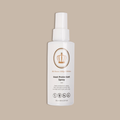
A’PIEU Mint Scalp Cooling Spray
Infused with mint extract and eucalyptus oil, this cooling spray revitalizes your scalp while regulating excess oil. Its refreshing formula soothes irritated roots and delivers a clean, fresh feel between washes.
Step 10: Seal with a shine spray
No Korean hair care routine is complete without that coveted glass-like finish, and a shine spray is the ultimate way to achieve it. A fine mist smooths the cuticle, reduces frizz, and leaves your hair with a healthy, reflective gloss.
Hold the spray about 8–10 inches from your dry, styled hair and apply evenly, focusing on the mid-lengths and ends for a polished look. Shine sprays are lightweight, so they won’t weigh your hair down while enhancing its natural luminosity. This final step locks in hydration and gives your strands a silky, impossibly shiny finish.
TYME product pick
Glaze Mirror Glaze 4-in-1 Super Sleek Shine Spray
Achieve a sleek, high-gloss finish with the Glaze Mirror Glaze 4-in-1 Shine Spray. This multitasking spray tames frizz, smooths flyaways, and enhances shine, leaving hair looking polished. Lightweight and non-greasy, it’s ideal for all hair types, offering UV protection while locking in hydration for long-lasting sleekness.
Glass hair is just 10 steps away
Achieving that coveted glass-like shine isn’t necessarily about great genetics or salon trips—it’s a thoughtful, step-by-step process. The 10-step Korean hair care routine shows us how intentional care for both scalp and strands can deliver transformative results. From exfoliating to nourishing your roots to finishing with a touch of shine spray, every step works harmoniously to enhance your hair’s health and beauty.
Start small, incorporate a few steps at a time, and watch your locks transform into glossy, head-turning strands. For more tips and product picks, explore the TYME Life Blog.
What kind of shampoo should I use? Find your perfect match.
The smarter way to match your shampoo to your strands
Shampoo is no longer just a rinse-and-repeat step. Thanks to the rise of skinification, the same principles we obsess over in skincare—like targeted ingredients, personalized routines, and long-term care—are transforming hair rituals too. In essence, more of us are treating our hair with the same intention as we’d bring to skincare.
Just like you’d spend hours trawling TikTok for skincare ingredients that promise a glow-up, picking a shampoo should be just as personal. After all, you wouldn’t slather on a moisturizer that didn’t suit your skin, so why settle for a shampoo that doesn’t treat your hair like royalty?
The beauty world is catching on, with brands like Fenty Hair and Cécred leading the charge for personalized products for hair types that have been previously overlooked. Shampoos are now tackling everything from hydration to scalp health, with options like sulfate-free, waterless, and pH-balanced formulas turning the basics into an upgrade.
So, you’re probably still thinking to yourself: “What kind of shampoo should I use?” The answer lies in your hair’s texture and needs. Whether you have pin-straight strands, soft waves, or tightly coiled curls, this guide breaks down the best formulas for every type. Let’s find your perfect match.
Why shampoos are a personal thing
Not all shampoos are created equal, and that’s a good thing! Different ingredients target different needs—hydrating dry strands, calming frizz, or clarifying oil build-up. Understanding your hair type and its challenges is the first step to a healthy, balanced routine.
Straight hair may crave lightweight formulas to avoid looking flat, while curly or coily textures benefit from nourishing ingredients that lock in moisture. Wavy hair often dances between the two, needing a careful mix of hydration and definition. And let’s not forget the scalp—it’s the silent force of hair health. An irritated or oily scalp needs attention too, which is why formulas with soothing or balancing ingredients make all the difference.
From sulfates and silicones to protein-rich cleansers, what’s in your bottle matters. The right shampoo can transform not only how your hair looks but also how it feels.
Types of hair
1 - Straight hair
Straight hair is often smooth and shiny but prone to oiliness because natural scalp oils can travel freely down the strands.
2 - Wavy hair
Wavy hair strikes a balance between straight and curly, offering natural texture that’s prone to frizz or flattening.
3 - Curly hair
Curly hair is defined by spirals or loops, often prone to dryness and tangling without proper moisture and care.
4 - Coily hair
Coily hair, with its tight curls or zig-zag pattern, is the most fragile and in need of deep hydration to maintain its health and definition.
But that’s just the beginning. Keep reading for a breakdown of each type, with shampoos tailored to their specific needs.
What kind of shampoo should I use?
The foundation of good hair starts in the shower. Choosing the right shampoo for your hair type sets the stage for your strands to flourish. For anyone working with pin-straight locks, tight, zigzag coils, or anything in between, here’s how to find the perfect formula for your hair type.
Type 1: Straight hair
Type 1 hair is the definition of sleek—naturally shiny and smooth, but it’s not all glam. This hair type is prone to oiliness since natural scalp oils travel quickly down the shaft, often leading to flat, limp strands by midday. Fine-textured straight hair can feel especially weighed down if the wrong products are used.
Shampoos for Type 1 hair
The goal is to cleanse without losing volume. Lightweight, clarifying shampoos work wonders to remove build-up and balance excess oil. Look for volumizing ingredients like rice protein and panthenol, which boost body without stripping moisture. A sulfate-free formula keeps the shine intact without drying out your ends.
TYME’s shampoo pick: Living Proof
This lightweight shampoo removes build-up while adding just the right amount of lift to fine, straight hair. Formulated with Living Proof’s patented Healthy Hair Molecule, it cleanses thoroughly, repels oil, and keeps strands feeling fresh for longer. Perfect for a fuller, bouncier finish.
Type 2A: Loose waves
Type 2A hair is all about soft, beachy waves that are more laid-back than defined. These loose waves often lean toward fine or medium in texture and can easily fall flat without the right products. Frizz can pop up, but it’s usually manageable with lightweight hydration.
Shampoos for Type 2A hair
Your perfect shampoo will add subtle definition without weighing waves down. Think protein-packed formulas to enhance texture and hydration-boosting ingredients like glycerin to control frizz. Avoid heavy oils that can overwhelm delicate waves—light is key.
TYME’s shampoo pick: Ouai Medium Hair Shampoo
Created with wavy textures in mind, this shampoo delivers lightweight hydration while enhancing your natural waves. Infused with rice protein and coconut water, it gently cleanses, boosts definition, and fights frizz without weighing down your hair. Ideal for that effortless wave vibe.
Type 2B: Defined waves
Type 2B waves are naturally defined, forming an “S” shape that gives off that fresh-from-the-ocean vibe. While this hair type has more texture than 2A, it’s also more prone to frizz and dryness—especially in humid weather. The waves hold their shape well but can tangle easily if not properly moisturized.
Shampoos for Type 2B hair
Look for shampoos that hydrate without leaving residue or weighing down your waves. Ingredients like aloe vera, coconut water, and glycerin help lock in moisture while keeping frizz under control. Avoid heavy silicones or overly creamy formulas that could flatten your natural texture. Lightweight nourishing shampoos are your best bet.
TYME’s shampoo pick: Bumble and bumble Curl Moisturizing Shampoo
This hydrating shampoo is perfect for Type 2B hair, offering frizz control and moisture without compromising wave definition. With ingredients like avocado oil and shea butter, it gently cleanses while keeping your waves soft, bouncy, and beach-ready. Bonus: It’s free from heavy silicones and sulfates.
Type 2C: Almost curls
Type 2C hair sits right on the edge of curly territory, with waves that are thick, coarse, and highly defined. This type often experiences frizz and dryness, especially at the ends, but also boasts enviable volume. Type 2C waves tend to respond well to styling products and treatments designed for curls.
Shampoos for Type 2C hair
A sulfate-free, moisture-rich shampoo is essential for taming frizz while enhancing definition. Ingredients like argan oil, shea butter, and proteins can hydrate and strengthen your strands without weighing them down. Shampoos designed to protect against humidity are a bonus for keeping waves intact in all weather.
TYME’s shampoo pick: Amika Hydro Rush Intense Moisture Shampoo
Perfect for textured waves like Type 2C, this cult-favorite shampoo gently cleanses while delivering a surge of hydration. Infused with hyaluronic acid, squalane, and blue algae, it boosts moisture levels for up to 72 hours, leaving hair 3x more hydrated.
Type 3A: Loose curls
Type 3A hair features loose, well-defined curls with a circumference similar to a piece of sidewalk chalk. These curls have a natural bounce and shine but can be prone to frizz and dryness, especially in humid conditions. Maintaining moisture is key to keeping 3A curls looking their best.
Shampoos for Type 3A hair
Opt for sulfate-free shampoos that gently cleanse without stripping natural oils. Ingredients like coconut oil and shea butter provide hydration and enhance curl definition. Avoid heavy silicones that can weigh down curls; instead, look for lightweight, nourishing formulas that maintain volume and movement.
TYME’s shampoo pick: SheaMoisture Coconut & Hibiscus Curl & Shine Shampoo
This sulfate-free shampoo combines coconut oil and hibiscus flower extracts to moisturize and define curls while reducing frizz. Its gentle formula cleanses without stripping essential oils, leaving 3A curls soft, shiny, and manageable.
Type 3B: Tight curls
Type 3B hair consists of springy, ringlet-style curls about the size of a Sharpie marker. These curls have significant volume and can be prone to dryness and shrinkage. They often require more intensive moisture to maintain elasticity and prevent breakage.
Shampoos for Type 3B hair
Choose moisturizing shampoos rich in natural oils and butters, such as argan oil and shea butter, to nourish and hydrate. Sulfate-free formulas are essential to prevent stripping natural moisture. Look for shampoos that enhance curl definition and combat frizz without adding weight.
TYME’s shampoo pick: Moroccanoil Curl Enhancing Shampoo
Infused with nourishing argan oil and hydrolyzed vegetable protein, this shampoo gently cleanses while restoring elasticity, shine, and manageability to tight curls. It helps strengthen and protect hair, leaving 3B curls defined and frizz-free.
Type 3C: Curly-coily
Type 3C hair features tight, corkscrew curls with a circumference similar to a pencil. This hair type is densely packed, offering natural volume but is highly prone to dryness, tangling, and shrinkage. Maintaining moisture and minimizing breakage are primary concerns for 3C curls.
Shampoos for Type 3C hair
Opt for ultra-hydrating, sulfate-free shampoos that cleanse without stripping moisture. Ingredients like jojoba oil, aloe vera, and honey are beneficial for retaining hydration. Shampoos with detangling properties can also aid in managing this curl type.
TYME’s shampoo pick: AG Care Curl Fresh Curl Enhancing Shampoo
Designed to enhance and define natural curls, this shampoo provides moisture and reduces frizz without weighing down the hair. Its gentle formula is suitable for daily use, keeping 3C curls healthy and bouncy.
Type 4A: Defined curls
Type 4A hair features tight, springy coils with a distinct "S" pattern. These strands are densely packed and tend to retain moisture better than other Type 4 categories, but they can still be prone to dryness. The curls are about the circumference of a crochet needle and often have a natural shine. Because of its coiled texture, 4A hair is prone to tangling and breakage, requiring gentle care.
Shampoos for Type 4A hair
4A hair thrives on hydration. Choose sulfate-free shampoos enriched with shea butter, avocado oil, or aloe vera to deeply moisturize while maintaining the integrity of your coils. Detangling ingredients like marshmallow root or slip agents can make wash days more manageable. Avoid harsh cleansers that strip oils and leave your hair feeling brittle.
TYME’s shampoo pick: TGIN Moisture Rich Sulfate-Free Shampoo
This gentle cleanser is formulated with coconut oil and amla oil to hydrate and protect 4A curls. It’s designed to cleanse without stripping, leaving your coils soft, moisturized, and easy to detangle. Perfect for maintaining definition and preventing breakage.
Type 4B: Zigzag coils
Type 4B hair features a tight "Z" pattern, with strands bending at sharp angles instead of curling in a defined loop. This unique texture gives 4B hair incredible volume, but it also tends to be more fragile and prone to shrinkage—up to 70% of its actual length. It’s often dry and requires intense moisture to maintain health and elasticity.
Shampoos for Type 4B hair
Look for ultra-nourishing shampoos with deep conditioning properties. Ingredients like castor oil, honey, and glycerin are excellent for sealing in moisture. Strengthening agents like hydrolyzed proteins can also help reinforce fragile strands. Avoid foamy, lather-heavy shampoos that can strip away natural oils.
TYME’s shampoo pick: SheaMoisture Raw Shea Butter Moisture Retention Shampoo
Packed with shea butter, argan oil, and sea kelp, this sulfate-free shampoo is a lifesaver for 4B hair. It deeply nourishes while gently cleansing, leaving your zigzag curls soft, defined, and full of life.
Type 4C: Tightest coils
Type 4C hair features the tightest curl pattern, with strands forming almost no defined curl or coil. This type of hair has a high density but is extremely fragile and prone to breakage and tangling. Shrinkage is the most pronounced with 4C hair, often reducing its length by up to 75%. Its dryness calls for frequent, intensive hydration and protective care.
Shampoos for Type 4C hair
For 4C hair, go for deeply hydrating shampoos with ingredients like baobab oil, jojoba oil, or black castor oil. Co-washing or alternating with cleansing conditioners can also help maintain moisture levels. Choose a sulfate-free formula with plenty of slip to make detangling easier during the wash process.
TYME’s shampoo pick: Mielle Organics Babassu Conditioning Shampoo
This sulfate-free shampoo is enriched with babassu oil and almond protein to nourish 4C hair from root to tip. It gently cleanses while delivering intense hydration and strengthening fragile strands, leaving your tight coils healthy and bouncy.
What kind of shampoo should I use? Go by your hair type.
You’ve got the lowdown on the best types of shampoos for every hair type—don’t stop there. Head over to the LifeTYME Blog for expert tips, product recommendations, and everything else you need to keep your hair thriving. Knowledge is power, and it will show up in your hair (and your confidence).
Why sulfate-free shampoo? Here are 7 reasons to try it.
The harsh truth about sulfates in shampoo
Bad hair day? If your strands feel dry, your color looks dull, or your scalp’s itching for a reset, the culprit might be lurking in your shower. Sulfates, the same harsh detergents found in dish soap, are likely lathering up trouble in your shampoo.
With everyone becoming more mindful about what goes into their beauty products, sulfates are under serious scrutiny—and for good reason. They’re cheap, effective cleansers, but they also wreak havoc on your hair and scalp. That’s why you won’t catch a single sulfate in any salon-worthy shampoo.
If you’re wondering why sulfate-free shampoos are all the rage, we’re breaking it down for you. From protecting your color to keeping your curls hydrated, here are seven reasons to ditch sulfates for good.
What even are sulfates?!
Sulfates are chemical detergents, typically Sodium Lauryl Sulfate (SLS) or Sodium Laureth Sulfate (SLES), that make your shampoo lather into those satisfying, foamy suds. They’re designed to break down oils and dirt, which is why they’re also found in industrial cleaners, dish soap, and laundry detergents. That same grease-busting power might feel effective in the shower, but it can wreak havoc on your hair and scalp.
Here’s the issue: sulfates don’t discriminate. While they’re busy stripping away dirt, they’re also removing your scalp’s natural oils—oils that are essential for keeping hair hydrated, shiny, and healthy. The result? Dryness, frizz, and brittle strands that feel more like straw than silk.
If you’ve got a sensitive scalp, sulfates can irritate the skin, leading to itching or flakiness. And if you’ve invested in a gorgeous balayage or a keratin treatment? Sulfates don’t play nice. They accelerate fading in color-treated hair and shorten the lifespan of chemical treatments.
In short, sulfates are like the party crasher who overdoes it. Sure, they’re effective cleaners, but they’re way too harsh for hair, especially if it’s curly, color-treated, or prone to dryness. That’s why ditching them in favor of sulfate-free shampoos is a no-brainer for healthier, happier hair.
Why use sulfate-free shampoo—7 reasons
The benefits of sulfate-free shampoo go beyond just ditching harsh chemicals. By switching to sulfate-free, you’re giving your hair a gentler cleanse while preserving its natural moisture, shine, and overall health. If you’ve been battling dryness, frizz, or dull strands, a sulfate-free formula could be just what your routine needs.
Reason #1: Keep hair hydrated
Dry hair? Sulfates might be to blame. These industrial-strength detergents give you that squeaky-clean feeling, but at the cost of your hair’s natural oils. Think of sulfates like overzealous roommates—they clean everything, including the stuff you actually need. For those with dry, curly, or textured hair, this can lead to dull, brittle strands that feel parched no matter how much conditioner you pile on.
Sulfate-free shampoos, on the other hand, clean gently, allowing your scalp’s natural oils to nourish your hair as nature intended. They leave you with softer, smoother, and healthier strands that actually hold onto moisture. Maximize its hydrating power by pairing with a deep conditioner or weekly mask.
Reason #2: Gentle on your scalp
Ever feel like your scalp’s throwing a tantrum—itching, flaking, or turning red for no good reason? Sulfates could be the agitator behind the scenes. Their aggressive cleansing strips away not just dirt but also the natural oils that keep your scalp balanced and happy. For sensitive scalps, this harshness can trigger irritation, dryness, and even flare-ups of conditions like eczema.
Sulfate-free shampoos are like a peace treaty for your scalp. They cleanse effectively but with a gentler touch, often boosted by soothing ingredients like aloe vera or oatmeal. The result? A calmer, healthier scalp that’s not out to ruin your day (or your outfit with flakes).
Pro tip: If your scalp’s extra finicky, choose a sulfate-free shampoo with added scalp-nourishing ingredients like tea tree oil or peppermint for a refreshing, calming cleanse.
Reason #3: Preserve hair color
If you’ve ever splurged on a salon color, only to watch it fade faster than last season’s trends, sulfates might be to blame. These harsh cleansers strip the hair of its natural oils—and along with them, your carefully chosen color. Fiery reds, sun-kissed blondes, or rich brunettes don’t stand a chance against the relentless cleansing power of sulfates.
Sulfate-free shampoos, however, are gentle on your strands and your shade. By preserving the hair’s natural moisture and cuticle integrity, they lock in color for a longer-lasting, salon-fresh finish. This means fewer touch-ups and more time showing off your gorgeous hue.
While you’re at it, use a color-safe conditioner or mask to enhance shine and extend the life of your dye job even further. Protecting your salon investment has never been easier.
Reason #4: Tame frizz and tease-up texture
If your hair seems to have a mind of its own, sulfates might be stirring the chaos. Since it, as we’ve pointed out, strips away natural oils, sulfates leave hair more porous, which means frizz-prone strands that puff up at the first sign of humidity. For textured, curly, or wavy hair, this is basically the definition of a bad hair day.
Sulfate-free shampoos, on the other hand, are the calm in the storm. They cleanse without creating a moisture imbalance, helping your hair retain its natural oils and hydration. This means less frizz, more definition, and a smoother finish. We’d also suggest using a curl-defining cream or leave-in conditioner to keep your texture soft and manageable. Bonus points for products infused with natural oils like coconut or argan.
Reason #5: Protect against breakage
Heads up: hair that breaks every time you brush or style is a sign your strands are crying for help. Sulfates weaken your hair’s protein bonds by over-cleansing, making it more susceptible to snapping and splitting. For those with already fragile or fine hair, this is a recipe for disaster.
Sulfate-free shampoos step in as a damage-control expert. They cleanse gently while preserving your hair’s natural proteins and moisture barrier. Over time, this means stronger strands that can handle daily styling without breaking under pressure. Say goodbye to endless split-end trims and hello to actual hair growth.
For an extra layer of defense, follow your sulfate-free wash with a protein-rich treatment once a week to strengthen strands from the inside out.
Reason #6: Better for the planet
Guess what? Sulfates are also tough on Mother Nature. These chemical detergents often wash down the drain and into water systems, where they can disrupt aquatic life and contribute to pollution. Choosing a sulfate-free shampoo isn’t just a win for your hair—it’s a small but meaningful step toward sustainability.
Plus, many sulfate-free shampoos come in eco-friendly packaging or feature biodegradable formulas, making them kinder to the planet. They also often include natural, responsibly sourced ingredients, so you can feel good about what’s in your bottle and where it came from.
So, to double your impact, look for sulfate-free shampoos from brands committed to sustainable practices, like using recycled materials or donating to environmental causes.
Reason #7: Enhances natural hair texture
If you’re embracing your natural curly/coily hair texture—and so you should—sulfates can work against you. By stripping away your hair’s natural oils, these detergents often leave textured hair feeling dry and undefined. Instead of that springy, lived-in texture you love, you’re left with frizz and lackluster strands.
Sulfate-free shampoos are a godsend for textured hair. They gently cleanse without disturbing your hair’s moisture balance, allowing your natural pattern to shine. Over time, you’ll notice better curl clumping, improved elasticity, and a healthier-looking texture overall.
So, why is sulfate-free shampoo better?
In a nutshell, sulfate-free shampoo respects your hair’s natural oils, enhances texture, retains moisture and color, and minimizes damage—all while being gentler on the planet. It’s official: removing this sudsy ingredient really is a smart move for healthier, stronger, and more manageable hair.
5 salon-approved, sulfate-free shampoos to try
We’ve scoured the shelves and ingredients lists to bring you the best sulfate-free shampoos for all hair types. These options nourish, protect, and give your hair the TLC it deserves—without the harsh cleansers.
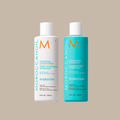
Moroccanoil Hydrating Shampoo
This sulfate-free powerhouse is packed with argan oil and vitamins A and E to deeply hydrate and restore moisture to dry or damaged hair. Its gentle formula leaves hair soft, shiny, and manageable while protecting against environmental stressors. Best of all, it works for all hair types, from fine to thick.
Why TYME loves
The luxurious scent and ultra-hydrating formula make every wash feel like a mini spa treatment.
Curls Blueberry Bliss Reparative Hair Wash
This reparative cleanser is enriched with organic blueberry extract, aloe leaf juice, and chamomile to cleanse without stripping natural oils. Designed especially for curly and textured hair, it strengthens and moisturizes, leaving curls defined and soft. Say goodbye to dryness and hello to luscious, bouncy hair.
Why TYME loves
It’s curl-friendly, sulfate-free, and smells like a tropical dream—what’s not to love?
Amika Hydro Rush Intense Moisture Shampoo
Flood your hair with hydration using this sulfate-free shampoo, enriched with hyaluronic acid and squalane. Perfect for dry, coarse, or textured hair, it locks in moisture and restores elasticity for smoother, softer strands. The creamy formula also protects against environmental damage, leaving your hair hydrated and healthy.
Why TYME loves
This shampoo is a moisture magnet—ideal for thirsty strands and a must-have for anyone battling dryness or frizz.
K18 Peptide Prep Color-Safe Detox Clarifying Shampoo
This clarifying shampoo goes beyond clean with K18’s patented peptide technology, gently detoxifying the scalp without compromising color-treated or delicate hair. Its sulfate-free formula removes product buildup and impurities, prepping hair for deeper hydration and repair. Even better, it’s safe for regular use.
Why TYME loves
It detoxes like a pro while keeping your hair color lively—perfect for starting your routine with a fresh, clean slate.
Ouai Fine Hair Shampoo
Designed specifically for fine hair, this sulfate-free shampoo is packed with keratin and biotin to strengthen and add volume without weighing hair down. Its lightweight formula leaves your locks bouncy, shiny, and free of buildup. Plus, it has Ouai’s signature fresh scent to keep you feeling luxurious all day.
Why TYME loves
It’s the ultimate go-to for fine-haired beauties who want fullness and shine, minus the heaviness.
Circling back: why sulfate-free shampoo?
If you’re serious about boosting hair health, removing sulfates is the easiest upgrade you’ll ever make. It’s a no-brainer: fewer bad hair days, better hydration, and less breakage—all from one simple swap. Plus, sulfate-free shampoos protect your color, tame frizz, and keep your scalp happy. And let’s not forget the planet—gentler formulas mean less impact on the environment. It’s the kind of switch that feels good every time you lather up.
Everything you need to know about salicylic acid for hair
Why this skincare staple is now a must-have for your hair
You know salicylic acid as the go-to for tackling breakouts, but lately, it’s been making waves in haircare—and for good reason. This hard-working ingredient is showing up in salon-approved shampoos, serums, and treatments, proving it’s just as effective at transforming your scalp as it is at clearing your skin.
Think of salicylic acid as a reset button for your hair. It works by breaking down product buildup, unclogging hair follicles, and calming an irritated scalp—all while setting the stage for healthier, stronger strands.
Whether you’re dealing with dandruff, oily roots, or flat-out dullness, it’s no wonder this skincare staple is becoming a haircare favorite. Ready to see how it stacks up? Let’s break it down.
What is salicylic acid?
Salicylic acid is a beta-hydroxy acid (BHA) that’s been a go-to in skincare for its exfoliating and oil-controlling properties—but its benefits don’t stop at your face. Now making waves in haircare, salicylic acid is becoming a hero ingredient for tackling scalp and hair concerns.
This oil-soluble acid works by gently breaking down the bonds that hold dead skin cells together, making it an effective exfoliant for clearing clogged pores and product buildup on the scalp. Unlike physical scrubs, it sweeps away impurities without abrasion, leaving your scalp refreshed and balanced.
It’s particularly loved for its ability to regulate oil production, reduce dandruff, and calm inflammation—perfect for anyone with oily roots, itchy scalps, or even thinning hair caused by clogged follicles. With salicylic acid in your routine, you’re not just cleaning your hair; you’re optimizing its foundation for healthier growth.
Is salicylic acid good for hair and scalp?
In a word: absolutely. Salicylic acid has earned its spot in the haircare world for its ability to address everything from oily roots to stubborn dandruff. Whether you’re aiming for fresher, healthier strands or a balanced, flake-free scalp, this multitasking ingredient is worth the hype.
Benefits for hair
Removes product buildup
Styling products like hairsprays, gels, and serums can cling to your strands, creating a layer of gunk that’s hard to wash out with regular shampoo. This buildup doesn’t just dull your shine; it weighs down your hair, making it feel lifeless. Salicylic acid breaks down this residue at the root, leaving your hair lighter, more voluminous, and with a glossy, natural sheen.
Improves hair texture
Residue and oils can leave your hair feeling rough and unmanageable. By lifting away impurities, salicylic acid restores your hair's natural softness and smoothness. The result? Strands that feel lighter, silkier, and more cooperative when it comes to styling. Say goodbye to that frustrating, sticky feeling and hello to touchable texture.
Boosts hydration absorption
Clean hair isn’t just for looks—it helps your products work harder. Salicylic acid clears the way for conditioners, oils, and treatments to penetrate deeply, ensuring your strands absorb every last drop of hydration and nutrients. This means longer-lasting softness, shine, and overall health for your hair.
Encourages healthy growth
Beyond being a scalp issue, clogged follicles can stunt strand growth. Keeping your scalp clear of debris and excess oil, salicylic acid creates the perfect environment for healthy hair to thrive. Bonus: it reduces breakage by ensuring your roots and strands are nourished and strong.
Balances oil production
Greasy roots can sabotage even the best hair day. Salicylic acid regulates your scalp’s oil production, tackling that midday grease and helping you extend the time between washes. Over time, it can help your scalp maintain a healthier balance, so you’re not constantly reaching for dry shampoo.
Preps for treatments
Salicylic acid is the ultimate prep step in your haircare routine. Giving your scalp and hair a deep clean ensures that your masks, serums, and treatments can do their job without interference. The result? Better results with less product and effort
Benefits for scalp
Exfoliates dead skin cells
Your scalp sheds skin cells just like the rest of your body, but when they build up, it can lead to clogged follicles and an unhealthy environment for hair growth. Salicylic acid acts as a gentle exfoliator, clearing away dead skin and flakes to leave your scalp fresh, clean, and ready to grow at Rapunzel-speed.
Soothes itchiness
An itchy scalp is a sign of underlying irritation or inflammation. Salicylic acid’s anti-inflammatory properties work to calm redness and itchiness, offering much-needed relief without the harshness of other treatments. Whether it’s from product buildup, dandruff, or sensitivity, this ingredient brings balance and comfort to your scalp.
Controls dandruff
Dandruff often stems from excess oil and yeast overgrowth on the scalp. Salicylic acid tackles both issues head-on, breaking down the buildup of dead skin and oil that feeds dandruff while soothing the scalp to reduce visible flakes. It’s a must-have in your anti-dandruff arsenal for a cleaner, more balanced scalp.
Regulates sebum production
If your scalp feels like an oil slick by midday, salicylic acid can help. It regulates sebum production, ensuring your scalp stays clean without over-drying. In maintaining the right oil balance, this ingredient keeps your hair fresher for longer, so you can skip the constant washes and dry shampoo touch-ups.
Support hair follicle health
Clogged follicles and inflammation are no friends to healthy hair. Salicylic acid clears away debris and buildup while soothing irritation, creating the perfect environment for strong, healthy hair to grow. A clean, calm scalp is the foundation for resilient strands that can stand up to everyday styling.
Reduces sensitivity
For those with a sensitive scalp, finding effective products that don’t cause irritation can be a challenge. Salicylic acid strikes the perfect balance—it’s tough on buildup but gentle on skin, promoting overall scalp health without the harshness. It’s a win for anyone prone to redness or discomfort.
Side effects of salicylic acid
Salicylic acid is a powerhouse, but it’s not entirely risk-free. Overuse or misuse can lead to issues, especially for those with sensitive hair or scalp. Knowing potential side effects can help you make informed choices and keep your haircare routine balanced.
– Dryness: While it’s excellent at removing excess oil, salicylic acid can sometimes overdo it, leaving your hair or scalp feeling overly dry. This is especially true if used too frequently or paired with other drying ingredients.
– Irritation: For those with sensitive skin, salicylic acid can cause redness, itching, or a tingling sensation. Always patch-test before diving into a new product.
– Flaking: Ironically, overuse can lead to flaking, mimicking the dandruff it’s meant to treat. This happens when the scalp’s moisture barrier is disrupted.
– Hair weakness: If the scalp becomes too dry or irritated, hair strands may grow weaker, increasing the likelihood of breakage or shedding over time.
– Allergic reactions: Though rare, some individuals may experience an allergic reaction, including swelling or hives. Discontinue use immediately if this occurs.
Don’t let the side effects scare you off—salicylic acid is generally safe when used in moderation. Opt for formulas with added moisturizing ingredients and always follow with a hydrating conditioner or mask. Listening to your scalp’s needs is key to unlocking its full potential without overdoing it.
Try these hair products with salicylic acid
If you're serious about scalp care, salicylic acid-infused hair products are the way to go. From tackling flakes to balancing oil production, these products combine effective exfoliation with gentle care for fresher roots and healthier hair. Here are some standout options to add to your routine.
L'Oréal Paris Elvive Hydra Pure Exfoliating Pre-Shampoo Scalp Serum with Salicylic Acid for Oily Scalp and Roots
This pre-shampoo serum is designed to detoxify and reset your scalp. With salicylic acid at the forefront, it gently exfoliates to remove excess oil, product buildup, and impurities. The lightweight formula preps your scalp for a deep clean, leaving your roots refreshed and balanced without stripping essential moisture.
Dr. Barbara STURM Anti-Hair Fall Shampoo
Treat yourself to this luxe shampoo, packed with salicylic acid and hyaluronic acid to gently cleanse, hydrate, and nourish. It works to reduce hair fall caused by a stressed scalp while improving follicle health. The sulfate-free formula is enriched with plant-based actives, leaving your hair soft and visibly refreshed.
Sachajuan Scalp Shampoo
If you’re prone to dandruff, this one’s for you. The Sachajuan Scalp Shampoo combines salicylic acid with climbazole and piroctone olamine to target dandruff, itchiness, and irritation. The balanced formula removes flakes and impurities while calming the scalp, leaving hair clean and manageable. In a nutshell, this shampoo is a MUST for maintaining a healthy scalp without compromising on hydration or softness.
SheaMoisture Apple Cider Vinegar Anti-Dandruff Shampoo
A one-two punch against dandruff and buildup, this sulfate-free shampoo blends salicylic acid with apple cider vinegar. The soothing formula cleanses the scalp, reduces flakes, and balances pH levels, all while nourishing strands with shea butter and tea tree oil. A refreshing cleanse for healthier hair and a flake-free finish.
Oribe Serene Scalp Shampoo
Luxury meets efficacy. This cute bottle contains salicylic acid to exfoliate and clear away flakes. Infused with caffeine and botanical extracts, it soothes irritation, hydrates the scalp, and promotes a balanced environment for healthy hair growth. It tackles dryness and irritation while maintaining Oribe’s signature elegance.
Aveda Invati Advanced Exfoliating Shampoo
Designed for thinning hair, Aveda’s Invati Advanced Exfoliating Shampoo uses salicylic acid from wintergreen to gently cleanse and exfoliate. It removes buildup, clears clogged follicles, and preps the scalp for thicker, fuller hair. Made with 94% naturally derived ingredients, this shampoo also contains Ayurvedic herbs to nourish and rejuvenate.
FAQs about salicylic acid for hair
If we haven’t cleared up all your questions about salicylic acid, here are some commonly asked ones, answered by salon experts.
Can salicylic acid be used on all hair types?
Yes, but its effects vary. It’s especially helpful for oily scalps, dandruff, and buildup-prone hair. For dry or curly hair, limit use to avoid over-drying—pair it with hydrating products.
How often should I use salicylic acid products?
Start with 1–2 times per week and adjust based on your scalp’s needs. Overusing can lead to dryness, so monitor how your hair and scalp respond.
Can salicylic acid treat severe dandruff?
Salicylic acid can help reduce flakes and control dandruff, but for severe cases, combine it with an anti-fungal ingredient like zinc pyrithione or consult a dermatologist.
Is salicylic acid safe for color-treated hair?
It’s generally safe, but choose products specifically formulated for color-treated hair to avoid stripping your dye. Follow up with a color-safe conditioner to lock in vibrancy.
Are there natural alternatives to salicylic acid?
Yes, ingredients like apple cider vinegar or tea tree oil can mimic some of its benefits, such as exfoliating the scalp and balancing oils, though results may be milder and therefore, less effective.
Salicylic acid for hair—your scalp’s hero
We’ve learned that salicylic acid is no longer just a skincare hack—it’s a transformative ingredient for your hair and scalp. From exfoliating dead skin to controlling oil and promoting healthier growth, it’s a powerhouse ingredient that tackles everything from dandruff to product buildup.
While it’s not for everyone, including those with ultra-dry scalps, it’s an excellent choice for creating a balanced, refreshed foundation for your hair. We’d suggest pairing it with hydrating products to get better results.
Sold on salicylic acid for hair? Incorporate it thoughtfully into your routine and let your scalp reap the benefits—it’s the small switch that leads to big haircare wins!
How to use sea salt spray for hair—7 ways to get beachy perfection
Laidback, summer vibes in a bottle
Real talk: who doesn’t love that effortlessly cool, beach hair vibe? You know the one. Those imperfectly textured waves, the sun-kissed texture, the au-naturel look that’s equal parts glam. Think Zoë Kravitz or Blake Lively—there’s no doubt they have a sea salt spray up their sleeve (or at least, their stylists do).
Perfect for on-the-go styling and low-maintenance days, sea salt spray for hair is the ultimate hack for creating texture and volume. It's a blend of salt (naturally!), water, and often other ingredients like nourishing oils and texturizing polymers. Trust us when we say this styling MVP has you covered for various occasions, whether you’re chasing year-round summer vibes or just looking to skip a wash.
Intrigued? Scroll down to learn about what sea salt spray exactly does, who it’s best for, what products are out there, and how to use it to nail that perfectly undone, fresh-off-the-beach look.
What does sea salt spray do for hair?
Sea salt spray is like bottling up a day at the beach but with control over the chaos. It works by adding texture and grit, giving hair that slightly tousled look without feeling overstyled. The salt absorbs excess oil and creates a weightless lift that transforms even the flattest strands into something full of character.
Here’s what it brings to the table.
✔ Adds texture. Perfect for creating natural-looking waves or soft, undone styles.
✔ Boosts volume. Gives fine or flat hair a noticeable lift without teasing.
✔ Defines natural movement. Enhances existing waves or curls for a low-maintenance finish.
✔ Matte finish. Dials down shine for a relaxed, fresh look.
✔ Quick styling fix. Ideal for second-day hair when you’re skipping the wash.
The result? Hair that looks lived-in but intentional, like you spent the day under the sun—minus the sand and UV damage.
Is sea salt spray ever bad for hair?
Sea salt spray is a styling savior for many, but it’s not without its downsides. While it delivers texture and volume, the salt can also pull moisture from your strands, leaving them dry or brittle with overuse. The key? Knowing when and how to use it based on your hair type.
Who will love it
– Flat, fine hair: Adds texture and movement without weighing it down.
– Straight or slightly wavy hair: Enhances movement, making it easier to style.
– Oily hair: Helps absorb excess oil, leaving hair fresher for longer.
Who might not
– Dry or brittle hair: Salt can exacerbate dryness, leading to breakage.
– Color-treated hair: Frequent use might strip moisture, making dyed hair fade faster.
– Curly or coily hair: While it can enhance texture, it may also cause frizz without proper hydration.
The trick is balance. If your hair leans toward dryness, pair sea salt spray with a nourishing leave-in conditioner or a few drops of lightweight oil to lock in moisture. Don’t spray with reckless abandon—target mid-lengths and ends instead of roots to avoid buildup. Used thoughtfully, sea salt spray can elevate your styling game without sacrificing hair health.
How to use sea salt for hair
Sea salt spray is the Swiss Army knife of hairstyling. It’s versatile, quick, and makes a statement. Soft waves, a textured updo, or just a little oomph, here’s how to put it to work.
Use #1: Create soft, beachy waves
Sea salt spray is your go-to for that casual, windswept look that screams "vacation mode." It enhances natural texture, making waves appear fuller and more defined.
1. Towel-dry hair after a wash or lightly mist with water.
2. Hold the spray 8–10 inches away and focus on mid-lengths and ends. Avoid overloading the roots.
3. Use your hands to scrunch sections of your hair upward.
4. Let it air dry for a soft finish or diffuse for extra volume.
Use #2: Add volume to flat hair
Fine or lifeless hair? Sea salt spray can provide that much-needed lift and grip, perfect for creating the illusion of thickness.
1. Divide hair into layers to ensure even application.
2. Apply a light mist directly at the roots for instant lift.
3. Blow-dry upside down, using a round brush or your fingers to add extra height while drying.
Use #3: Texturize for messy updos
Messy buns and loose twists get a serious upgrade with the added grip of sea salt spray.
1. Mist lightly over dry mid-lengths and ends to add texture and reduce slip.
2. Build your bun, braid, or twist. The added texture will hold the style together.
3. Finish with a spritz of sea salt spray to secure the look without stiffness.
Use #4: Sea salt for hair spray
If you’re after a lightweight alternative to traditional hairspray, sea salt spray can keep your style in place while maintaining flexibility.
1. Whether it’s waves, curls, or a sleek ponytail, get your hair how you want it.
2. Hold the bottle 8–10 inches away and spray a light layer over your hair.
3. Let it dry naturally to lock in texture and hold, or use a blow dryer for added staying power.
Use #5: Refresh second-day hair
No time for a full wash? Sea salt spray can give flat, second-day hair a quick pick-me-up by adding volume and texture.
1. Lightly mist sea salt spray over dry hair, concentrating on roots and mid-lengths.
2. Use your fingers to tousle and lift the hair, creating a more lived-in, effortless texture.
3. For added body, hit your roots with a blow dryer on low heat for a minute or two.
4. Bonus: Pair with dry shampoo for extra freshness!
Use #6: Enhance natural curls
Sea salt spray is a game-changer for reviving natural curls, adding definition without weighing them down.
1. Start with damp hair or spritz dry curls lightly with water.
2. Apply sea salt spray evenly through your curls, focusing on mid-lengths and ends.
3. Scrunch your curls gently with your hands to encourage definition.
4. Air dry or diffuse for bouncy, refreshed curls that look like you just stepped out of a magazine spread.
Use #7: Boost braided styles
Want your braids to stand out with added texture and hold? Sea salt spray is the perfect pre-braiding tool.
1. Start with dry or slightly damp hair and mist evenly with sea salt spray.
2. Work the product in with your fingers to create grip and reduce slippage.
3. Create your braid, whether it’s a fishtail, Dutch, or classic style.
4. Finish by gently pulling apart sections of the braid for an effortless, textured look.
5 stylist-approved sea salt sprays to try
These five top picks deliver everything from volume and hydration to touchable hold, taking your hair game to the next level—in the most effortlessly cool way possible.
Moroccanoil Volumizing Mist
Key ingredients: Argan Oil, Rice Amino Acids, Dead Sea Salt
Looking to breathe life into fine or dull hair? This weightless mist delivers up to 50% more fullness while keeping your locks touchably soft. Infused with argan oil to nourish and Dead Sea salt to add bouncy volume, it’s perfect for maintaining movement and texture for up to 72 hours. Bonus: Rice Amino Acids strengthen strands for healthier-looking hair.
Bumble and bumble Surf Spray
Key ingredients: Seaweed Extract, Kelp Extract, Magnesium Sulfate
This matte-finish spray is your shortcut to wind-styled texture, no beach trip required. Designed for fine to medium hair, it adds volume at the roots and effortlessly enhances waves. Seaweed and kelp extracts boost moisture, while magnesium sulfate creates lightweight hold. Ideal for wavy and straight patterns, it also features a subtle marine-inspired fragrance.
Not Your Mother’s Texturizing Beach Babe Sea Salt Spray
Key ingredients: Sea Salt, Aloe Leaf Juice, UV Protectants
Best budget pick. Achieve that tousled, textured beachy look with this tropical vanilla-coconut scented styling spray. Infused with sea salt for natural separation and body, it delivers a matte finish that screams “just left the beach.” Plus, UV protection helps guard your hair from sun damage. Cruelty-free, vegan, and gluten-free, it’s a wallet-friendly choice for effortless waves with no guilt.
Guava Beach Waves
Key ingredients: Pink Bolivian Salt, Guava Fruit & Leaf Extract, Aloe Vera Powder
Guava Beach Waves brings tropical vibes to your curly and coily hair with a lightweight mist that delivers texture and definition. Infused with Pink Bolivian Salt and Guava Extracts, it enhances waves while protecting hair from UV damage and environmental stressors. Ideal for adding volume without drying out coily strands, this spray keeps your hair looking healthy and styled with ease.
Blind Barber 40 Proof Sea Salt Textured Hold Spray
Key ingredients: Sea Salt, Hops Extract, Vitamin B5
This 40 Proof Sea Salt Spray offers flexible, lasting hold while maintaining a natural finish. It’s praised for its ability to create textured, lived-in styles without stiffness, it’s formulated with hops extract for added volume and Vitamin B5 for hydration. Whether you’re sculpting a sleek pony or messy waves, it locks in your look while keeping hair touchable and soft.
Perfect your sea-salt waves with TYME
Sea salt spray for hair is great for adding texture and a quick refresh to locks that are past their best, but pairing it with the TYME Style Iron Pro takes your look to a whole new level of beach goddess. Use the iron to create effortless waves, then finish with a spritz of salt spray for added hold. Your dream hair? Nailed it.
What hair colors look good on brown skin?
Hair color inspo for melanin-rich babes
Brown skin is like a canvas that works with just about any hair color. It’s all about finding the shade that makes you feel like that girl. From Rihanna’s fiery red locks to Beyoncé’s golden honey highlights, brown-skinned icons have been serving endless inspiration for years.
So, what hair color looks good on brown skin? You may be eyeing a bold platinum moment or leaning toward warm chocolate hues, no matter the vibe, the key is understanding tones that complement your skin's natural warmth. We’re breaking down the hair colors that are trending, timeless, and totally transformative.
Get ready to screenshot your faves because these shades are made to turn heads and boost confidence.
The science of color
Understanding the subtle science of color theory and how it interacts with your skin tone can help you pick the right hair color for you. TikTok’s color analysis trend has sparked a renewed appreciation for undertones and how they influence everything from clothing to hair. For brown skin, this is where the magic happens: the interplay of your natural undertones and the shades you wear can enhance or transform your entire look.
It all starts with identifying your undertones—warm, cool, or neutral. Warm undertones (golden or peachy hues) harmonize beautifully with shades like caramel, auburn, or honey blonde. These colors amplify your skin’s natural radiance, making you glow from within. Cool undertones (pink or bluish hints) create striking contrasts with jet black, ashy blondes, or icy highlights, giving an edgy, modern vibe. Neutral undertones? The color world is your oyster, from rich chocolate browns to bold reds like cherry or burgundy.
Here’s where it gets even more exciting. Hair color isn’t just about tone matching; it’s also about balance and drama. Complementary colors (like warm hair tones with cool skin) create high-impact looks, while matching tones offer effortless harmony. It’s all about using color as a tool to amplify your personal style and features.
At the end of the day, the science of color is empowering. It’s not about rules—it’s about leveraging what works best for you, whether you’re rocking Ciara-level platinum or going Lupita Nyong’o deep purple.
What color hair looks good on brown skin?
We’ve scrolled through the trends, peeked at the red carpet, and rounded up the shades brown-skinned beauties are loving right now. From warm classics to bold, statement-making hues, these hair colors don’t just complement melanin—they celebrate it.
Auburn
Auburn is an always-trending hair color with rich, reddish-brown tones that light up brown skin beautifully. This shade accentuates golden undertones, making your complexion look radiant and alive. Go all-in or opt for balayage, either way, auburn has a cozy sophistication that works year-round. Hydrate your locks with deep-conditioning treatments to keep that fiery hue glowing long after you leave the salon.
Honey blonde
Honey blonde is the sweet spot between subtle and statement. Its golden warmth flatters brown skin by brightening your complexion without feeling harsh or overdone. Perfect for warm undertones, this shade is versatile—try it as highlights, balayage, or full color for a sun-kissed look that feels effortless. Keep brassiness away with a purple shampoo and hydrate those strands to maintain its golden glow.
Jet black
Jet black is a timeless classic for a reason. This deep shade offers high drama and high shine, creating a striking contrast that makes brown skin look luminous. Whether worn in curls, braids, or a poker-straight style, jet black is all about bold simplicity. It’s especially flattering for cool or neutral undertones, but the sleekness works universally across all shades of brown skin.
Brown ombré
Brown ombré is a versatile, low-maintenance option that blends subtlety with style. Starting with a deep brown base and gradually transitioning into caramel or golden hues, this look provides dimension and a soft glow. The gradient effect creates movement and works beautifully with curls, waves, or sleek straight hair. Low-maintenance girlies, you’ll be pleased to hear that ombré grows out naturally, allowing you to cut down on salon visits. Keep it fresh with moisturizing treatments to prevent the lighter ends from looking dry.
Chocolate
Chocolate is the ultimate go-to for brown skin. It’s rich, multidimensional, and effortlessly elegant. This deep, warm brown enhances your natural glow while offering a polished and natural vibe. Perfect for those who want a subtle refresh, chocolate works beautifully as an all-over color or with soft highlights to add depth. But the best part is that it’s low maintenance and blends seamlessly with new growth.
Sunkissed highlights
Think golden-hour glow, but for your hair. Sunkissed highlights add just the right pop of brightness, making your curls or waves look sun-kissed and dimensional. Ideal for anyone craving a soft refresh that’s as breezy as a weekend getaway. Keep them luminous with a weekly color-safe hair mask.
Cherry
Cherry isn’t just a color. It’s an attitude. This fiery red makes a bold statement, amplifying brown skin’s natural warmth and making you impossible to ignore. Rihanna’s Loud era? Iconic proof this hue is a game-changer. Protect that pop of color with sulfate-free products, and watch heads turn.
Platinum
Platinum is the ultimate power move. This icy blonde shade (that’s not typically associated with brown skin shades) is daring, dramatic, and downright empowering. It’s a high-maintenance queen, but the payoff? Absolutely worth it. Keep brass at bay with purple shampoo, and get ready to channel your inner superstar.
Rose gold
Rose gold is like the love child of pink and blonde, and it’s every bit as dreamy as it sounds. On brown skin, it brings a playful, romantic glow that’s soft yet striking. It’s the ultimate choice for anyone looking to dip a toe into bold color without going full neon. A gloss treatment keeps it looking fresh.
Cinnamon
Warm, spicy, and irresistible—cinnamon is the color equivalent of your favorite latte. This reddish-brown hue adds a natural warmth to brown skin, creating a soft, radiant finish. It’s bold without being loud and pairs beautifully with textured styles. Add a shine serum to make those undertones pop.
Black sapphire
Not your average black, black sapphire has subtle blue undertones that give it a rich, mysterious aura. It’s edgy without being over the top, offering depth and drama to brown skin tones. Pair it with sleek, straight styles for maximum impact, and keep it glossy with regular deep conditioning.
Lilac blonde
Lilac blonde is the ultimate mix of edgy and ethereal. This pastel-meets-platinum shade creates a soft contrast against brown skin, making it equal parts striking and sweet. Ideal for anyone who’s not afraid to stand out. Keep the tone cool with purple shampoo, and prepare for endless compliments.
Ash blonde highlights
For a subtle, high-fashion look, ash blonde highlights bring dimension and elegance to brown skin. The cool-toned streaks add contrast, giving your hair depth without overpowering your features. Best paired with loose waves or curls to let the highlights shimmer naturally. A toner is your best friend here—don’t skip it!
Mauve
Mauve is where subtle meets statement—a dusty mix of purple and pink that’s soft yet undeniably bold. On brown skin, it creates a dreamy, otherworldly look, adding a playful but polished edge to your look. Great for textured styles or sleek cuts, it’s a head-turner without trying too hard. Keep it fresh with color-safe shampoo.
Champagne
Champagne is the definition of understated luxury. This pale blonde shade with golden undertones glows against brown skin, giving off a soft, sunlit effect. It’s a safe option for anyone wanting to lighten up without venturing into platinum territory. Add subtle lowlights for depth, and don’t forget a nourishing treatment to maintain its silky shine.
What hair colors look good on brown skin? Plenty of them.
While we’ve highlighted some gorgeous hair colors that work beautifully with brown skin, these are just ideas to get you inspired. Hair is personal, and there’s no one-size-fits-all—pick the shade that makes you feel like your best self.
Whether it’s cherry red, honey blonde, or something completely out of the box, it’s about feeling good in your skin (and hair). Trends come and go, and hair grows back, so why not have fun with it? Take a chance, try something new, and let your hair show off your personality in a way that’s totally you.
And keeping those locks thriving among the color switch-ups? Find more hair health tips on the LifeTYME Blog.
11 ingredients to avoid in hair products (+ good ones to look for)
Discover the truth about what’s lurking in your haircare
Ever wonder if your haircare is secretly sabotaging your strands? It’s not just about what your shampoo promises; it’s about the hidden culprits lurking in the fine print.
Harmful ingredients in hair products like harsh chemicals and sneaky additives can leave your hair crying for help. Keep reading, as we’re exposing the worst offenders and uncovering what your locks really need to thrive.
11 ingredients to avoid in hair products
❌ Sulphates, the lather you don’t need!
Sulfates, like Sodium Lauryl Sulfate (SLS) and Sodium Laureth Sulfate (SLES), are industrial-strength detergents that create the bubbly lather we’ve all been conditioned to expect from a “good” shampoo.
Where they’re found: Shampoos, body washes, toothpaste—basically anything that’s meant to foam.
Why they should be avoided: Sure, sulfates deliver a satisfying sudsy cleanse, but they also strip your hair of its natural oils and moisture barrier. That squeaky-clean feeling? It’s your hair begging for hydration. Over time, sulfates can leave hair dull, brittle, and prone to breakage while exacerbating issues like frizz, scalp irritation, and dryness. If your hair is color-treated, sulfates are the fast lane to faded hues and salon touch-ups.
Alternatives: Gentle, sulfate-free cleansers are the way forward. Look for products featuring coconut-based surfactants like cocamidopropyl betaine or decyl glucoside, which clean your hair without leaving it thirsty. These products are a godsend for curls, colored hair, or dry strands.
❌ Silicones, the quick fix that sticks around
Silicones, such as Dimethicone and Cyclopentasiloxane, are synthetic polymers designed to coat your hair, giving it that silky-smooth, frizz-free look.
Where they’re found: You’ll see these in conditioners, serums, heat protectants, and styling creams—basically anything promising instant sleekness.
Why they should be avoided: Silicones might make your hair feel like spun silk initially, but they’re the ultimate illusionist. They create a superficial shine while sealing out essential moisture and nutrients. Over time, non-water-soluble silicones can build up, making hair greasy, heavy, and lifeless. Worse, removing them often requires harsh shampoos (think sulfates), creating a vicious cycle of damage.
Alternatives: Ditch the fake gloss and opt for lightweight natural oils like argan, jojoba, or sweet almond oil to hydrate and add shine without the buildup. Pair this with silicone-free conditioners and leave-ins to maintain that fresh, bouncy look. Your hair will look (and feel) genuinely healthy, not just smooth on the surface.
❌ Parabens, the preservative with a reputation problem
Parabens, like Methylparaben and Propylparaben, are synthetic preservatives that prevent bacteria and mold from growing in your hair products.
Where they’re found: Shampoos, conditioners, styling gels, and any product with water in its formula.
Why it should be avoided: Parabens may keep your products fresh, but they’ve sparked serious debates about their long-term effects. These compounds can mimic estrogen in the body, potentially disrupting hormones. They’re also linked to skin irritation and sensitivities, particularly for those with eczema or allergies. While the research is ongoing, parabens are often avoided as a "better safe than sorry" measure.
Alternatives: Look for haircare products preserved with phenoxyethanol, potassium sorbate, or natural extracts like rosemary or grapefruit seed. These alternatives keep your products safe without the potential hormone concerns.
❌ Formaldehyde-releasing agents, a slow-release nightmare
Ingredients like DMDM Hydantoin and Quaternium-15 are preservatives that slowly release formaldehyde to combat bacteria and extend shelf life.
Where they’re found: Shampoos, conditioners, keratin treatments, and some leave-in products.
Why they should be avoided: Formaldehyde is a known carcinogen, and these slow-release agents have been associated with allergic reactions, scalp irritation, and respiratory issues. If you’ve ever had a keratin treatment and noticed itchy eyes or a burning scalp, formaldehyde might be the culprit. Even in smaller doses, these agents can be a risk over time, especially with frequent use.
Alternatives: Prioritize products labeled “formaldehyde-free” or those with clean preservatives like sodium benzoate or benzyl alcohol. Better yet, explore brands dedicated to transparency about their ingredients.
❌ Phthalates, the hidden villain in fragrance
Phthalates like DEP (Diethyl Phthalate) and DBP (Dibutyl Phthalate) are chemicals added to enhance fragrance longevity or improve the flexibility of hair product formulas.
Where they’re found: Hair sprays, gels, mousses, and heavily fragranced shampoos and conditioners.
Why they should be avoided: Phthalates are potential endocrine disruptors, meaning they can interfere with hormone systems. Studies have also linked them to reproductive health concerns, especially in pregnant individuals. On a less extreme but still annoying level, phthalates can irritate sensitive scalps and skin.
Alternatives: Opt for fragrance-free haircare or products scented naturally with essential oils like lavender, peppermint, or citrus. For styling products, look for those explicitly labeled “phthalate-free” to steer clear of these sneaky chemicals.
❌ Artificial fragrances and colors, the sneaky culprits
Artificial fragrances and colors are lab-made additives designed to make your products smell and look more appealing.
Where they’re found: Pretty much everywhere—shampoos, serums, conditioners, and anything with a strong scent or vibrant hue.
Why they should be avoided: These synthetic ingredients are often hidden behind the vague label of "fragrance" or "color," which can mask a cocktail of potentially harmful chemicals. They’re notorious for causing scalp irritation, allergic reactions, and even headaches or respiratory issues. Some artificial dyes are also linked to toxic effects when absorbed over time.
Alternatives: Stick to “fragrance-free” products or those scented with natural essential oils like lavender or rosemary. When it comes to color, trust products that rely on plant-based ingredients, like beetroot powder or turmeric, for a touch of visual appeal.
❌ Alcohols, the good, the bad, and the brittle
Not all alcohols are bad, but drying alcohols like Isopropyl Alcohol and SD Alcohol are common solvents used to create lightweight textures and quick-drying effects
Where they’re found: Hairsprays, gels, volumizers, and some leave-in products.
Why they should be avoided: These alcohols are moisture thieves, evaporating quickly and leaving your hair parched, brittle, and prone to breakage. If your curls are suddenly frizz central or your straight strands feel like straw, drying alcohols might be to blame.
Alternatives: Seek out products with hydrating fatty alcohols, like cetyl, stearyl, or behenyl alcohol, which smooth the hair cuticle and add moisture. For styling, water-based formulas are often gentler on your strands.
❌ Polyethylene glycol (PEGs), the chemical thickener
PEGs are petroleum-derived compounds used as thickeners, softeners, and emulsifiers to keep product ingredients mixed.
Where they’re found: Shampoos, conditioners, styling creams, and leave-ins.
Why they should be avoided: While PEGs can give products a creamy, luxurious feel, they can also strip your hair of natural oils, leaving it dry and lackluster. Even worse, PEGs may be contaminated with harmful by-products like ethylene oxide and 1,4-dioxane—both of which are potentially carcinogenic.
Alternatives: Look for products that use natural emulsifiers like aloe vera, xanthan gum, or guar gum. These ingredients work to thicken and stabilize formulas without the harsh side effects, keeping your hair soft and healthy.
❌ Mineral oil and petrolatum, the moisture impostors
Mineral oil and petrolatum are petroleum byproducts often marketed as moisture-locking heroes, but they’re more like double agents.
Where they’re found: You’ll spot them in hair oils, pomades, and scalp treatments promising shiny, hydrated hair.
Why they should be avoided: These heavyweights coat your hair, creating a barrier that locks out more than moisture—it blocks essential nutrients too. Over time, they suffocate your strands, leaving them dull and lifeless. Plus, they’re notoriously hard to wash out, meaning you’re in for a whole lot of build-up if you’re not careful.
Alternatives: Swap them for lightweight, nutrient-rich oils like almond, grapeseed, or argan oil, which hydrate without suffocating your hair. Shea butter-based products also deliver moisture with a softer touch.
❌ Triclosan, the chemical you don’t need
Triclosan is an antimicrobial agent once hyped for its bacteria-busting abilities.
Where they’re found: Occasionally lurking in shampoos and anti-dandruff treatments.
Why they should be avoided: While triclosan might zap germs, it’s also linked to hormone disruption and environmental harm—like polluting waterways and affecting aquatic life. On top of that, overuse can lead to resistant bacteria (yikes!).
Alternatives: Let Mother Nature handle it with natural antibacterial ingredients like tea tree oil, neem, or rosemary extract. They keep your scalp healthy without compromising your body or the planet.
❌ DEA, MEA, and TEA (Ethanolamines), the foaming fakers
Ethanolamines like DEA (Diethanolamine), MEA (Monoethanolamine), and TEA (Triethanolamine) are chemical agents used to create foam and stabilize products.
Where they’re found: You’ll find these in shampoos, conditioners, and styling products with frothy textures.
Why they should be avoided: While they give you a luxurious lather, ethanolamines have a dark side. They can interact with other ingredients to form nitrosamines—potential carcinogens—and they’re infamous for causing skin irritation and dryness.
Alternatives: Choose products labeled “ethanolamine-free” and opt for plant-based foaming agents like coco-glucoside or decyl glucoside. They’ll cleanse without compromising your hair—or your health.
What ingredients to look for in haircare
If avoiding harmful ingredients is step one, step two is knowing what to embrace. The right haircare ingredients nourish your strands, support your scalp, and help you achieve your dream hair goals—without compromising your health. Here’s a breakdown of powerhouse ingredients to look for:
✅ Coconut-based surfactants are gentle cleansers
If you’ve been chasing sulfate-free shampoos, chances are you’ve come across coconut-based surfactants like cocamidopropyl betaine. These gentle cleansers are ideal for anyone tired of the harsh effects of traditional detergents. They clean your hair without stripping it of its natural oils, leaving it hydrated and happy—Hallelujah!
Why they’re great: Unlike sulfates, which can be harsh and drying, coconut-based surfactants are mild yet effective. They cleanse your scalp and hair without disrupting its natural moisture barrier, making them perfect for sensitive scalps, dry hair, or curls prone to frizz. Bonus: they’re derived from renewable resources, so they’re kinder to the planet too.
Where you’ll find them: Look for coconut-based surfactants in sulfate-free shampoos, gentle cleansing conditioners, and micellar hair cleansing waters. They’re especially common in products designed for dry, damaged, or color-treated hair.
✅ Aloe vera is nature’s moisturizer
Aloe vera isn’t just for soothing sunburns—it’s a superstar for your hair too. Packed with vitamins, enzymes, and amino acids, aloe vera hydrates your strands while keeping your scalp happy and balanced.
Why it’s great: Aloe vera is a natural humectant, meaning it draws moisture into the hair, making it softer, shinier, and less prone to breakage. It’s also soothing for irritated scalps, thanks to its anti-inflammatory properties, and can help combat dandruff without harsh chemicals.
Where you’ll find it: You’ll spot aloe vera in hydrating shampoos, leave-in conditioners, and scalp treatments. It’s especially common in products for dry, brittle, or damaged hair, as well as those aimed at promoting growth.
✅ Argan oil is liquid gold for hair
Argan oil has earned its nickname “liquid gold” for a reason. This nutrient-dense oil from Moroccan argan trees is a savior for dry, frizzy, or damaged hair.
Why it’s great: Rich in antioxidants, essential fatty acids, and vitamin E, argan oil nourishes and strengthens hair while adding an incredible shine. It tames flyaways, smooths frizz, and even provides heat protection. Plus, it’s lightweight, so it won’t leave your hair feeling greasy or weighed down.
Where you’ll find it: You’ll find argan oil in everything from smoothing serums and leave-ins to deep conditioning masks and curl creams. It’s a must-have in any anti-frizz or shine-enhancing product.
✅ Shea butter is the big softie
Shea butter is a deeply nourishing ingredient derived from the nuts of the African shea tree. Known for its rich texture and high-fat content, it’s a dream for thirsty curls and damaged ends.
Why it’s great: Shea butter is a natural emollient that locks in moisture, making hair softer and more manageable. Its fatty acids coat each strand to protect against environmental damage, while its vitamins (A and E) promote healthier growth. It’s particularly beneficial for curly, coily, or chemically treated hair.
Where you’ll find it: You’ll see shea butter in curl-defining creams, deep conditioning masks, and moisturizing hair balms. It’s especially beloved in leave-in products and styling creams for textured hair types.
✅ Jojoba oil is balanced nourishment
Jojoba oil is often called the closest thing to your scalp’s natural oils, making it an ideal ingredient for balancing hydration without overloading your hair.
Why it’s great: Lightweight and non-greasy, jojoba oil moisturizes hair strands and scalp alike. Its molecular structure is similar to sebum, so it nourishes without clogging pores. It’s also packed with vitamins and minerals like vitamin C, B vitamins, and zinc, which help strengthen hair and prevent breakage.
Where you’ll find it: Jojoba oil is a common ingredient in scalp treatments, lightweight serums, and frizz-taming sprays. It’s especially useful in products for fine or oily hair types that still need a touch of hydration.
✅ Panthenol is a strength and shine booster
A derivative of vitamin B5, panthenol is a powerhouse ingredient that both strengthens and adds shine to your hair. It’s a go-to for those looking to improve the overall texture of their locks.
Why it’s great: Panthenol works by penetrating the hair shaft and locking in moisture, making hair softer, shinier, and less prone to split ends. It also forms a thin protective layer around each strand, adding volume and reducing frizz without weighing your hair down.
Where you’ll find it: Panthenol pops up in volumizing shampoos, leave-in conditioners, and hair repair serums. It’s great for all hair types, but especially beneficial for fine or damaged hair in need of strength and shine.
✅ Rice water extract is an ancient growth secret
Rice water extract has been a beauty staple for centuries in East Asia, celebrated for its ability to fortify and grow long, healthy hair.
Why it’s great: Packed with amino acids, vitamins, and inositol, rice water strengthens hair from root to tip while improving elasticity and reducing friction. It’s known for repairing damaged strands and boosting shine. Regular use can also help stimulate hair growth and prevent thinning.
Where you’ll find it: Look for rice water extract in growth-promoting shampoos, hair masks, and treatments aimed at reducing breakage. It’s especially popular in products targeting thinning hair or brittle ends.
Always check the bottle
Choosing the right ingredients is about more than avoiding the bad—it’s about prioritizing the good. Look for products that combine hydrating, strengthening, and protective elements for hair that’s not just clean, but genuinely healthy. It’s time to make your haircare shelf as intentional as your skincare routine. Discover our full range of hair styling products designed to nourish, protect, and elevate your routine.
How long does it take for vitamins to work? The hair, skin & nails edition.
The not-so-overnight success of hair, skin, and nail vitamins
Hair, nail, and skin vitamins are everywhere—flooding TikTok feeds, beauty blogs, and our bathroom cabinets. But do they work, and more importantly, how long do vitamins take to actually work? If you’re popping pills for shinier hair, clearer skin, or stronger nails, the wait can feel endless. So, what’s realistic? Here’s what science (and experience) tells us about the journey to glow-up goals.
Vitamins for hair
When it comes to boosting hair growth and health, certain vitamins and nutrients reign supreme. Here’s a breakdown of the most popular ones:
– Biotin: The go-to for anyone aiming for thicker, shinier strands. Biotin, a B vitamin, supports keratin production, which strengthens hair from root to tip.
– Vitamin D: A key player in maintaining hair follicle health, Vitamin D deficiencies have been linked to hair thinning and shedding.
– Iron: Without enough iron, the body struggles to supply oxygen to hair follicles, stalling their growth cycle—especially relevant for those with anemia.
– Collagen: Packed with amino acids, collagen aids in keratin production while keeping hair hydrated and resilient.
– Zinc: Essential for scalp health, zinc regulates oil production and balances the follicles, reducing the risk of dandruff and hair loss.
– Omega-3s: Found in fish oil and flaxseeds, these fatty acids nourish the scalp, improve elasticity, and combat dryness.
Each of these nutrients plays a specific role in maintaining luscious, healthy hair—but how long should you expect to wait before you start seeing results? Let’s find out.
How long does it take for hair vitamins to work?
When it comes to hair growth, patience truly is a virtue. Unlike quick fixes, vitamins for hair health work gradually, supporting your body’s natural processes. Let’s break down what to expect:
The hair growth timeline
Hair grows about 0.5 inches per month, meaning any supplement-driven changes won’t show overnight. Typically, you’ll need to wait 3–6 months to see noticeable improvements in thickness, strength, or growth. If you’re looking for length, research suggests it could take 5-6 years for a new strand of hair to reach shoulder length. This delay happens because vitamins nourish hair at the follicle level, which takes time to translate into visible results.
However, if your hair issues stem from a deficiency—like low iron or vitamin D—you might notice improvements sooner. People correcting deficiencies often see reduced shedding and healthier hair as their nutrient levels normalize (there isn’t a one-size-fits-all timeline for this).
What affects how quickly you’ll see results?
Several factors play a role in how quickly your hair responds to vitamins:
– The severity of deficiency: The bigger the deficiency, the faster results might appear as your body restores balance.
– Level of consistency: Supplements work best when taken daily as recommended. Inconsistent use could slow progress.
– Your overall health: A balanced diet, good sleep, and managing stress will amplify the effects of vitamins, while poor lifestyle habits can hold you back.
What hair vitamins can’t do
It’s important to set realistic expectations. Hair vitamins aren’t a blanket solution. If your hair loss is genetic (like male or female pattern baldness), supplements won’t reverse it. Similarly, results vary from person to person depending on factors like individual hair cycles or pre-existing conditions.
The takeaway
Hair vitamins are a supportive tool, not a cure-all. They shine when combined with a healthy lifestyle and proper hair care. While they won’t work overnight, consistent use can lead to stronger, shinier, and healthier hair over time. Think of it as a long-term investment in your hair’s future.
✨ TYME tip ✨
If you’re looking for a temporary boost while your hair vitamins work their magic, check out Lauren Ashtyn’s range of Remy Human Hair Extensions and Toppers.
Vitamins for skin
When it comes to achieving that elusive “lit from within” glow, certain vitamins and nutrients stand out for their skin-enhancing properties. Here’s a closer look at the essentials:
– Vitamin C: Beloved in serums and supplements alike, Vitamin C is the go-to for boosting collagen production. It helps reduce fine lines, fade dark spots, and even out skin tone. (Bonus: It’s an antioxidant powerhouse, protecting skin from environmental stressors like pollution.)
– Vitamin E: Think of Vitamin E as your skin’s personal bodyguard. This fat-soluble antioxidant shields against free radicals while promoting faster healing. It’s especially helpful for dry or damaged skin, leaving it soft and hydrated.
– Vitamin A (Retinol): Vitamin A works double-duty: it supports cell turnover, which smooths texture and reduces acne, while minimizing fine lines and wrinkles. Taken internally or applied topically, it’s a favorite for tackling blemishes and boosting overall skin clarity.
– Zinc: Zinc reduces inflammation, making it a hero for those battling acne or redness. Plus, it supports wound healing, ensuring blemishes fade without leaving scars.
– Omega-3s: These fatty acids, found in fish oil and plant-based sources, work from within to maintain the skin’s lipid barrier. Omega-3s combat dryness, soothe irritation, and reduce redness—perfect for keeping skin hydrated and plump.
– Collagen: As we age, natural collagen levels drop, leading to sagging and wrinkles. Supplements help replenish these levels, maintaining elasticity and leaving skin looking firmer and smoother.
Each of these nutrients plays a critical role in skin health, targeting specific concerns like aging, hydration, and acne.
How long do skin vitamins take to work?
Just like hair vitamins, skin supplements are a long game, not a quick fix, and timelines vary depending on the nutrient, your skin’s starting point, and how consistent you are. Here’s what to expect when you’re taking vitamins for glowing, healthy skin:
– Hydration and texture: If you’re taking Omega-3s or collagen, improvements in hydration and skin texture can appear in 4–8 weeks. Expect your skin to feel more supple and plump over time.
– Acne and breakouts: Vitamins like A and Zinc, known for their anti-inflammatory and cell turnover properties, usually need around 12 weeks to significantly reduce acne or blemishes.
– Brightening and anti-aging: For fading dark spots and boosting collagen production, Vitamin C takes 8–16 weeks to deliver noticeable brightening and anti-aging results. Patience pays off with more even, radiant skin.
What affects the timeline?
Your results depend on more than just the supplements. Here’s what can speed up—or slow down—your glow-up:
– Skincare routine: Pairing vitamins with a solid topical routine enhances results. Think SPF for daytime Vitamin C users or retinoids to complement internal Vitamin A.
– Lifestyle choices: Hydration, consistent sleep, and limited sun exposure are your skin’s best allies, amplifying the effects of supplements.
– Initial skin condition: The more severe your concerns (e.g., acne, dryness, or pigmentation), the longer it might take for vitamins to make a visible impact.
What skin vitamins can’t do
Supplements are just one piece of the puzzle but vitamins can’t replace good sun protection or consistent skincare habits. Over-supplementation can backfire. Too much Vitamin A might cause dryness or irritation, while excess Zinc can upset your stomach or trigger breakouts.
The bottom line
Skin supplements are great for long-term support, but they’re not magic. Combine them with smart skincare choices and realistic expectations, and you’ll see healthier, happier skin over time.
Vitamins for nails
Your nails may seem like an afterthought, but they’re a window into your overall health. Brittle, peeling, or ridged nails can signal a lack of essential nutrients, which is why many people turn to supplements to boost their strength and growth. Here’s a closer look at the key vitamins and minerals that make a difference:
Biotin
Biotin is the MVP of nail health. This B vitamin supports keratin production, the protein that forms the structure of your nails. Studies show that consistent Biotin intake can help reduce brittleness and promote smoother, stronger nails. It’s a popular choice for those dealing with chronic breakage or weak, peeling nails.
Food sources: Eggs, almonds, sweet potatoes.
Supplement tip: Look for a dosage of 2.5 mg daily for optimal results.
Iron
If your nails are thin, flat, or marked with ridges, low iron levels might be to blame. Iron ensures your nails get adequate oxygen and nutrients, helping to maintain their thickness and resilience. For those with anemia, taking iron supplements often leads to visible improvements in nail strength within weeks.
Food sources: Spinach, red meat, lentils.
Supplement tip: Pair iron with Vitamin C to enhance absorption.
Zinc
Zinc is crucial for maintaining healthy nail beds and promoting repair. It helps regulate cell production, which is essential for nail growth. Deficiencies can lead to white spots on nails or slow nail growth.
Food sources: Pumpkin seeds, chickpeas, seafood.
Supplement tip: Stick to the recommended daily dose of 8–11 mg to avoid over-supplementation, which can disrupt other mineral levels.
Magnesium
Magnesium is often overlooked but plays a big role in nail health by regulating protein synthesis. A deficiency can cause vertical ridges and make nails more prone to splitting.
Food sources: Nuts, whole grains, leafy greens.
Supplement tip: A daily intake of 310–420 mg is sufficient for most adults.
Protein (via Collagen)
Collagen supplements provide the building blocks your body needs to produce keratin, the protein that gives nails their strength. Regular collagen intake not only supports nail resilience but also improves hydration, reducing the likelihood of dryness and cracking.
Food sources: Bone broth, chicken skin, fish skin.
Supplement tip: Look for hydrolyzed collagen peptides for better absorption.
How long do nail vitamins take to work?
Nails grow at a slower pace compared to hair or skin renewal, so results from supplements take time to show. Let’s break down what you can realistically expect.
The nail growth timeline
Nails grow at an average rate of about 3 millimeters per month, which means noticeable improvements in strength and durability won’t be instant. Here’s a general timeline:
– 4–6 weeks: You may notice less breakage and improved resilience, especially if you’ve been taking Biotin or Collagen supplements consistently.
– 3 months: The upper half of your nails will reflect the health benefits as new growth reaches the visible portion.
– 6 months: A complete regrowth cycle for fingernails. This is when you’ll see the full effect of your efforts.
– 12 months: Toenails, which grow more slowly, require a full year for complete regrowth.
Factors that impact results
While supplements can support healthy nail growth, several factors influence how quickly you’ll see changes:
– Severity of damage or deficiency: If your nails are brittle due to a severe nutrient deficiency, you might notice quicker results as your body restores essential vitamins and minerals. However, for subtle improvements, the process will be slower.
– External stressors: Frequent exposure to harsh chemicals, gel polish, or habits like nail-biting can counteract the benefits of supplements. Protecting your nails from damage is just as important as nourishing them from within.
– Overall health and nutrition: Supplements work best alongside a balanced diet and a healthy lifestyle. Poor hydration, stress, or underlying health conditions can slow down progress.
What nail vitamins can’t fix
Not all nail issues stem from nutritional deficiencies. Fungal infections, psoriasis, or trauma to the nail bed require medical treatment, not just supplements. Similarly, if your nails are damaged by excessive use of gel polish or acrylics, avoiding these treatments is crucial for recovery.
The bottom line
Nail growth is a slow process, but with consistent use of the right vitamins and good nail care, you’ll eventually see healthier, stronger nails. Start with realistic expectations, take care of your overall health, and remember—those TikTok-worthy nails take time to grow.
Glow goals take time
So, let’s recap. How long do vitamins take to work? Seeing results from vitamins for hair, skin, and nails requires patience and consistency, and times can vary, depending on the person.
– Hair: 3–6 months, 5-6 years for full strand growth
– Skin: 4–16 weeks
– Nails: 4–6 weeks for strength, 6–12 months for full regrowth
Pairing supplements with a nutrient-rich diet, proper hydration, and healthy lifestyle habits will amplify your glow-up journey. Remember, progress may be gradual, but trust us, the results are worth the wait.
20 hairstyles for long, curly hair you’ll want to try ASAP
Hair inspo that’ll make your curls the main character
Long, curly hair can feel like a blessing and a challenge wrapped into one. One day it’s a crown of sculpted spirals; the next, it’s a jungle you can’t tame. If your hair care routine feels like a battle of the brushes (heads up: you shouldn’t be brushing those curls), we’ve got you.
These 20 hairstyles are easy, stylish, and perfect for showing off your curls without turning your morning into a marathon. No matter if you want something low-key or something more red-carpet-worthy, these ideas will have you falling in love with your curls all over again.
Casual hairstyles for long, curly hair
The pineapple updo
For those mornings when you can’t even, the pineapple updo is a no-brainer. Gather your curls high on the crown of your head and secure them loosely with a satin scrunchie—no pulling or yanking! Let your curls spill forward for maximum bounce. Bonus tip: Use a silk scarf to keep frizz at bay while adding some extra personality.
The high bun
Need to look put together—STAT? The high bun’s got you. Scoop your curls into a bun right on top of your head, secure with a sturdy scrunchie, and let the messy texture shine. To avoid looking a little bit like Ms. Trunchbull (no shade), slick down your edges with a styling gel and add a quick spritz of shine spray.
Messy half-up ponytail
This style says “woke up like this” in the best way possible. Section off the top half of your curls and secure it into a ponytail at the crown. Leave a few curls loose at the front to frame your face. For extra definition and hold without crunch, add a touch of curl cream before styling.
Loose side braid
The loose side braid is your go-to for an effortless, off-duty aesthetic. Sweep your curls to one side and loosely weave them into a braid, letting a few strands fall free for that laidback look. Pro tip: Spritz your hair with a texturizing spray before braiding to keep it from unraveling while still looking soft and natural.
90s-inspired tendrils
Channel your inner ‘90s icon with this face-framing trend that’s making a big comeback. Pull your curls into a messy updo or half-up ponytail, leaving two loose tendrils at the front to steal the show. Want to keep it cute all day? Use a lightweight curl gel to define the tendrils and lock in the throwback magic.
Formal hairstyles for curly long hair
Sleek low ponytail
For a polished, runway-ready vibe, the sleek low ponytail is your best bet. Smooth your roots with a fine-tooth comb and apply a dab of styling gel for a flawless, flyaway-free finish. Gather your curls at the nape of your neck and secure them with an elastic. For a touch of glam, wrap a small section of hair around the base to conceal the band and pin it discreetly.
Braided crown
Now this one requires a little more effort, but it’s worth it! Part your hair in the middle and create two Dutch braids along each side of your head. Wrap the braids around the crown and pin them in place, leaving some curls loose for a soft, romantic finish. Mist with a flexible-hold hairspray to keep it secure through the night.
Elegant twisted chignon
Think Bridgerton meets Beyoncé—this romantic chignon is all about effortless class with a modern twist. Gather your curls low at the nape of your neck, twist them into a bun, and secure them with bobby pins that actually hold (you know the ones). Layer a few tendrils around your face for a soft, royal-core look. Add a pearly hair pin or glittery accessory for the TikTok-worthy finish.
Voluminous side-swept waves
For a glam effect, sweep your curls to one side and pin them in place with bobby pins. This style works best when your curls are super-defined, so use a curl-defining cream before styling. It’s all about drama and volume, making it ideal for formal events or that one photo where you’re “accidentally” caught laughing.
The wet look
It’s giving Bella Hadid at the Met Gala. This high-fashion favorite is all about sleek simplicity. Start with damp curls and work a strong-hold gel evenly through your hair, smoothing it back with your fingers or a comb. The result? A glossy, just-out-of-the-shower impression that’s both edgy and polished. Pair it with bold makeup or minimalist jewelry for a modern, statement-making look.
Wedding Hairstyles for Long Curly Hair
Cascading waterfall braid
The cascading waterfall braid is a fairytale come to life. Perfect for bridesmaids or the bride herself, this intricate braid weaves through your curls, leaving the rest to fall freely down your back. Keep the vibe soft and romantic by curling the loose strands for definition. Tip: Add tiny pearl pins for a touch of magic.
Twisted low bun with accessories
Go full classic elegance with a twisted low bun, but don’t stop there—this style begs for embellishment. Think delicate pearls, dainty florals, or even a sparkly hair vine. Secure your curls into a bun at the nape of your neck and twist sections for added texture. It’s timeless, regal, and totally wedding-ready.
Half-up, half-down with loose curls
If you’re looking for curly hairstyles for long hair half up, this style is equal parts dreamy and effortless. Sweep the top half of your curls into a loose twist or ponytail, letting the rest tumble naturally for a soft, face-framing effect. Ideal for breezy beach weddings—just lock it in with shine hairspray to keep those curls picture-perfect, even in a sea breeze.
Braided updo with loose tendrils
This one’s for the bride who’s not afraid to serve main-character energy. Start with two goddess-worthy braids framing your head and meet them at a twisted bun in the back—a crown fit for a queen. Let a few delicate tendrils fall loose because drama and softness can absolutely coexist. FYI, this look pairs effortlessly with a statement earring or an heirloom pin.
Floral crown with loose waves
If “ethereal forest goddess” is on your wedding mood board, look no further. Let your curls tumble into loose, beachy waves and top them with a floral crown for boho perfection. Go wild with fresh blooms or keep it refined with delicate baby’s breath. Either way, this look is practically begging for golden hour selfies.
Cute, easy hairstyles for curly long hair
Double space buns
Channel festival vibes or just add a little fun to your day with double space buns. Part your hair down the middle and twist each section into a bun at the top of your head. Secure with clear elastics or colorful scrunchies for extra flair. Leave a few curls out in the front for a playful, face-framing touch. Extra points if you rock this look with glittery makeup or oversized hoops.
Bubble ponytail
Take your basic ponytail to the next level with a bubble ponytail that’s all about texture and bounce. Secure your curls into a high ponytail, then add elastics every few inches down the length, gently tugging at each section to create that “bubble” effect. This style keeps it cute and cool, perfect for busy days or casual hangs.
Headband curls
When time is tight but your look is important, grab your favorite headband and let it do the work. Pull your curls back into place and pop on a bold, embellished headband for an effortlessly chic look. From pearls to rhinestones, or a funky print, this quick fix transforms bedhead into a head turner.
Double braided half updo
This style adds just the right amount of detail to elevate a simple half-up look. Braid two small sections of hair from each side of your head, then pull them back and secure them with a clip or elastic. The mix of sleek braids and natural curls strikes a perfect balance between polished and casual. Use a curl-defining cream to keep the rest of your curls soft and bouncy.
Curly bangs with a high puff
Take the classic high puff up a notch by teaming it with soft, curly bangs. Gather your curls into a voluminous puff using a silk scrunchie to protect against breakage, leaving the bangs free to frame your face. Use your fingers to fluff the puff and a touch of curl cream to define the bangs for a cute, head-turning finish. It’s a match made in heaven: big hair and minimal effort.
Finish with flawless curls
Your long, curly hair deserves styles that celebrate its texture and beauty. Whether you're enhancing natural curls or transforming them with tools, the right techniques and products make all the difference. Ready to explore even more options? Check out TYME’s innovative styling tools to add versatility to your curls.